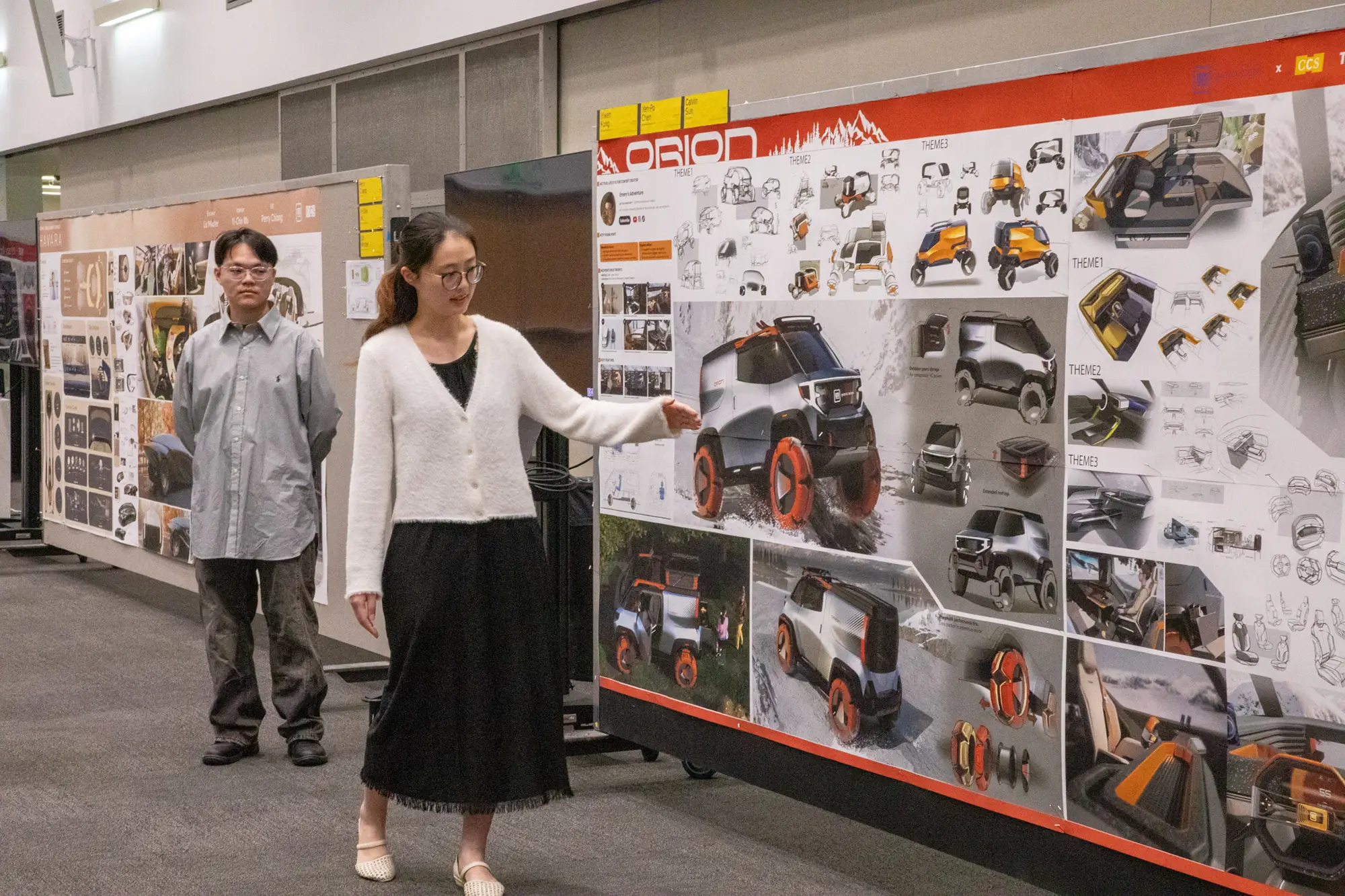
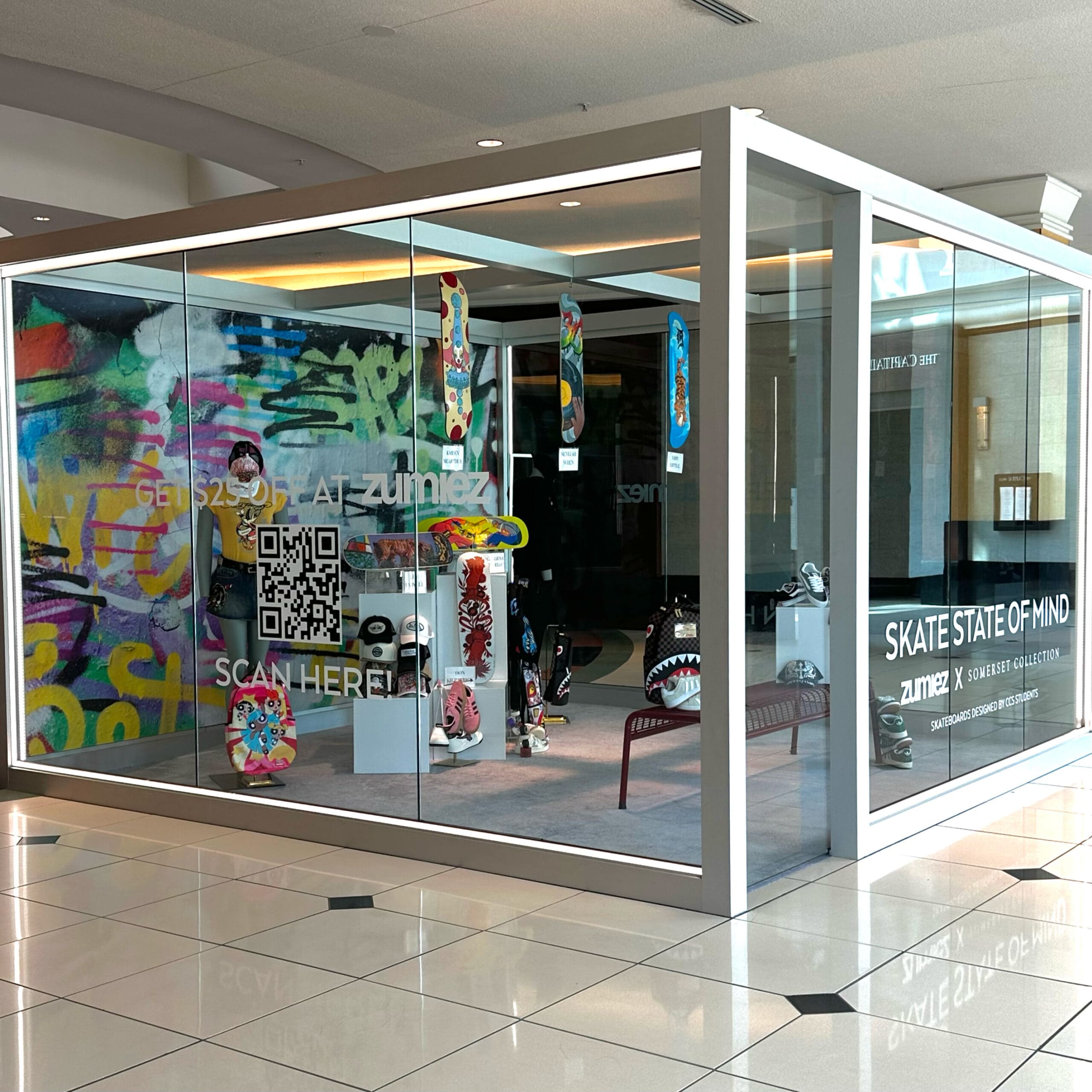
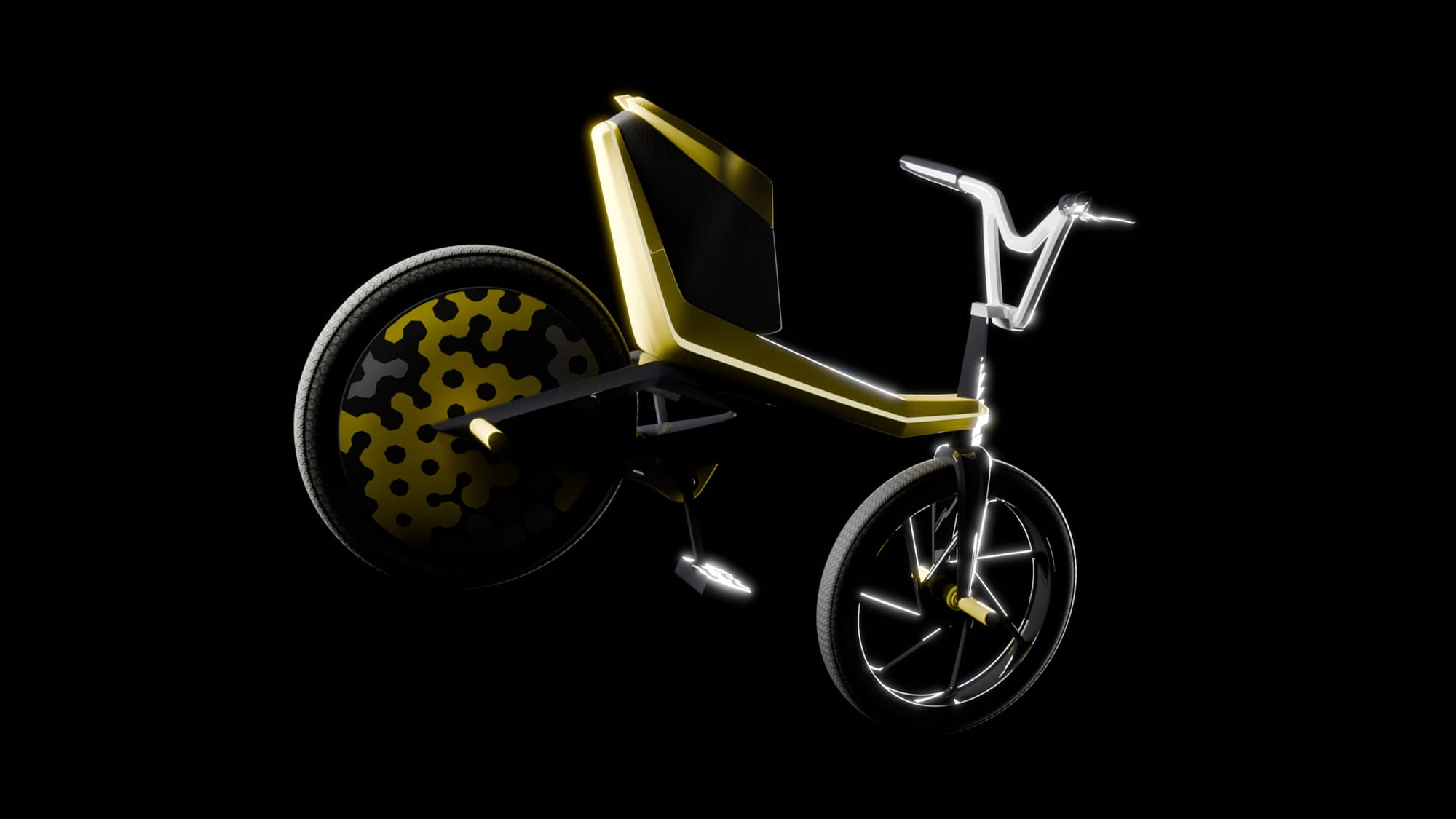
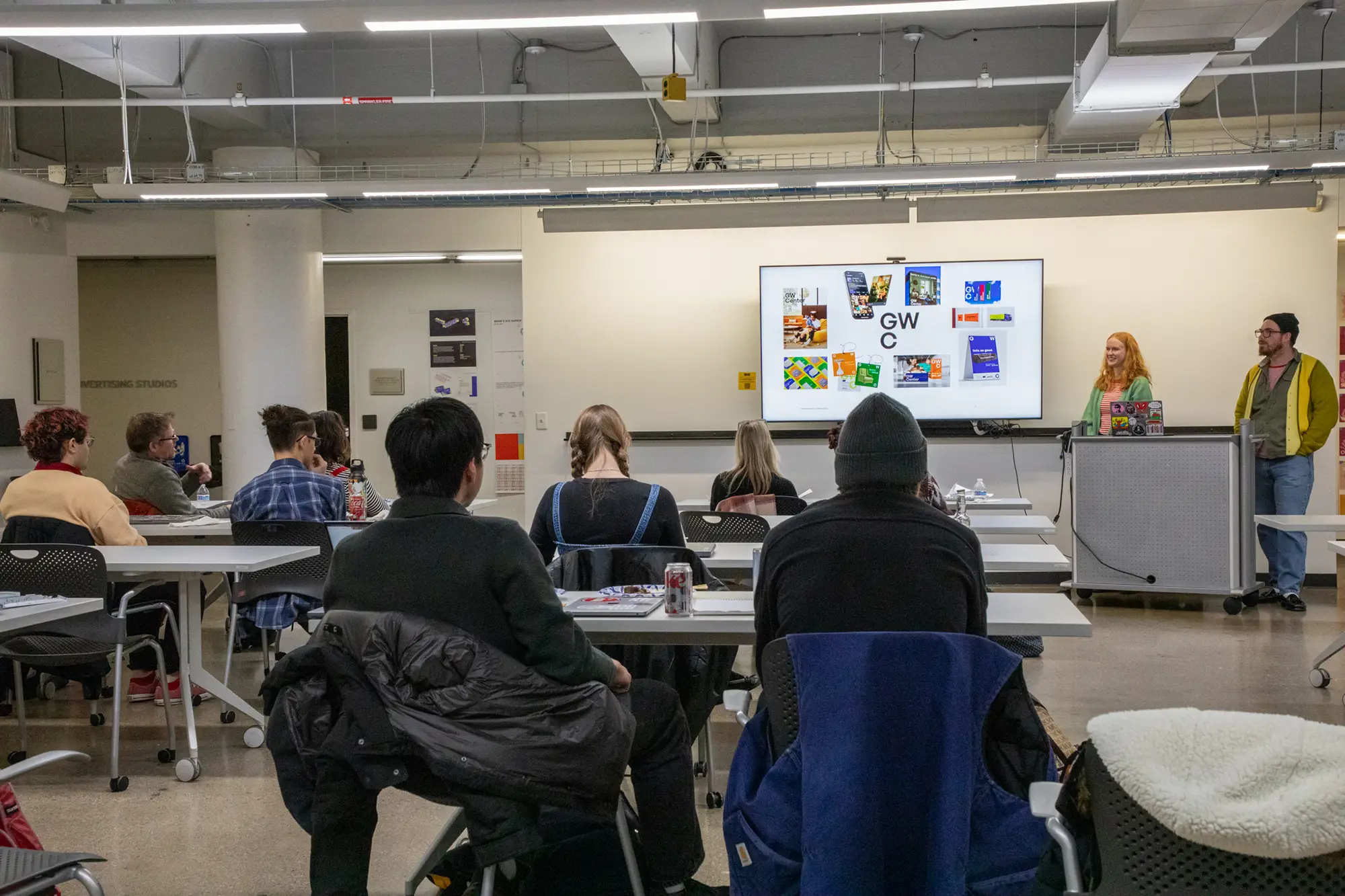
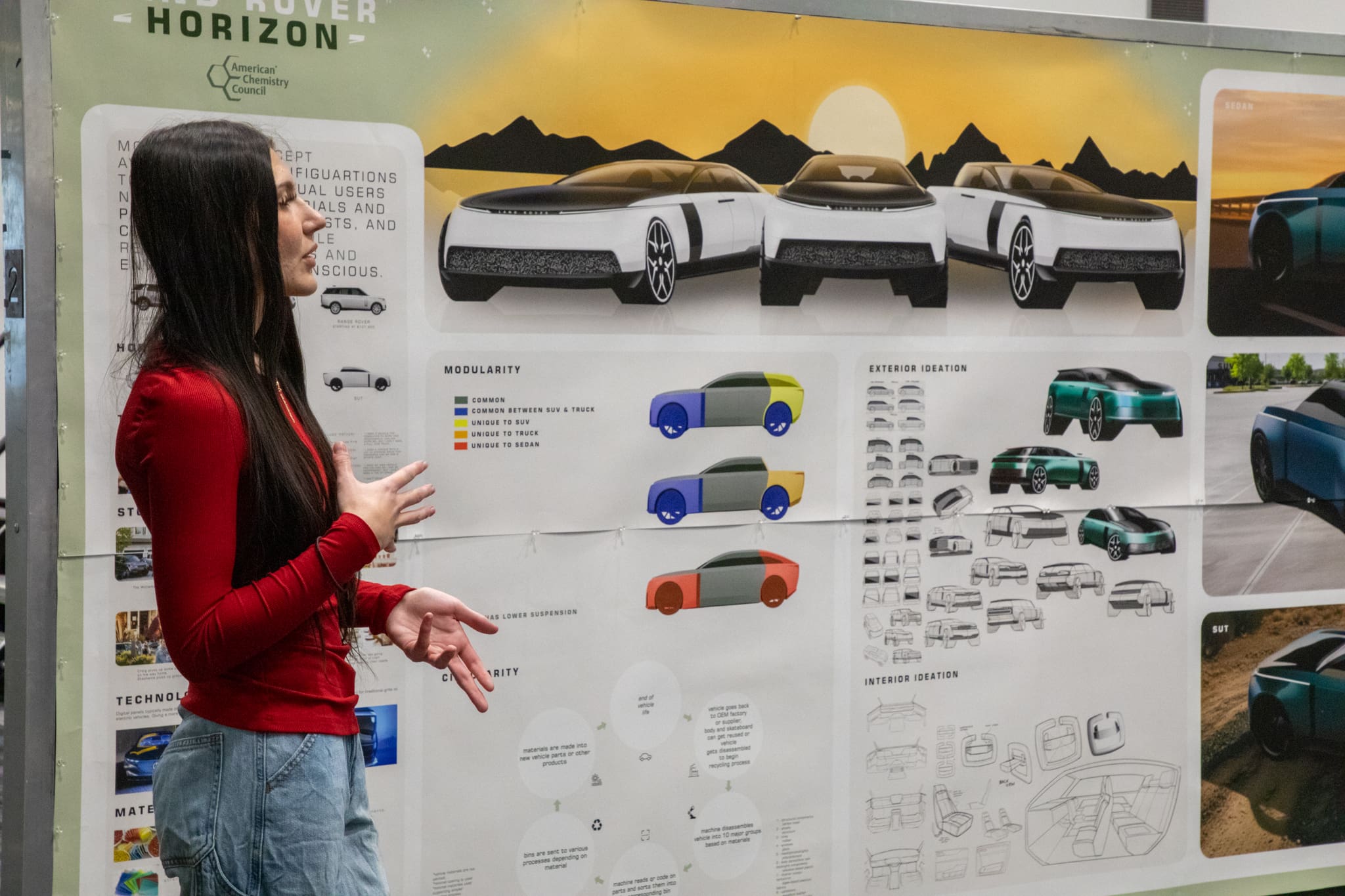
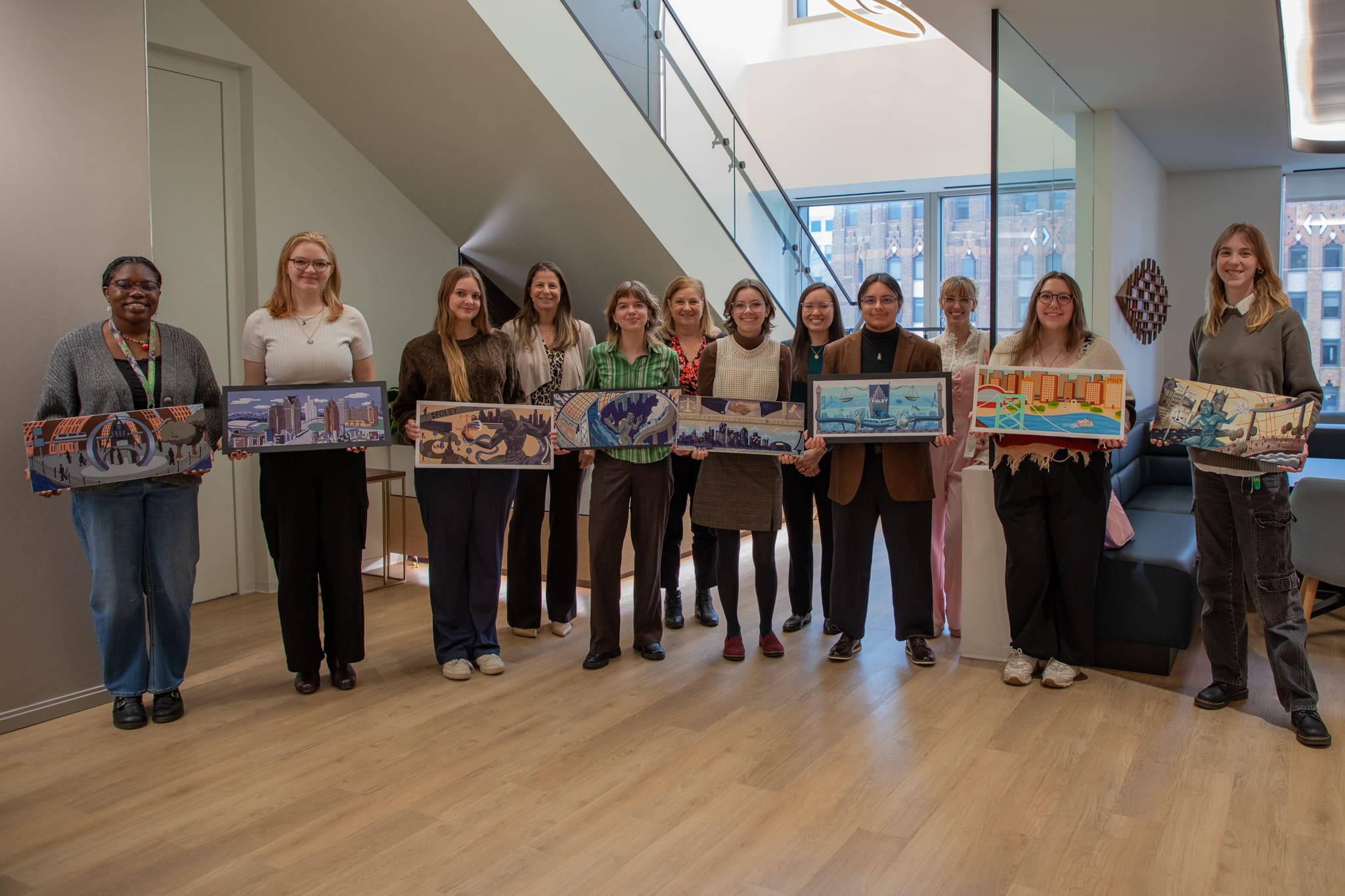
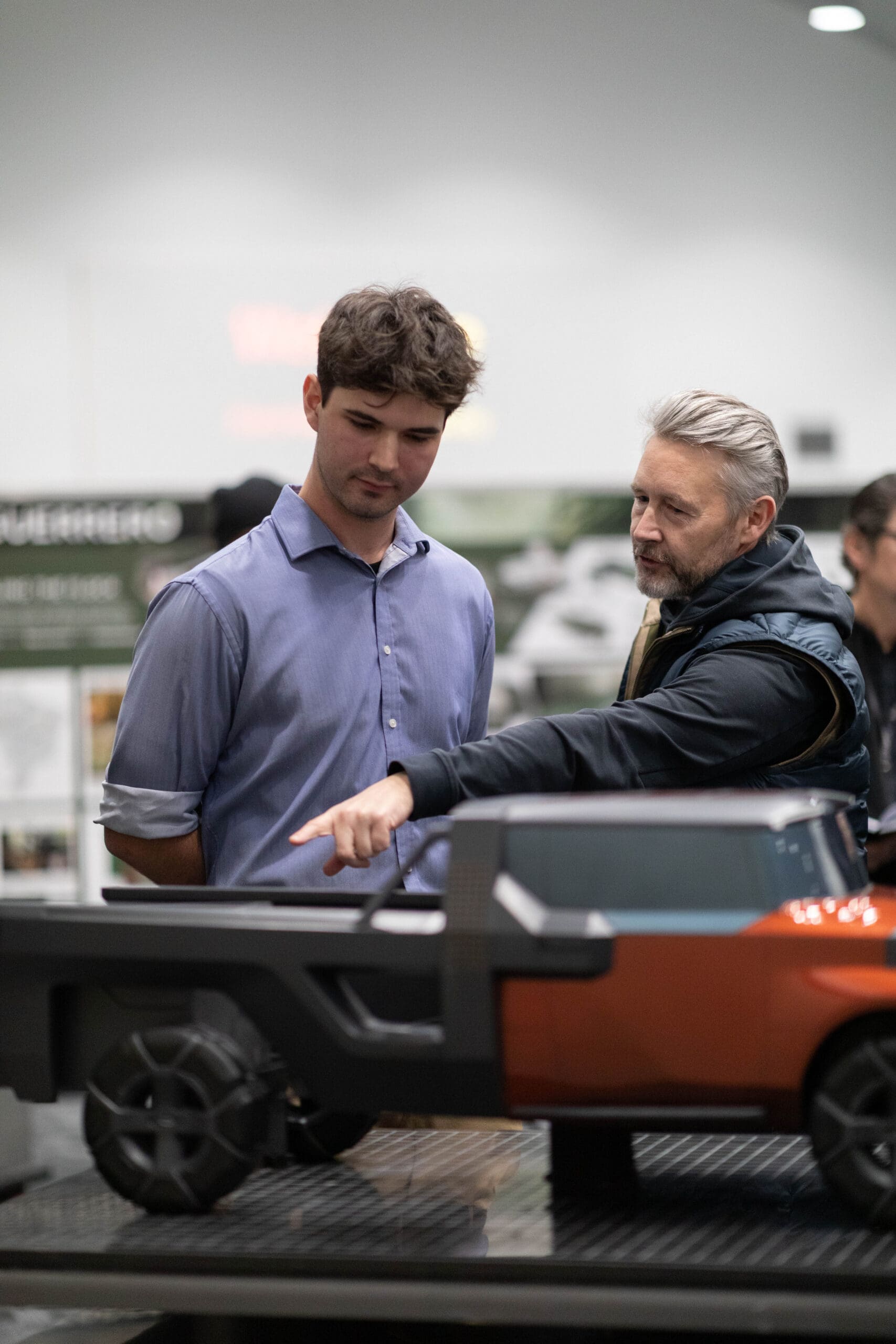
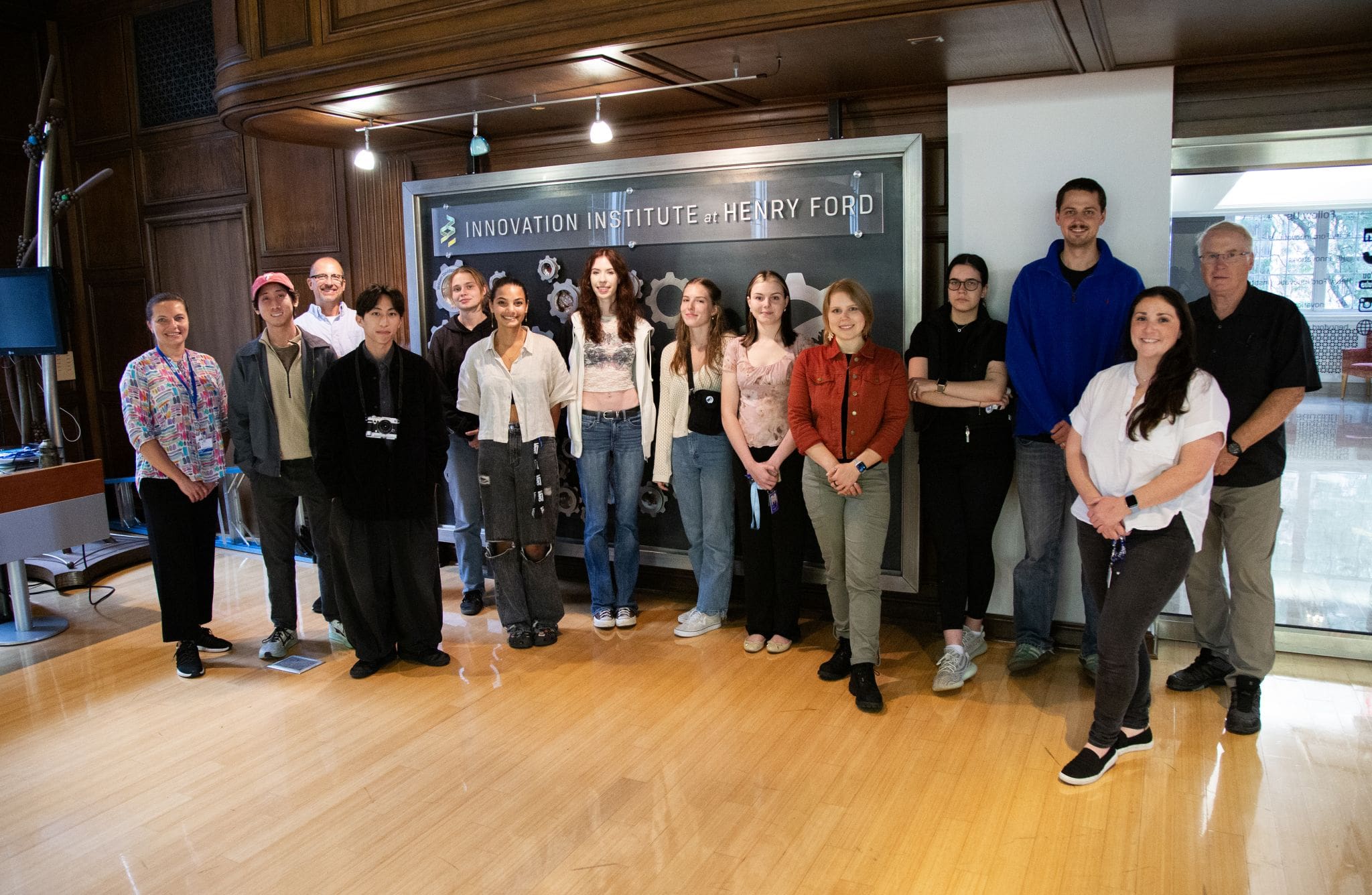
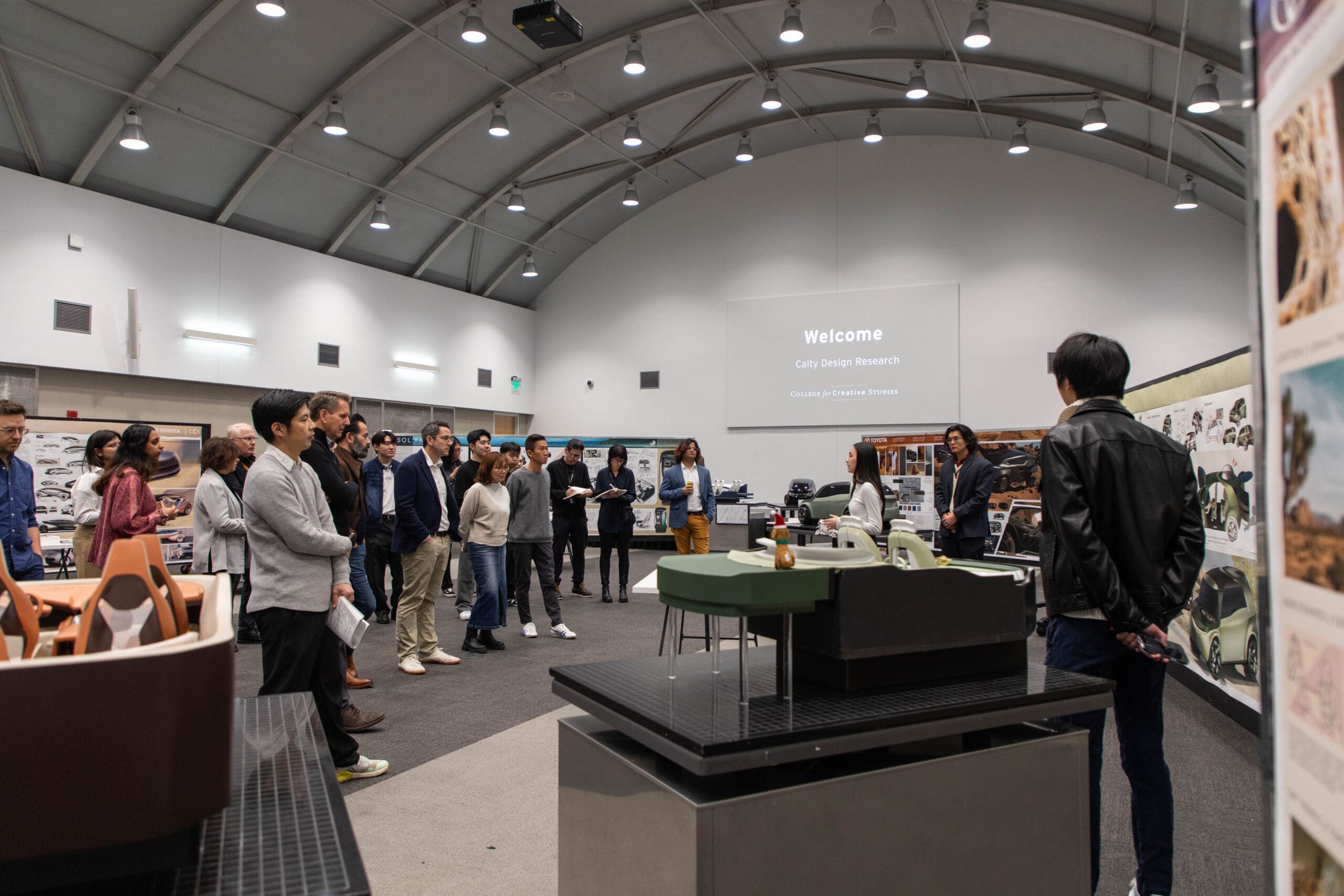
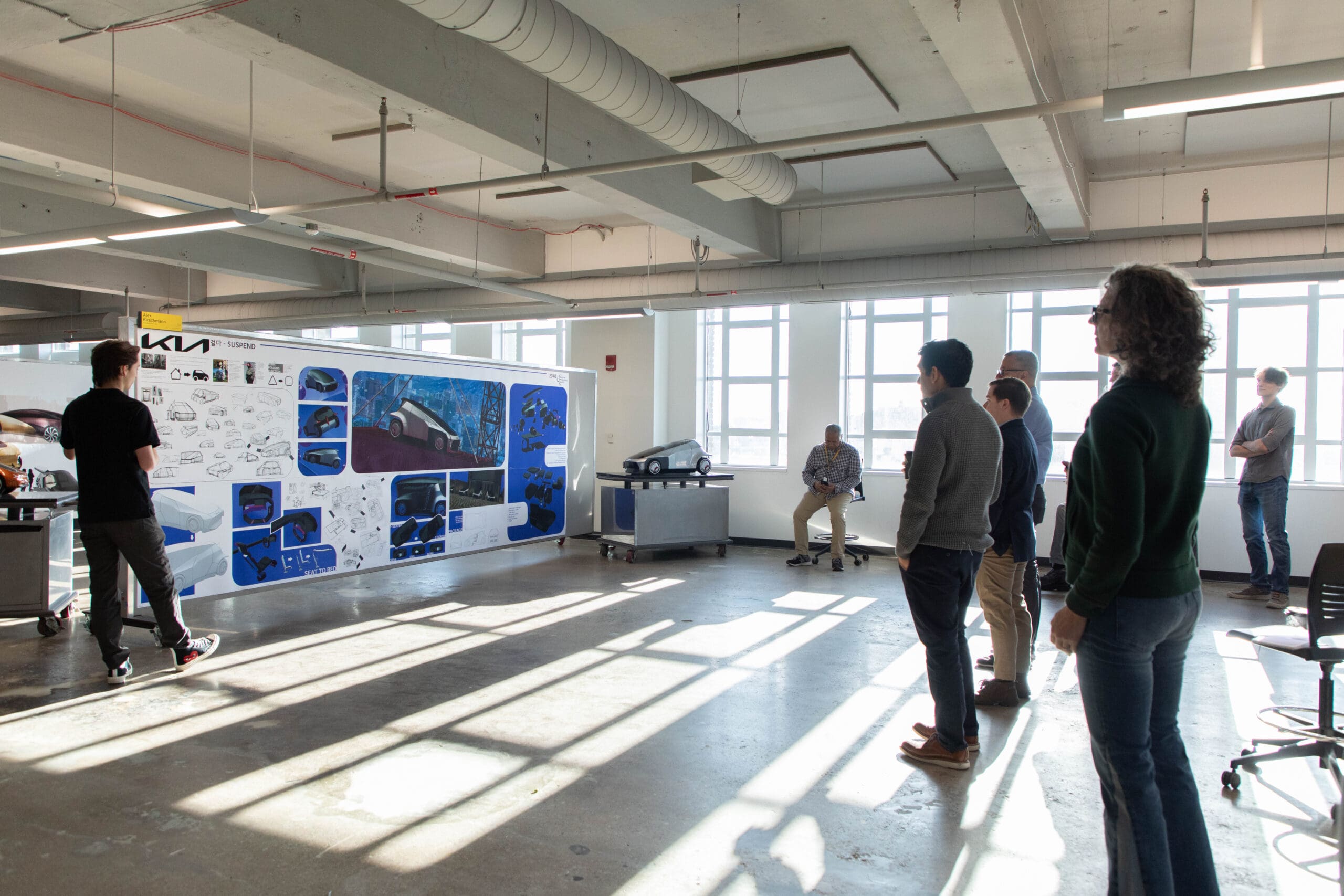
During the Winter semester, the College for Creative Studies hosted 14 sponsored projects, including a diverse range of sponsored projects and competitions that engaged a variety of academic departments. Students partnered with local and global brands to work on a specific project tailored to meet the needs of our industry sponsors. Educational partnerships at CCS are highly conceptual and allow CCS students the opportunity to participate in creative, research-based assignments, interacting with designers and staff from the collaborating company. Highlighted collaborations during the Winter semester include:
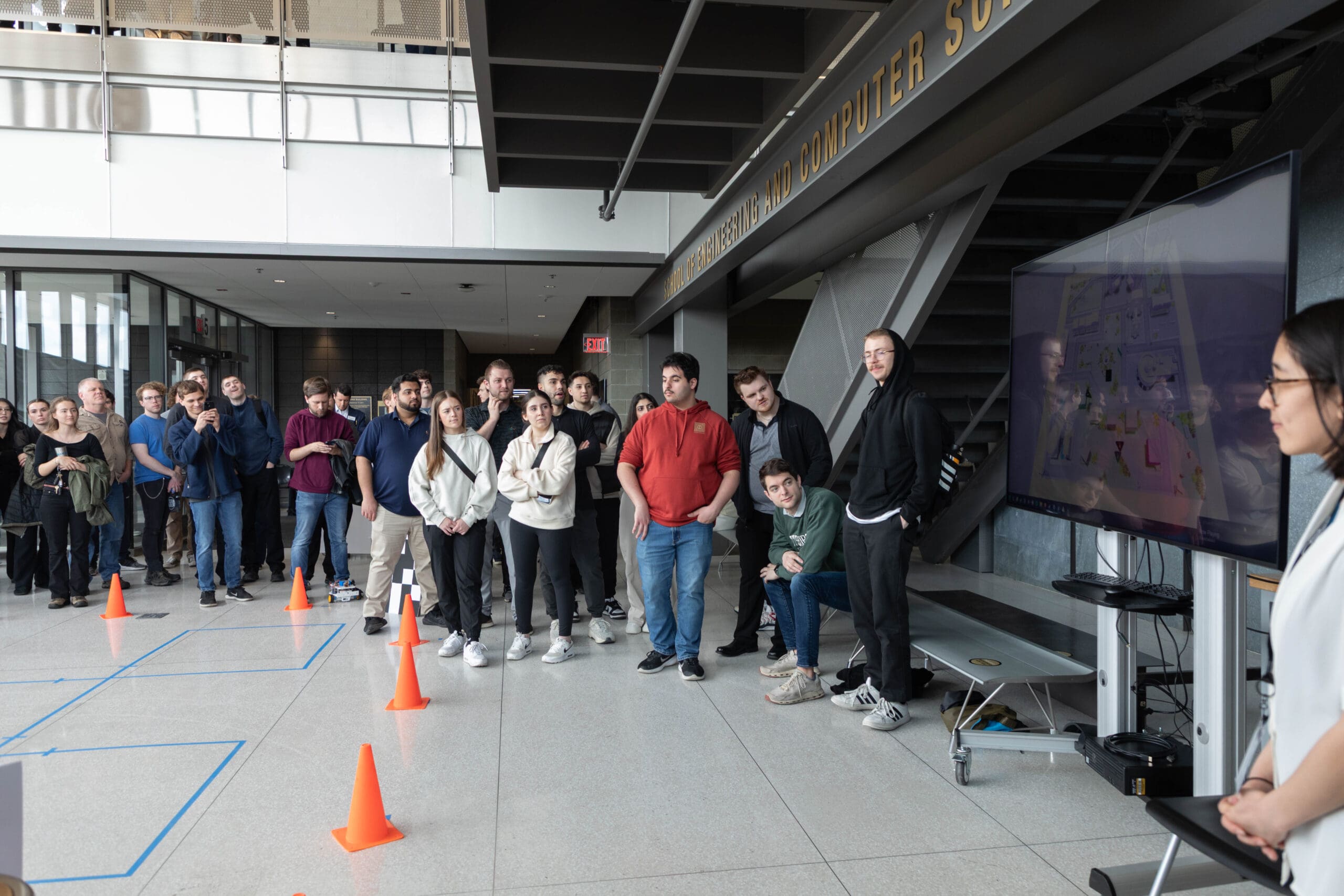
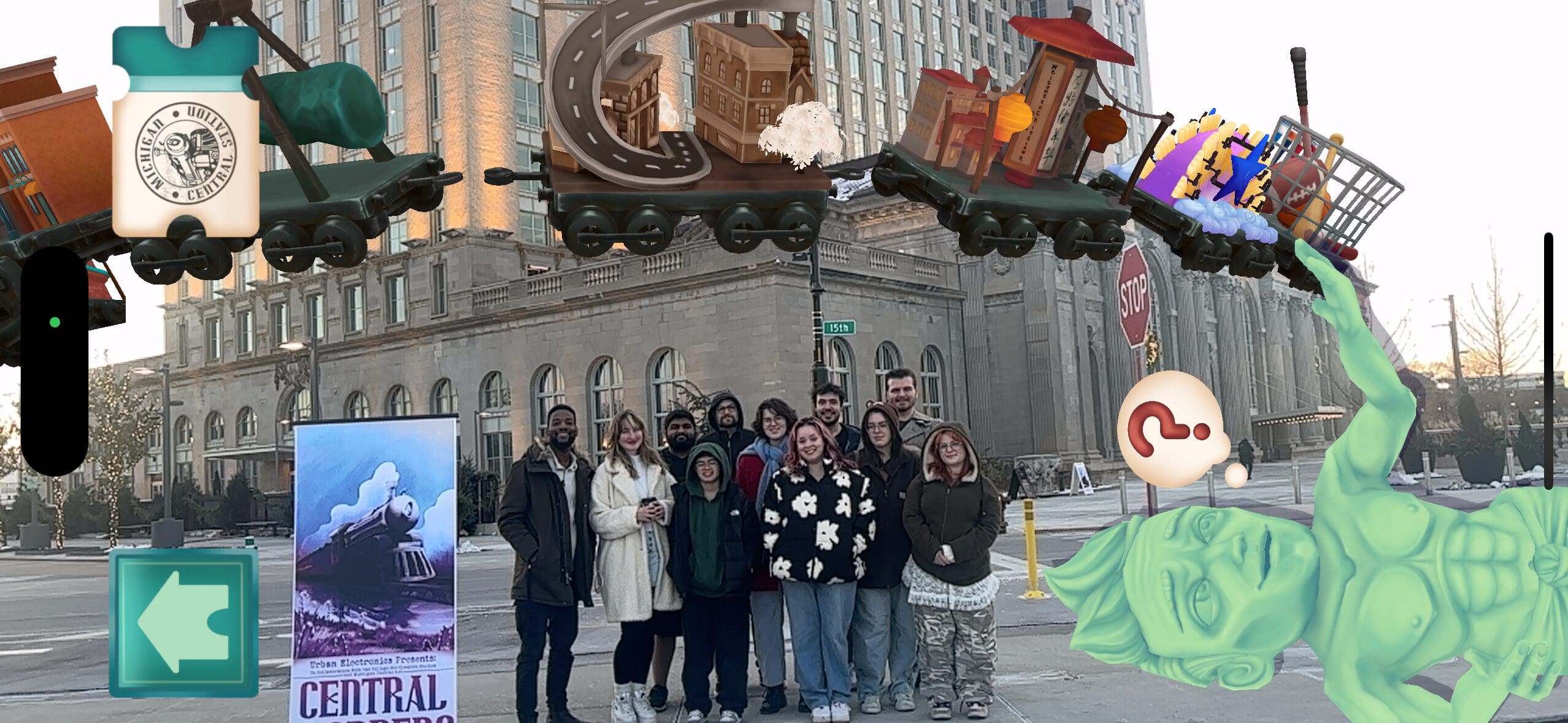
Augmented Reality Center (ARC) in partnership with Oakland University x Communication Design and Strategy, MFA User Experience Design and Entertainment Arts
Crain Communications – Automotive News x Illustration
313 Presents x Illustration
BorgWarner x Product Design
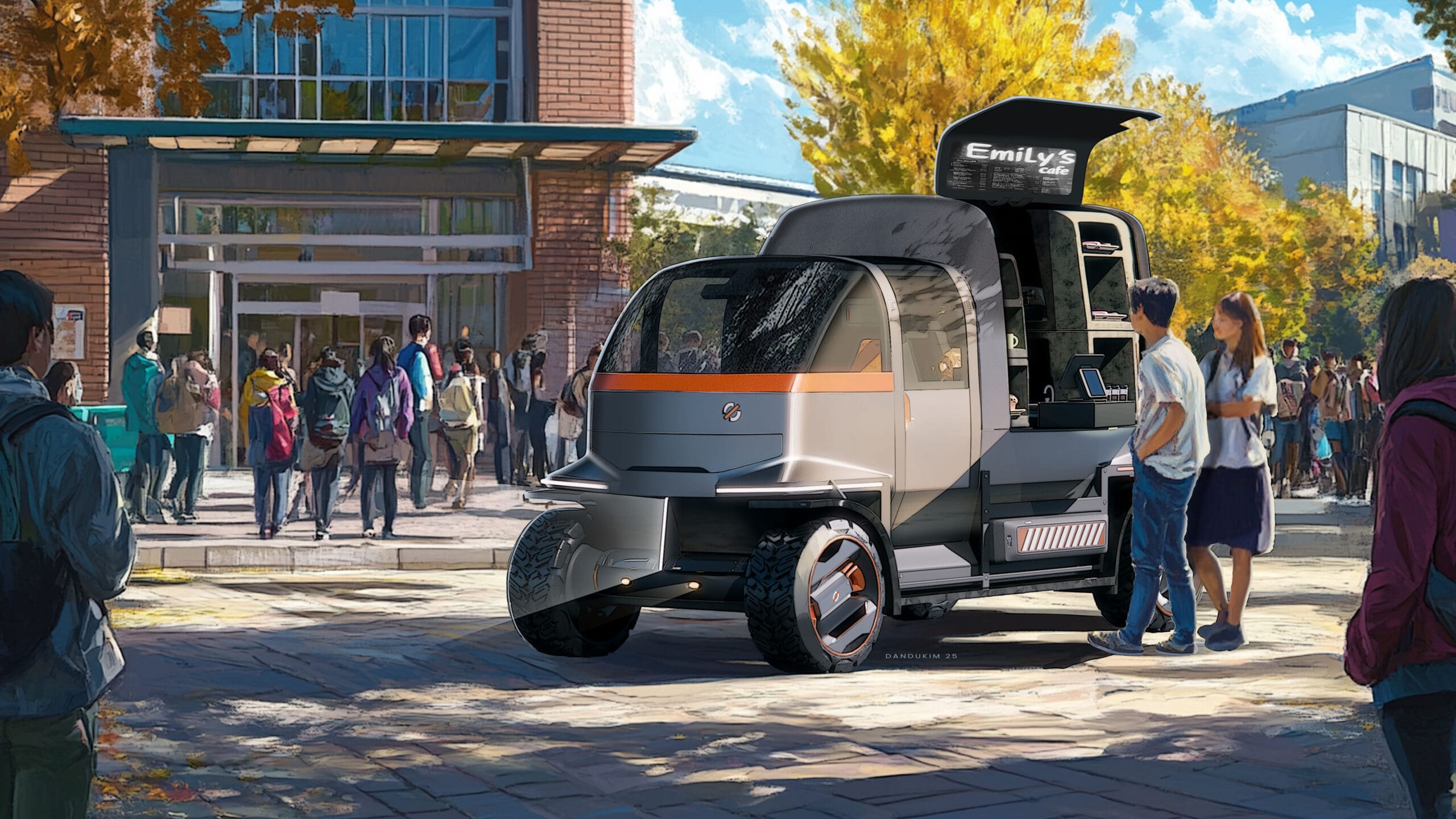
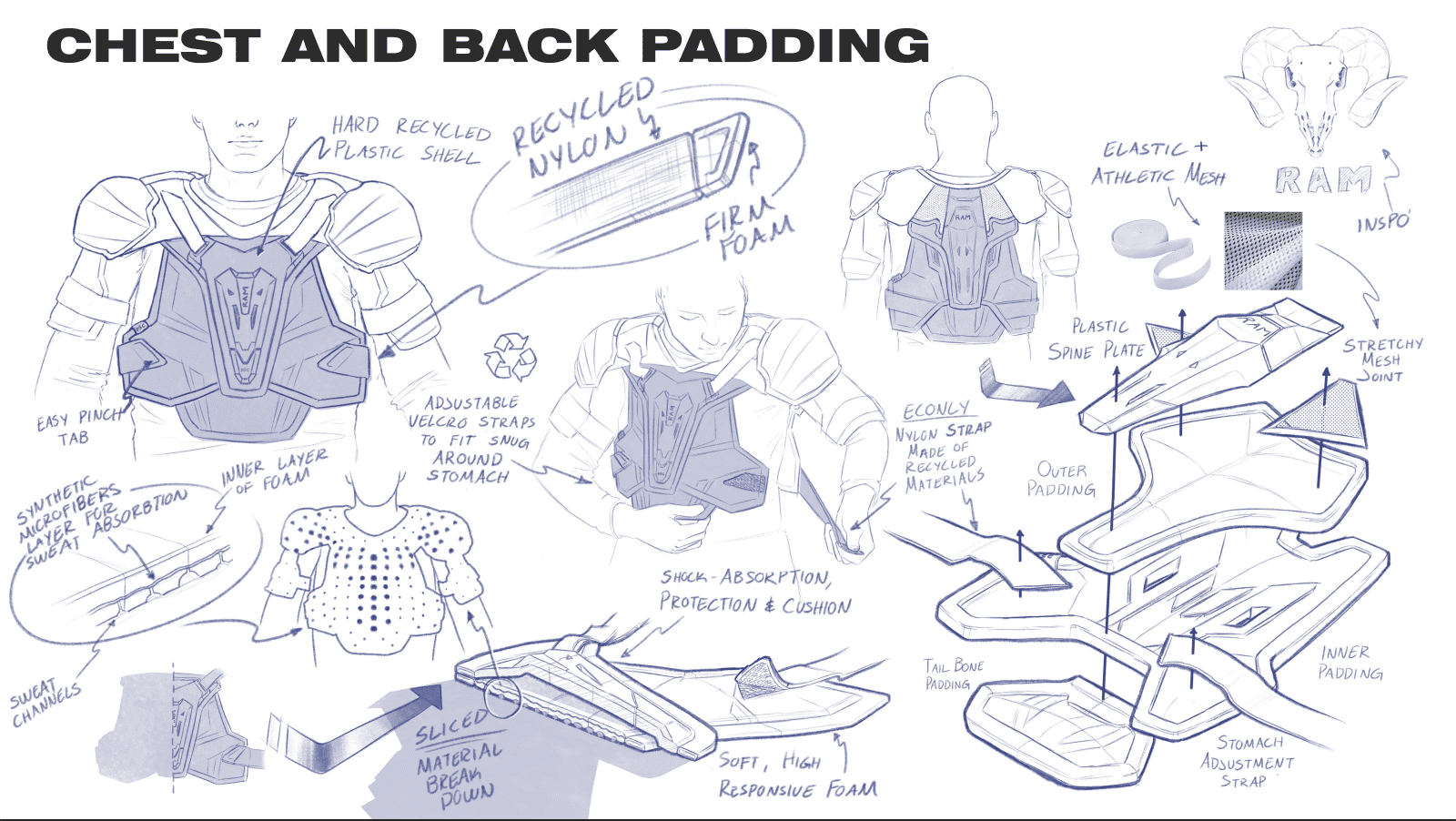
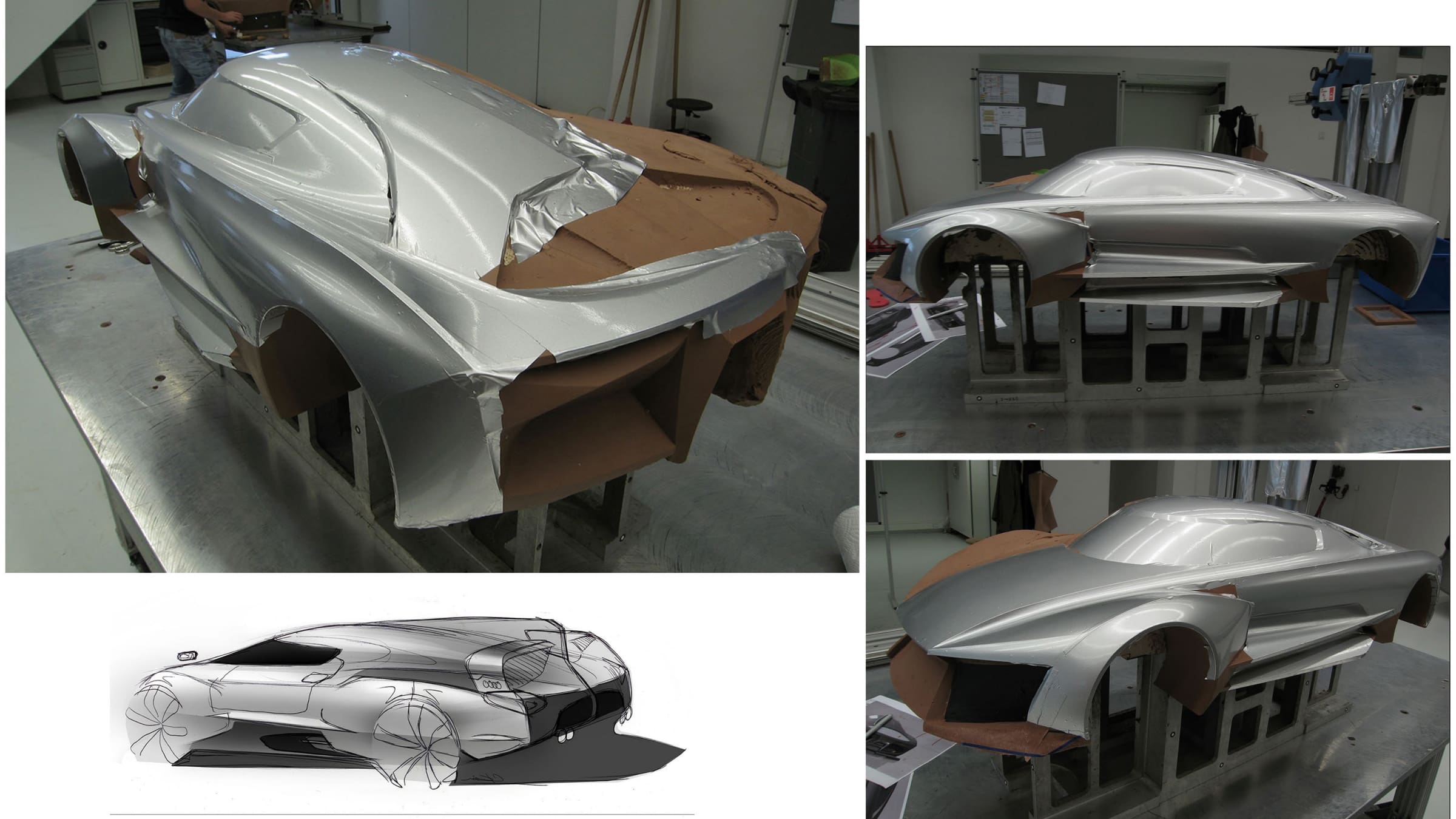
Covestro x MFA Transportation Design
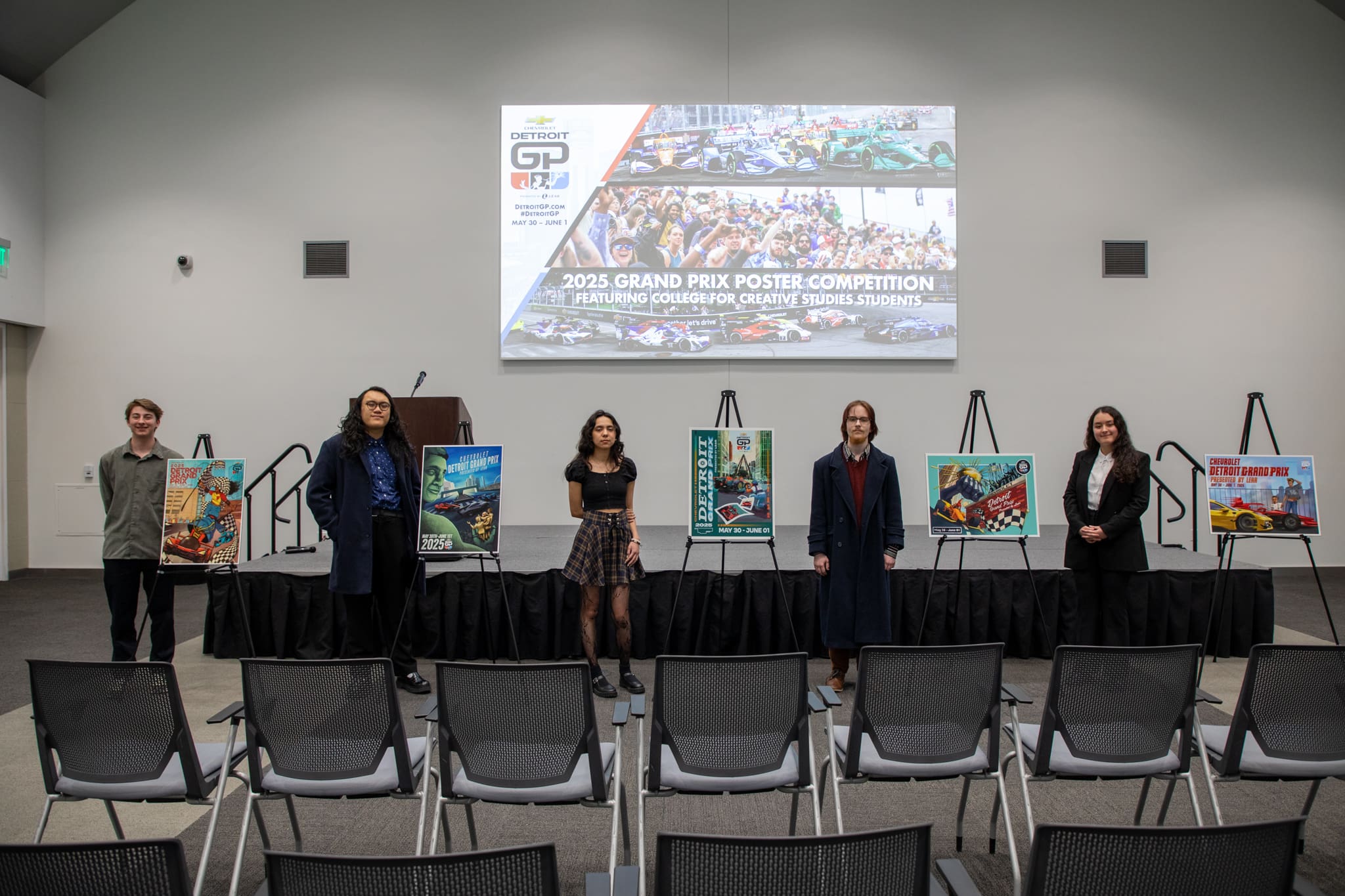
Detroit Grand Prix x Illustration
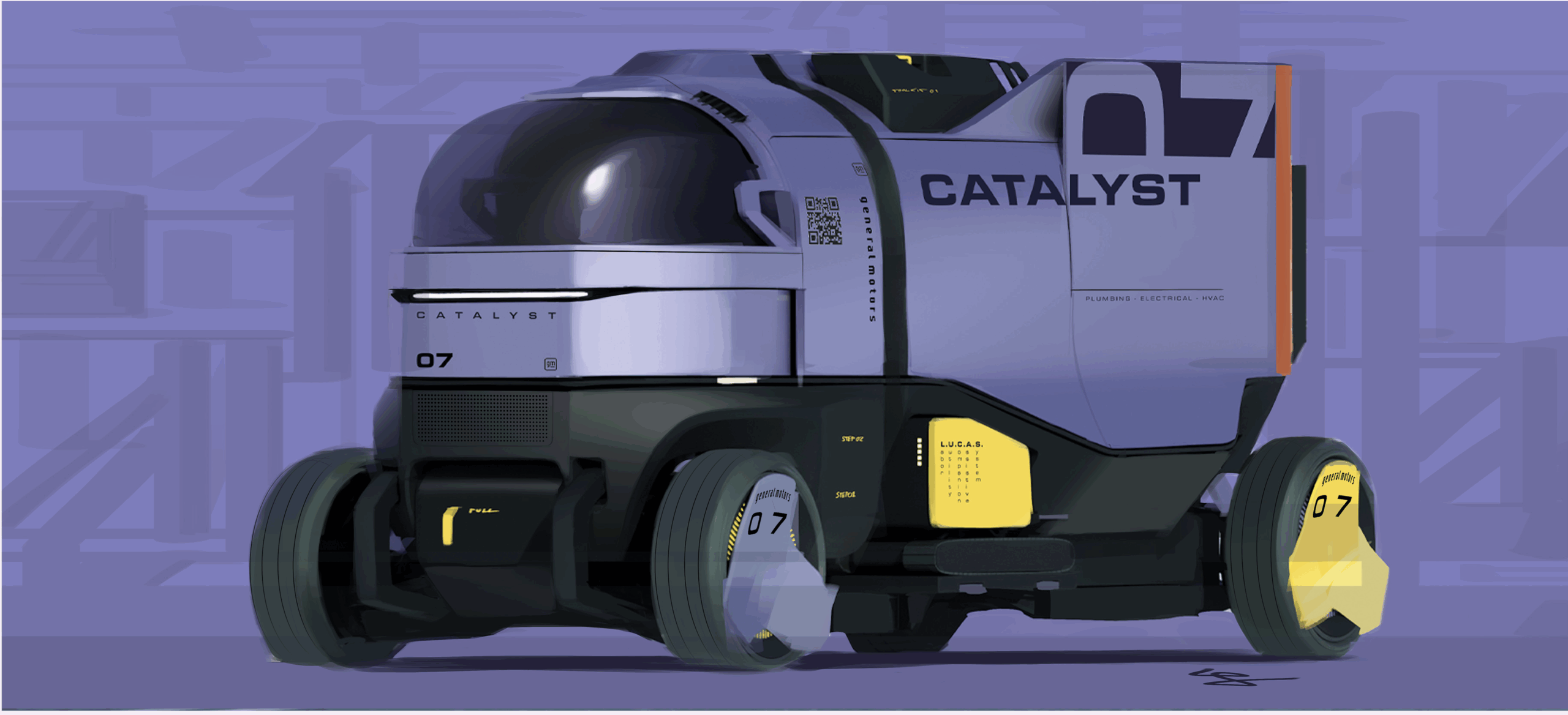
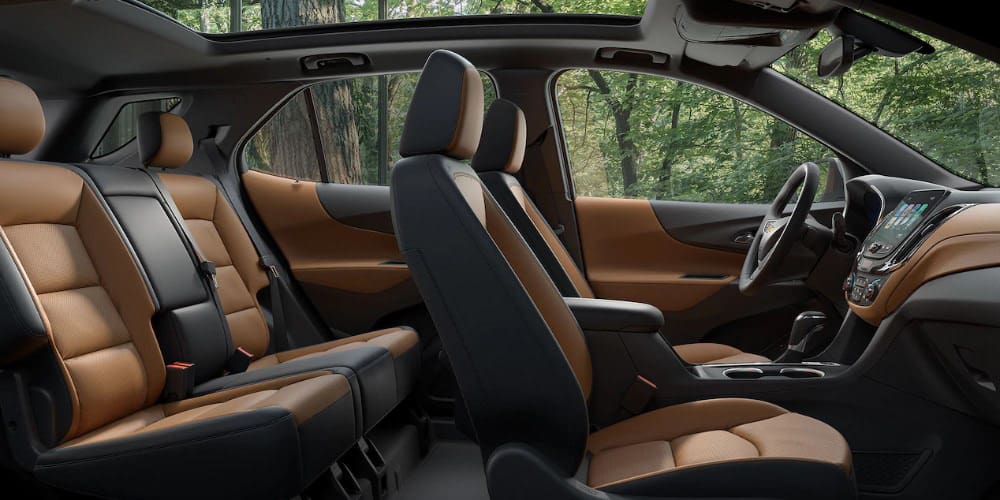
GM x BFA Transportation Design & MFA User Experience Design
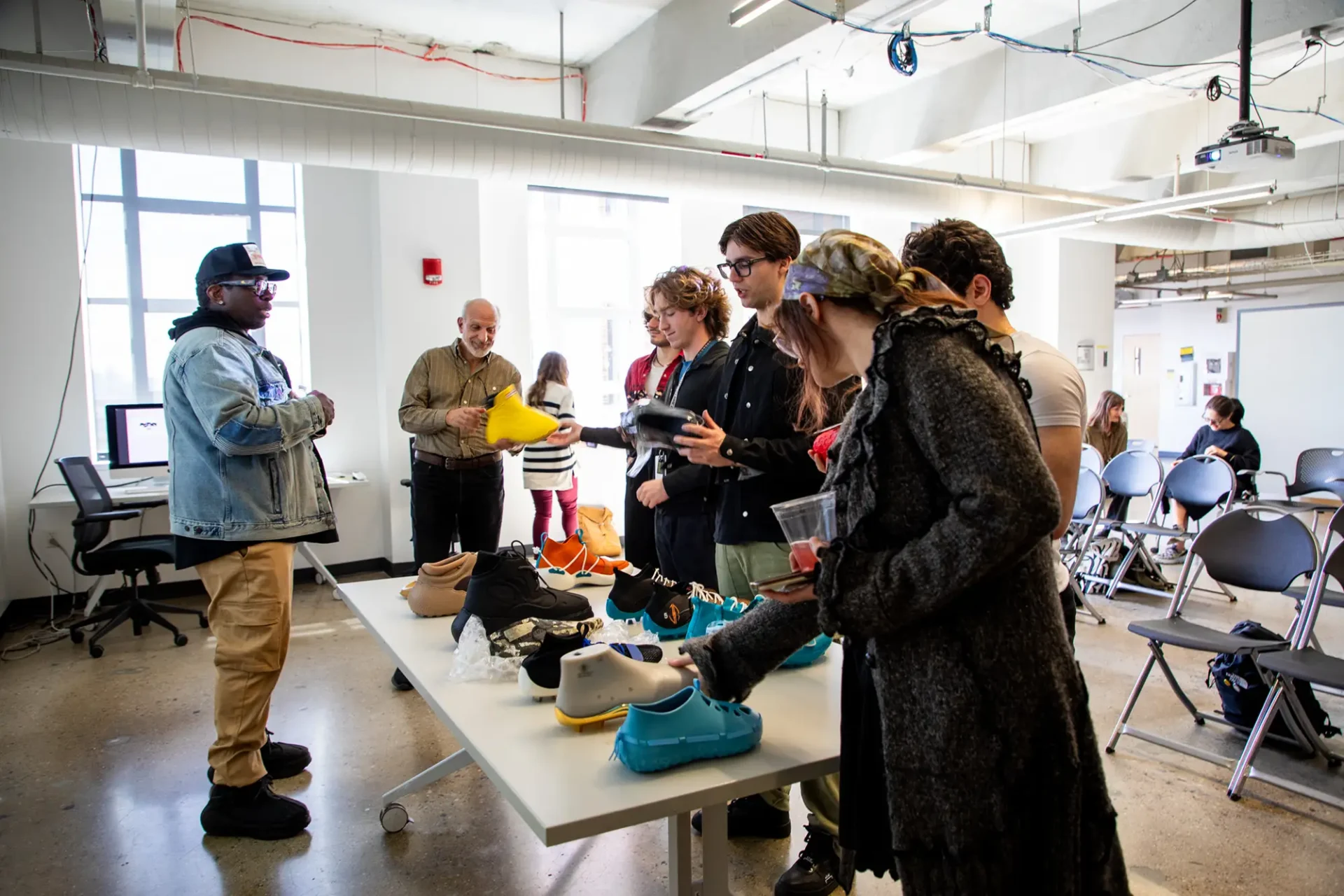
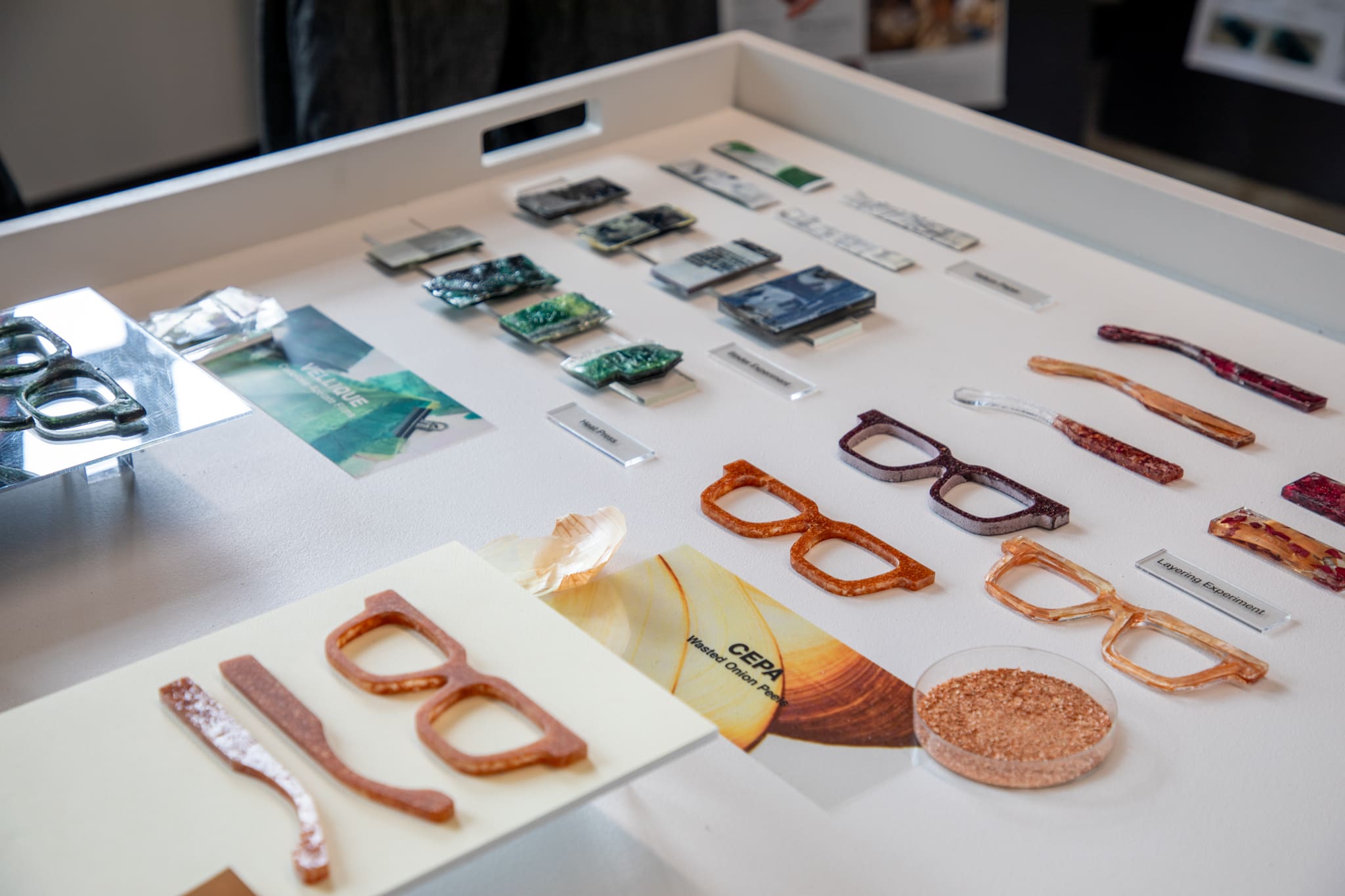
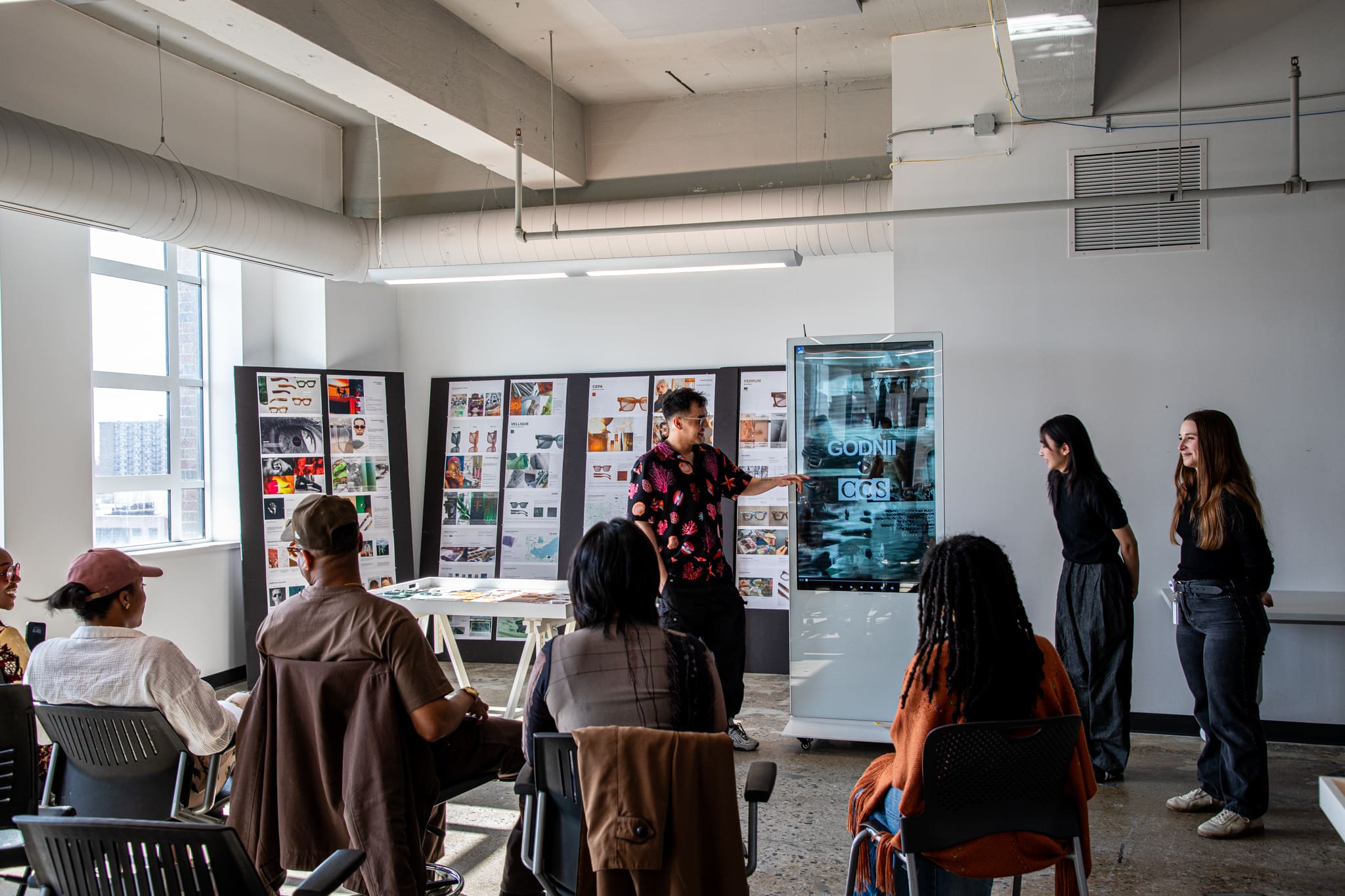
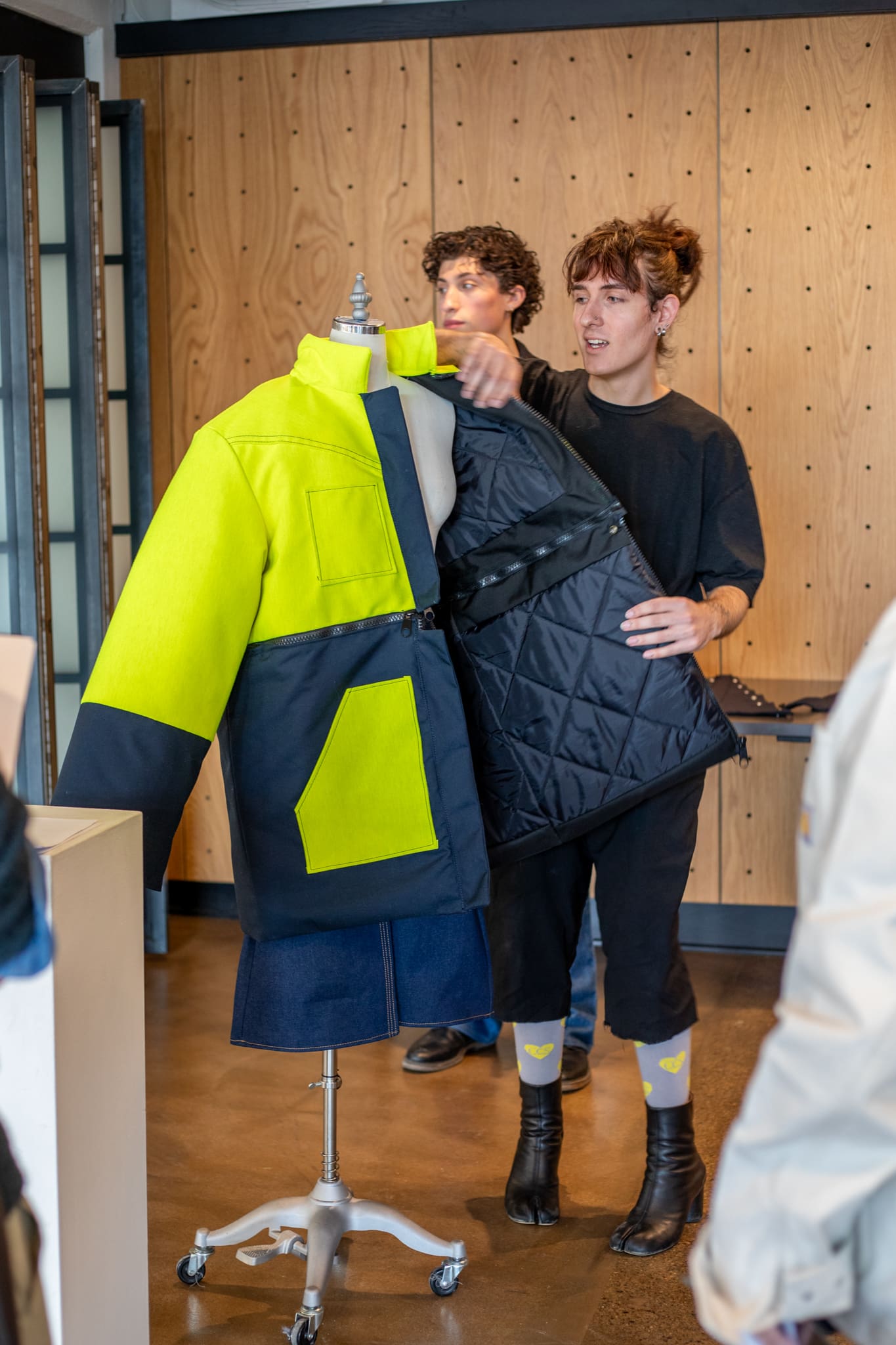
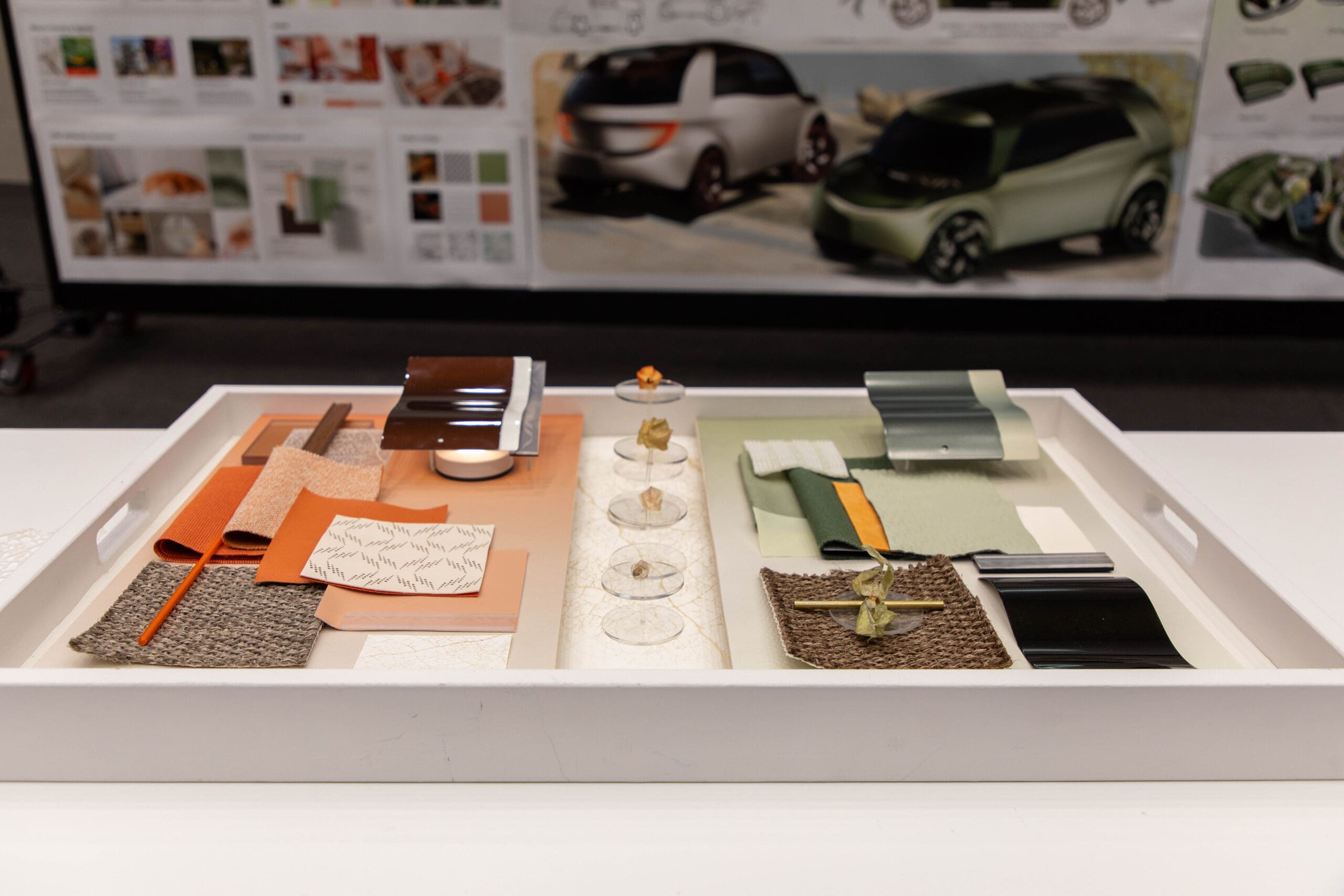
GODNII x MA/MFA Color and Materials Design
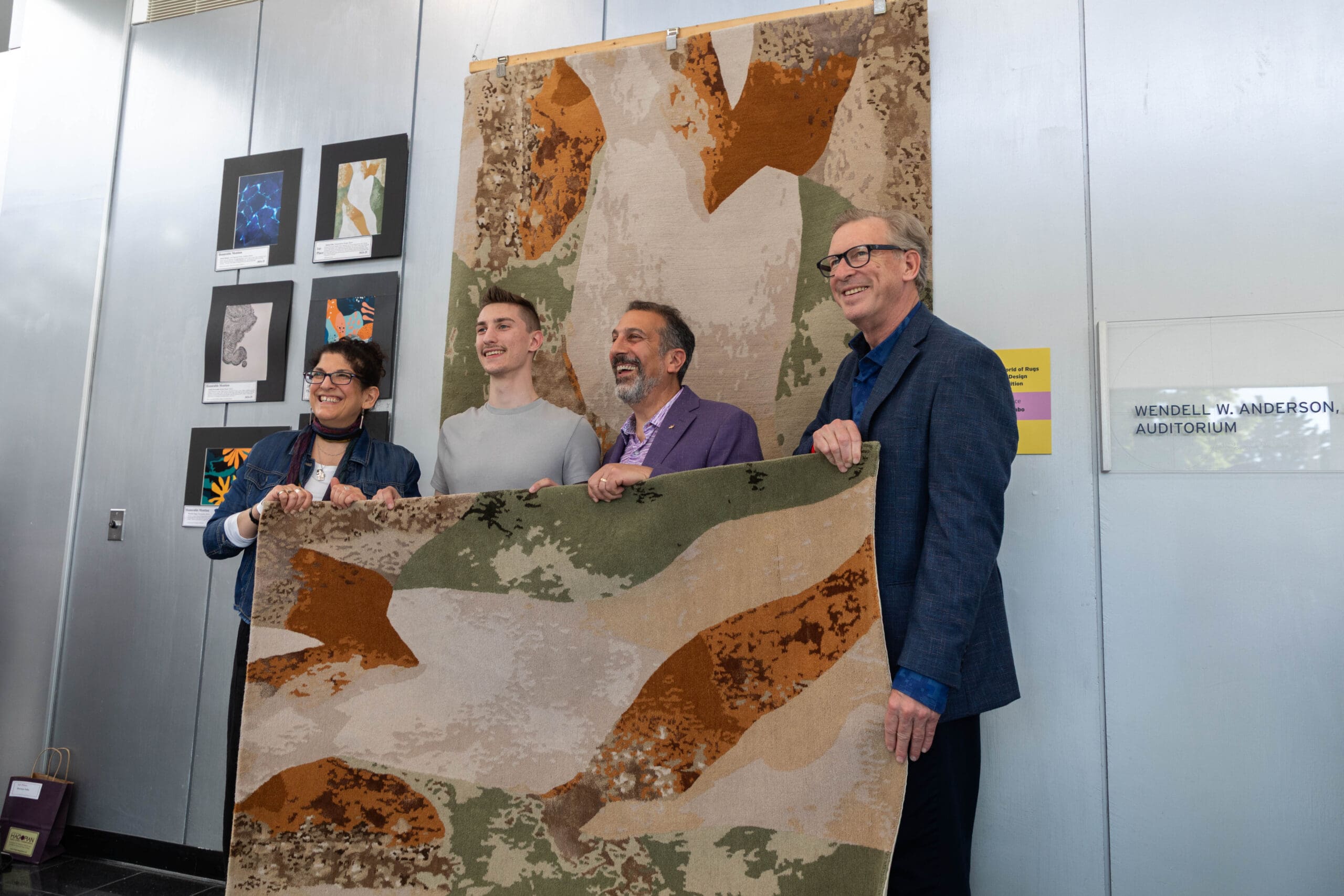
Hagopian Rug Competition x All Departments
Office of Future Mobility and Electrification with support from the Global Epicenter of Mobility x Transportation Design
MAWBY Sparkling Wines x Illustration
Trek Bikes x Product Design
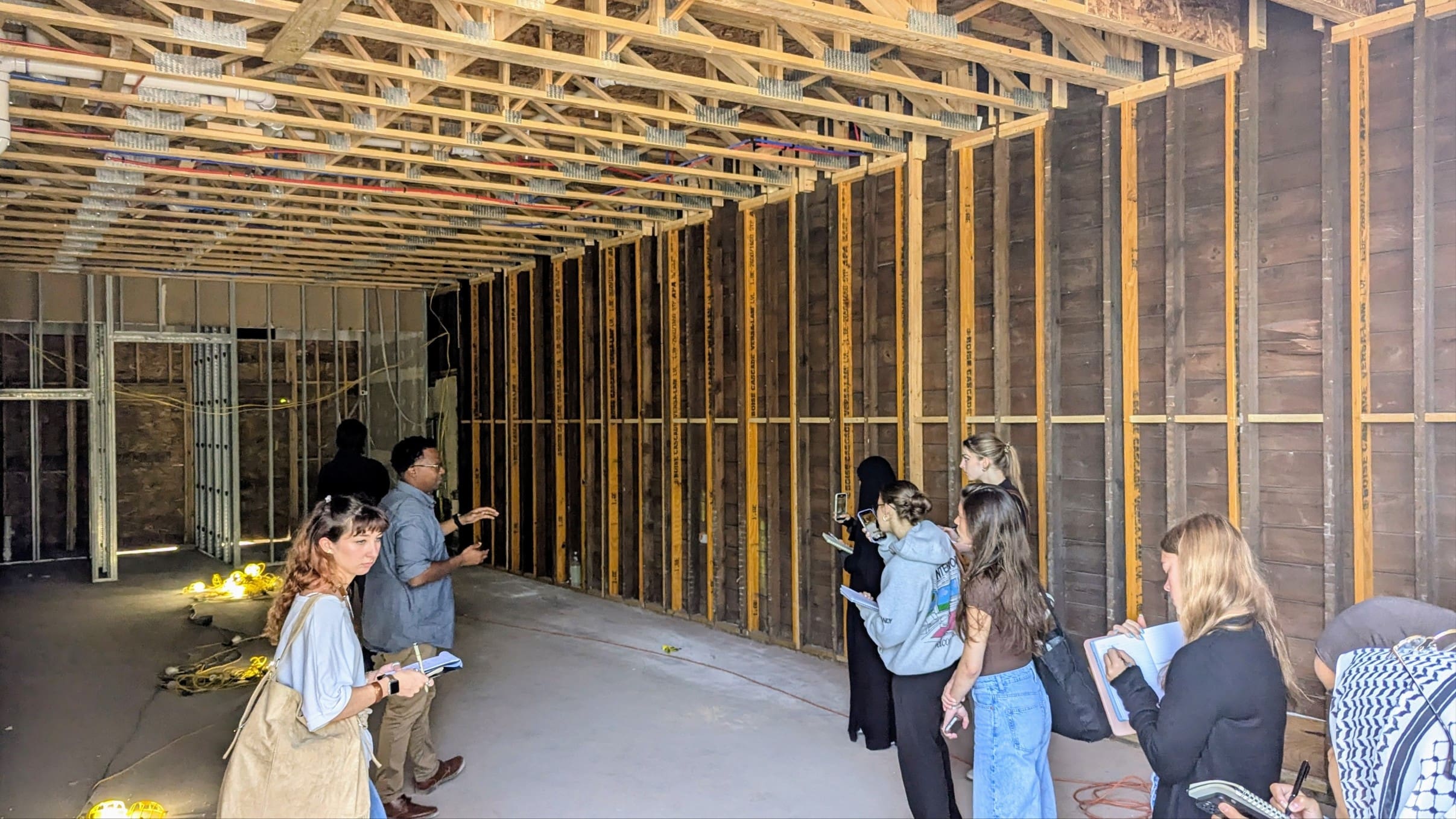
University of Michigan Dearborn – Environmental Interpretive Center x Communication Design and Strategy & Interior Design
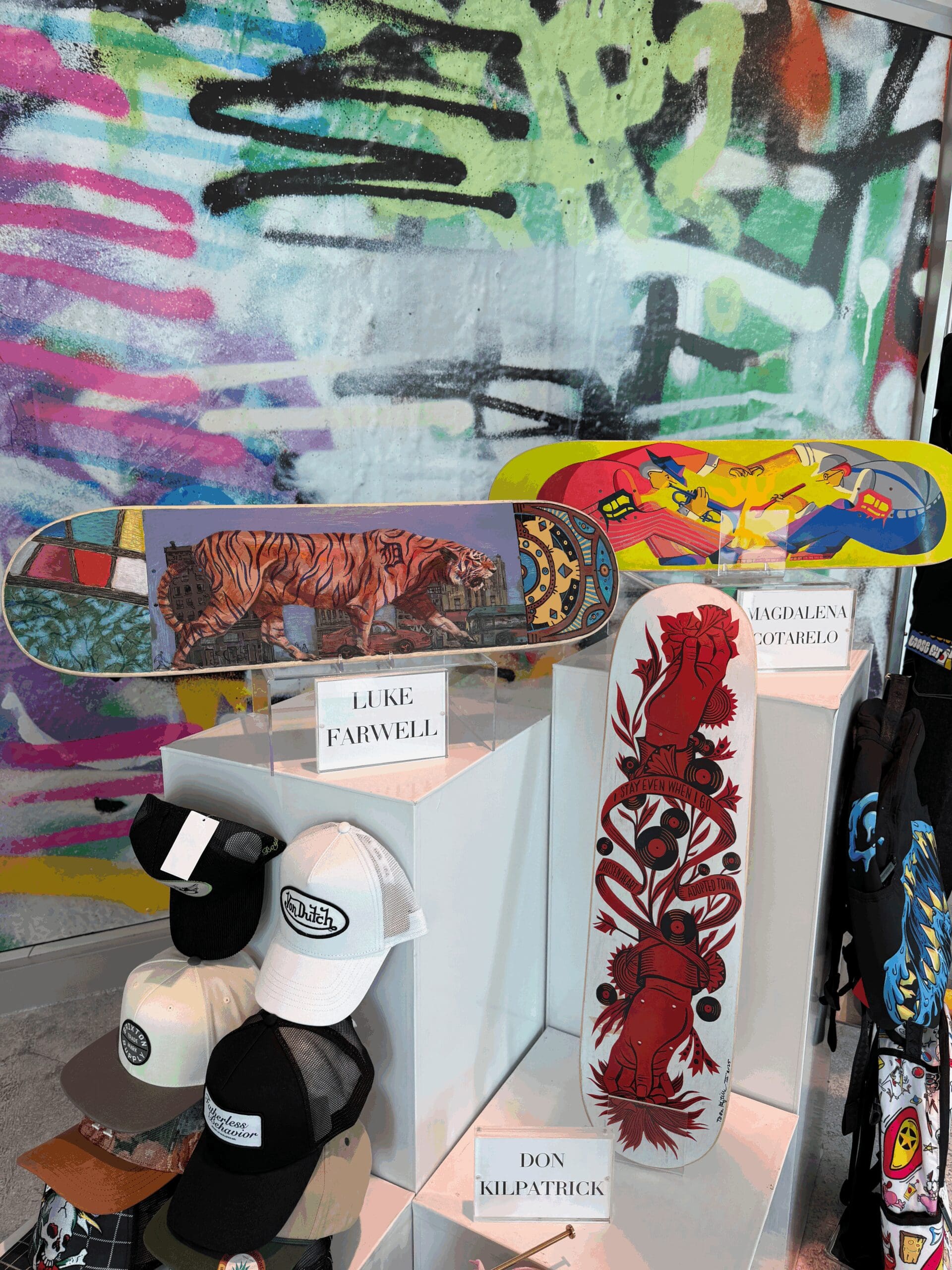
Zumiez and Somerset Collection x Illustration
“This project was pure inspiration,” said Ali Evans, Founder and Creative Director of GODNII. “Collaborating with CCS has been a longtime hope of ours, and it lived up to everything we imagined. The students brought forward deep research, bold ideas, and a clear vision for the future of sustainable fashion. Their work affirmed what we already believed—creativity with purpose can shift the industry. At GODNII, we’re excited to carry these insights forward as we continue designing not just for style, but for impact.”
During the Fall semester, the College for Creative Studies hosted 13 educational partnerships, including a diverse range of sponsored projects and competitions that engaged a variety of academic departments. Students partnered with local and global brands and Detroit community non-profits to work on projects tailored to meet the needs of our partners. Educational partnerships at CCS are highly conceptual and allow CCS students the opportunity to participate in creative, research-based assignments, interacting with designers and staff from the collaborating partners. Highlighted collaborations during the Fall semester include:
American Chemistry Council – Plastics Division x Transportation Design
Bedrock x Communication Design and Strategy, Interdisciplinary Art + Design, Interior Design and Fashion Design
BRP International Design Challenge x Transportation Design
DSC Design Sprint x Product Design
Foley & Lardner LLP x Illustration
Ford Motor Company x Transportation Design & Graduate Studies Color & Materials Design
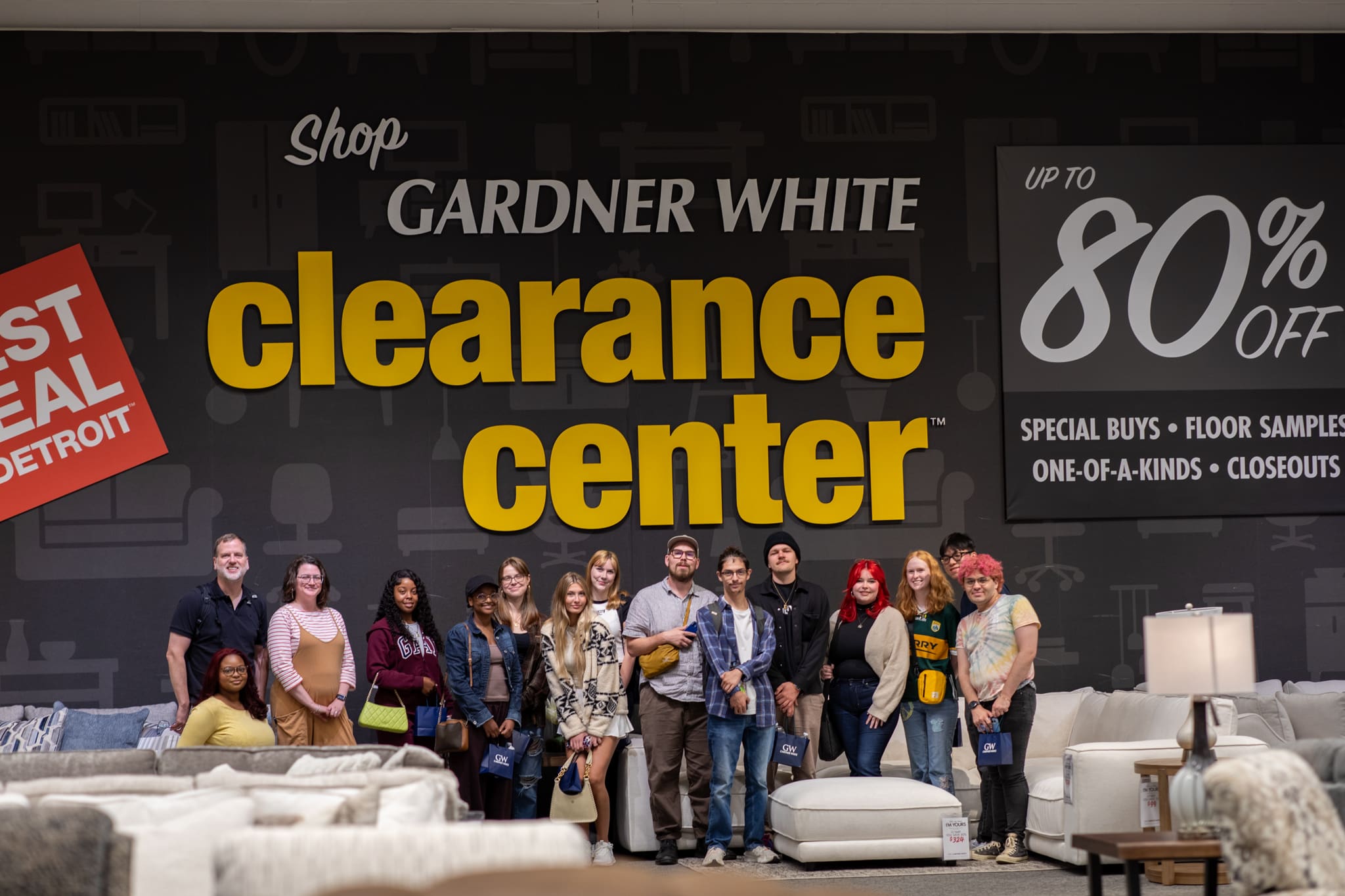
Gardner White x Communication Design & Strategy
Hagopian x CCS
Movement Festival x Communication Design & Strategy
New Balance x Product Design and Graduate Studies Color & Materials Design
Stafford House x Interior Design
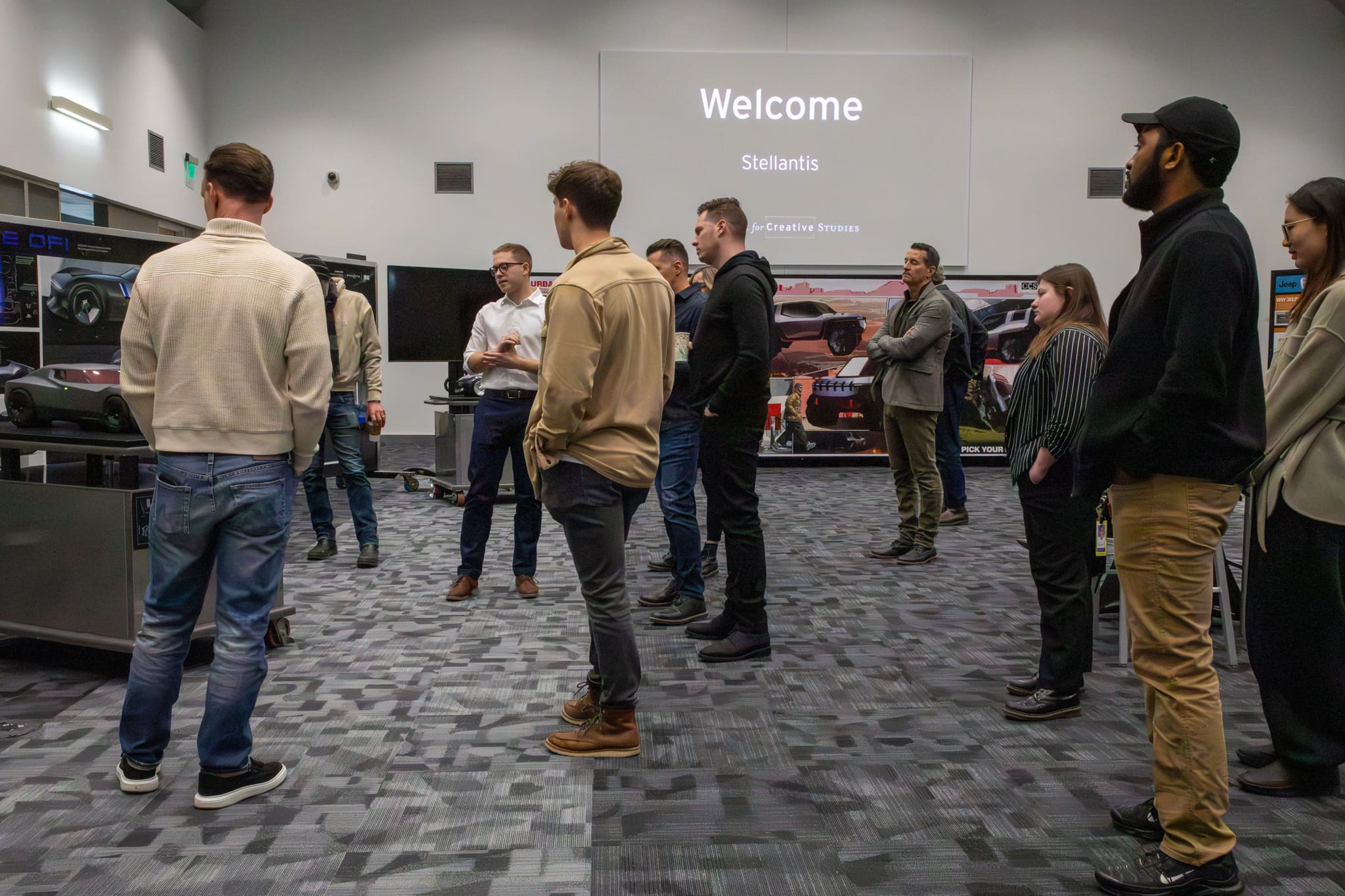
Stellantis x Transportation Design
Urban Electronic, Inc. x Entertainment Arts
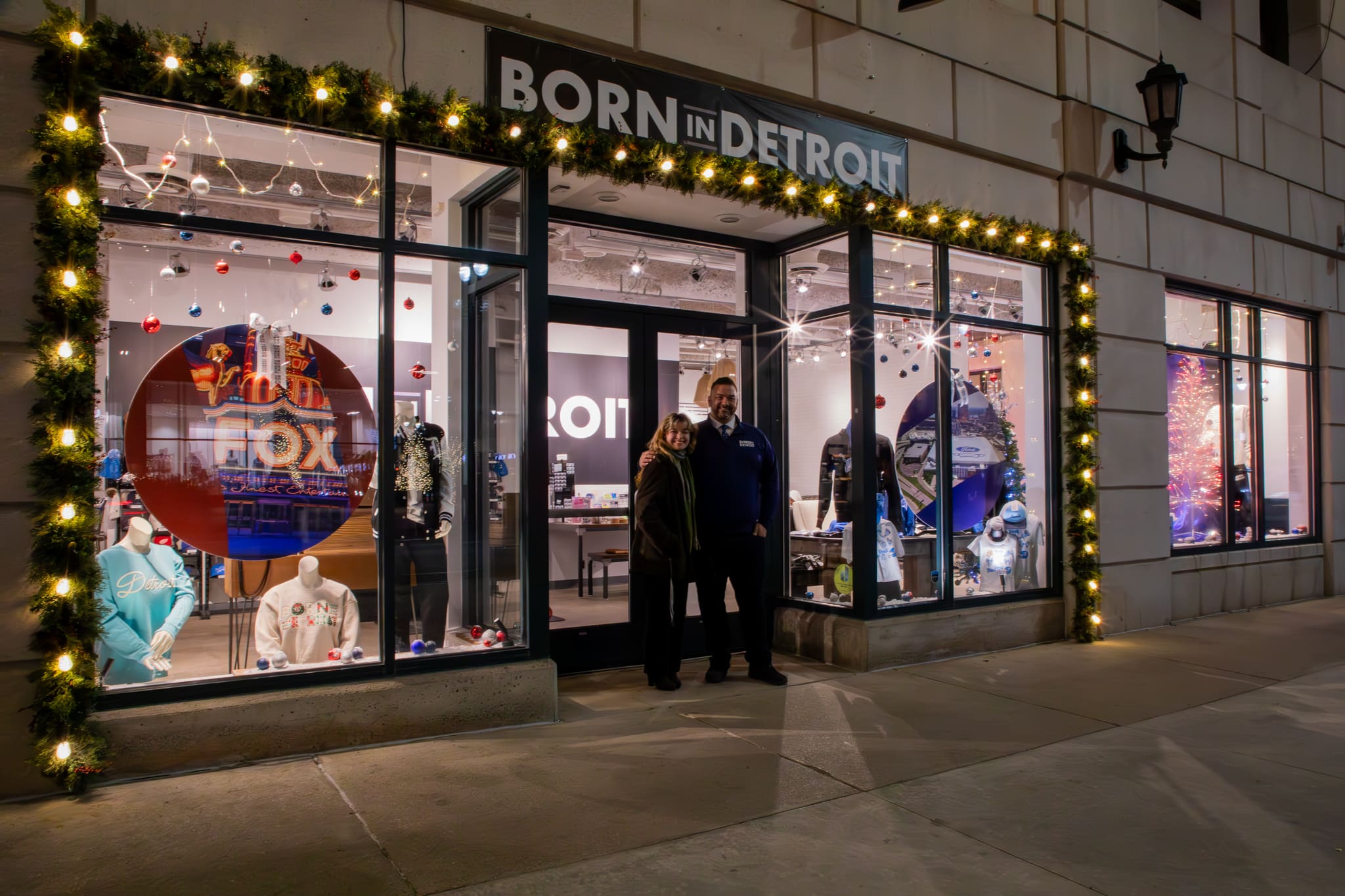
“Partnering with the College for Creative Studies during the holiday season on Windows on Woodward provided the opportunity to support emerging creative talent while strengthening connections between our downtown retailers and Detroit’s vibrant arts community,” said Francesca Eid, Bedrock Vice President, Experience. “Initiatives like this allow students to bring their creative ideas to life while contributing to the energy and spirit of the Lower Woodward corridor. We value these collaborations with local institutions and civic partners as an important way to nurture the next generation of creatives as they help shape Detroit’s future.”
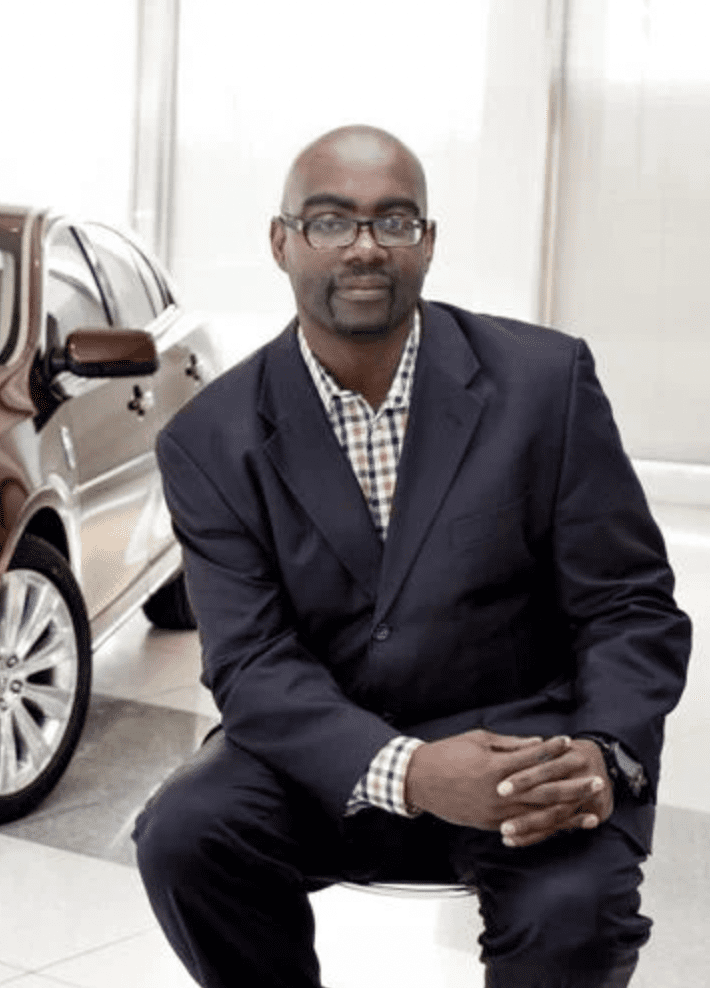
Crystal Windham can still remember the day she decided to attend the College for Creative Studies (CCS).
“I was fortunate — I had excellent college options,” said Windham (Industrial Design ’94). “My parents said, ‘This is up to you. This is your decision where you want to go.’”
Since they’d saved for her and her brother to attend college, she hadn’t needed to base her choice on finances. Unlike other schools she was accepted to, CCS hadn’t offered an initial scholarship — although that support would come during the second semester of her freshman year.
Windham always realized what a gift her parents had given her, and she aimed to do the same for her children, both college students. But in 2025, the executive director of Global Industrial Design at General Motors went one step further — endowing a scholarship to give a talented student the opportunity to realize their dreams at CCS.
Besides the minimum gift requirement, Windham made an additional contribution so the endowment could begin distributing funds right away. She chose to do this with a retention scholarship, meaning it can be renewed for up to three years, helping CCS retain the student.
Windham felt strongly that the scholarship not fully cover tuition. This was partly inspired by her own work-study experience in the Transportation Design department, which changed the course of her studies — and her life.
She recalled how one day, Carl Olsen, the department chair, had watched her sketch a still life for homework. He’d asked, “Have you ever thought about drawing cars?”
When she replied that she hadn’t, Olsen had told her that both women and people of color were underrepresented in that design area. He’d then offered to pay for Windham to take an introduction to automotive drawing class to see if she liked it.
“I fell in love,” she said of automotive design. “It was a product that would impact the lives of so many people. I didn’t look back from then on.”
After being accepted into the program, Olsen found scholarship funds for Windham — but still, not a full ride. She acquired an internship her sophomore year with Ford Motor Co., and then with General Motors her junior year. GM put her right in the design studio where she learned about designing interiors and then, before graduation, offered her a full-time position.
Windham hopes her scholarship gives recipients a similar CCS experience. “It really does mimic what was offered to me to keep me going,” she says. “You have people communicating to you that you belong, you have the talent, and here’s a little to help you along the way.”
By focusing her scholarship on marginalized applicants, Windham hopes to continue diversifying her industry.
“If we can help support more people of color, more women through this endowed scholarship to feed that pipeline, I think it’s a win-win for all”
“They don’t necessarily have to look exactly like me, but industries like to reflect their customer base — and we’re their customers” she said. Although establishing a scholarship had been in the back of Windham’s mind for years, she never considered it a real possibility until a peer shared about endowed scholarships. Then serendipitously, a family member with personal knowledge about endowments reviewed the process and encouraged her to “just get started.”
“It’s so meaningful to get to a point in life where I could do it, and I have my husband, who supports me,” she said. “My children support me. I’ve talked to them, and they understand the importance of this and why I have allocated some of our funds to do that.”
Windham’s family also understands the impact CCS has had on her — something she hasn’t taken for granted since day one. “I still believe choosing CCS for an art-based career was one of the best decisions I made in my life,” she said.
Located in the heart of midtown Detroit, CCS’s prime location offers unparalleled opportunities for art and design collaboration. Our students have found countless ways to make a positive impact on local metro Detroit businesses through innovative art and design problem-solving.
Last year alone, CCS students collaborated to problem-solve timely topics for 15 metro Detroit businesses and nonprofit organizations. They addressed a range of issues in healthcare product design, sustainability, mobility, and even emerging augmented reality technology.
Embracing the city’s rich history of cultural and sporting events, students continue to participate in annual design competitions to create the newest posters for iconic Detroit events such as the Chevrolet Detroit Grand Prix Presented by Lear, the Movement Music Festival and the 313 Presents Pine Knob concert series.
Here’s a look at some of the partnerships:
Augmented Reality Center (ARC) in partnership with Oakland University x Communication Design & Strategy, Graduate User Experience Design and Entertainment Arts
Crain Communications – Automotive News x Illustration
313 Presents x Illustration
Detroit Grand Prix x Illustration
GM x Transportation Design & Graduate User Experience Design
Godnii x Graduate Color & Materials Design
Hagopian Rug Competition x All Departments
State of Michigan Office of Future Mobility and Electrification with support from the Global Epicenter of Mobility x Transportation Design
Zumiez and Somerset Collection x Illustration
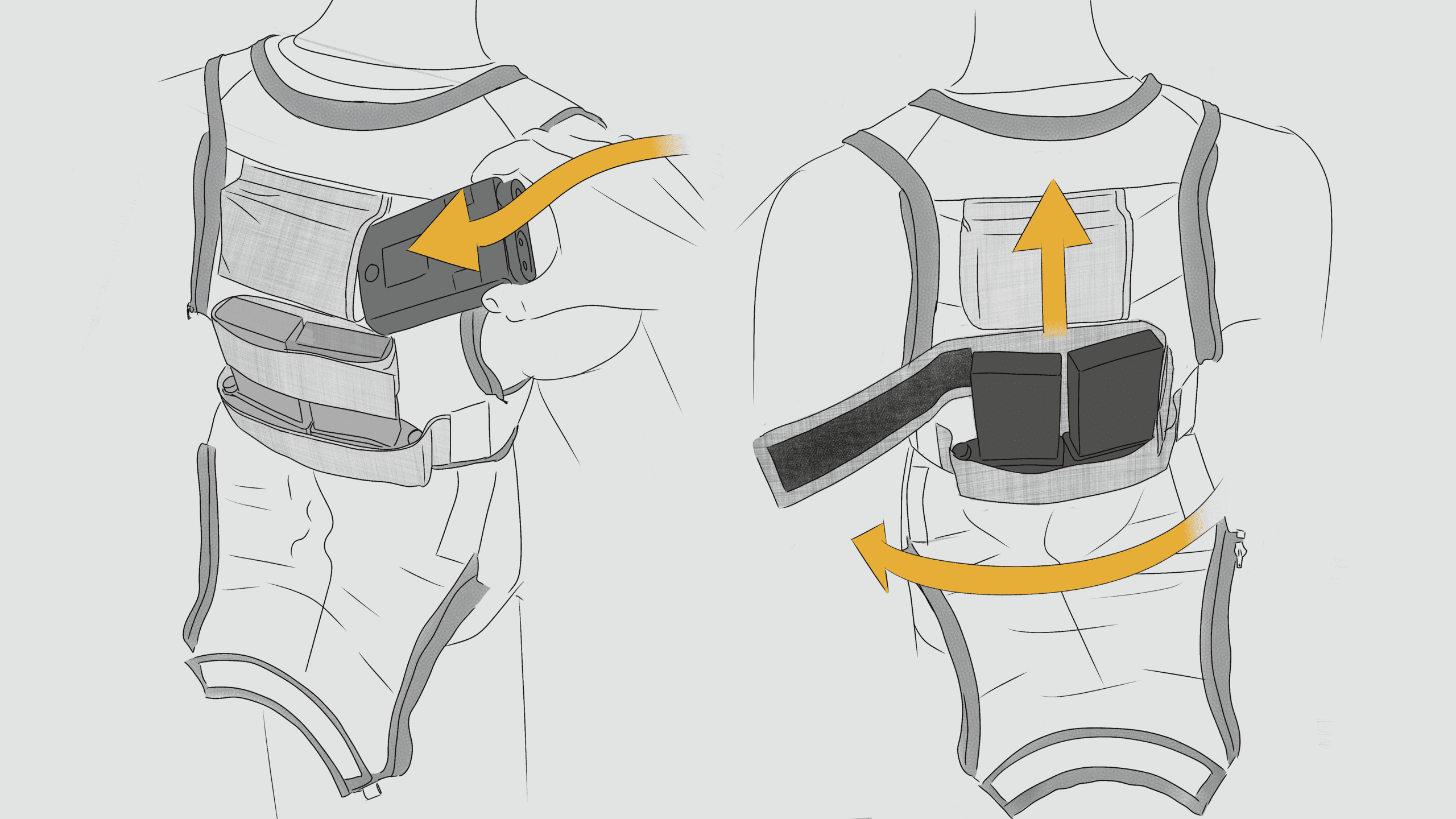
BorgWarner x Product Design
Carhartt x Fashion Design
Henry Ford Health x Product Design
Changing Lives and Staying Sober (C.L.A.S.S.) x Interior Design and Graduate Color & Materials Design
Sometimes, the most powerful moments unfold in the simplest of places. For Mark Allen ’94, Transportation design, it happened in a parking lot—an impromptu conversation with a tough instructor that would send him down a road paved with creative milestones, career-defining decisions, and iconic designs. Before he became known as “Mr. Jeep,” Mark’s journey was one of searching and self-discovery. High school hadn’t been a place where he thrived, and after graduation, he enlisted in the U.S. Air Force. Though it wasn’t a perfect fit, the experience gave him structure, time to reflect, and eventually, the drive to pursue a more creative path. That path led him to an art college in Seattle, where he initially studied product design.
It was there that fate—and a frank professor—intervened. “He was hard on me, really hard,” Mark recalled. But after one class, that same professor stopped him in the parking lot and asked a question that shifted everything: “What do you really want to do?” When Mark admitted he dreamed of becoming a car designer, but didn’t think he had the talent, the instructor didn’t laugh. Instead, he pointed Mark toward schools like ArtCenter or the College for Creative Studies, calling them the “Harvard” of design education. That vote of confidence gave Mark the direction he’d been missing.
During a holiday trip to Detroit with his girlfriend—now wife—he toured CCS. He was both inspired and intimidated by what he saw: students sculpting clay models, producing stunning sketches, and breathing life into automotive visions. Back in Seattle, he poured himself into building a portfolio, and when a CCS admissions rep visited Portland, he took a leap of faith. He was accepted.
In 1990, Mark made the cross-country move to Detroit in a U-Haul, ready to begin the next chapter. At 26 years old and a military veteran, he didn’t exactly fit the mold of a “typical” CCS student. Most of his classmates were fresh out of high school. But Mark brought with him a deep well of life experience, discipline, and hands-on skills that helped him stand out. He was determined not to waste the opportunity. “I wasn’t going to be the one who failed,” he said.
Over time, he found that CCS was the right fit—not just creatively, but personally. He built lasting friendships, honed his abilities, and finally felt like he was on the right path.
At the time, Chrysler was headed for a product renaissance. Mark landed an internship there, and when he graduated, he was the only designer hired into Chrysler’s studios that year. Over time, he contributed to Dodge, Chrysler, Ram, and Jeep projects. Though he initially gravitated toward sleek, fast cars, a visit to the Moab Easter Jeep Safari in 2001 changed everything.
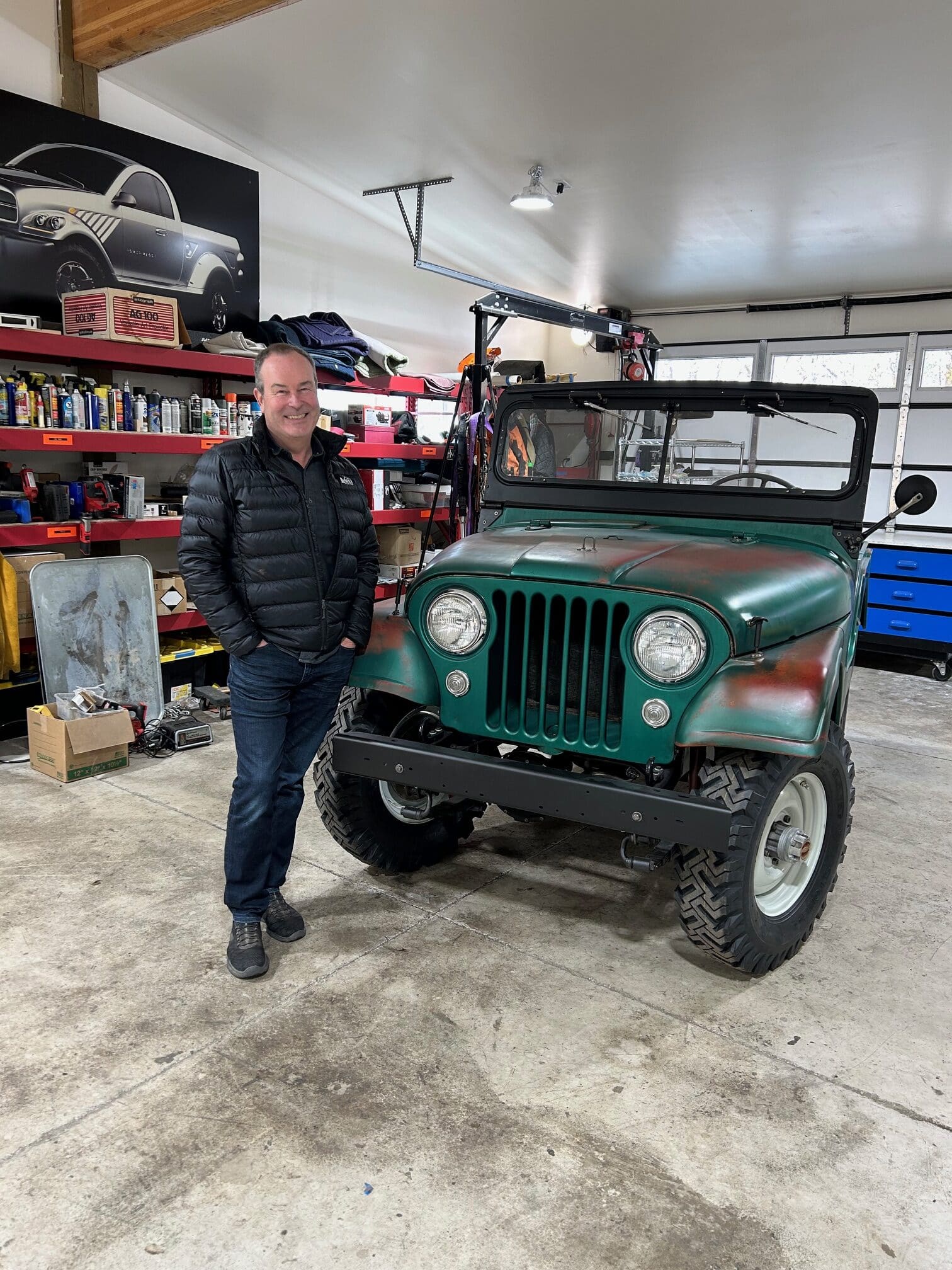
“I came back hooked,” he said. The rugged terrain, the Jeep community, the spirit of off-road adventure—it all clicked. He began focusing more on Jeep design and eventually rose to become its head designer. Under his watch, Jeep evolved dramatically—most notably with the launch of the four-door Wrangler, a vehicle that shifted the brand’s place in everyday life. Once considered a fun, secondary vehicle, Jeep became a primary car for families and adventurers alike. “It was like going from a speedboat to a station wagon,” he joked. Even Mark wasn’t sure the four-door would succeed—but it became a defining success story for the brand.
He also brought a sense of fun and storytelling to design, championing the now-famous Jeep “Easter eggs”—small hidden details designed to delight customers and surprise them long after purchase. One fan-favorite example? A tiny silhouette of a vintage Willys Jeep scaling a hill, hidden in the corner of a Wrangler windshield. “They cost the company nothing,” Mark said, “but they meant everything in terms of connection.” These whimsical features became a hallmark of the brand and a reflection of Mark’s belief that design should have heart and humor.
That blend of story and style showed up even earlier in his career, when Mark designed the 1999 Dodge Power Wagon Concept, unveiled at the North American International Auto Show. Inspired by the original Dodge Power Wagon, it featured a bold, modern design and a Caterpillar turbodiesel engine. Though the concept truck never made it to production, it found an unexpected second life: as a Hot Wheels car. The casting became a collectible, even receiving a tooling update in 2009. For Mark, seeing his design shrink down to fit in the palm of someone’s hand was surreal—and incredibly fun. “It was real, it was tangible, and it was something I could show my kids,” he said.
Mentorship and leadership became natural extensions of his work. Though he didn’t have formal mentors, Mark looked up to industry figures like Tom Gale and sought to emulate their integrity and passion. He believed in strong ideas over flashy sketches and often hired designers based not on polish, but on bold storytelling and conceptual clarity.
After decades at Jeep—and helping shape it into the global brand it is today—Mark retired with deep gratitude for the journey. He speaks with pride about those who came after him, particularly Vince Galante ‘05, who succeeded him at Jeep, and the many young designers he mentored along the way. He still keeps in touch with his former team. The bonds forged in clay studios and design reviews endure, just like the timeless vehicles he helped create.
For Mark Allen, it all started with a conversation. A moment of honesty and encouragement that steered him toward CCS, toward Chrysler, toward a career that would influence an entire generation of design. His story reminds us that creativity isn’t just about talent—it’s about curiosity, courage, and the willingness to chase a dream, even if it takes a couple of U-Hauls and a few thousand miles to get there.
Over the course of the Fall semester, the College for Creative Studies hosted 11 sponsored projects and competitions across a variety of disciplines. Students from a wide range of disciplines partnered with local and global brands to work on a specific project tailored to meet the needs of our industry partners. Sponsored projects are highly conceptual and allow CCS students the opportunity to participate in creative, research-based assignments within real-world design parameters, interacting with designers and staff from the partnering company. Highlighted collaborations during the Fall semester include:
“The most important project that I did at CCS was a sponsored project,” said Hakha Masahyekhi, ’15 Integrated Design (MFA) reflecting on his time here. “It was so valuable to get real feedback from working professionals. That’s something that you never get in school.”
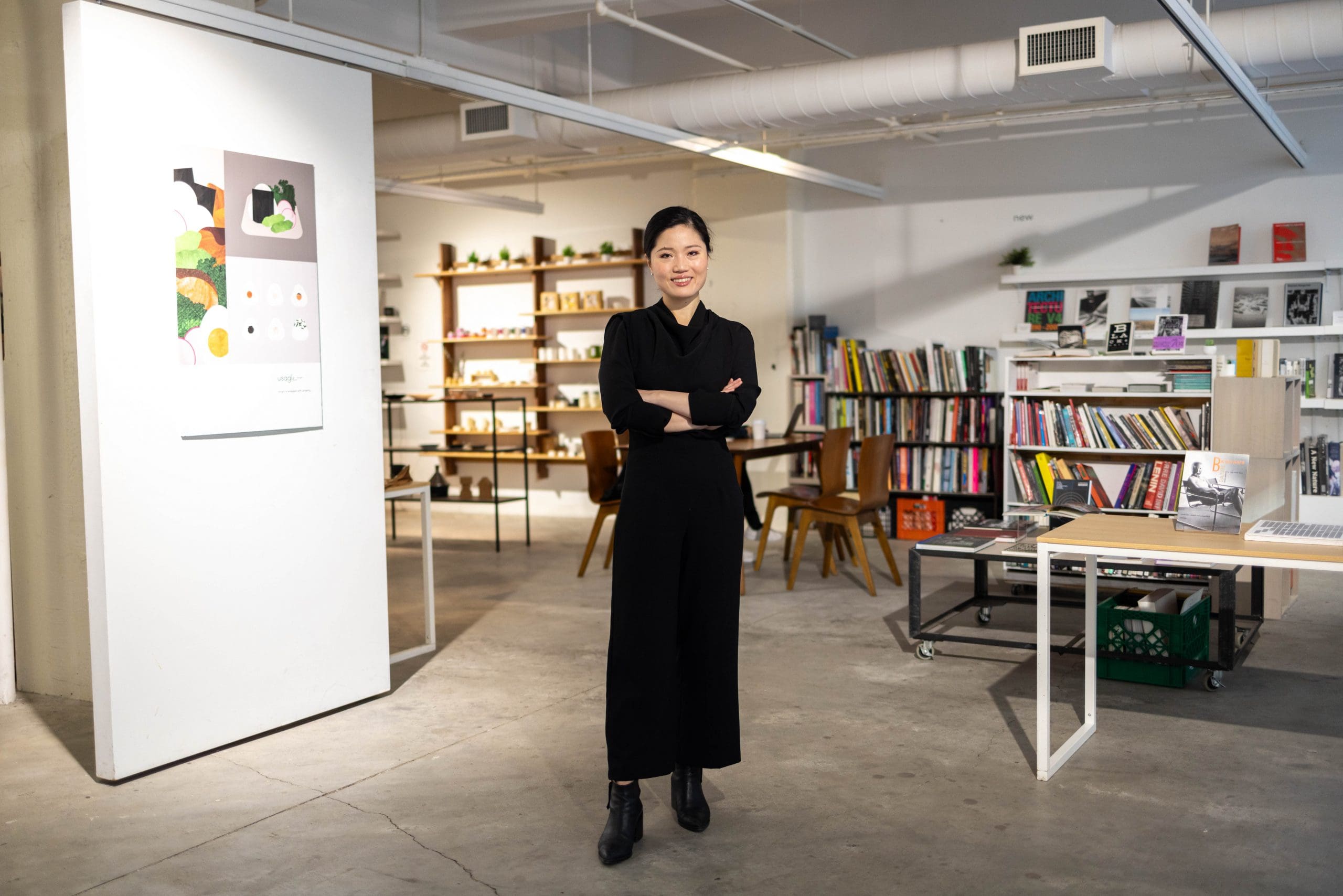
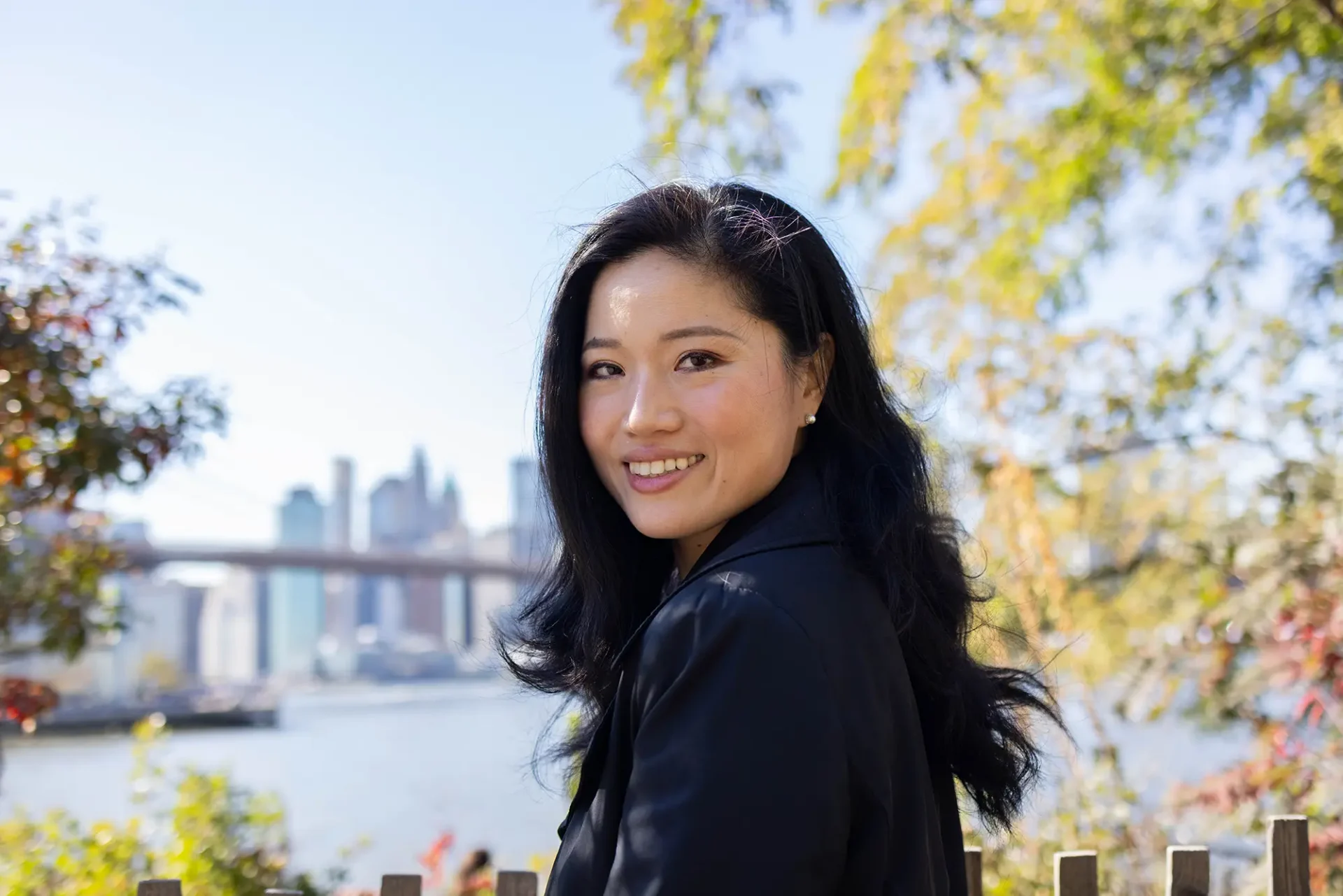
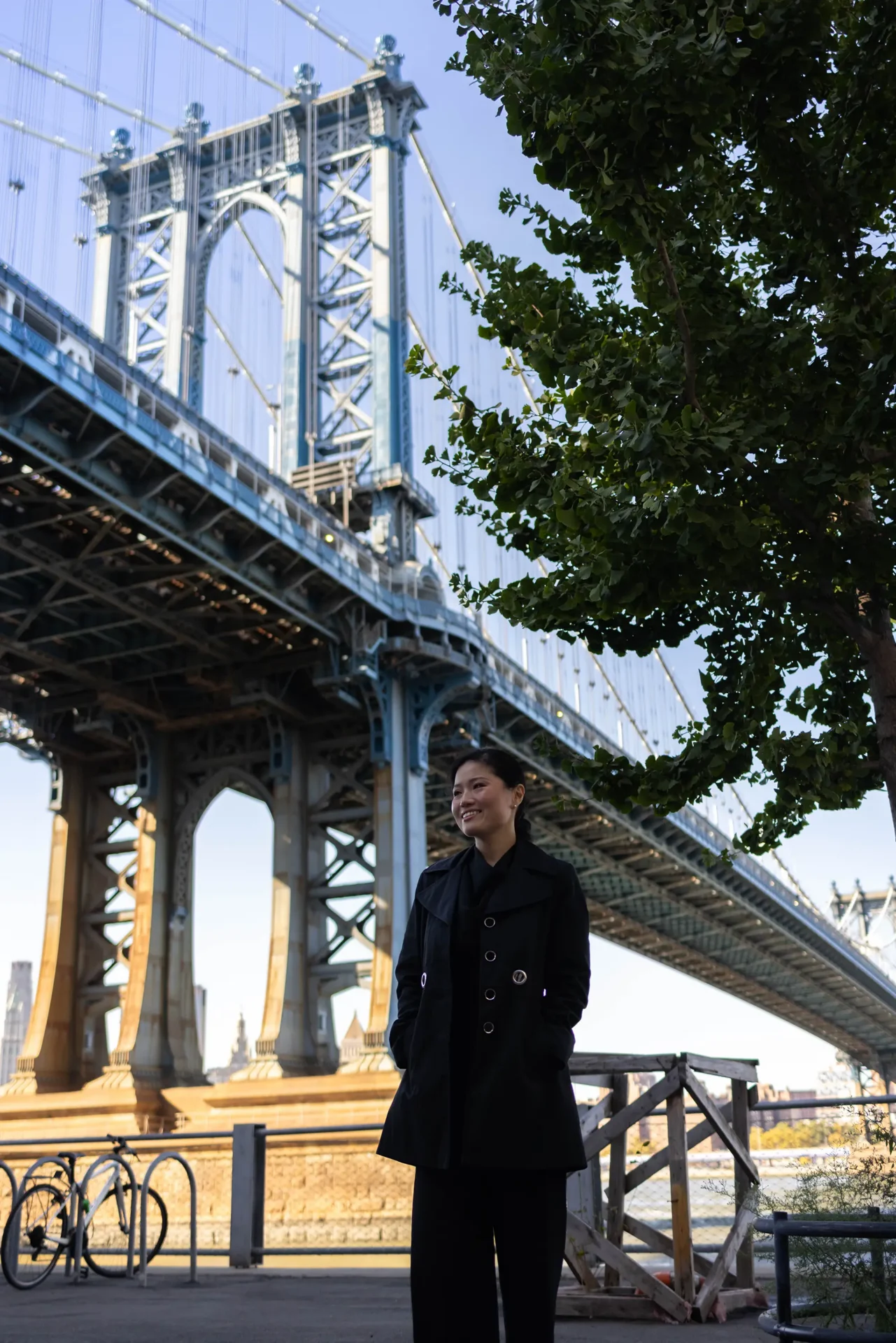
Cara Vitry’s career in automotive design has been full of twists and turns, but each step has shaped her into the designer she is today. Now, as a Regional Bespoke Designer at Rolls-Royce Motor Cars, Vitry uses everything she’s learned to create one-of-a-kind designs that tell her clients’ stories – whether it’s a starlight headliner with a baby’s birth chart or something equally personal and unique.
People have different paths, and they’ll get to their happy place if they listen to their hearts and figure out what they truly enjoy doing. The path might not be easy, but it’ll get you there, I think.
Take us through your career journey. How did you end up working in NYC as a Regional Bespoke Designer at Rolls-Royce Motor Cars?
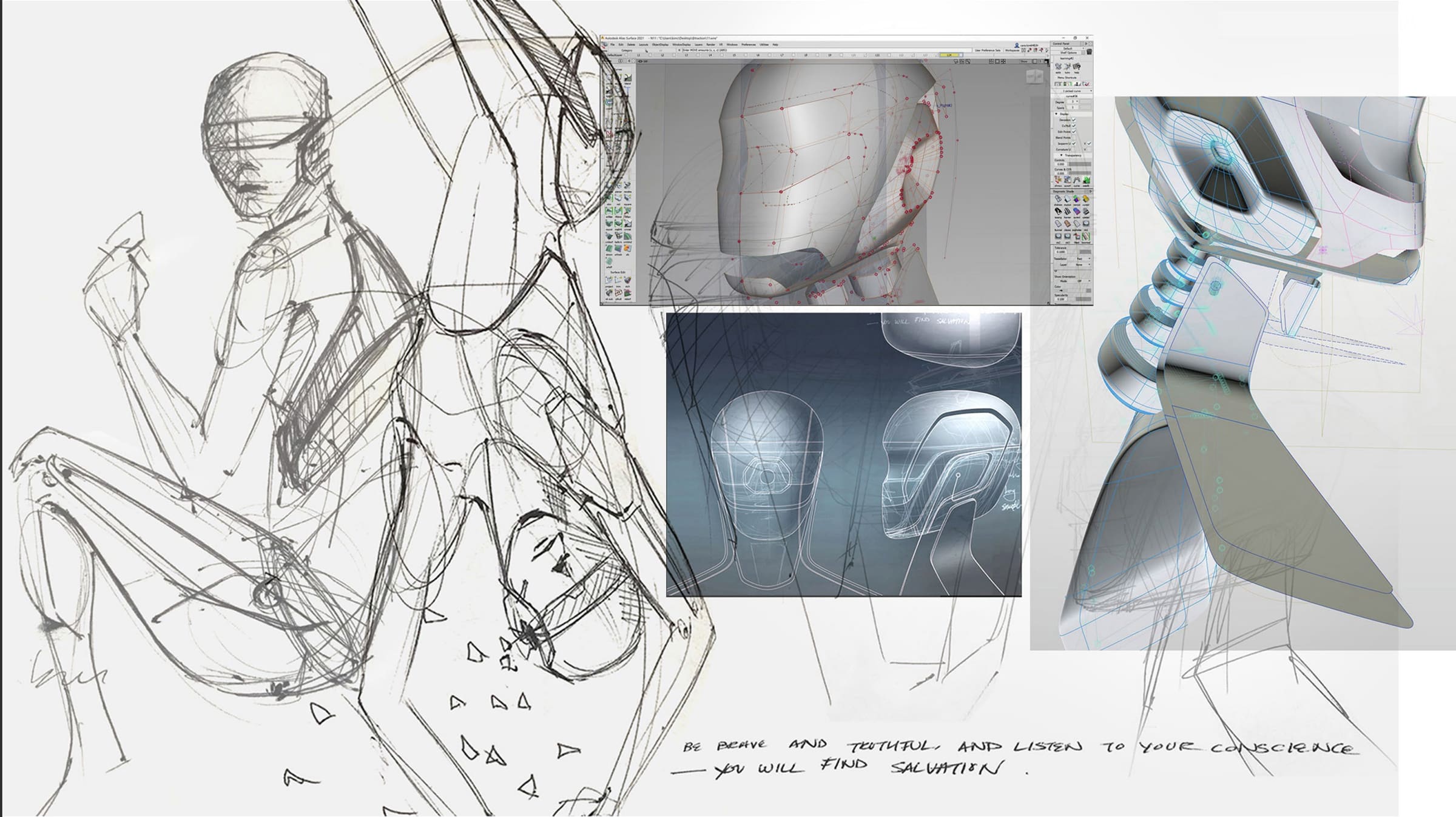
I took many unexpected turns after school. I started my full-time career at General Motors, thinking I’d be doing exterior design. That’s what I focused on for all of my internships and all my sponsored projects. Eventually, I ended up in the interior design studio. About five years later, I left GM to join a start-up EV company, Faraday Future. So that prompted my move out to Los Angeles.
Going to a start-up company from such a big, stable corporate culture was a culture shock. I felt like somebody had just pushed me into the open water to swim.
GM prepared me for the foundations as a designer to know what protocol to follow. Working at Faraday Future, you’ve got to get scrappy and work around the deadlines but also expect changes that are thrown at you. I learned a lot there because that’s when I began to speak outside of the design team to the vendors, more engineer meetings, and actually lead some projects as well. That was really fun and rewarding. After about a year, I was offered an opportunity with Autodesk.
I was the Business Development Executive for the North American car design studios and brought Autodesk solutions to the car design spaces. There, I learned to manage relationships. I was with them for about two years before COVID hit. A big part of my job with them was to travel and visit clients on-site, get to know the pain points and connect them with the product team. There was huge uncertainty and I ended up going back to design, which was a challenge.
I joined another startup EV company in LA as a contract designer when I met my husband, who was living in New York. I left my job and began to work here in the city as a freelancer. But it was very different from LA and Detroit, where we have the car design community. And everybody knows one another. In New York, I had to start all over again. Once we got the COVID vaccines, people started to roll out IDSA events and other events in the local area. It was really a change in my attitude as an introverted person. I put myself out there, and attended every event that I could go to, not just design. I ended up making friends that way.
When you’re a freelancer, your jobs are very inconsistent, some days you’ll be busy, and some days you’re not. I needed something stable or more consistent, so I picked up photography.
In January or December, I literally stood outside of the city hall with my camera offering people free photos to use for my portfolio. I was there Monday through Friday, every single day for months. I put up my website, started this social media account, and the ball was starting to roll. Then I got a call from a headhunter explaining to me this opportunity to work with Rolls-Royce. So I said, why not? I’m up for anything.
Having had those different experiences made me stand out. People have different paths, and they’ll get to their happy place if they listen to their hearts and figure out what they truly enjoy doing. The path might not be easy, but it’ll get you there, I think.
What does it look like to work with a client at Rolls-Royce?
I’ll begin the conversation with clients. I ask them questions to draw out what I call “design guideline assets.” Then I can help them craft a story. For example, we’ve had a client celebrating the birth of their daughter. I asked about the name of their daughter, when she was born, etc. This client went with a starlight headliner on the roof with the birth chart of their daughter the night the daughter was born.
Some clients will even come in with their baby’s footprint. The sky is the limit.
As a designer, I bring in the design skills that I learned from CCS. The College really teaches you how to manage your time, and how to prioritize. Everybody’s so talented. That’s why CCS was special as an art school – because you are just surrounded by other artists, learning from one another.
How do you feel CCS prepared you for your current role at Rolls-Royce?
The way you draw things or understand the foundation or color theories – these things are given to you no matter what schools you go to, right? But at least for my major, time management was a huge thing that we took out of the program.
Then fast forward to now, coming into this role, I had to learn more outside of design, like building and managing relationships and communicating.
When I went to CCS, we had several liberal arts classes required, and there was one class taught by a gentleman by the name of Brian Baker. He was a former car designer, now retired. His class was specifically about the business side of design. He would teach you how to form your elevator pitch, how to interview and how to present yourself. He was so unafraid to draw students out in front of the room and make them introduce themselves. And, you know, half the class was very introverted and shy. He was pushing his students to get out there because that’s what it’s like in the real world.
What would you say to someone who’s interested in going into art and design?
Really ask yourself if you want to do this, because there’s a difference between pursuing something creative as a hobby versus as a way of making your income. It’s very different. You start to develop a different relationship with creativity, too. It becomes a way of life. It’s not just a fun pastime, a hobby to de-stress. It’ll actually stress you.
Do not be afraid of failure. It’s how you fail that matters. Two people can fail at the same thing and one person can do a little introspective thinking on it and figure out what went wrong, and actually turn that into something good and learn from it. Oftentimes, I think a lot of designers are perfectionists, right? Before we even start our work, we get so overwhelmed with the anxiety of perfection. It used to hinder my work a lot. I would spend a lot more time than needed on certain things.
Recognize your working pattern, accept it and try to bring a solution to it. Some people might be better off working at a big company versus running their own business, or as a freelancer, or holding multiple roles. It’s different for everybody.
It’s really about listening to your heart. Because if you don’t follow it, years later, you will regret it. It’ll affect your mental health, your relationships. At the end of the day, you want to live a happy life, right? And we go to art and design school to be happy.
“Don’t be afraid of failure before even starting. What you learn from it and how you overcome it will lead you to where you want to be.”
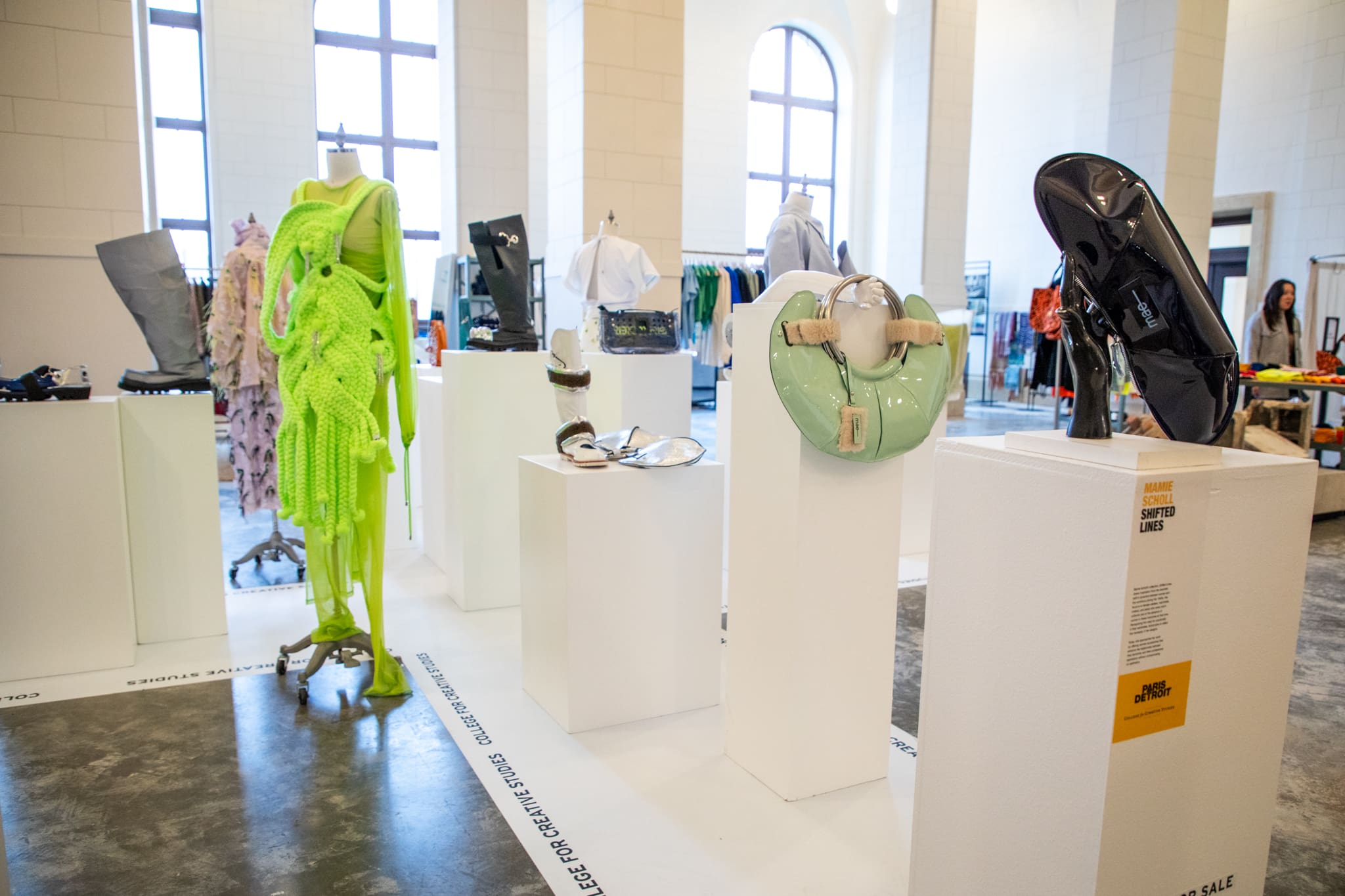
The College for Creative Studies (CCS) was honored to participate in the launch of new retail experiences at Michigan Central Station, aimed at supporting Detroit businesses and celebrating local talent.
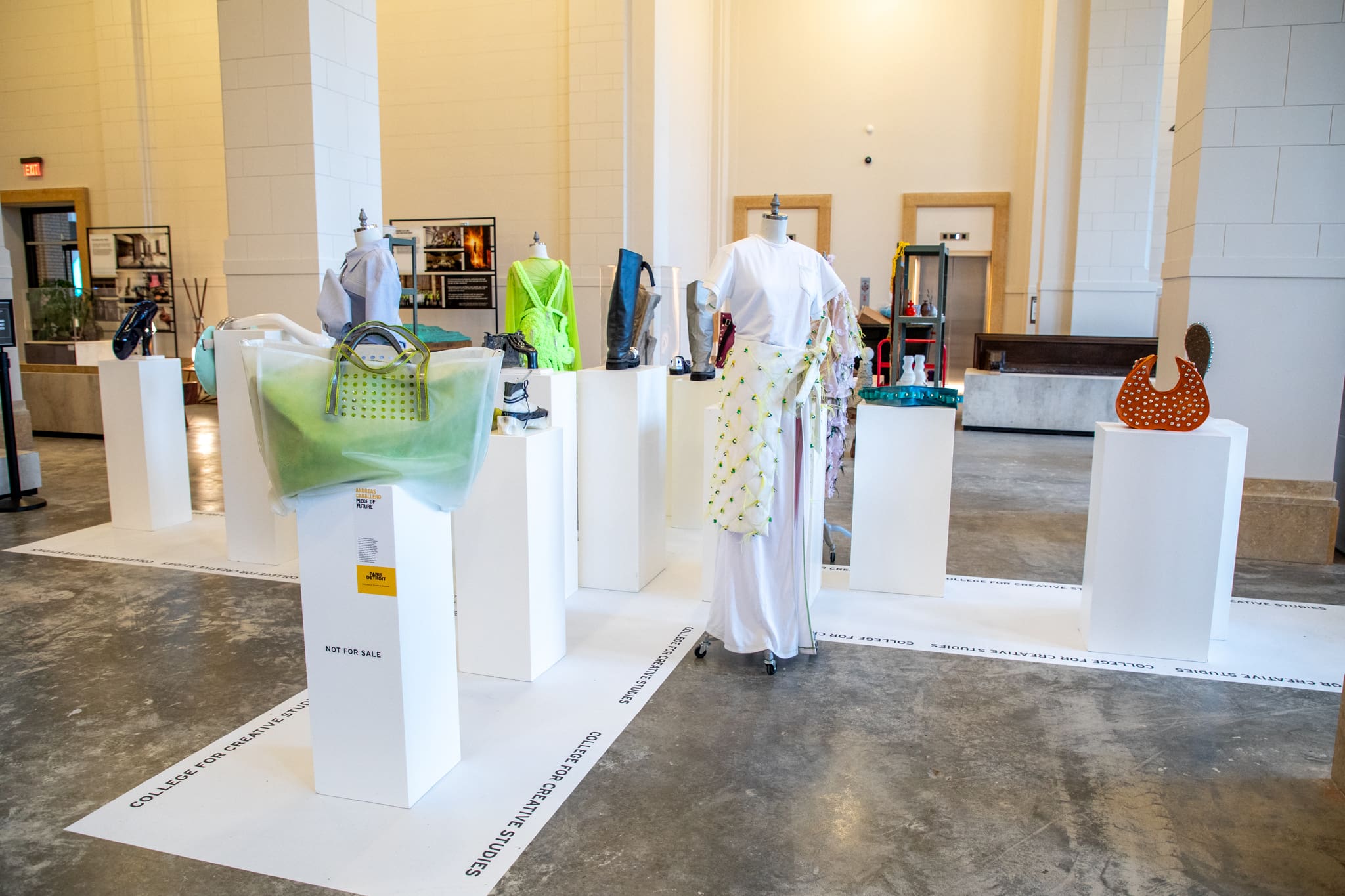
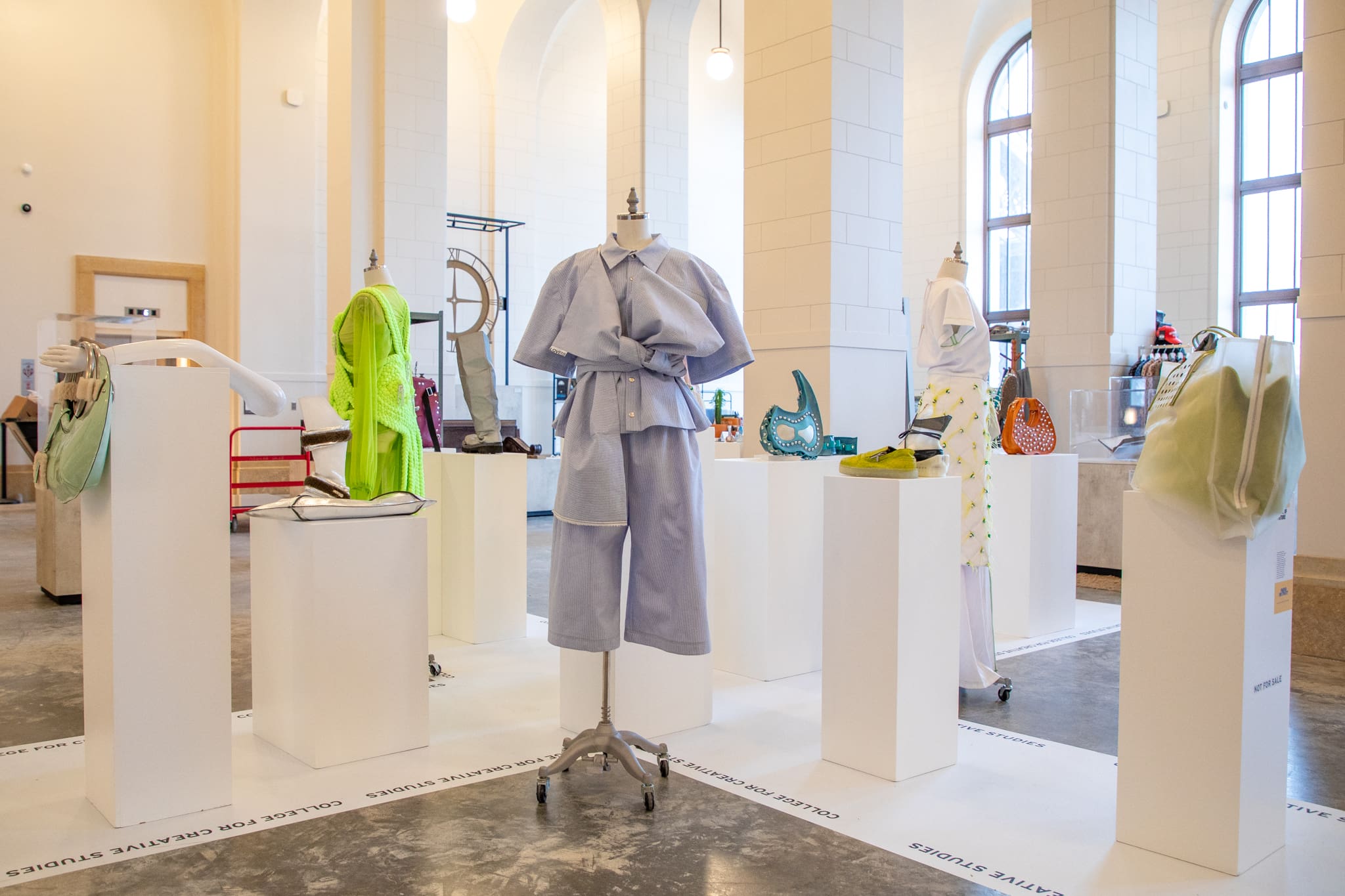
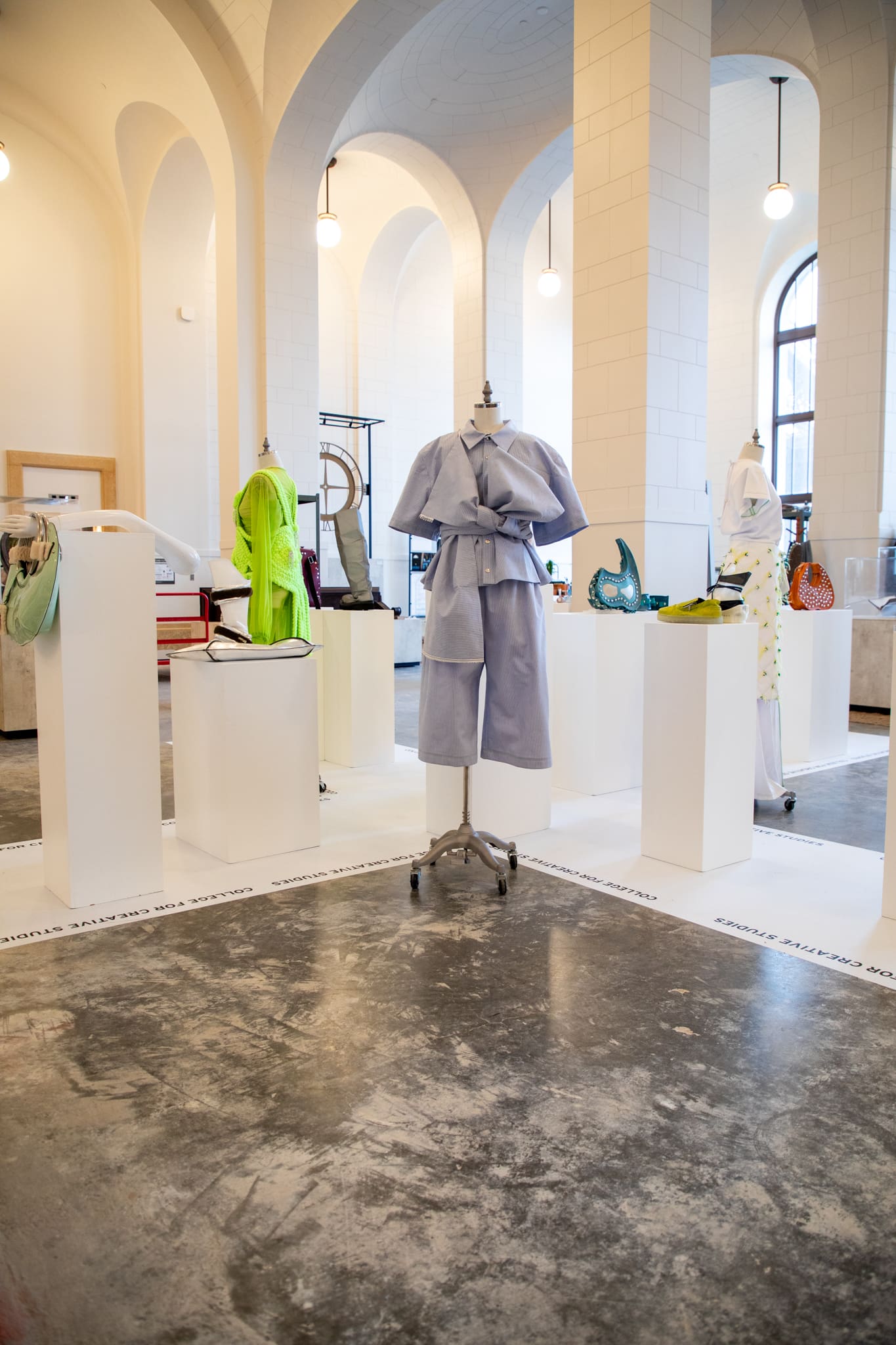
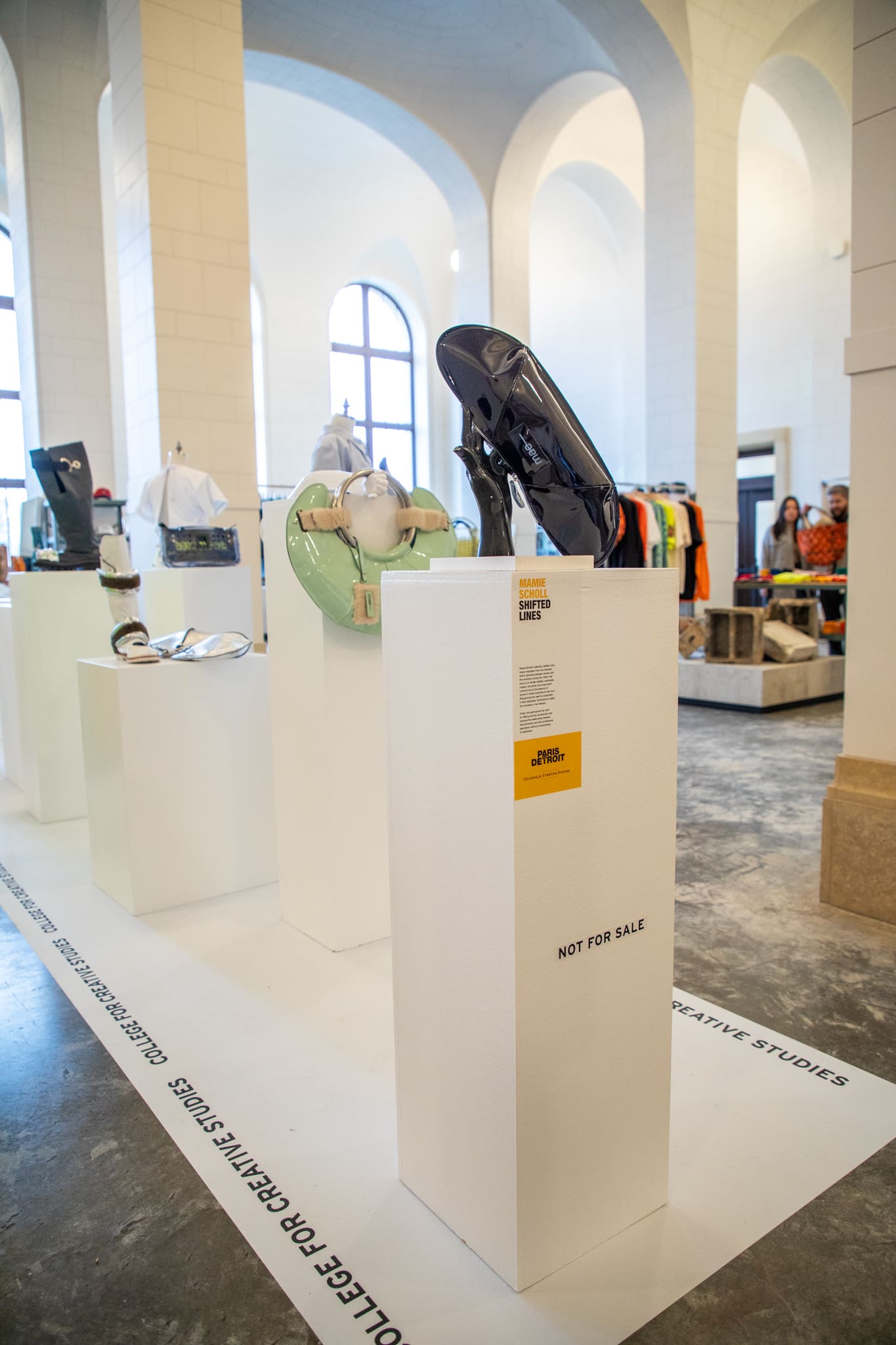
As part of Détroit Marché, an experiential retail space created in collaboration with Michigan Central Retail, Trading Post, and Gonzo World, the Fashion Design department at CCS installed an exhibition featuring alumni work previously showcased at Paris Fashion Week. Each piece, handcrafted by our students in Detroit, reflects the CCS Fashion program’s commitment to craftsmanship and meticulous attention to detail. Featured designers include Cierra Headings, Clay Barckholtz, Ana Bosnjakovski, Mamie Scholl, Dafne Kanberoglu and Andreas Caballero.
Located in the historic restaurant area of The Station, the Marché features over 25 vendors, including CCS alumni and students. A thoughtfully curated selection of local goods includes accessories, art, apothecary, home goods, furniture, apparel and more.
The Station is open to the public for shopping from 10 a.m. to 5 p.m., Tuesday through Friday, through December 28.