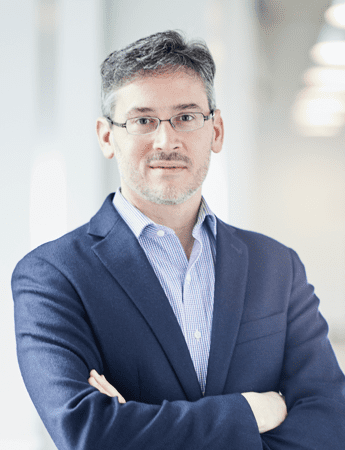
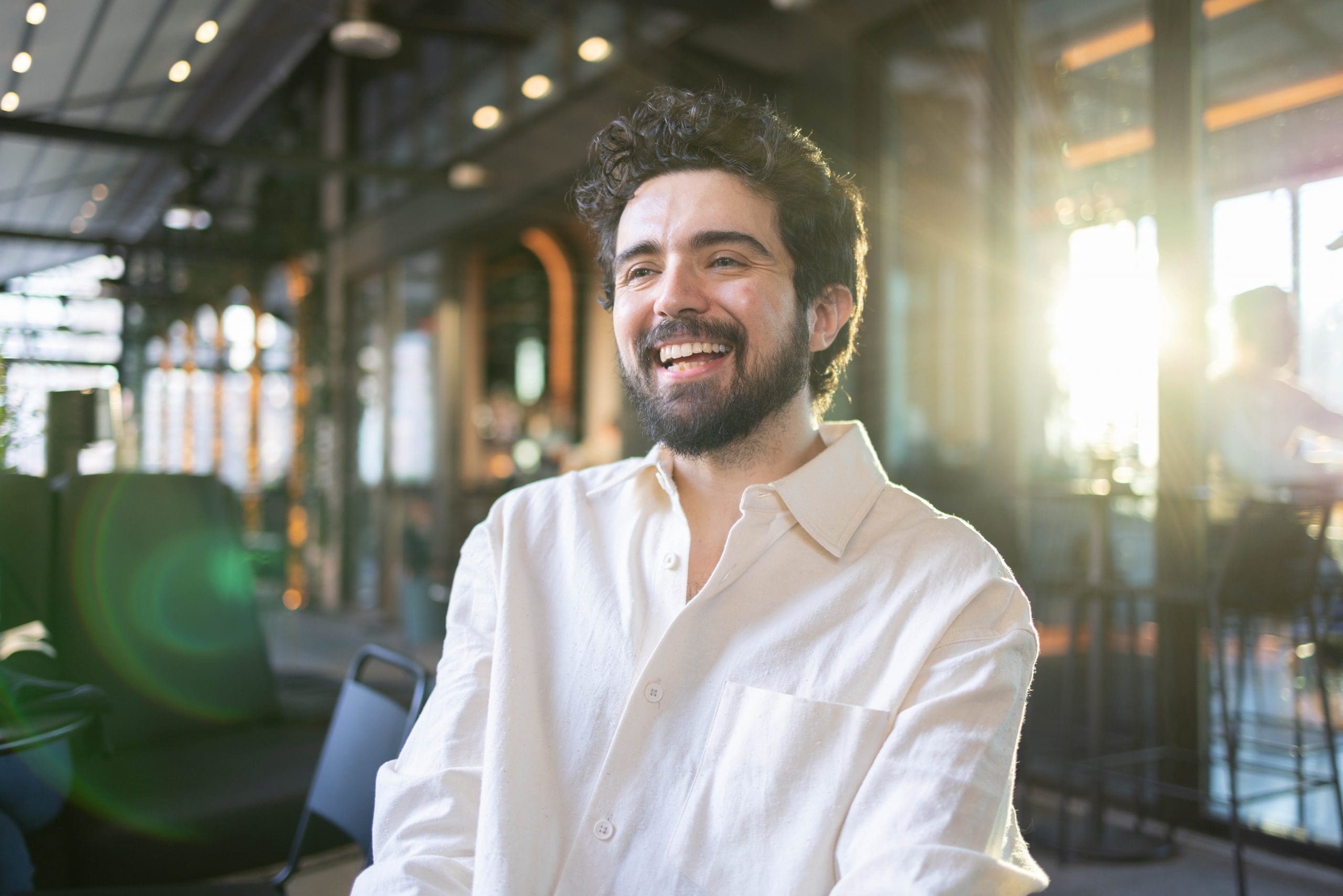
Hakha Mashayekhi’s path to becoming Director of Product Design at Max is a story of bold pivots, creative growth and a passion for leading future designers.

Starting his journey in industrial design, he found the process enriching but too slow for his taste. Seeking faster-paced, user-centered work, Hakha transitioned to digital product design, where ideas can come to life almost instantly. At CCS, he immersed himself in Integrated Design – a field blending interaction design, business strategy and technology – and discovered his passion for UX design. From working on impactful projects for high-profile brands to nurturing young creatives on his team, Hakha finds his purpose in creating experiences that bring people joy and pushing his skills in a dynamic, fast-evolving field.

The Interview

“One of the joys of my work is when people talk about HBO and Max. I cannot take credit for the actual content, but I have a good feeling when people are happy on Sunday night, you know.” –Hakha Mashayekhi

Did you always know you wanted to go into UX Design?

For my undergrad, I studied Industrial Design, and I worked as a physical product designer for a year. It was very cool, but it was not a perfect match for me because I’m not patient. Industrial design is amazing, but it has a slow process. From when you design something until the moment that you see it in the hands of customers, it could be a year if you’re lucky.

But with digital product design, UX/UI, you can have an idea, and within two hours, you can have an experience available. That’s the main reason I decided to come to CCS.

What does it feel like when you see a product that you worked on coming to life, in the hands or in the homes of everyday users?

It feels really good. One of the joys of my work is when people talk about HBO and Max. I cannot take credit for the actual content, but I have a good feeling when people are happy on Sunday night, you know.

The funny thing is, it hasn’t been like this forever. I have been an in-house designer for five years now. Before that, I was in the consulting and agency world. When you’re a consultant, you just come in, fix the problem and move on. You never have the joy of seeing the product that you’ve created in the hands of a customer. That was actually the main reason that I left the consultancy and agency world and went in-house.

Learn More about CCS’s Programs →
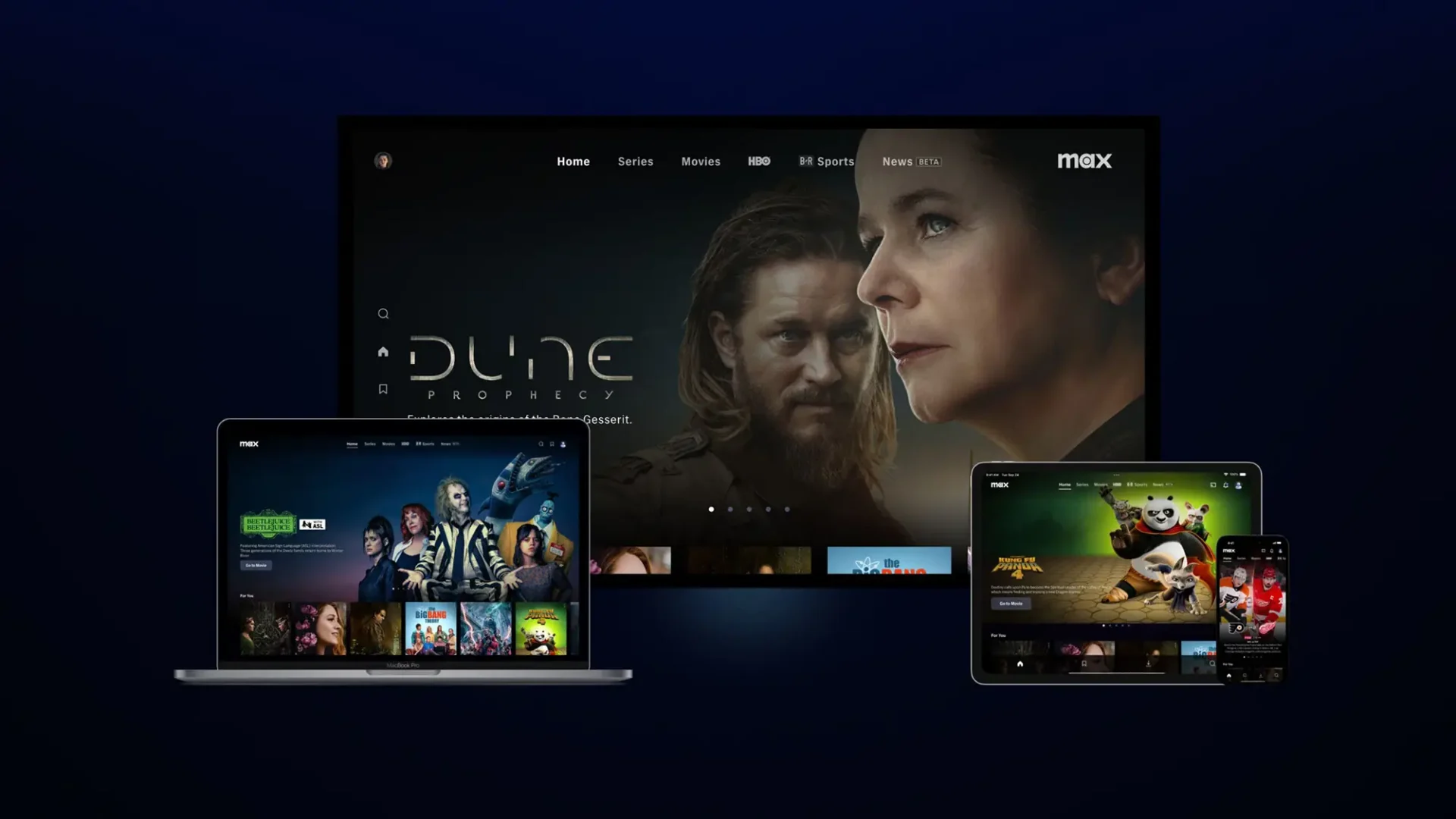
A laptop, ipad, iphone and TV mockup showing the HBO max interface

What do you love most about your job?

My answer now is different compared to two years ago, three years ago.

Three years ago, I was an individual contributor – I was basically a designer. At that time, my only joy was the project I was doing, and if it was a high-impact/high-profile project I was enjoying it, but if it was a very small feature, it was so boring, you know.

So I decided to change my career direction to become a people manager. That was a switch in my entire mindset. Now I’m enjoying my new responsibilities and delivering good work.

I have this designer on my team, who first started out at Max as a project manager, and one day, he said, “Can I be a designer?” We then spent six months training him, making sure he understood design thinking and design tools. We sent him to a bunch of courses and conferences. After that six months, we transitioned him to a product design role. Now, he’s a product designer – and he’s amazing.

These are talented people. I need to be there to support them, be a mentor for them and make sure they have a path to grow. And they are killing it.

Is that something that you’re interested in, nurturing a young creative and helping the next generation?

A part of me is always curious about college, like, “What’s going on? What’s the coolest thing? How are they doing their projects?” Especially now with AI, I’m very curious about how these students are figuring out ways to use AI in their day-to-day work to deliver their projects because they always come up with awesome, original ideas. I’m just curious to see what’s going on at CCS, what’s the coolest, latest thing. The students’ final projects are very inspiring. Especially for a master’s degree, it’s a super passionate project for them, so they go above and beyond. You get to see very cool research, very cool ideas, very cool execution, and awesome prototypes. I’m always surprised when I go to those—whether it’s interviews or thesis advising. I’m definitely into that.

What do you miss most about CCS?

The things I’m missing most about CCS are the things that I didn’t know the value of when I was there.

When I was there it was so intense, you know. There were a lot of projects, and the Chair of our department was so precise about everything, we couldn’t deliver a half-assed project. Everything had to be perfect.

One of the things that I didn’t really enjoy [during that time] was making connections, not only with the students, but with the professors that we had there. There were a lot of great people in different majors, different groups, and now, it’s a regret that I didn’t connect with them. I didn’t use my time to build relationships with them.

If I could go back to that time, I think I would try to balance my time in a way that I could free up time to build more connections.

How do you feel CCS prepared you for your career?

To be honest, Maria Luisa was very specific and she had a lot of experience with real projects. She always was looking through the lens of a professional, not a teacher.

The most important project that I did at CCS was a sponsored project. It was so valuable to get real feedback from working professionals. That’s something that you never get in school. The combination of Maria Luisa and the sponsored projects were the key.

Learn More about CCS’s Programs →
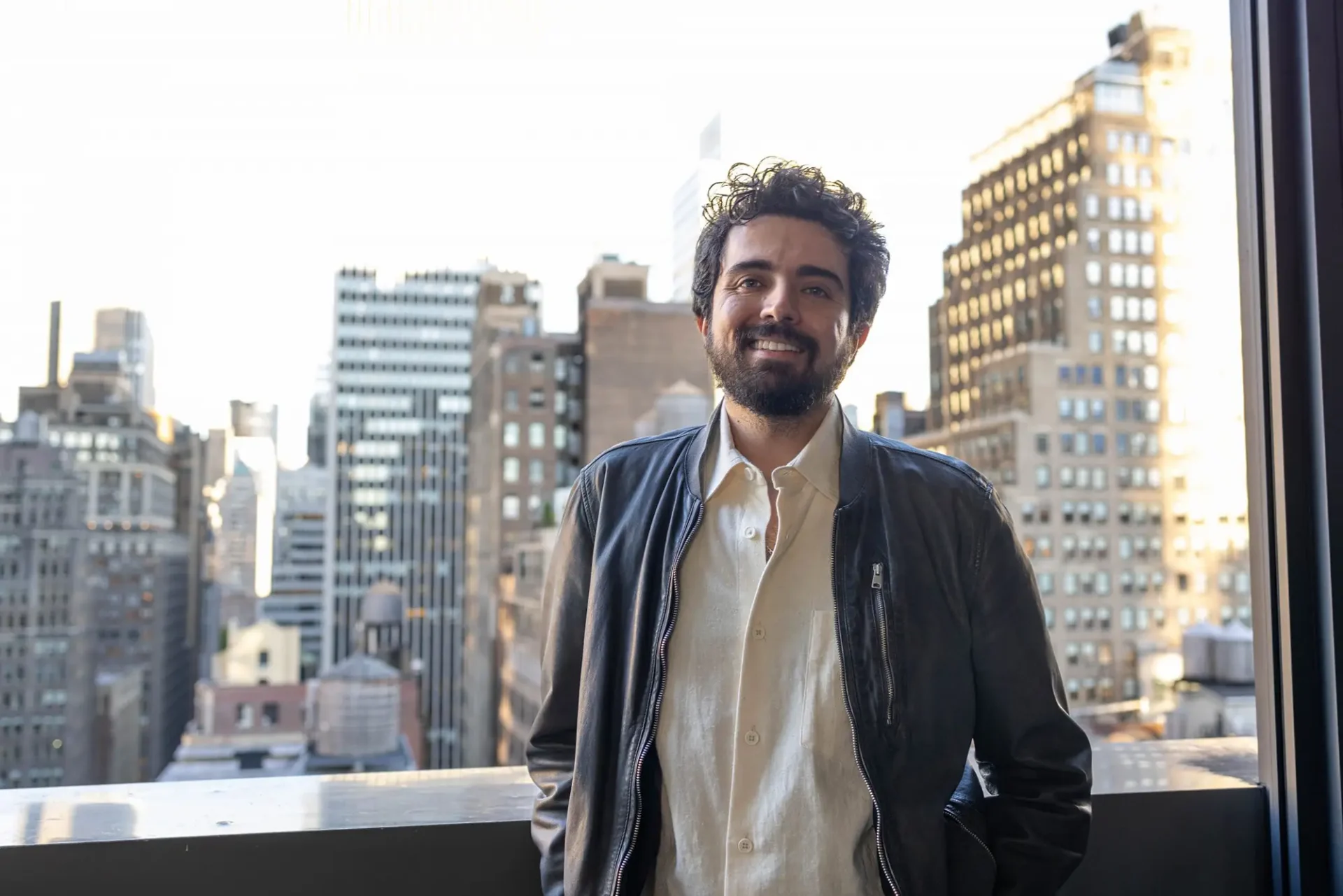
Hakha smiling in front of a window of the city

Growing up in an automotive-heavy family in Michigan, Kristine Lipinski had zero interest in following in their footsteps. It wasn’t until the unexpected intersection of two of her passions – design and rugby – that her path changed. After graduating from the College for Creative Studies (CCS), she moved to France and eventually began working for the world-renowned car manufacturer Renault. An opportunity to attend a French bilingual school as a child would foreshadow her unique connection to France and jump-start an incredible career and life across the pond.

How did you end up here in Paris?

I’m from Michigan, born and raised, and grew up in Royal Oak and Sterling Heights. I had an opportunity as a child to attend a bilingual French school, but was not receptive to that idea at the time. Then at CCS, there was an opportunity to participate in an exchange program to study abroad, but I did not pursue that direction. Little did I know, the opportunity to move to France would come up again later.

I have a double life. Other than design, I play rugby. And it just so happened that I started playing for the Detroit City side team and met my now ex-husband. He had been living in Detroit for a couple years and wanted to move back. So French culture started looking for me, it’s weird. And I thought alright, this is like the third or fourth time that France has been calling me, maybe I should listen. So I did, we moved, and about nine months after I got here, I had a job offer from a concept car company called D3. I don’t know if you know how to say “D” and “3” in French … de trois.

Sometimes when destiny calls, you go, OK? I have to go to Paris to work at a company called De Trois that does concept cars.

I showed up here, like really, everything fell into place. It was perfect.

“Sometimes when destiny calls, you go, OK? I have to go to Paris to work at a company called De Trois that does concept cars.”

Did you always know that you wanted to be a designer, or is that something that you found out later in life?

I had the excellent opportunity in high school to have an amazing art teacher, Pete Long. He was the best. He pushed us to really explore boundaries.

Growing up, my mother was in finance and my dad built homes. So I come from a very technical family, and me being artistic was kind of like just a hobby. So I studied science, thinking there was no path forward in art. Well, I realized at one point, I didn’t want to wear a lab coat the rest of my life. So I did some foundry studies at Central Michigan and I called that high school art teacher one day, and I said, “I want to go to art school.” He said, “Finally.” He actually helped me put together my portfolio with everything that I had done, even stuff from high school, and I got accepted. And it was thanks to him.

What does a day in your life look like?

A lot more meetings than I anticipated in design school. That’s the fortunate and unfortunate parts of this career. There is a lot of corporate and administrative involvement, a lot of politics, a lot of compromising with purchasing, with engineering, administration. Even though we may have the best and greatest design ideas, we have to also convince other people who are not as “design-sensitive,” we’ll say. So we have to find ways in order to communicate our intentions. So the communication of design and color and trim is extremely important.

What does it feel like to see your work come to life?

Fantastic.

The first project you see on the road or in real life is really humbling and exciting at the same time. It gets kind of addictive, I guess, because you really want to keep doing it. You want to make it better, and the next one better. So I think that once you get that opportunity to have something in production and you get to see it, it’s really, really a good feeling.

What do you love most about your job?

Innovation. We’re constantly trying to improve things, trying to find new ideas, find new materials that improve different industries. Because even though I do work in automotive design, I actually worked more in transportation previously, in my design company that I was in when I first started here. I did private jets and concept cars and other automotive projects. It was interesting because of all of the different elements, I love to work on the materials that make things better. Not necessarily just always pretty, but pushing the limits and trying to find just better options altogether.

How do you feel CCS prepared you for your career?

Primarily what CCS has prepared me for, to be very honest, is the ability to give and receive constructive criticism. I was lucky to have really good teachers. I think that giving us constructive criticism, especially in my classes at the time, was really beneficial to accept the fact that you may not always have the best work or you can do better. It’s not like taking a test in math where nobody sees your results except you and the teacher. Everyone sees your results, and everyone has an opinion. It was a good way to be able to understand how to take that criticism in a positive and constructive way.

If you could go back in time and talk to your younger self, what would you say?

In a weird way, I want to say nothing because I am where I am today because of everything that happened, and decisions I’ve made.

I want to say just let it go, just go with the flow. Don’t stress about the little things.

Keep exploring. I would have told myself to keep trying new things.

That’s the advice I would give me … just follow what interests you.

What would you say to either parents or students who are apprehensive about a career in art and design?

I think the creative industry today is in huge demand. If your child has a knack for this type of thing and they feel comfortable in it, and they feel confident in it, then you should let them do it. I think that if your child obviously has an interest in it and does well, and you can tell that they have something that gives them that spark, that that’s the indicator that you need to let them do it. I think that’s actually what my parents kind of accepted. I think they knew that this is something that I really enjoyed and that I was good at. So they said, “Alright, let’s see what happens,” and here I am.

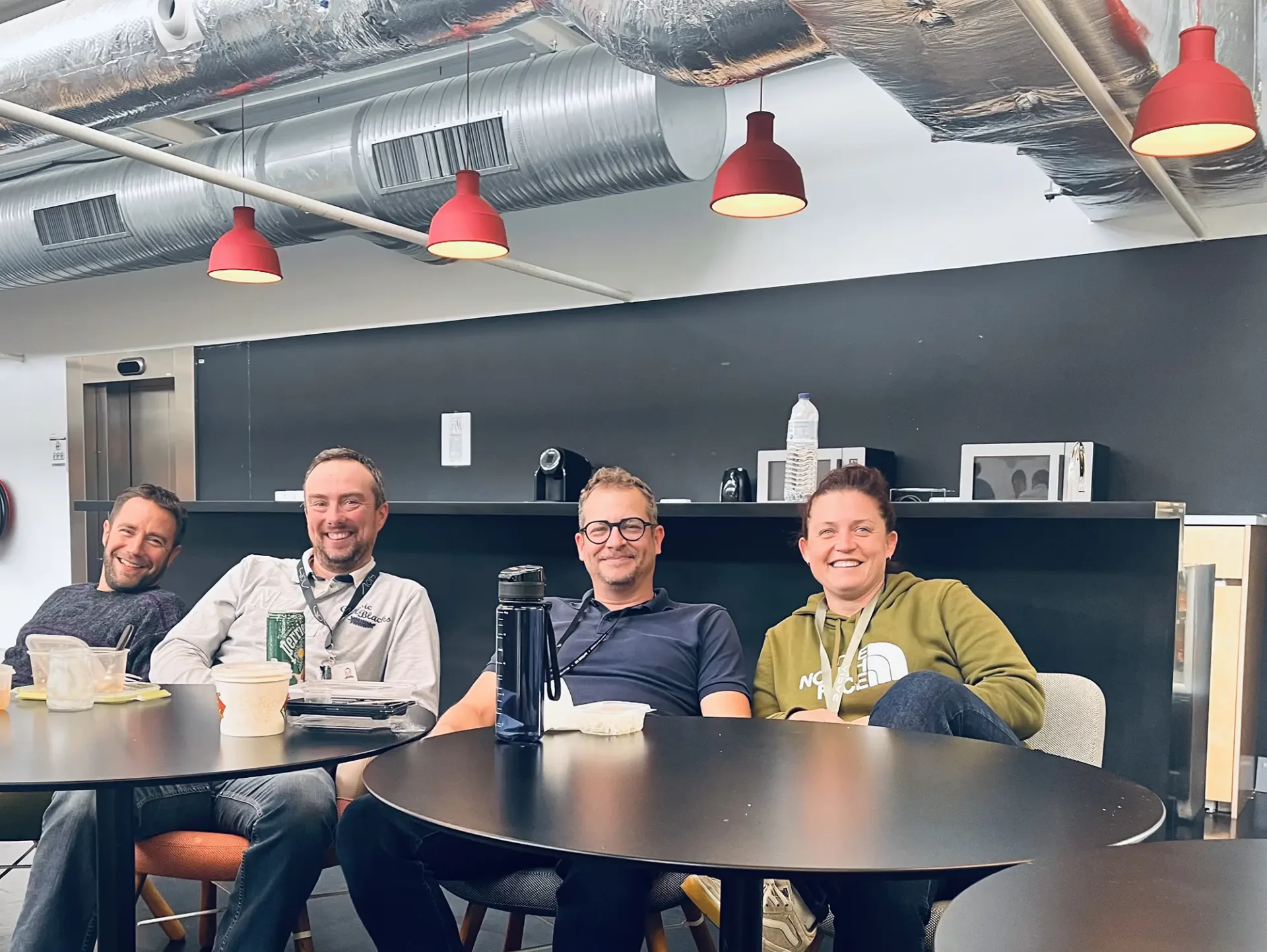
Kristine Lipinski with coworkers at Renault sitting behind a round black table

“I am working now at Renault with four of the guys that I started with at that company, they’re now working with me. So we just took a picture together, it was funny, because we’re like, ‘Oh, 19 years ago, we walked in the same room, the same time together.’”

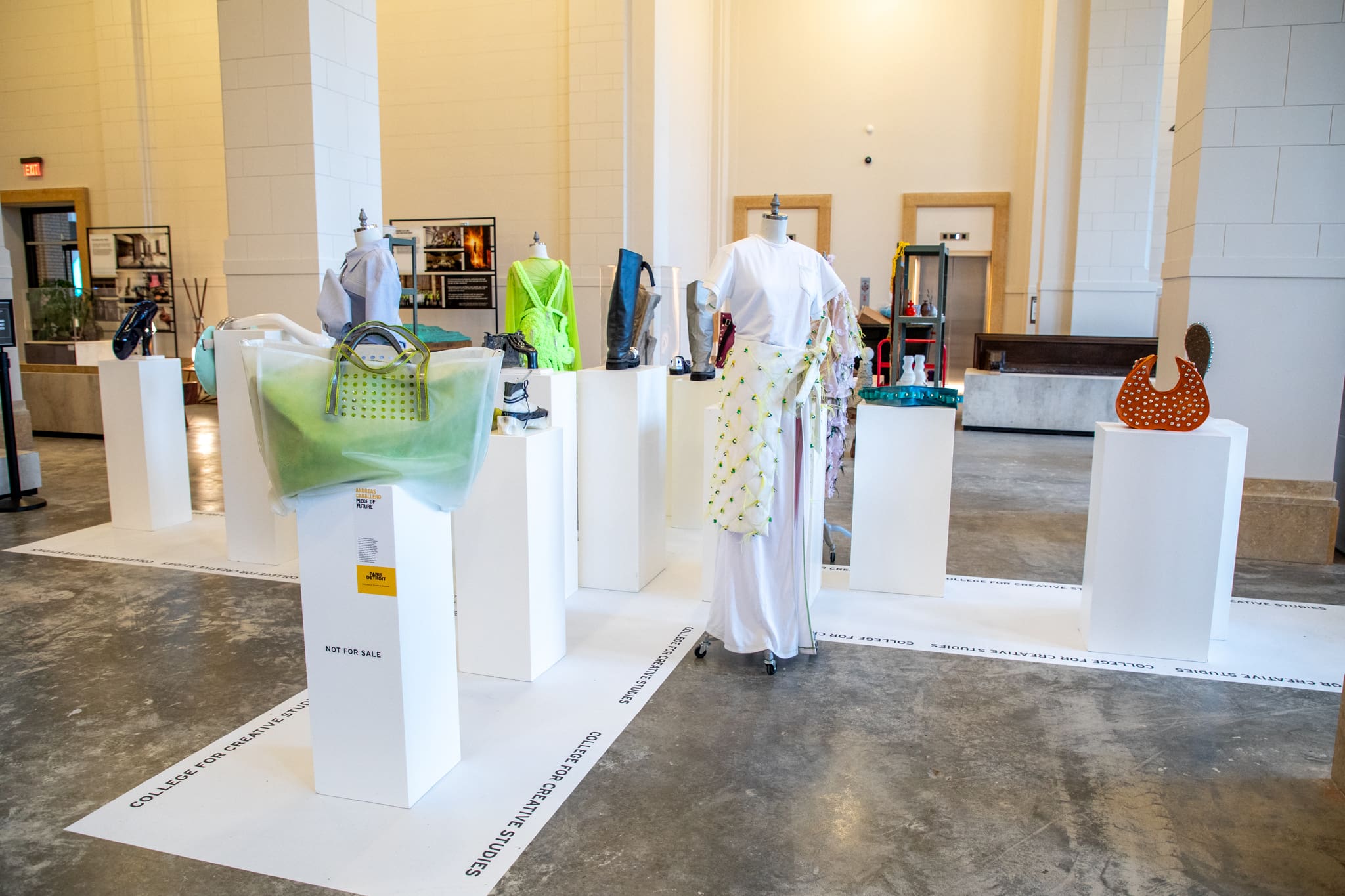
The College for Creative Studies (CCS) was honored to participate in the launch of new retail experiences at Michigan Central Station, aimed at supporting Detroit businesses and celebrating local talent.

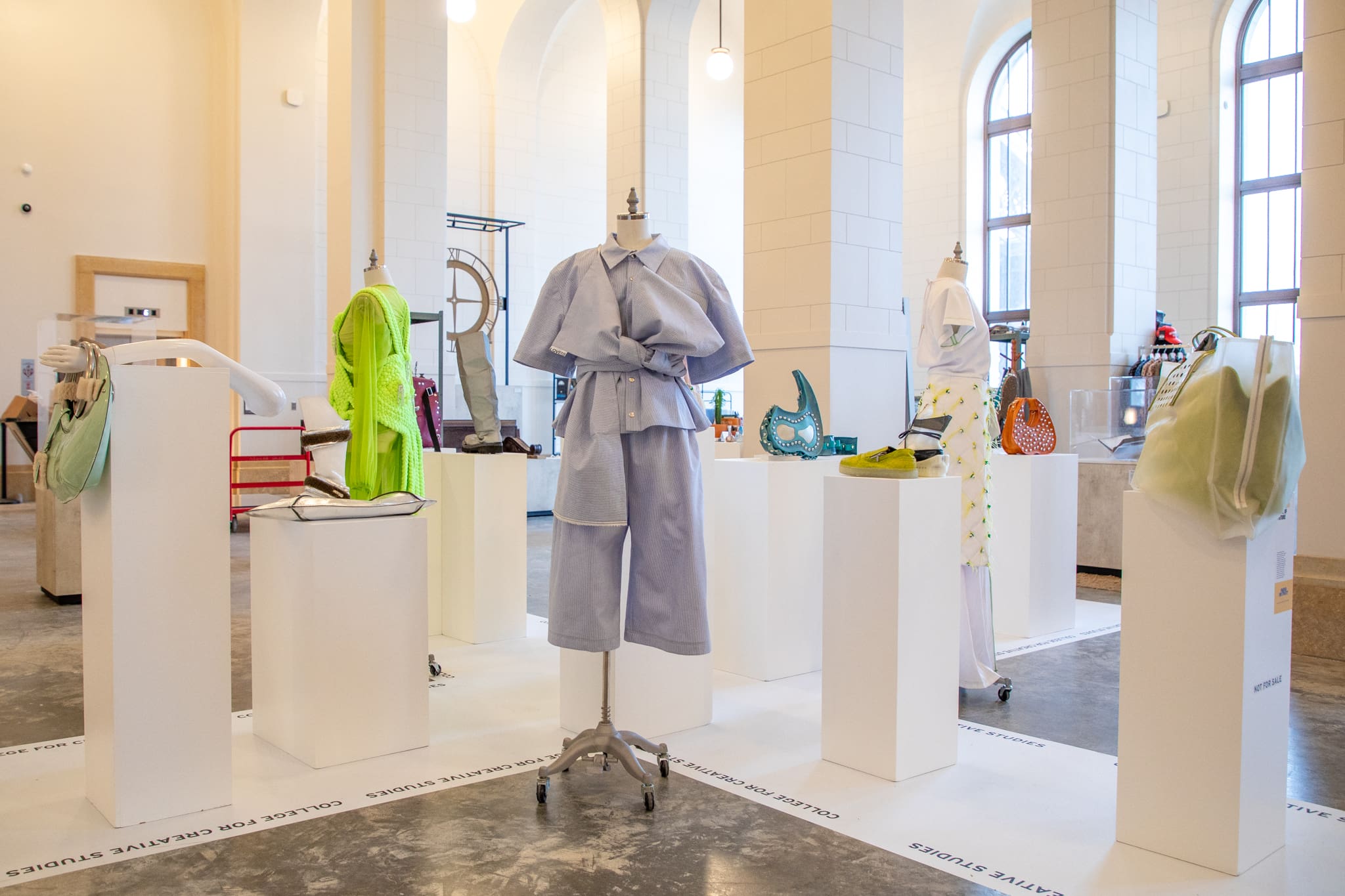
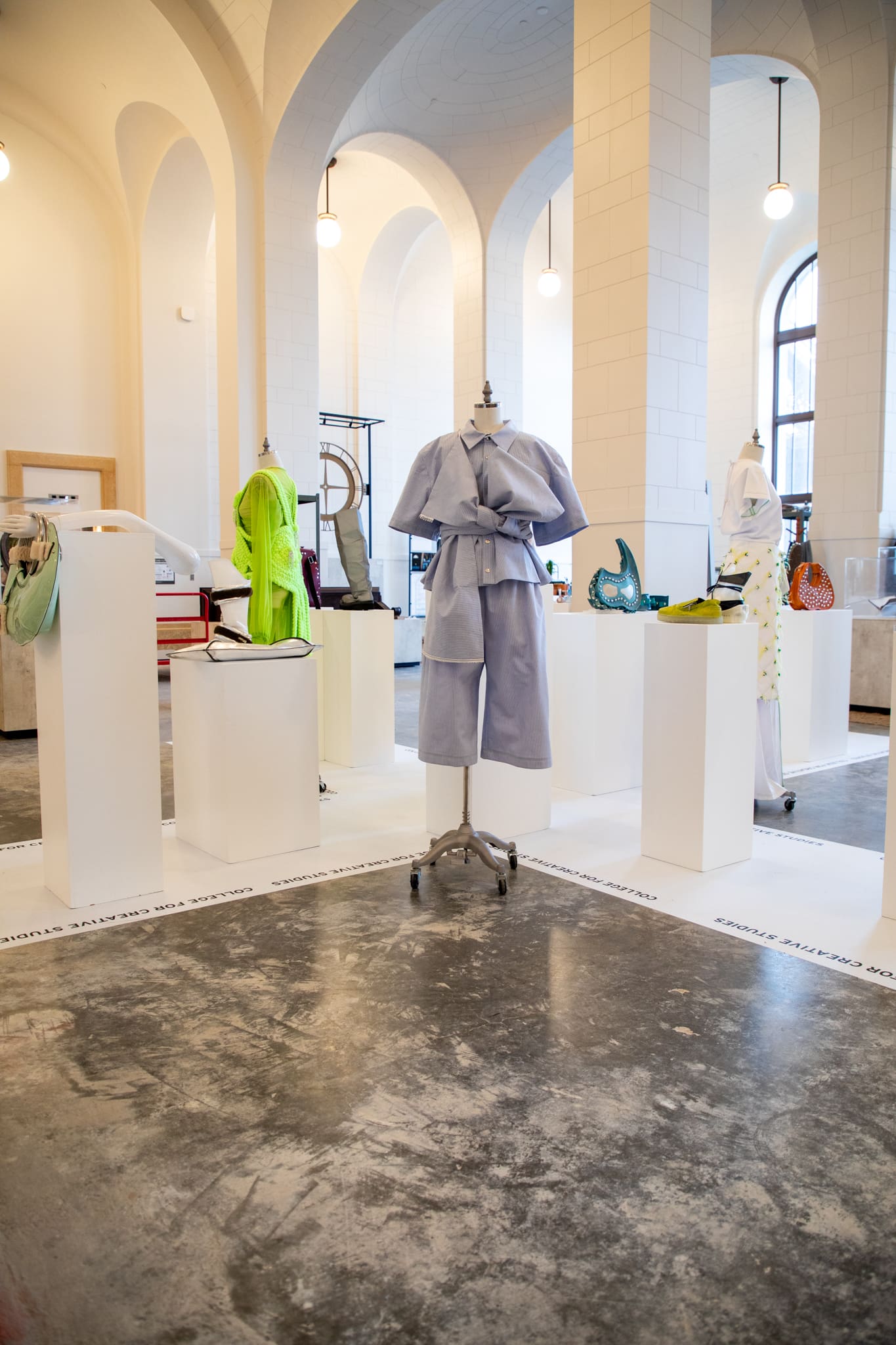
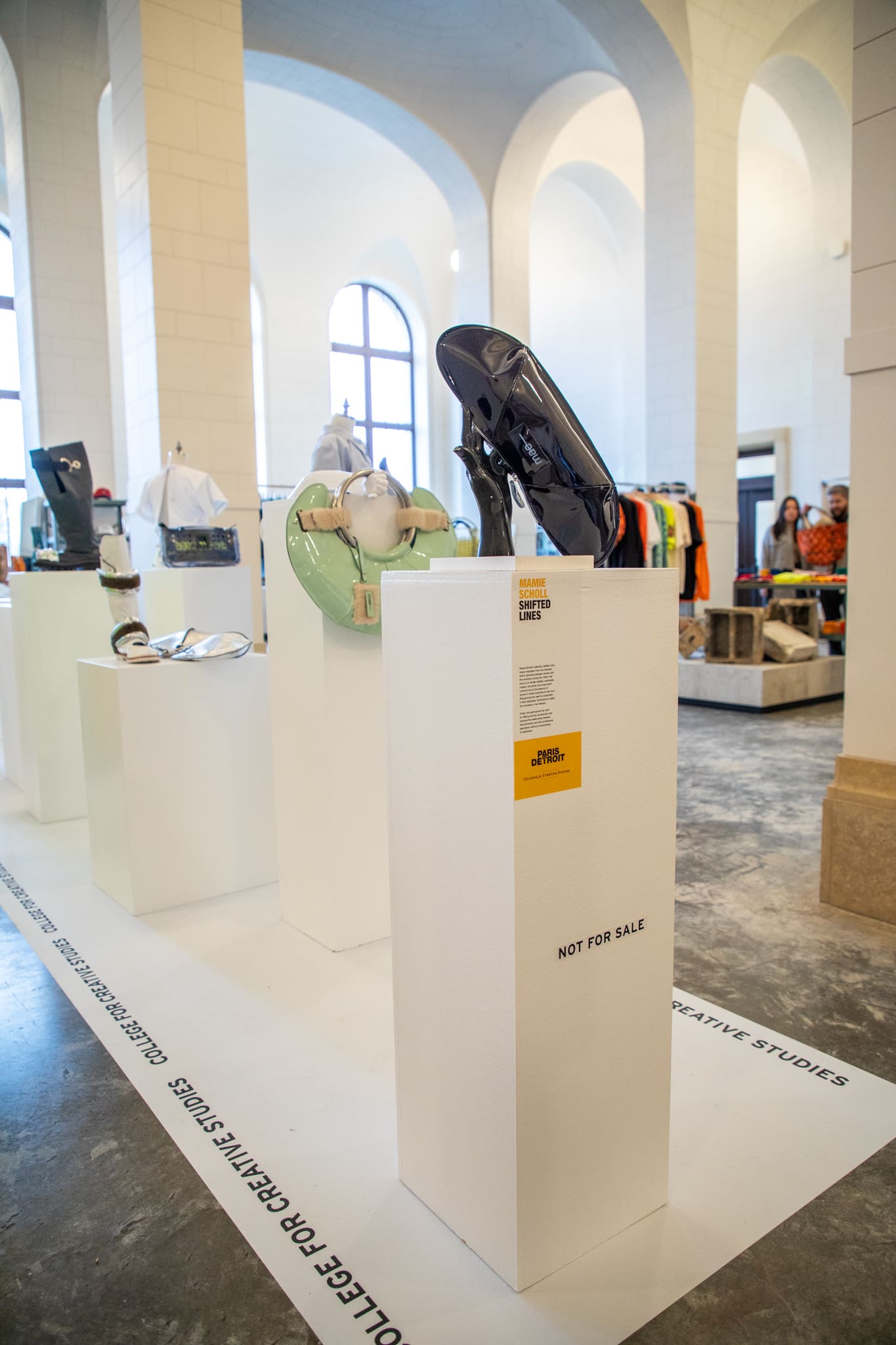
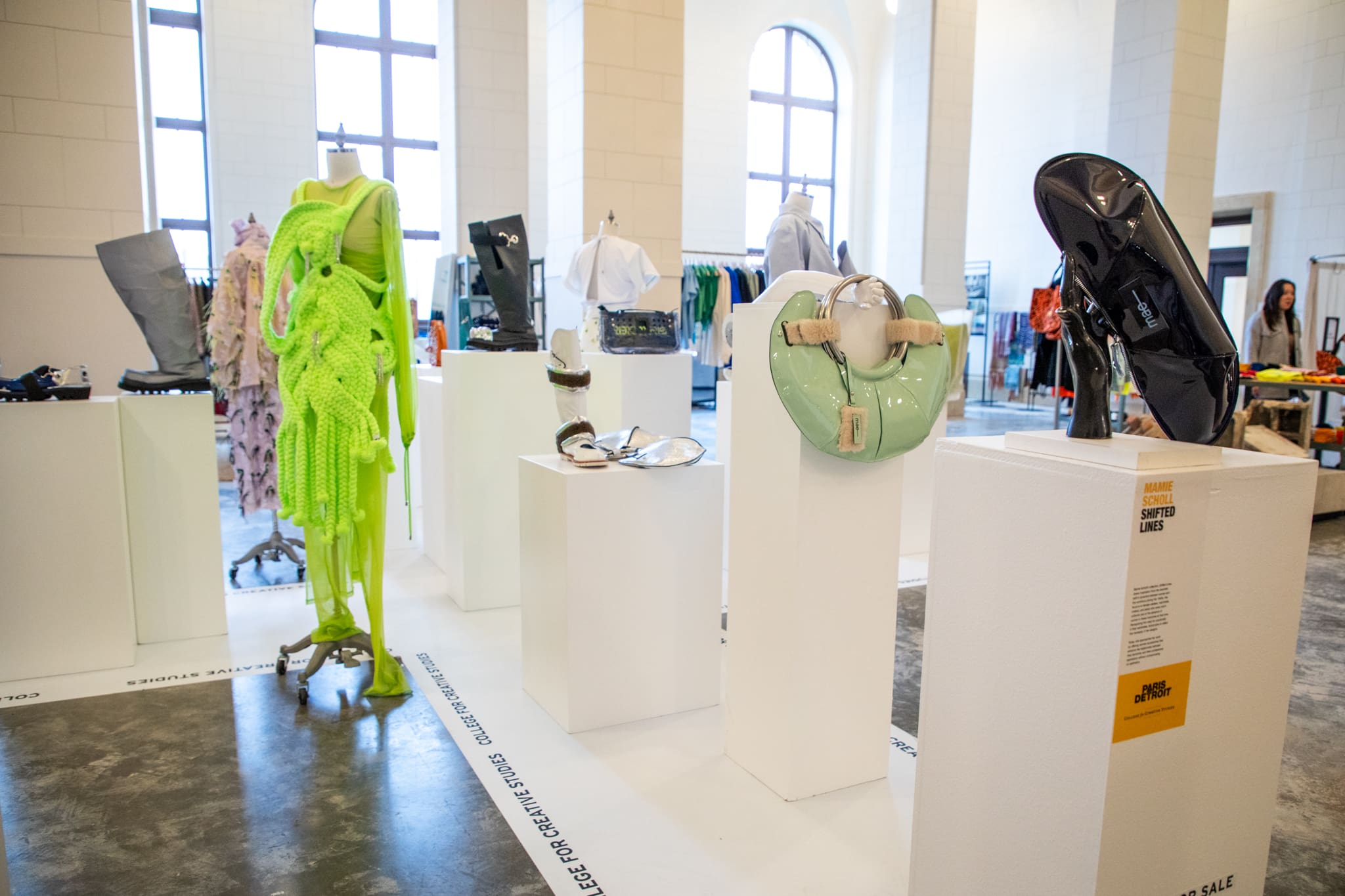
As part of Détroit Marché, an experiential retail space created in collaboration with Michigan Central Retail, Trading Post, and Gonzo World, the Fashion Design department at CCS installed an exhibition featuring alumni work previously showcased at Paris Fashion Week. Each piece, handcrafted by our students in Detroit, reflects the CCS Fashion program’s commitment to craftsmanship and meticulous attention to detail. Featured designers include Cierra Headings, Clay Barckholtz, Ana Bosnjakovski, Mamie Scholl, Dafne Kanberoglu and Andreas Caballero.

Located in the historic restaurant area of The Station, the Marché features over 25 vendors, including CCS alumni and students. A thoughtfully curated selection of local goods includes accessories, art, apothecary, home goods, furniture, apparel and more.

The Station is open to the public for shopping from 10 a.m. to 5 p.m., Tuesday through Friday, through December 28.

Alumni & Student Work for Sale:

  • All Sorrows – Sean Peacock (‘22 Illustration)
  • Alorē Niemi – Alorē Niemi (‘21 Fashion Accessories Design)
  • Detroit GT – Christopher Gorski (’93 Graphic Communications)
  • Detroit Kid – K’Kio Hardin (’01 Graphic Communication)
  • Emillie Yonker – Emilie Yonker (‘25 Studio Art & Craft)
  • Jesse Kassel – Jesse Kassel (’10 Illustration)
  • Kieran Betz – Kieran Betz (‘25 Studio Art & Craft)
  • Lausten Found – Javier Terrones (’23 Transportation Design)
  • Levon Kafafian – Levon Kafafian (’14 Crafts – Fiber Design)
  • Northport Workshop – Edward Foley (‘96 Photography)

College for Creative Studies is one of 471 colleges and universities recognized for outstanding efforts to increase nonpartisan student voter participation in the 2024 election.

CCS has been recognized by the ALL IN Campus Democracy Challenge (ALL IN) as a 2024 ALL IN Most Engaged Campus for College Student Voting. The ALL IN Most Engaged Campuses for College Student Voting recognizes colleges and universities for outstanding efforts to increase nonpartisan student voter participation. CCS joins a group of 471 colleges and universities recognized by ALL IN for completing four core actions:

  1. Participating in the ALL IN Campus Democracy Challenge
  2. Sharing 2022 NSLVE Reports with campus voting data with ALL IN
  3. Developing and submitting a 2024 democratic engagement action plan with ALL IN
  4. Having a current signatory to ALL IN’s Higher Education Presidents’ Commitment to Full Student Voter Participation.

“The research is clear: colleges and universities that make intentional efforts to increase nonpartisan democratic engagement have higher campus voter registration and voter turnout rates. This year we saw more colleges than ever before step up their efforts to ensure that their students were registered and ready to make their voices heard at the ballot box,” said Jennifer Domagal-Goldman, Executive Director of the ALL IN Campus Democracy Challenge. “These Most Engaged Campuses are setting the standard for nonpartisan civic engagement work for colleges and universities across the country.”

The ALL IN Campus Democracy Challenge empowers colleges and universities to achieve excellence in nonpartisan student democratic engagement. Campuses that join the ALL IN Campus Democracy Challenge complete a set of action items, with the support of ALL IN staff, to institutionalize nonpartisan civic learning and voter participation on their campus. The ALL IN Campus Democracy Challenge currently engages 10.8 million students from more than 1,075 institutions in all 50 states and the District of Columbia. Campuses can join the ALL IN Challenge here.

ABOUT ALL IN Campus Democracy Challenge: ALL IN Campus Democracy Challenge (ALL IN) empowers colleges and universities to achieve excellence in nonpartisan student democratic engagement. Through an intentionally-designed program that provides structure, support, and recognition, ALL IN works to improve civic learning, political engagement, and voter participation on more than 1,075 campuses nationwide. ALL IN believes higher education should play a role in developing an active and informed citizenry by educating students, motivating them to engage in American democracy, and instilling the value of lifelong participation. ALL IN is an initiative of Civic Nation, a 501(c)(3) nonprofit. Learn more here.

ABOUT Civic Nation: Civic Nation is a nonprofit ecosystem for high-impact organizing and education initiatives working to build a more inclusive and equitable America. Civic Nation shifts culture, systems, and policy by bringing together individuals, grassroots organizers, industry leaders, and influencers to tackle some of our nation’s most pressing social challenges. Civic Nation is home to seven national initiatives and campaigns: ALL IN Campus Democracy Challenge, Change Collective, It’s On Us, Save On Clean Energy, SAVE On Student Debt, We The Action, and When We All Vote. Learn more here.

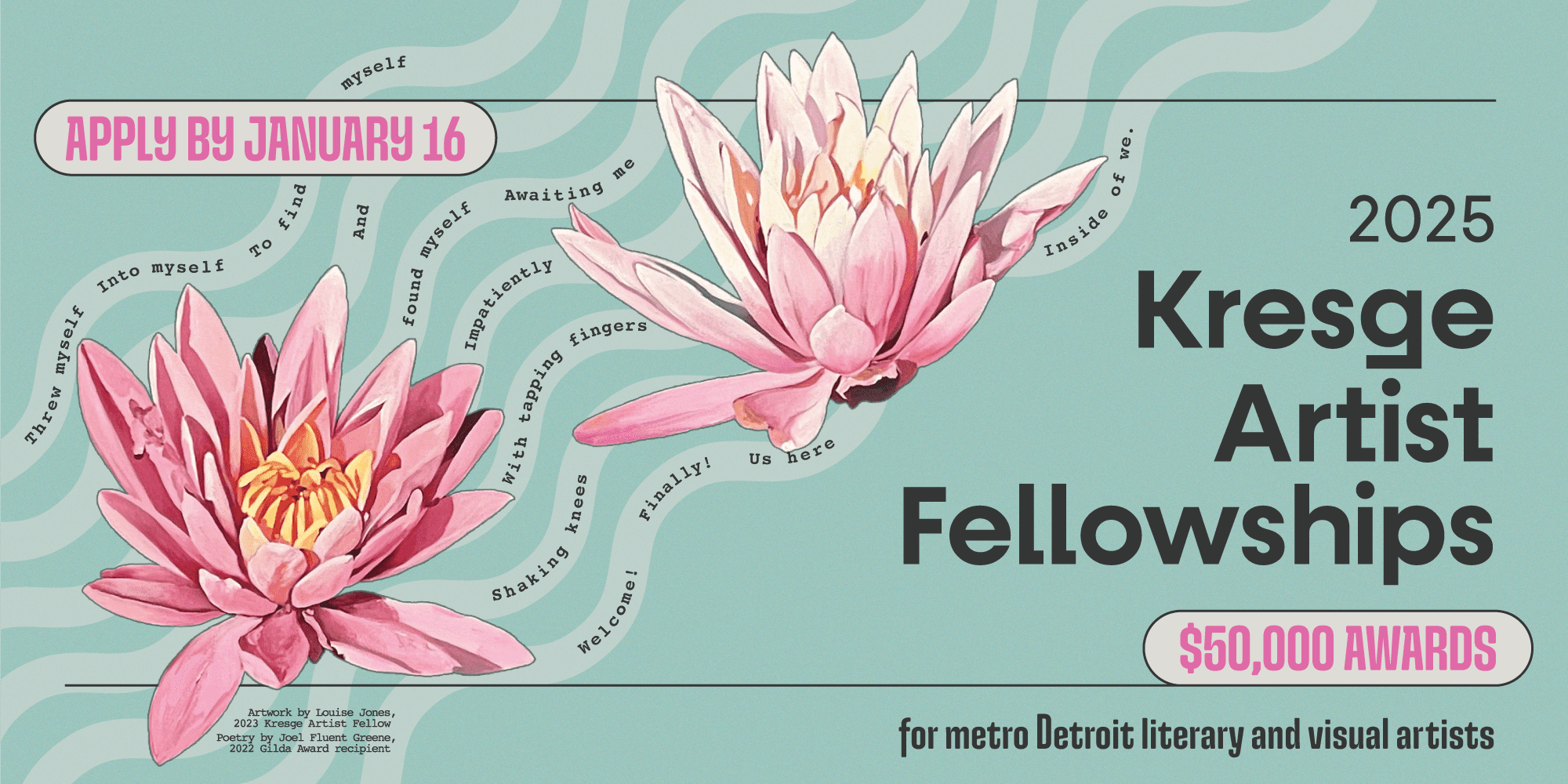
Now through January 16, 2025, metro Detroit artists can apply for a Kresge Artist Fellowship.

Kresge Artist Fellowships are $50,000 each for 15 artists residing in Wayne, Oakland, or Macomb county. Eligible artists are invited to apply for these no strings attached awards. See guidelines for eligibility requirements.

The 15 Kresge Artist Fellows and 10 Gilda Award recipients will be selected by an independent panel of distinguished local and national artists and arts professionals. Previous applicants are strongly encouraged to re-apply, as new panels—with fresh perspectives—are convened each year. The 2025 awards are in the following categories:

LITERARY ARTS

Arts Criticism, Creative Nonfiction, Fiction, Graphic Novels, Playwriting, Poetry, Spoken Word, Zines, and Interdisciplinary Work

VISUAL ARTS

Book Art, Ceramics, Collage, Drawing, Fiber, Glass, Installation, Metalwork, New Media, Painting, Photography, Performance Art, Printmaking, Sculpture, Video Art, and Interdisciplinary Work

Kresge Arts in Detroit staff will hold an online info session and application walkthrough in December, followed by a second online Q&A session in January. While not required, applicants are encouraged to attend these sessions, which are designed to support artists in crafting compelling applications for a Kresge Artist Fellowship. Artists can register to attend using the links below.

Artists are encouraged to review the 2025 Guidelines for information regarding application recommendations, requirements, and support resources.

INFO SESSIONS Application information session (virtual) Wednesday, December 11, 2024 5:30–6:30 PM

Application question & answers session (virtual) Thursday, January 9, 2025 5:30–6:30 PM

DEADLINE JANUARY 16, 2025 by 11:59 PM There are no exceptions to this deadline. You are encouraged to apply early to ensure you do not miss this opportunity.

Administered by the College for Creative Studies, Kresge Arts in Detroit represents one aspect of The Kresge Foundation’s investment in the artistic communities of metropolitan Detroit, providing support to artists living and working in Wayne, Oakland, and Macomb counties. The Kresge Foundation’s Detroit Program is a comprehensive community development effort to strengthen the long-term economic, social, and cultural fabric of the city and surrounding region.

More information can be found at https://kresgeartsindetroit.org/announcement/apply-now-50k-fellowships-in-literary-and-visual-arts/

Photo Credit: Lesley Mason ’00 Photography

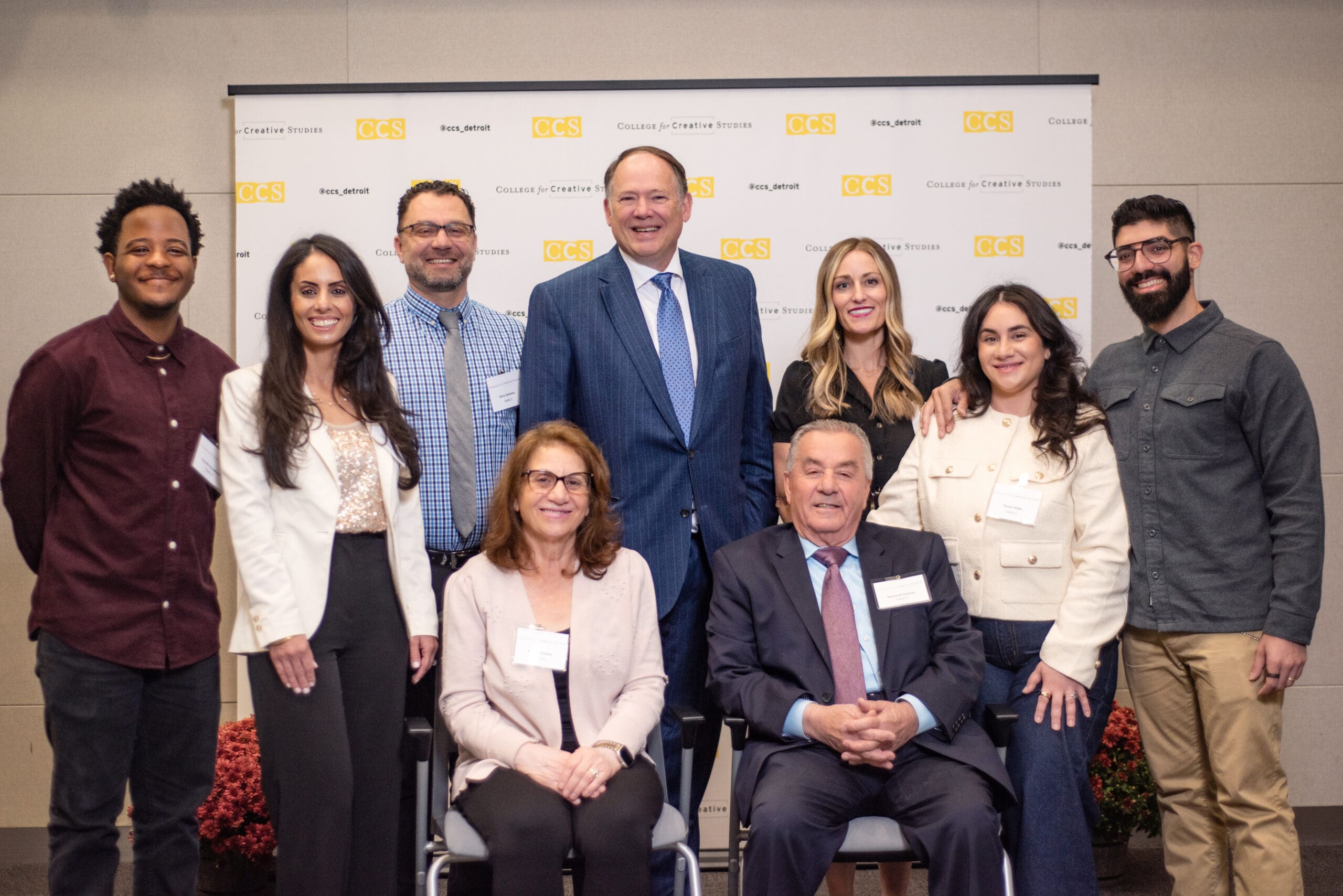
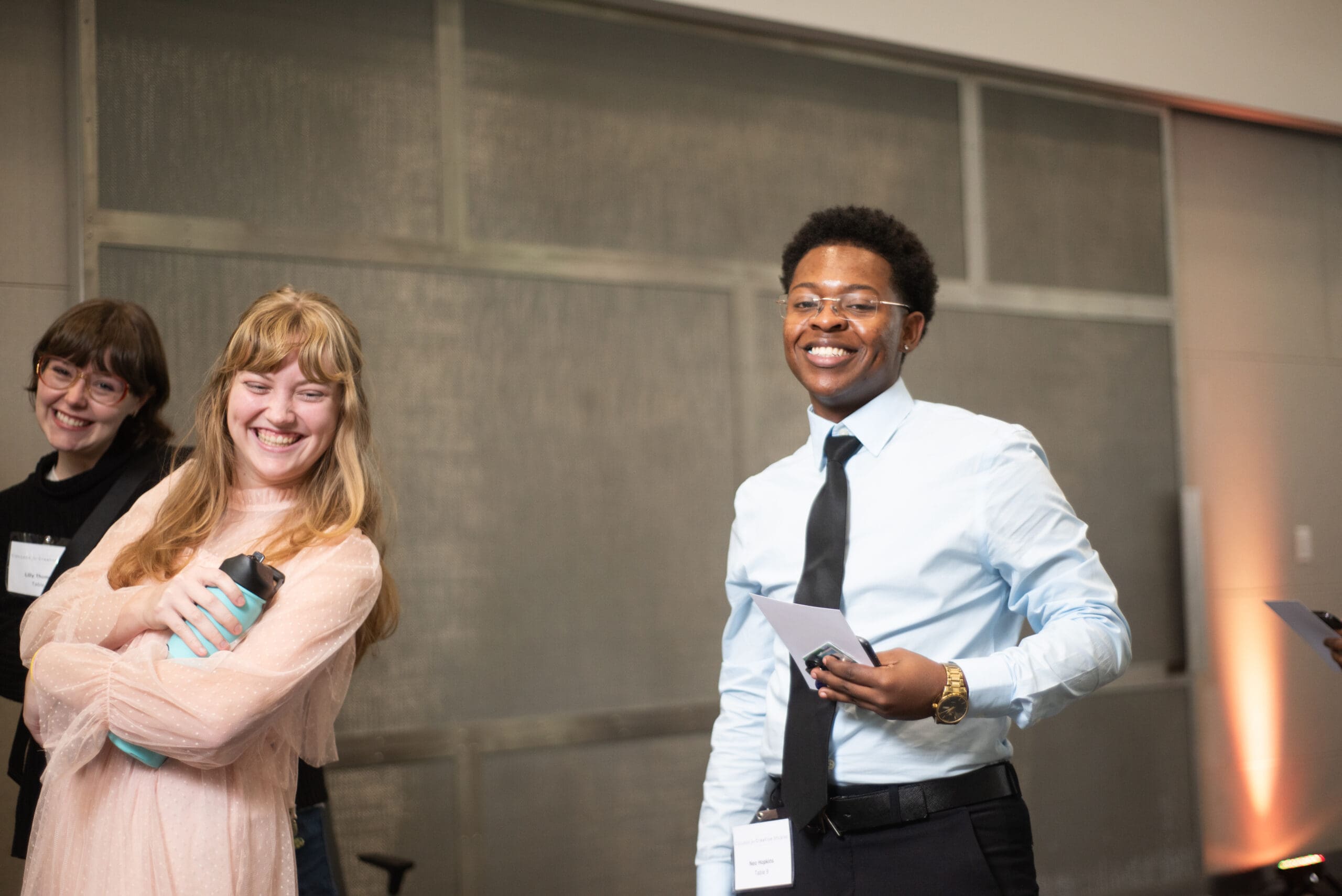
At a recent donor appreciation luncheon hosted by the College for Creative Studies, donors and scholarship recipients gathered in the General Motors Auditorium at the A. Alfred Taubman Center for Design Education to celebrate the transformative power of education – and the generosity that makes it possible. Held on October 22, the event provided a meaningful platform for heartfelt connections between those who give and those who benefit from their support.

Jim Nicholson, Chair of the Board of Trustees, spoke about the profound impact philanthropy has on the college community. “Every scholarship represents a story of hope and ambition,” he said. “It’s our responsibility to invest in these talented individuals who will shape the future of our industries. Your contributions are not just financial support, they are lifelines that help students reach their full potential.”

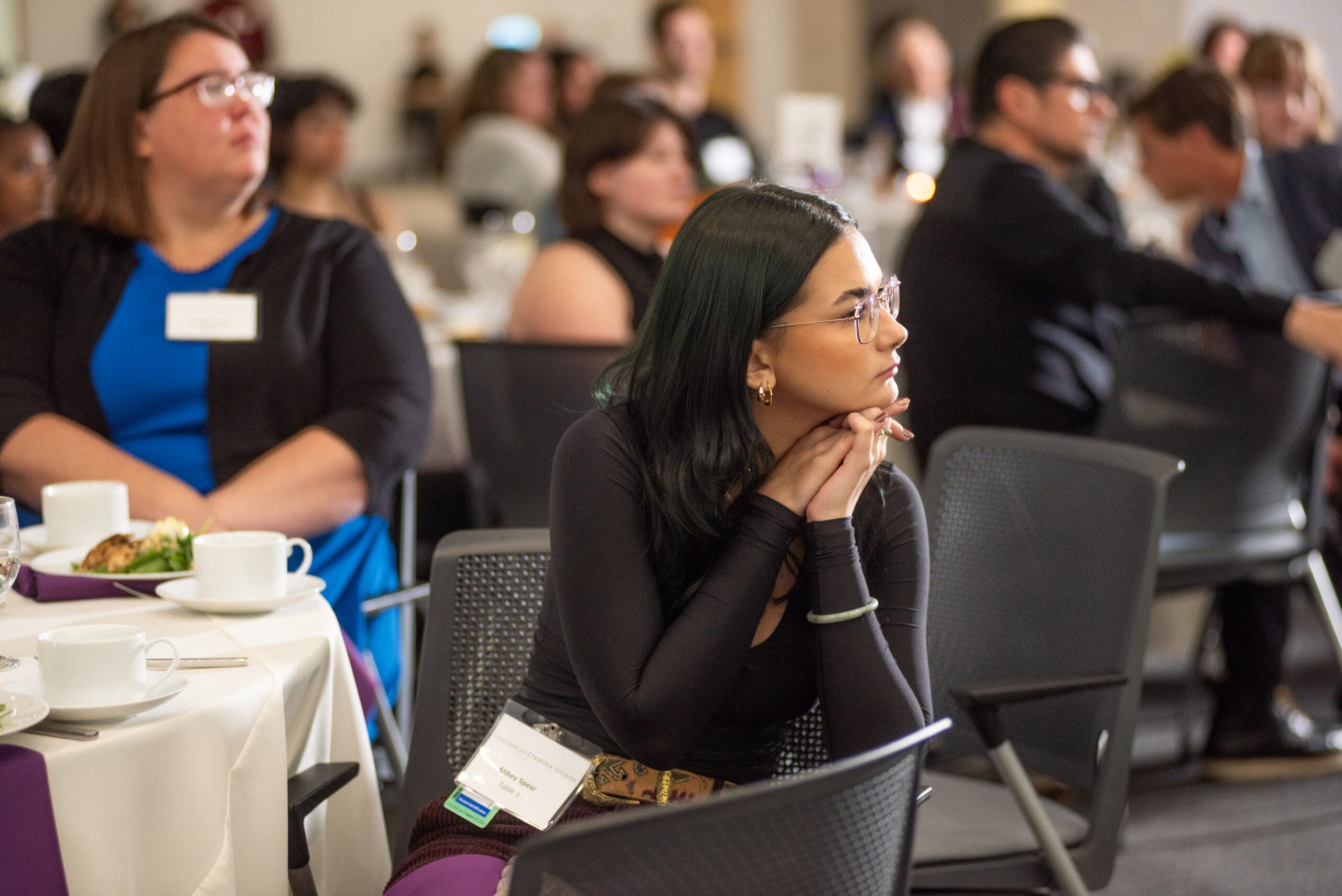
As attendees listened, they were reminded of the difference philanthropy makes for students navigating the challenges of college. Guests heard firsthand how scholarships have transformed lives, opening doors to education and brighter futures.

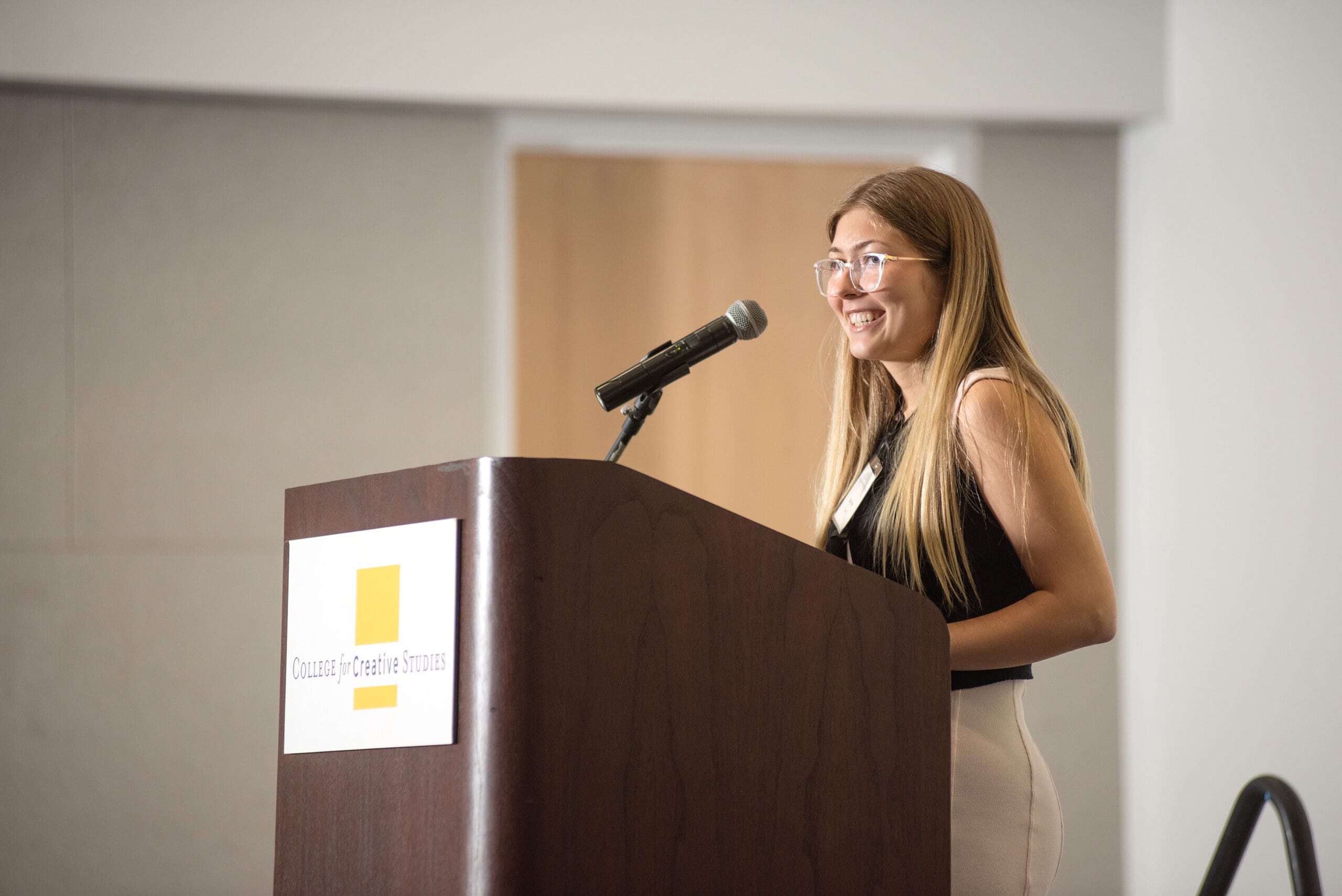
A senior scholarship recipient at CCS shared how pivotal his scholarship has been to his journey. “About four years ago, I didn’t think I would have the opportunity to graduate from CCS… I genuinely had no clue how I would afford college, much less a school as prestigious as this one.” Now on track to graduate in 2025, he expressed deep gratitude for the experiences his scholarship made possible, from studying abroad to gaining skills and mentors that have “changed the trajectory” of his life. “This career path wouldn’t have been possible without donors taking a chance on me,” he said, adding that he hopes to one day support students just as he has been supported.

For him and many others, scholarship support has been the difference between dreams deferred and dreams realized. Another scholarship recipient shared her journey to CCS, recalling both the excitement of her acceptance and the sense of relief that came with receiving scholarship support. Receiving the Alumni Scholarship, she said, was the moment she could finally focus on what truly mattered: making art. “Thanks to your generosity, I’m able to accomplish what I’m really at CCS to do: make art … I’m forever grateful that you choose to value our education, our artmaking and our financial success as young adults.”

CCS President Don Tuski emphasized the vital role scholarships play in shaping students’ futures. “I’ve witnessed firsthand the profound impact that scholarships have on our students’ lives. Your support not only lightens their financial load but empowers them to explore their full potential and push the boundaries of creativity,” he shared. “Today, we celebrate not just education, but the transformative role that creativity plays in shaping our future.”

Tessa Semma Jarbo, whose sister Kacy Semma Hall graduated from CCS in 2006, spoke movingly about the inspiration behind the scholarship that honors her sister’s memory. “Kacy’s cancer diagnosis became an invaluable lesson that life is not guaranteed for anyone and time is our most precious resource,” Jarbo shared. In establishing the Kacy Semma Memorial Scholarship, she and her husband Johnny sought to pay tribute to Kacy’s “creative spirit and commitment to nurturing the next generation of artists and designers.” She expressed their hope that the scholarship will “not only provide resources but also inspire recipients to give back to the creative community, continuing the cycle of inspiration that Kacy started.”

Katie Rusak, CCS Director of Advancement, echoed the importance of connecting donors with the students they support. “These moments of connection are what it’s all about,” Rusak shared. “Your support not only provides critical financial assistance but inspires our students to pursue their passions and dreams. We are here to recognize the profound impact scholarships have on our students’ lives, opening doors to opportunities that might otherwise remain closed.”

In closing, Rusak expressed heartfelt appreciation: “On behalf of the entire CCS community, I extend my heartfelt thanks to each and every one of you,” she said. “Your belief in our mission and in our students makes all the difference. You empower students to pursue their dreams without the burden of financial worry, and for that, we are forever grateful.”

For more information about establishing a scholarship or to learn more about the College for Creative Studies, please contact Katie Rusak at [email protected] or 313.664.7861. Photos from the event can be viewed here.