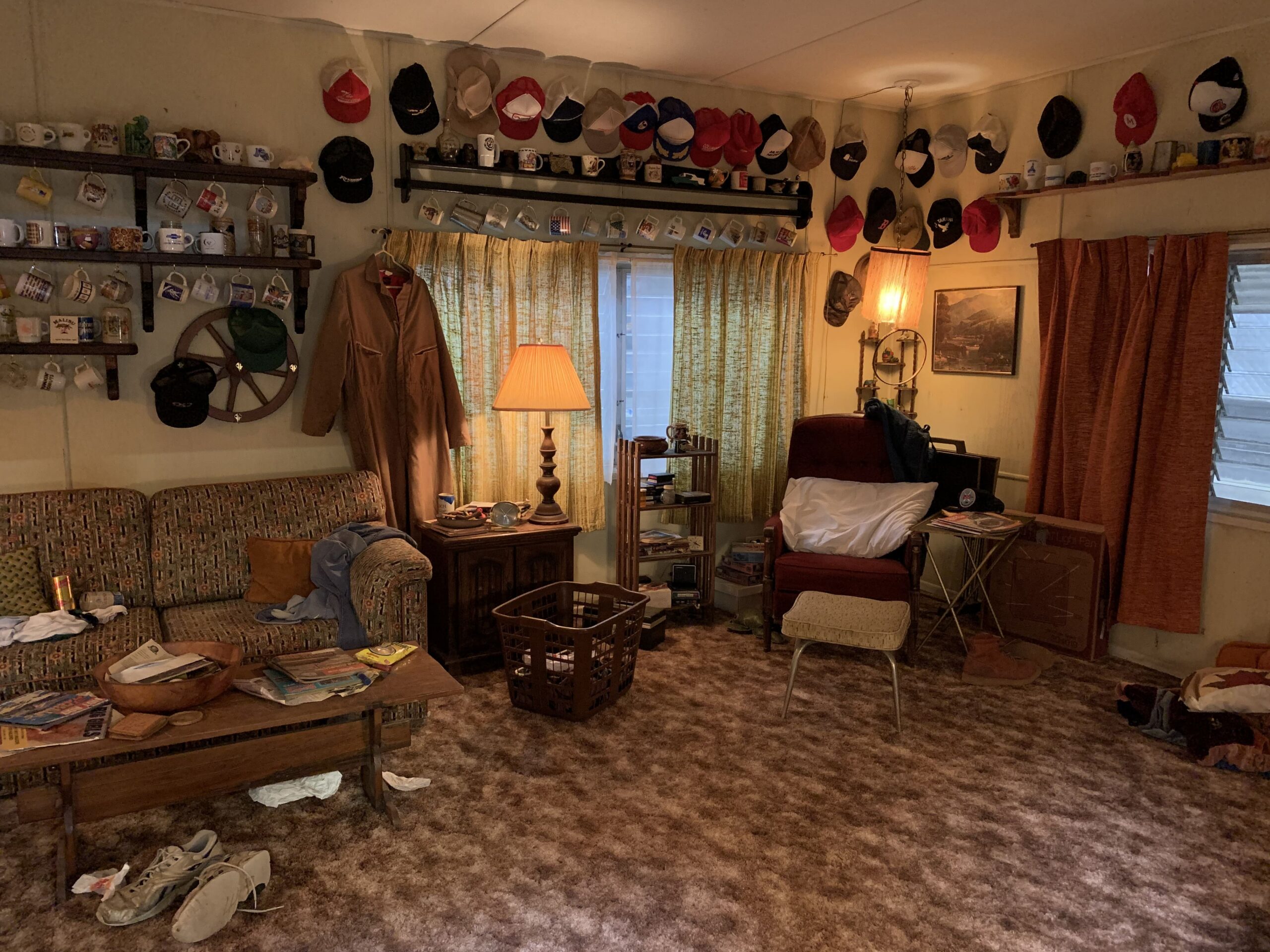
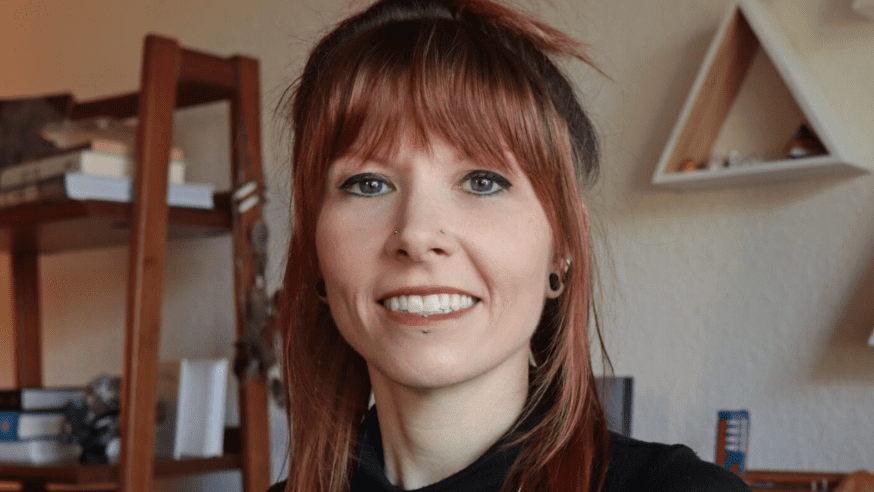
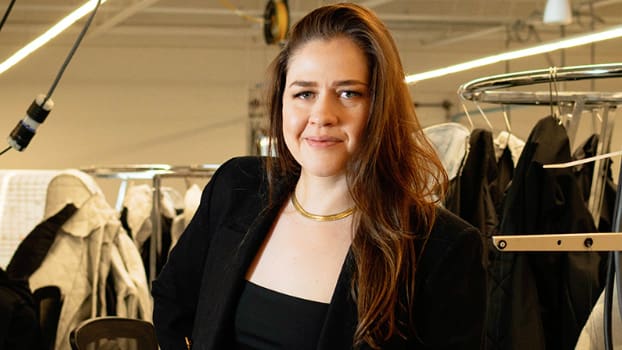
Of the seven years Kaylee M. Johnson, ’14 Film, has worked in the film industry, she says working on the sets of Seasons 4 and 5 of Stranger Things has been her favorite experience. As a set dresser, Johnson ensured sets were clean and reflected the daily changes made to the script. When filming for Season 5 wrapped, Johnson recalls how bittersweet it was to package and ship the assets for the show as well as go through the warehouse where all the set dressing was held.
“It was like walking into a history museum,” she said. “I knew almost all of the pieces that were in there and what sets they came from.”
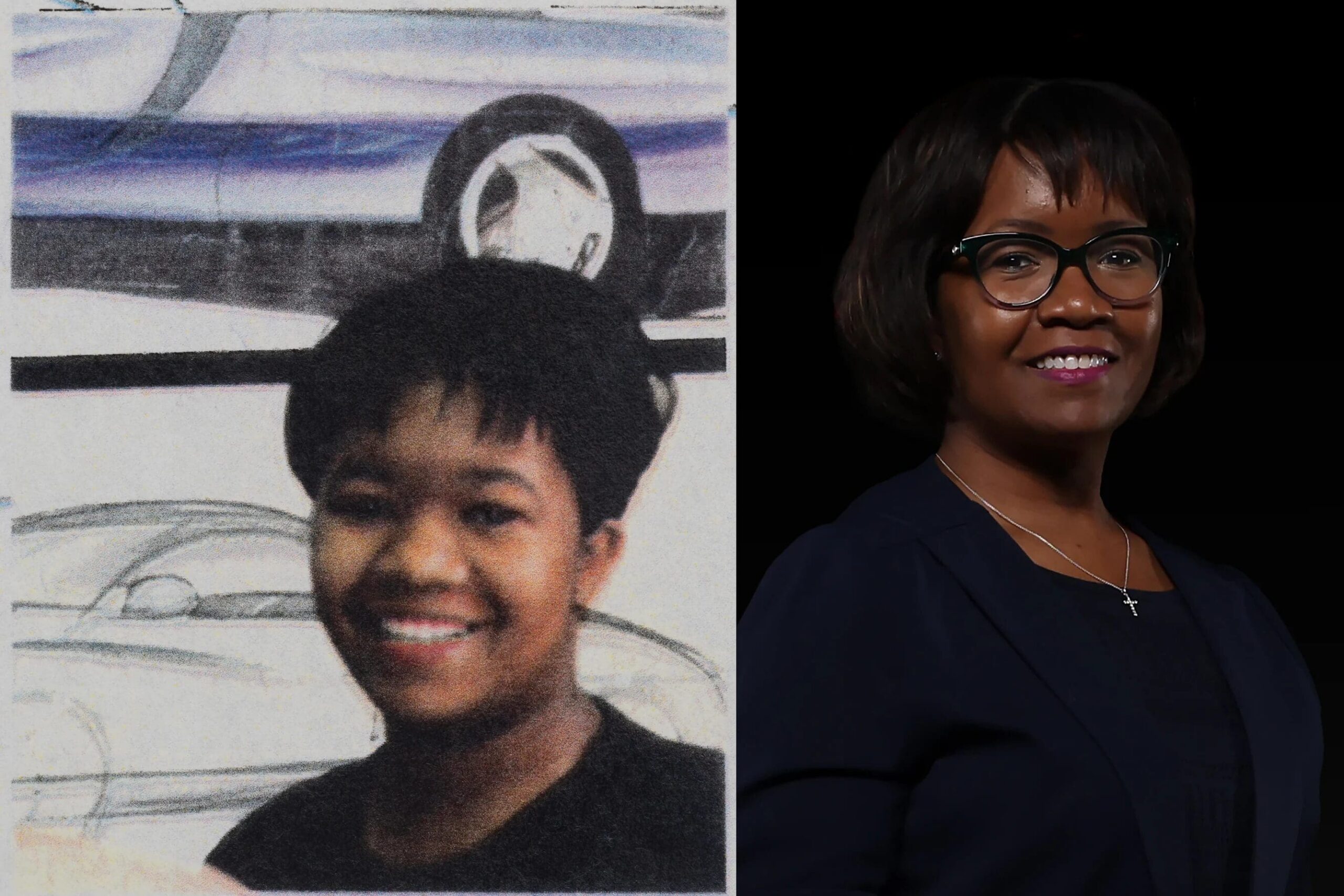
Crystal Windham can still remember the day she decided to attend the College for Creative Studies (CCS).
“I was fortunate — I had excellent college options,” said Windham (Industrial Design ’94). “My parents said, ‘This is up to you. This is your decision where you want to go.’”
Since they’d saved for her and her brother to attend college, she hadn’t needed to base her choice on finances. Unlike other schools she was accepted to, CCS hadn’t offered an initial scholarship — although that support would come during the second semester of her freshman year.
Windham always realized what a gift her parents had given her, and she aimed to do the same for her children, both college students. But in 2025, the executive director of Global Industrial Design at General Motors went one step further — endowing a scholarship to give a talented student the opportunity to realize their dreams at CCS.
Besides the minimum gift requirement, Windham made an additional contribution so the endowment could begin distributing funds right away. She chose to do this with a retention scholarship, meaning it can be renewed for up to three years, helping CCS retain the student.
Windham felt strongly that the scholarship not fully cover tuition. This was partly inspired by her own work-study experience in the Transportation Design department, which changed the course of her studies — and her life.
She recalled how one day, Carl Olsen, the department chair, had watched her sketch a still life for homework. He’d asked, “Have you ever thought about drawing cars?”
When she replied that she hadn’t, Olsen had told her that both women and people of color were underrepresented in that design area. He’d then offered to pay for Windham to take an introduction to automotive drawing class to see if she liked it.
“I fell in love,” she said of automotive design. “It was a product that would impact the lives of so many people. I didn’t look back from then on.”
After being accepted into the program, Olsen found scholarship funds for Windham — but still, not a full ride. She acquired an internship her sophomore year with Ford Motor Co., and then with General Motors her junior year. GM put her right in the design studio where she learned about designing interiors and then, before graduation, offered her a full-time position.
Windham hopes her scholarship gives recipients a similar CCS experience. “It really does mimic what was offered to me to keep me going,” she says. “You have people communicating to you that you belong, you have the talent, and here’s a little to help you along the way.”
By focusing her scholarship on marginalized applicants, Windham hopes to continue diversifying her industry.
“If we can help support more people of color, more women through this endowed scholarship to feed that pipeline, I think it’s a win-win for all”
“They don’t necessarily have to look exactly like me, but industries like to reflect their customer base — and we’re their customers” she said. Although establishing a scholarship had been in the back of Windham’s mind for years, she never considered it a real possibility until a peer shared about endowed scholarships. Then serendipitously, a family member with personal knowledge about endowments reviewed the process and encouraged her to “just get started.”
“It’s so meaningful to get to a point in life where I could do it, and I have my husband, who supports me,” she said. “My children support me. I’ve talked to them, and they understand the importance of this and why I have allocated some of our funds to do that.”
Windham’s family also understands the impact CCS has had on her — something she hasn’t taken for granted since day one. “I still believe choosing CCS for an art-based career was one of the best decisions I made in my life,” she said.
A Conversation with CCS Alum Mario Moore on Legacy, Family and the Art World
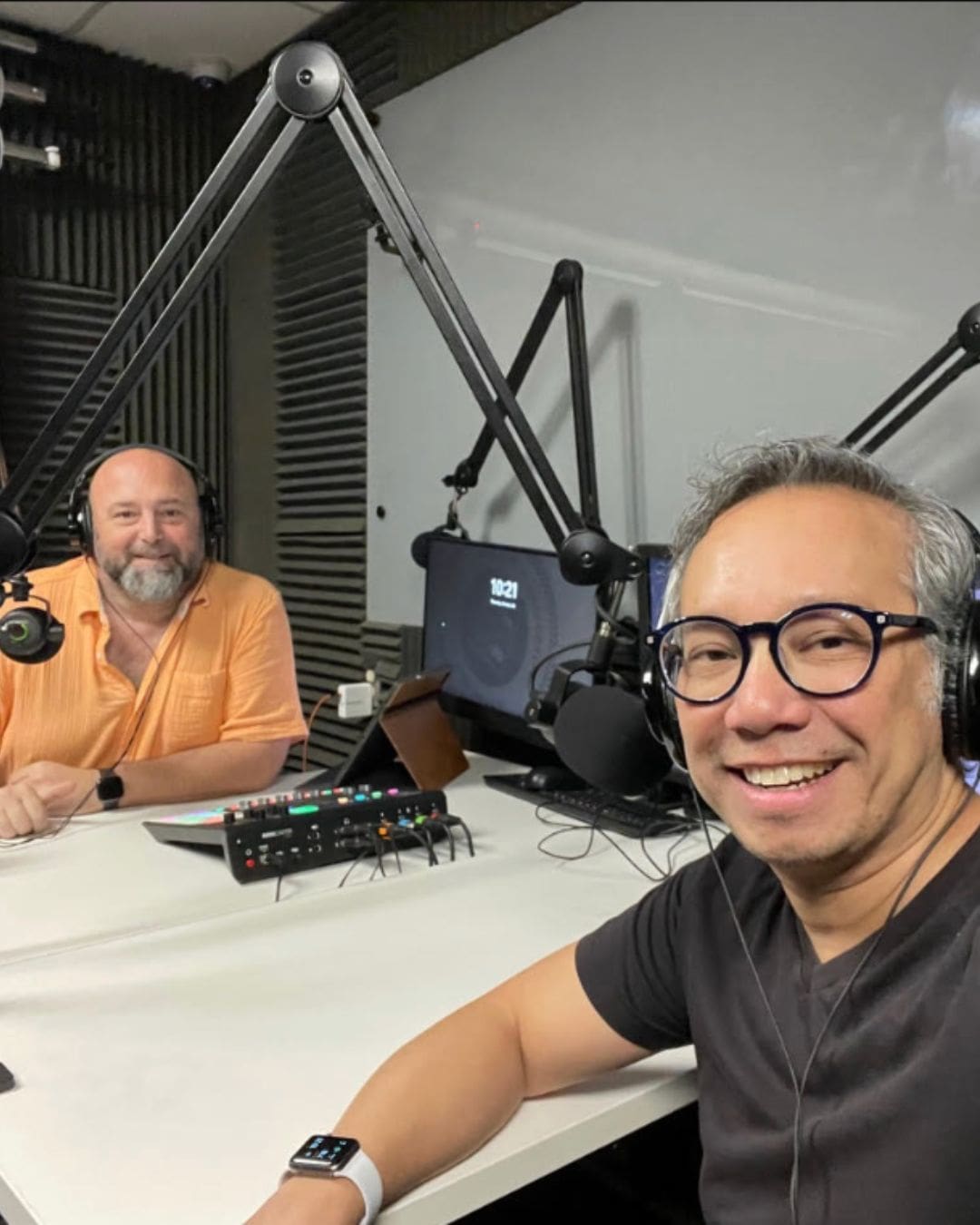
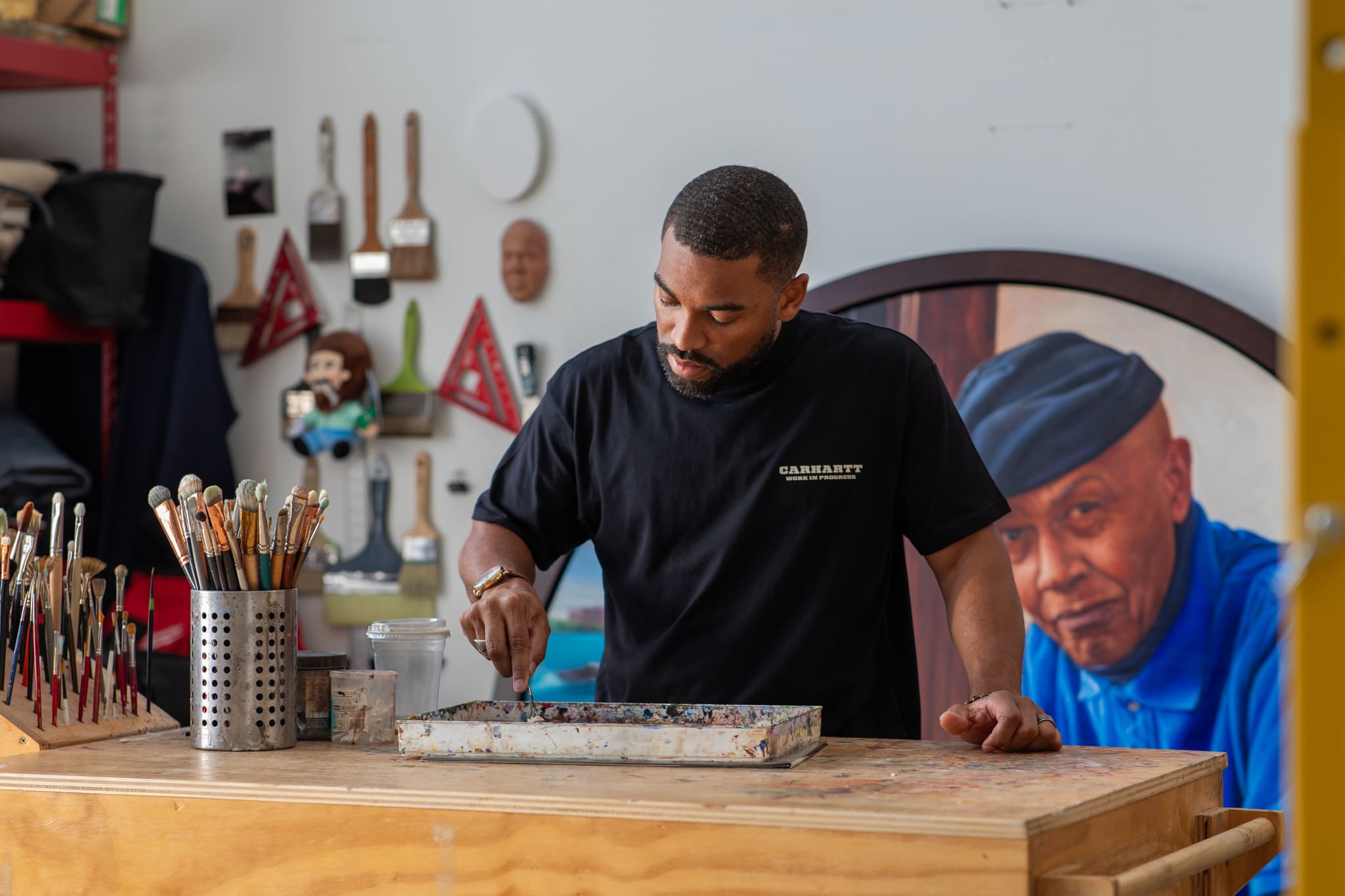
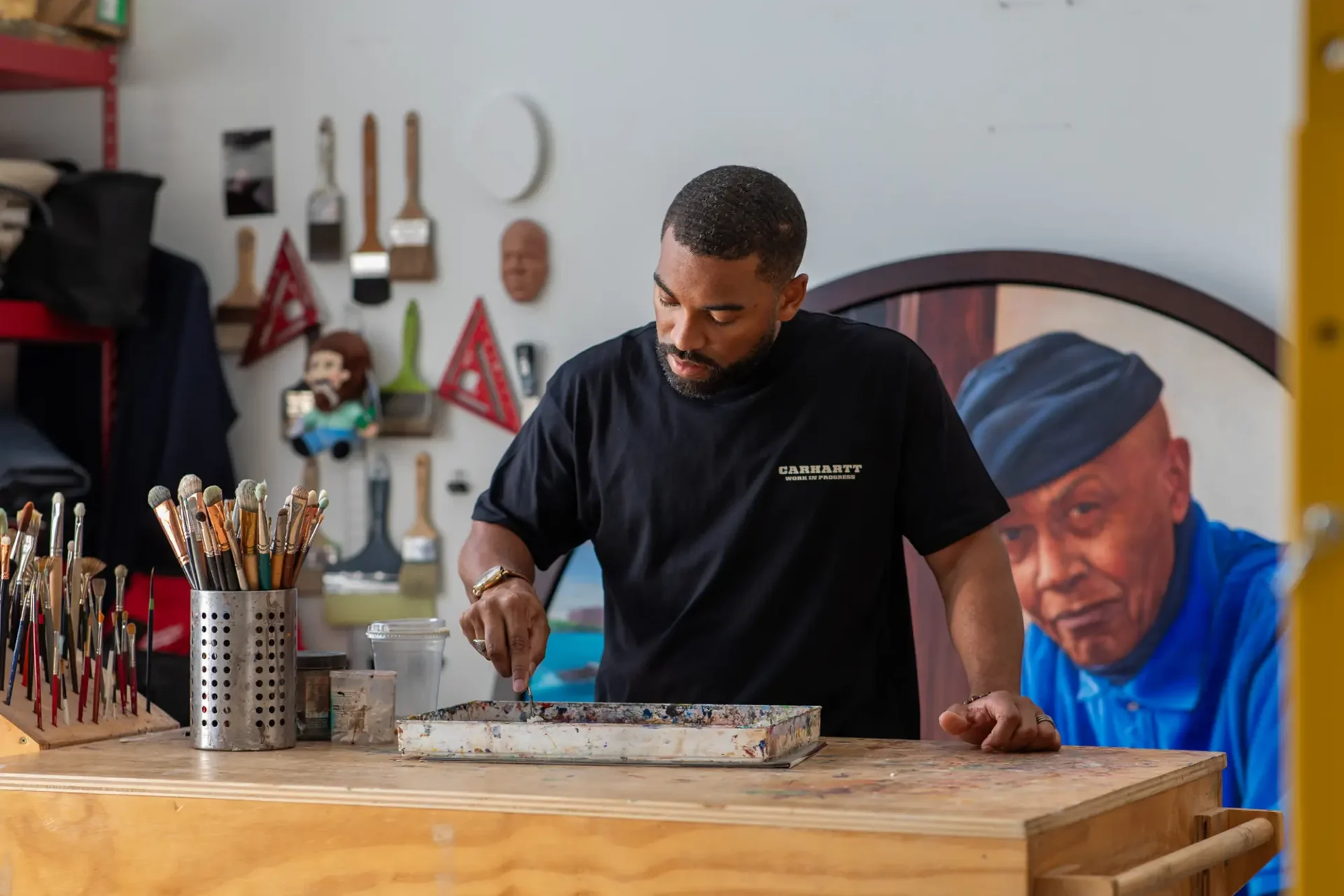
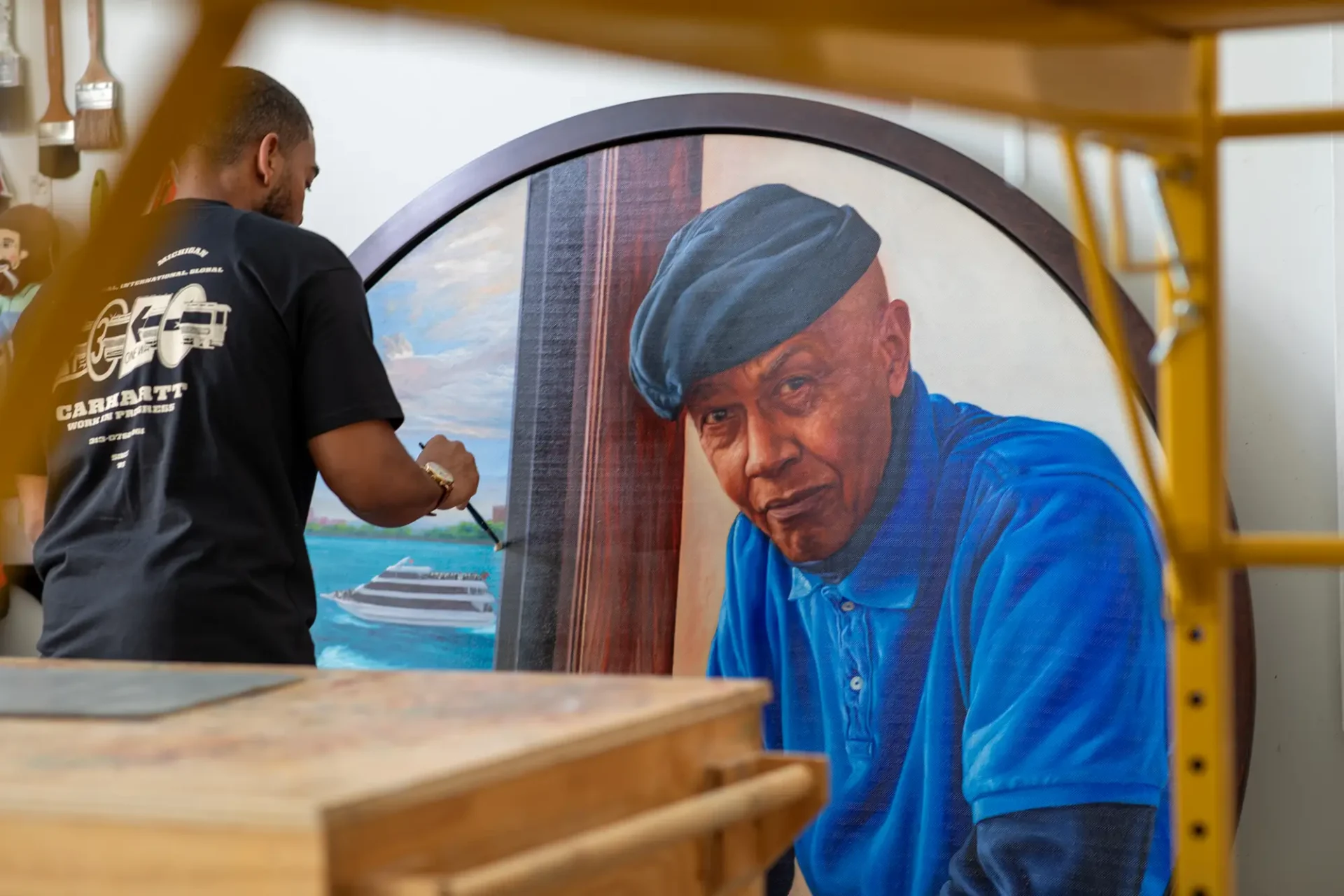
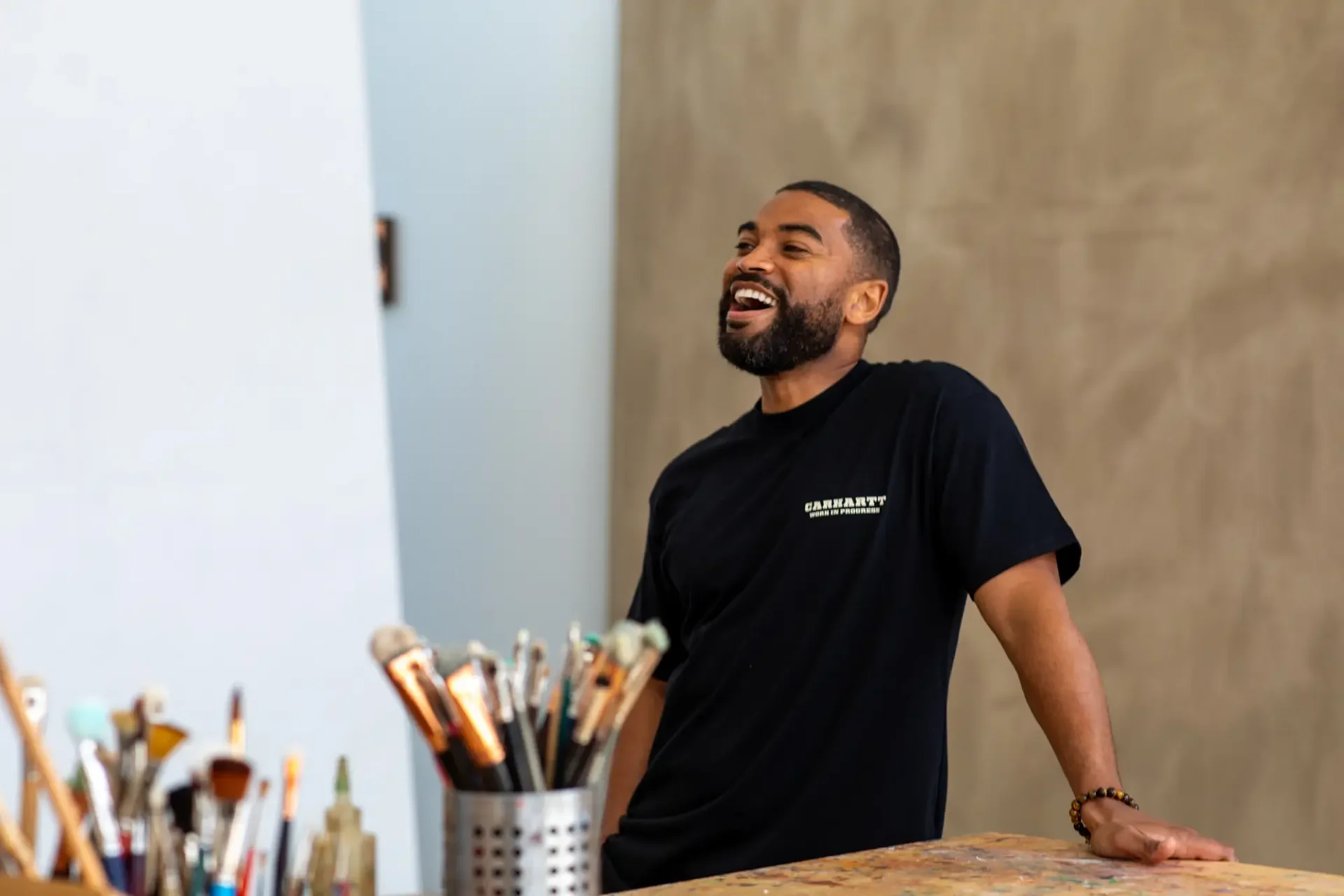
Recent spotlights at international events like Art Basel Paris have drawn attention to Detroit’s vibrant art community, but for local artist Mario Moore, ’09 Illustration, the spotlight has always found him. Moore’s work can be found in established galleries and even in the permanent collection of the Detroit Institute of Arts. While his CV is a laundry list of artistic achievements, it is his deep connection to heritage, the arts, the City of Detroit and, above all else, his family that keep him humble and authentic.
We spoke to Moore during a private tour of the DIA – a core location to his artistic journey – and at his studio space in Detroit. Crediting his lifelong passion for the arts to his mother, CCS Admissions Assistant Director and alumna, Sabrina Nelson,‘91 Fine Arts, and his upbringing in the Detroit arts scene, his story is one of the manifestation of a life surrounded by creative ideation, expression and freedom … and with some Kendrick Lamar or Motown blasting in the background.
Hi, Mario. It’s nice to be here with you and talk to you in your studio. Can you introduce yourself in a few words?
My name is Mario Moore. I like to think of myself as just an artist. I think primarily people know me as a painter, but to me, the medium is only about the concept. So whatever medium I choose to use is the best way to kind of create the idea. So generally, I’m an artist.
So speaking about the different types of mediums you work with, what are some of the bigger ideas behind your work?
I think broadly, what my work has to do with is telling human stories. And it’s done so in a way that invites anybody – and I do mean anybody – people within the art world and outside of the art world, to basically step into the work. I think the level of realism that I use is one, a kind of invitation to people who see the work, and also a way for people to respond, but also interact. So it’s the best way I can tell human stories that deal with American history, deal with everyday lives, deal with heart subjects. But stories about humanity.
When did you start your artistic career, and can you share with us some details that influenced your decision to become an artist?
I like to say that we are artists when we are kids. And from that perspective, I started to think about making work and being an artist since I was a child. But if we’re talking about, like, okay, you’re a professional now? I think the best way to think about having a career as an artist is to basically just begin and start. Like, having a degree in Illustration is amazing, but the concepts and ideas and the processes and putting together shows and exhibitions, you know, happened before college. And CCS just helped me along with that. But yeah, as a professional, my career started around 2012, 2013.
So before that time, though, was there someone or something that inspired you to follow this artistic path?
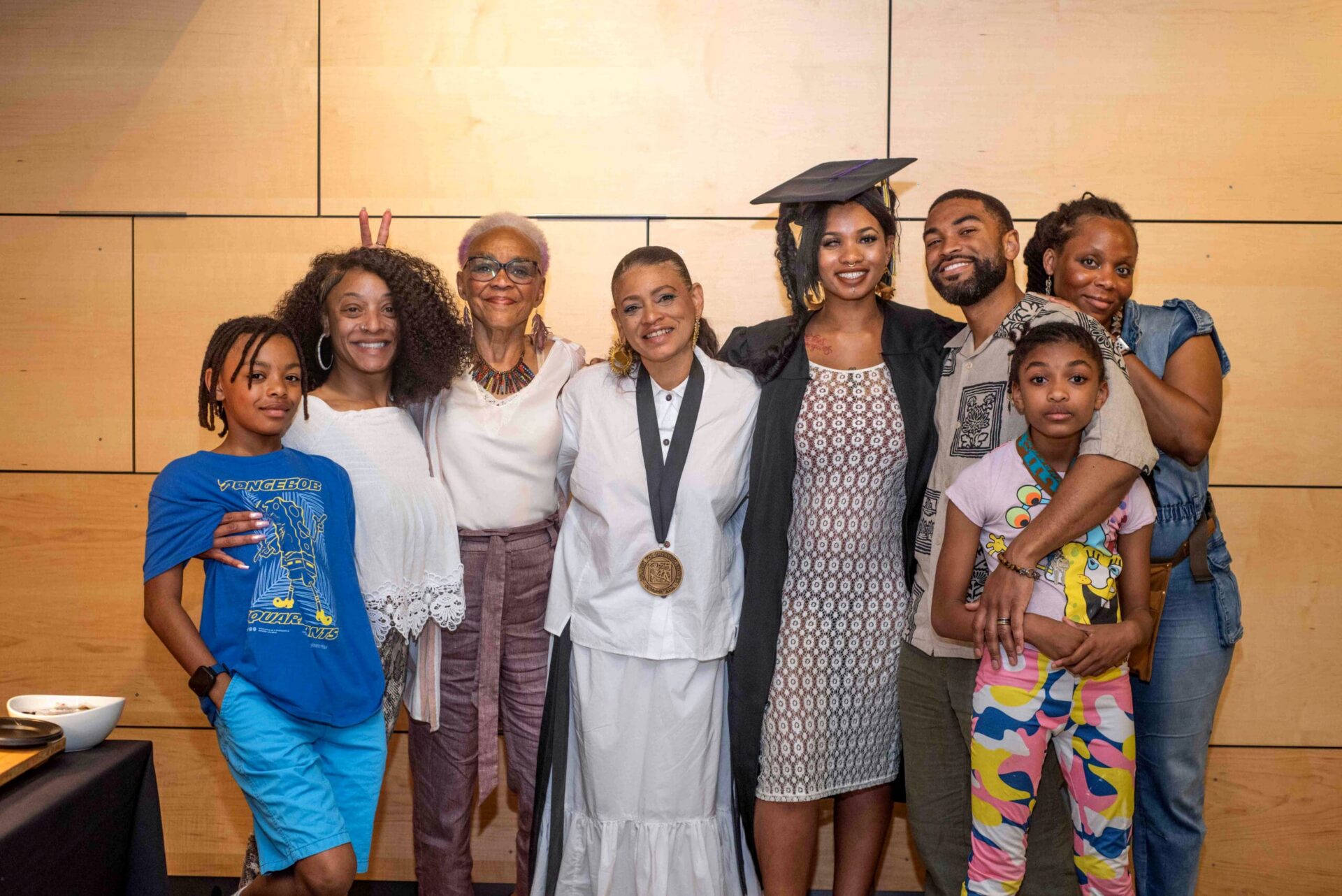
My mom, Sabrina Nelson, is an artist, and I just grew up in art, grew up in Detroit, going to all the art exhibitions, grew up with our artist friends, being in their studios, seeing them, basically turning an empty canvas into, you know, something that was incredible. I think that the magic was in that these friends of hers and she herself had these ideas and they just birthed them. And they came out of nowhere. I love the concept that you can create something and start something new. So, yeah, my mom has been a big inspiration to me in becoming an artist.
And with watching her career, her artistic path and her friends and their careers in the arts, and now you being an artist yourself, I’m sure you have noticed that there’s a lot of trials and tribulations along the way. What kind of challenges have you faced as an emerging visual artist when you think back to that time?
Yeah, I think life, you know, in general, is going to have its valleys, it’s going to have its hills. It’s not just going to be an upward motion, but I think the best thing to do is to continue being confident in yourself, and also believing that you were meant to be an artist. But also being an artist is work. It’s not an easy thing, right? I think there’s something really dedicated and difficult about whether you have the money or not, or whether you have a regular job, maybe you’re working in a deli shop, whatever it is, but after that job, then you focus on your career, you focus on your art. For me, when it comes to, like, some of the difficulties, I think it was, you know, considering the different pathways I wanted to take, when it came to Illustration, I really was thinking about, oh, man, how am I going to make money? And, you know, I thought about children’s books, I thought about sports illustration. I thought about all those things. And then over time, I realized I didn’t like working for anyone. I didn’t like to create somebody else’s vision. And that ultimately led me to, like, oh, you really want to make your own work. So just following that pathway 100%, even if it wasn’t really fruitful at the beginning, you know.
“It’s trusting that you have something to say, trusting that you have the dedication to continue to do it and continue to say it. And that’s what has led me to where I am now, just believing in myself, which I think can be hard for a lot of artists.”
I completely agree. But even through those challenges, you have achieved incredible success. So what is your definition of career success in the arts?
I believe that career success for me is basically having my bills paid. Not having to worry about finances, but the most important thing is that I’m able to create and make what I want to make without any limitations. Granted, I’m blessed, I love it, that it’s showing in museums, I love that it’s in galleries, I love that. But for me, it’s the ability to make the work and create the work, and to be able to sustain that. It’s not about being the biggest artist. It’s not about being the most famous artist. It’s about just the ability to create your ideas and your concepts without limitations. That, to me, is a definition of success. If I can go to the studio every day and make what I want to make, oh, what? That’s everything. That’s everything.
Well, speaking of having your work in museums, we know that you have work in the Detroit Institute of Arts, and through other interviews and knowing a little about your history, it’s a very important place to you. Can you touch upon what it means to have your work shown there?
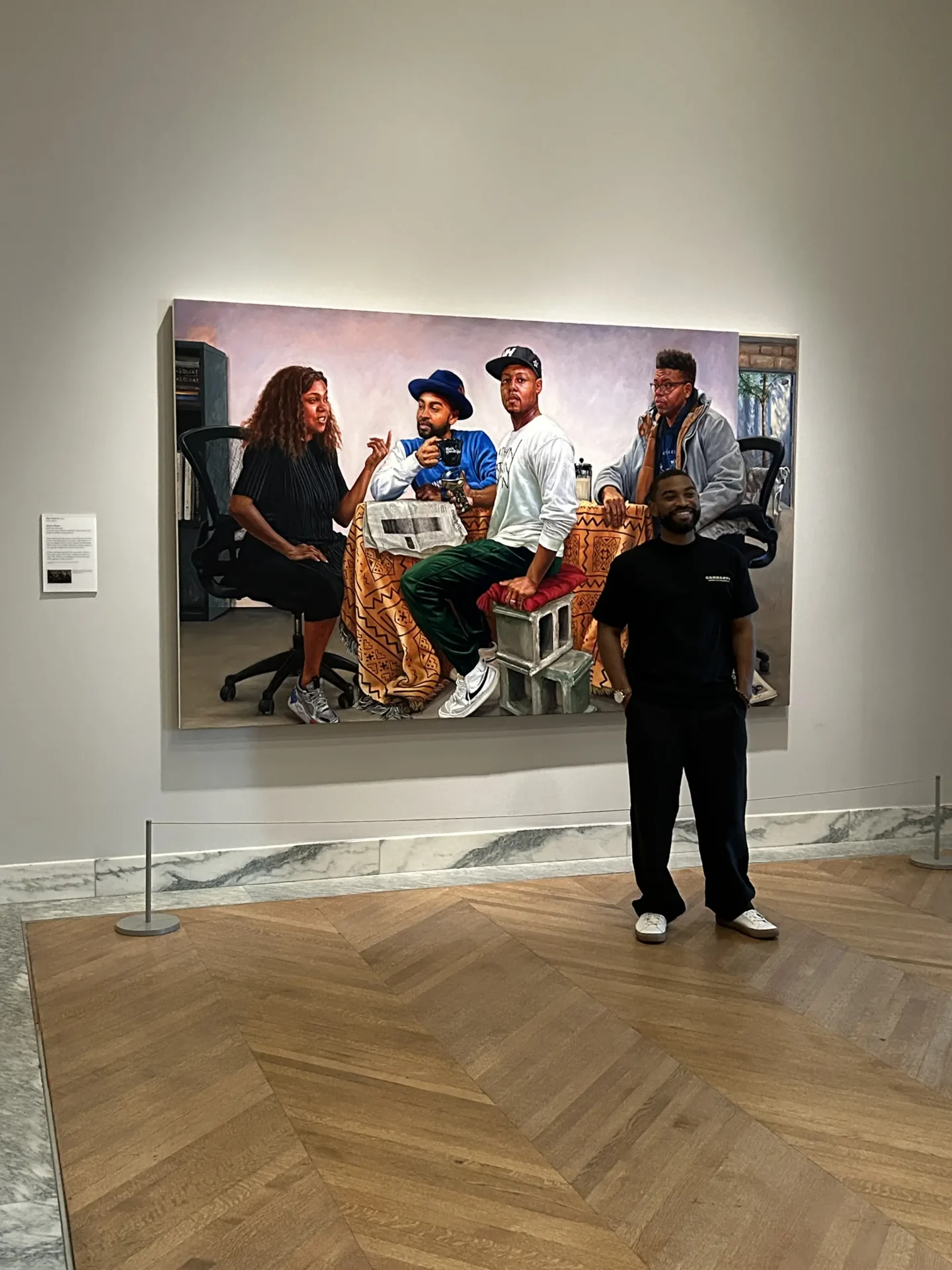
You know, I think it’s very special that I have work in the Detroit Institute of Arts. I have work in other museums around the U.S. and I love those institutions, but to be able to have work in the museum that you literally grew up in as a child, right? And you look and you see all the paintings on the walls and you imagine that one day it might be possible to have your work on those walls? Even though it seems, like, crazy to even think that way, but to imagine it and then to actually make it happen and see it is very, very fulfilling, but mind-blowing. To have it here, where I saw some of the first paintings I saw in my life, in a place where I used to draw in the galleries as a kid, a place where my dad met my mom when he was working as a security guard, and a place where my dad still works. So it’s awesome to see people going to look at my paintings in a way that I did when I was a kid looking at other people’s paintings, you know? It’s very special.
Continuing that thought about the DIA… I heard about an exciting collaboration. Can you tell me more about it?
Yeah, so as an artist, I am one of those people, if you go with me to any museum around the world, they usually have audio tours. When I listen to the audio tours, my hope is that it adds some information to something that I didn’t know, especially when I think about people who are new to art or it might be their first time in a new museum. So I am doing a project with the DIA where I am giving an audio tour of all the works that I love in the museum, and of my own work. So it will be the Mario Moore tour of the DIA, which, I think, is kind of dope. It’s incredible.
Could you speak about a few of your favorite gallery spaces or works of art at the DIA that you are drawn to or inspired by, that maybe some people will be able to hear about from your perspective on the tour?
Well, my favorite painting in the DIA is Artemisia Gentileschi’s painting, Judith and Her Maidservant with the Head of Holofernes. I love that painting because it’s the way she painted it, but it’s also the way in which she pushed forward the concepts and ideas of Caravaggio, and she did it better than he did. My favorite part about that piece is the head at the bottom of the canvas. Like, when you see it, it’s like got the texture, the brush strokes. There’s greens and grays, all painted in there. But it’s just the luminosity that you see from that painting. And then the other space that I really love is the Dutch galleries. I’m a Rembrandt fan. So Rembrandt to me is like the best person who does illumination of light. And when I think about my own work, it’s always something that I’m trying to kind of imbue into the work is like this idea of light. And Rembrandt is great at directing you into the places he wants you to look at. So these are also a part of the audio tour. And then there’s the one Velázquez painting in the collection. It’s amazing that Detroit has a Velázquez painting. And to me, when I talk about painters that influence me, painters that I look at, I feel like Diego Velázquez was one of the first modern painters in history. And also, I would call him probably the best painter ever.
So, thinking about if you mentored younger artists or CCS students who are beginning their art careers, what single most important piece of advice would you offer them?
I think the single most important advice that I would offer a young artist – a CCS artist – is to understand that there is not one pathway. There are many options for you, as far as a career in the arts. And I think a lot of times, for younger artists and also dealing with parents and family members who know nothing about art, they’re limited in their perception of what they can do with the talent that they have. So for me, it’s like, always remain open, especially when you get to CCS. Take as many classes as possible in every department. Develop all the skills that you need in other spaces, like take a glass class, take sculpture, take all of these things, because you never know how they will play in your practice. You never know what will happen after you graduate. And when you have so many skills developed, it’s a way to tap into another side of your brain. Like recently, a couple of years ago, I was taking a stone sculpting class and it was so interesting to me because usually when I’m in the studio, I need music, whether I’m doing a clay sculpture or whether I’m painting or I’m drawing. But when I was doing stone sculpture, it felt really meditative. I didn’t need any music. One, because you can’t hear it at all. But also, it just kind of created another kind of creative pathway in my mind. So when I went back to painting and I went back to drawing, it just kind of brought something new to me. I think that’s the best advice I can give is to just be open.
“I believe that career success for me is basically having my bills paid. Not having to worry about finances, but the most important thing is that I’m able to create and make what I want to make without any limitations.”
Speaking of that playlist, what’s your go-to? Who’s your go-to artist?
Kendrick Lamar lately has been my go-to artist in the studio, but I’m also like a super Detroit guy; Motown is heavy, it’s always playing in here. I love techno too. So I listen to DJ YG a lot. I listen to Dwele. Yeah, it’s a lot of different music, and it also depends on how I’m feeling. Because also as an artist, the one thing that I think a lot of people focus on is skill set, right? Which is incredibly important. Things that you need to learn, things that I think you should have. But the one thing I’m looking for in my work is a feeling. The feeling of whatever I’m making is more important than the way the thing was put together, right? So music really plays a part in that. That’s also the question you get all the time. How do you know when the work is done? I don’t know. You can work on any piece of artwork for the rest of your life if you want. For me, the most important thing is: does it have the feeling I want? When it has the feeling, I know it’s done.
That’s so interesting. Okay, last question. What are you most looking forward to working on next?
I have a passion project. And I think every artist has passion projects. Things or ideas that are so big, you have no money for them. But you’re determined to make it happen. I am most excited about doing a large outdoor public sculpture of Malcolm X. That’s the thing that I’m most excited about right now. Again, no money involved, no funders, no nothing. But that’s what I’m working towards, to do a large outdoor public sculpture of Malcolm X for the city of Detroit, and in granite, I believe, when it’s done – because it will get done – it’ll be the first outdoor, full-figure, public sculpture of Malcolm X in the U.S. There is not one.
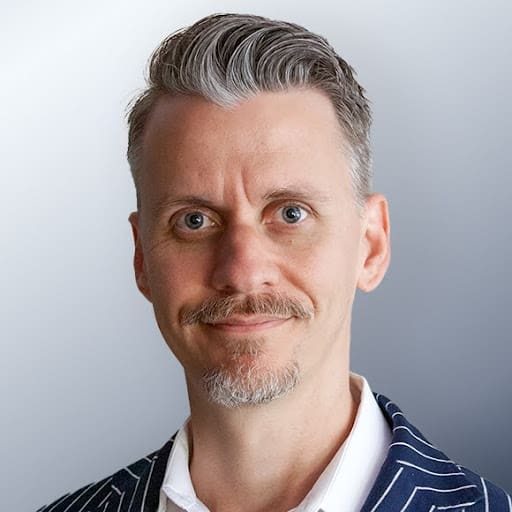
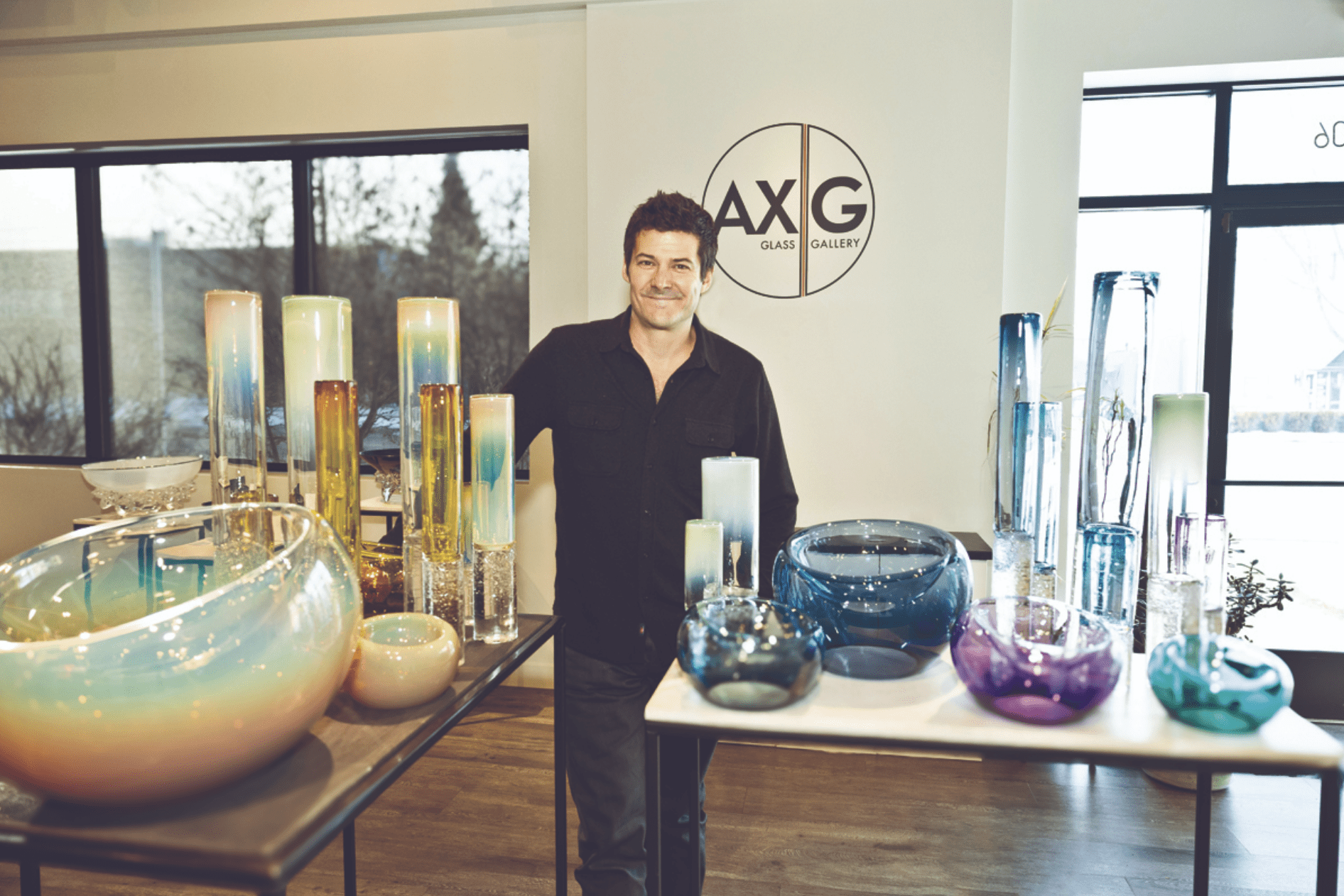
CCS is proud to announce that the 2026 Re/View: Alumni Exhibition will be juried by Joshua Wojick ’02, Crafts – Glass, Senior Director of Collections and Greenfield Village Operations at The Henry Ford. With more than two decades of museum experience, Joshua oversees the stewardship of nearly 26 million artifacts and brings a deep understanding of both artistic practice and institutional collections to his role as juror. A practicing glass artist since 1998 and former CCS adjunct faculty member, his work is represented nationally and included in private collections around the world.
Detroit-based glass artist Joshua Wojick works at the intersection of material, process, and perception, reaching beyond conventional glassblowing to explore the expressive and conceptual potential of glass alongside steel and clay. With a practice rooted in both tradition and experimentation, Wojick exploits the inherent fragility and structural strength of materials to challenge expectations and invite deeper reflection on how objects communicate meaning.
Wojick earned his B.F.A. from the College for Creative Studies and an M.F.A. in Sculpture from Eastern Michigan University. He has worked with glass since 1998, building a strong foundation in traditional furnace work while continually pushing the boundaries of material use. His commitment to learning from historical processes informs his belief that innovation is grounded in an understanding of the past.
A former adjunct faculty member at CCS, Wojick is currently the Senior Director of Collections and Greenfield Village Operations at The Henry Ford. With more than two decades of museum experience, he oversees the stewardship of nearly 26 million artifacts, bringing a deep understanding of both artistic practice and institutional collections to his work. His dual perspective as a practicing artist and museum leader informs his role as juror, offering a thoughtful and informed approach to evaluating contemporary creative work. His own work is represented nationally and held in private collections worldwide.
“As the juror for Re/View 2026, I am honored to recognize the outstanding creativity and talent within the College for Creative Studies alumni community. Through my interactions with our community, I am continually impressed by the breadth, depth, and quality of their artistic achievements. I warmly encourage alumni from all disciplines to submit their work for consideration for this annual exhibition. Re/View 2026 offers a meaningful opportunity for our community to reconnect and celebrate the lasting impact CCS alumni have as leaders in the arts.”
www.ccsdetroit.edu/wp-content/uploads/2026/01/unnamed-4.jpg Title: Perseus LED – Plastic – Zinc
www.ccsdetroit.edu/wp-content/uploads/2026/01/IMG_0035-2-1-scaled.jpg Title: Let Us Tell Tales Glass – Steel – Wood – Gold Leaf
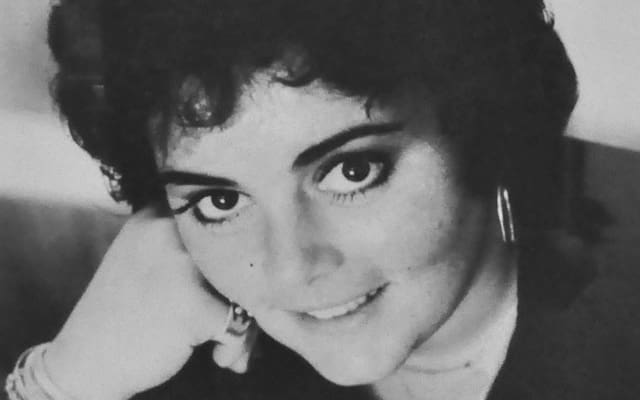
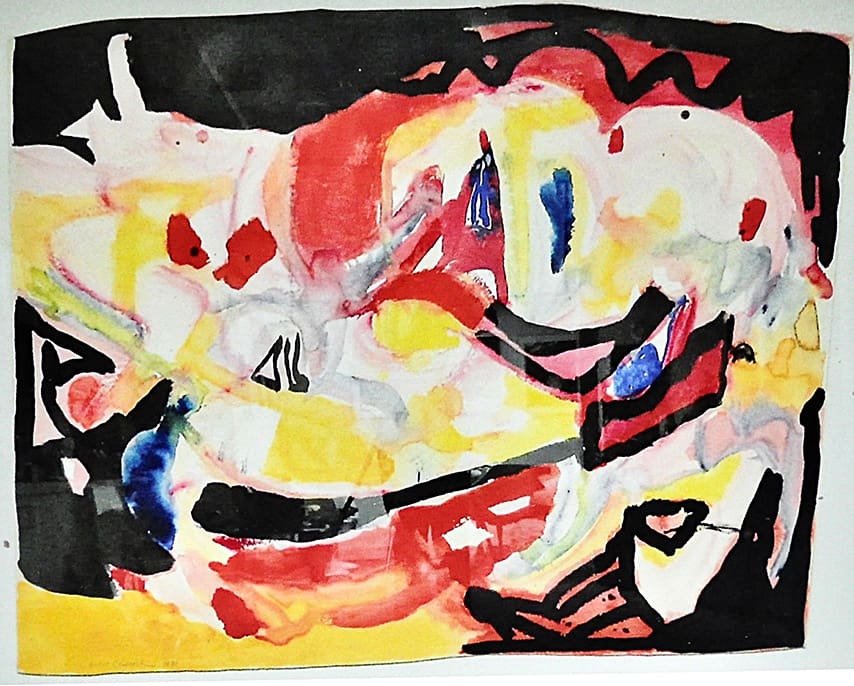
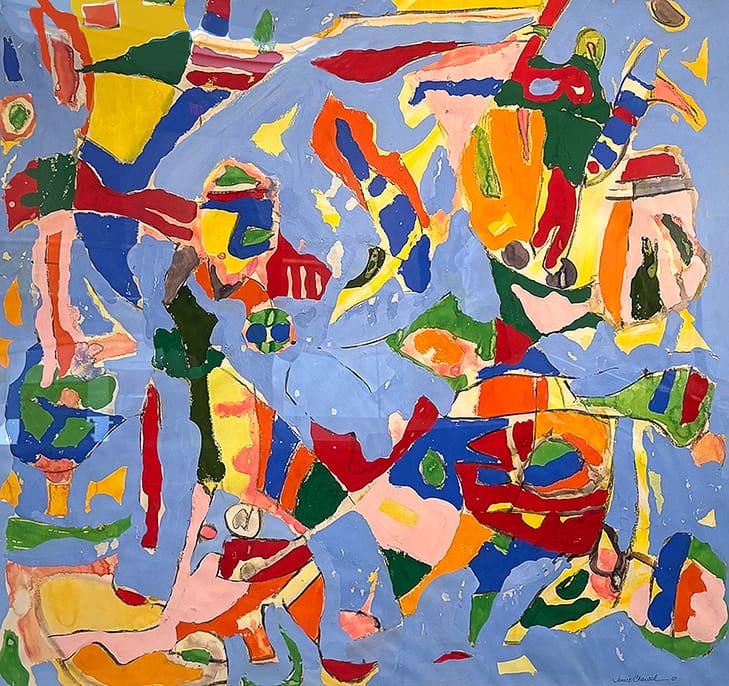
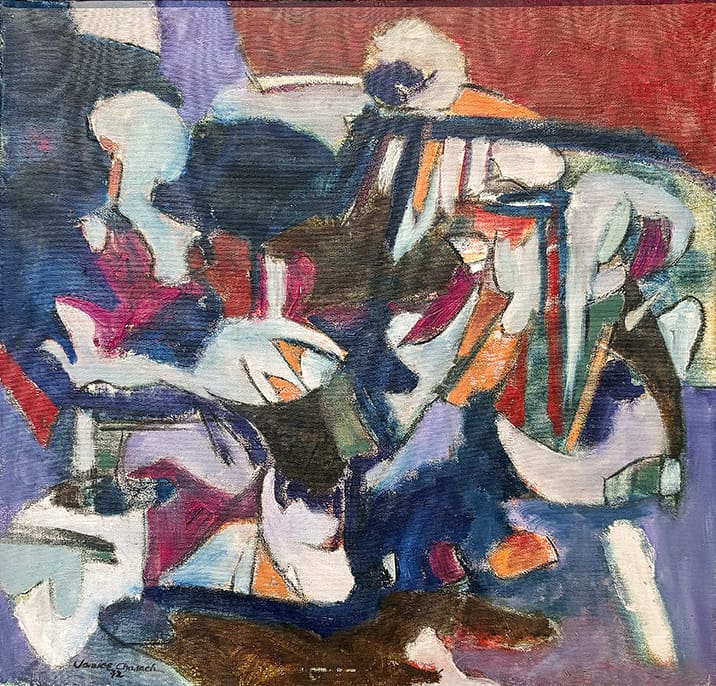
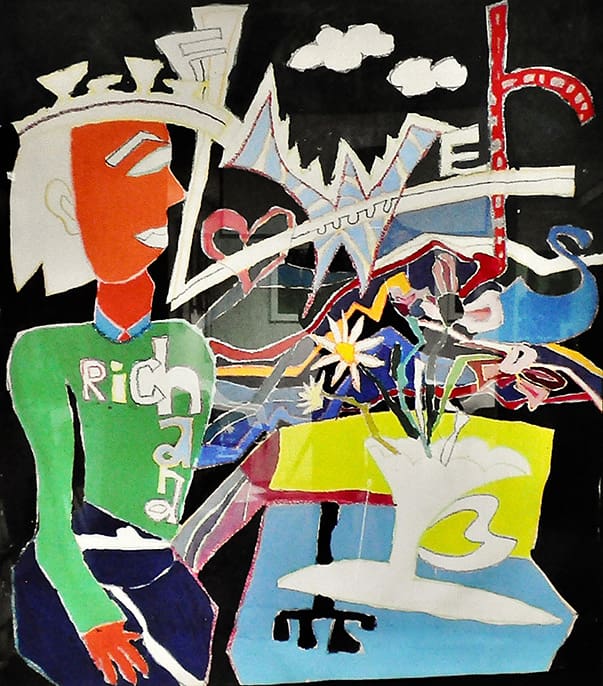
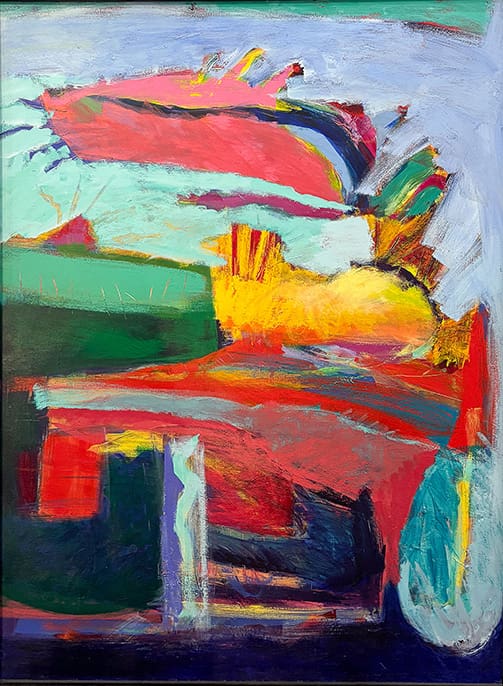
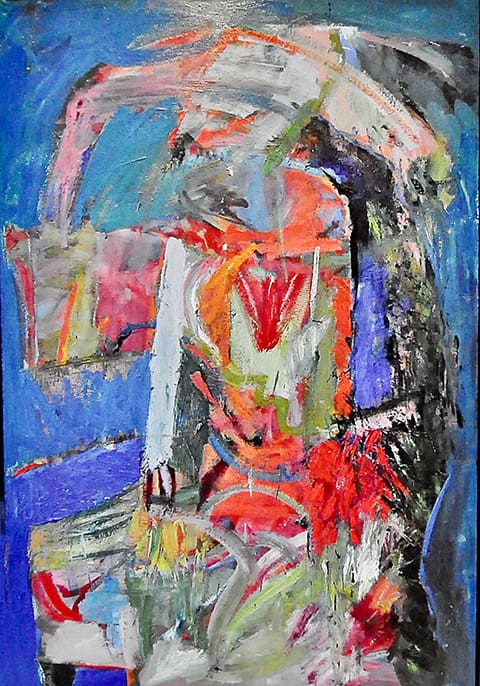
When artist Janice Charach (’73 Advertising Design) arrived at the College for Creative Studies, she quickly found what so many CCS students discover: a place where creativity, curiosity and belonging converge. Her years at the College shaped her as both an artist and a person. Janice immersed herself in studio courses, experimenting with materials and ideas that would later define her work. After earning her BFA, she continued to paint, exhibit and study, building a life devoted to artistic expression. When Janice passed away in 1989, her family found comfort in the world that had always connected them – art. Through the Manat Foundation, established by her parents, Natalie and Manny Charach, they began creating spaces where art could uplift others, including the Janice Charach Gallery in West Bloomfield. What began as an act of remembrance became a lifelong family commitment to celebrating creativity as a force for healing, connection and joy.
This year, that legacy has come full circle as the Manat Foundation has made a special gift to CCS to honor Janice’s life and her connection to the College, establishing two lasting initiatives: the Charach Family Galleries (formerly Center Galleries) and the Janice Charach Endowed Scholarship for students in the Studio Art & Craft department.
Honoring a Life Through Art
“CCS was where Janice’s artistic journey began,” said one of Charach’s cousins.
“Supporting today’s students and the galleries that showcase their work feels like the most meaningful way to honor her.”
The newly named Charach Family Galleries, located in the Manoogian Visual Resource Center, will continue to serve as a vital exhibition space for CCS students, faculty, alumni and visiting artists. The Manat Foundation’s gift provides immediate and ongoing support to enhance lighting, accessibility and the overall visitor experience. An endowed fund will also ensure the galleries’ long-term sustainability.
The Charach family’s decision to support CCS is rooted in legacy and love. The galleries stand as a tribute to Janice and a living space for creative exchange – a place where art continues to inspire connection, conversation and community.
A Family Legacy of Generosity
The story of the Manat Foundation begins with Natalie and Manny Charach, whom their nieces describe as “extraordinary ordinary people.” First-generation Americans of Eastern European Jewish families who put down roots in Detroit, they built their lives through hard work, perseverance and an unwavering belief in helping others.
Manny, a World War II veteran decorated for his service in France, and Natalie, who began working at 13 to help support her family, carried their early experiences of resilience into a lifetime of philanthropy. They founded the Manat Foundation in 1970, naming it for their shared initials, and spent the next five decades supporting causes close to their hearts: children’s health, education, veterans’ services and the arts.
“Natalie and Manny believed their true legacy was their philanthropy,” said their nieces.
“They taught all of us that giving back is both a privilege and a responsibility. We are proud to continue their work in ways that reflect who they were and what they valued.”
“This scholarship will empower future artists to take creative risks and explore their craft with confidence,” said Valerie Jenkins, Chair of the Studio Art & Craft department. “The Charach family’s generosity sustains the heart of CCS: our students and the spaces where they learn, create and share their voices.”
Speaking on behalf of the College, CCS President Don Tuski shared his gratitude: “We are deeply grateful to the Charach family and the Manat Foundation for this extraordinary gift. Their generosity honors Janice’s creative spirit while shaping the future of CCS in profoundly meaningful ways. By investing in both scholarships and the reimagination of our galleries, the Charach family is ensuring that creativity continues to thrive—opening doors for emerging artists and enriching the spaces where our community gathers to experience art. This gift embodies the very heart of our mission and will inspire generations to come.”
A Legacy That Lives On
Today, the Manat Foundation completes the philanthropic mission of its founders. These gifts reflect the family’s shared belief that creativity and compassion are deeply intertwined.
Through this partnership with CCS, that belief finds new life. The Charach Family Galleries and the Janice Charach Endowed Scholarship will ensure that future generations of artists – much like Janice herself – can learn, create and grow in an environment that values imagination, generosity and purpose.
Within the walls of the galleries that now bear her family’s name, Janice’s spirit endures. Her art, and the legacy it inspired, continue to remind us that creativity has the power to connect, to comfort and to carry us forward.