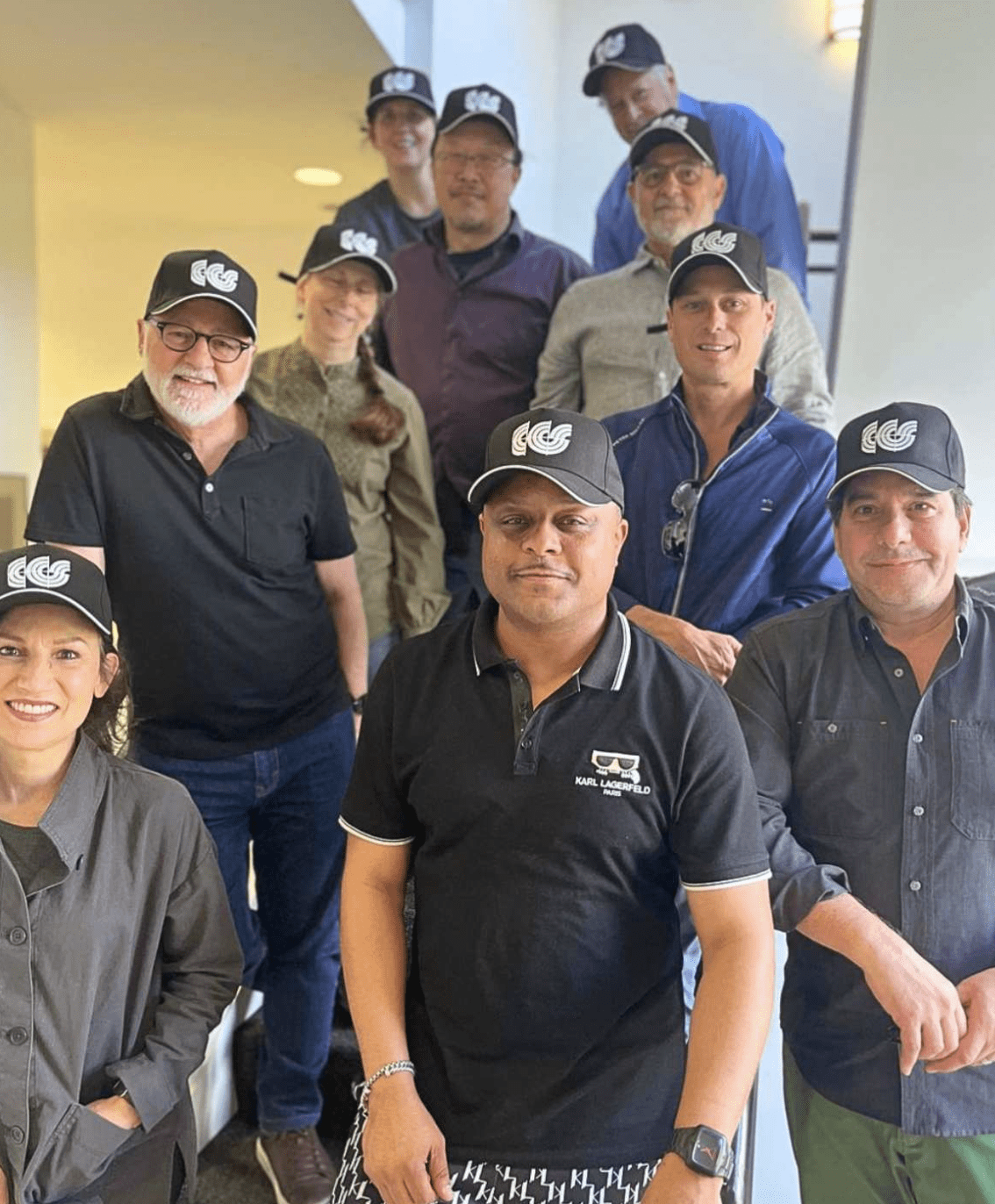
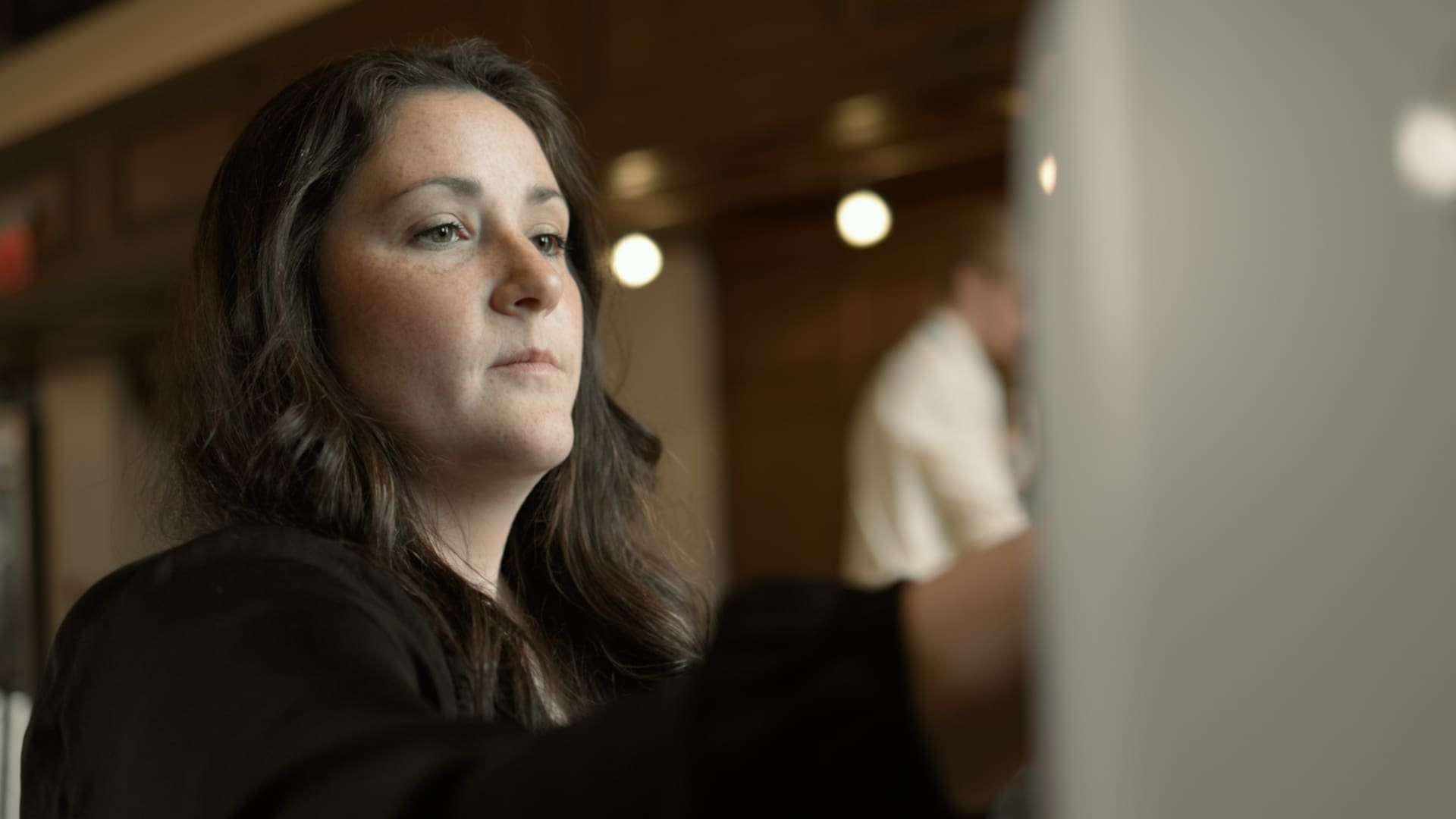
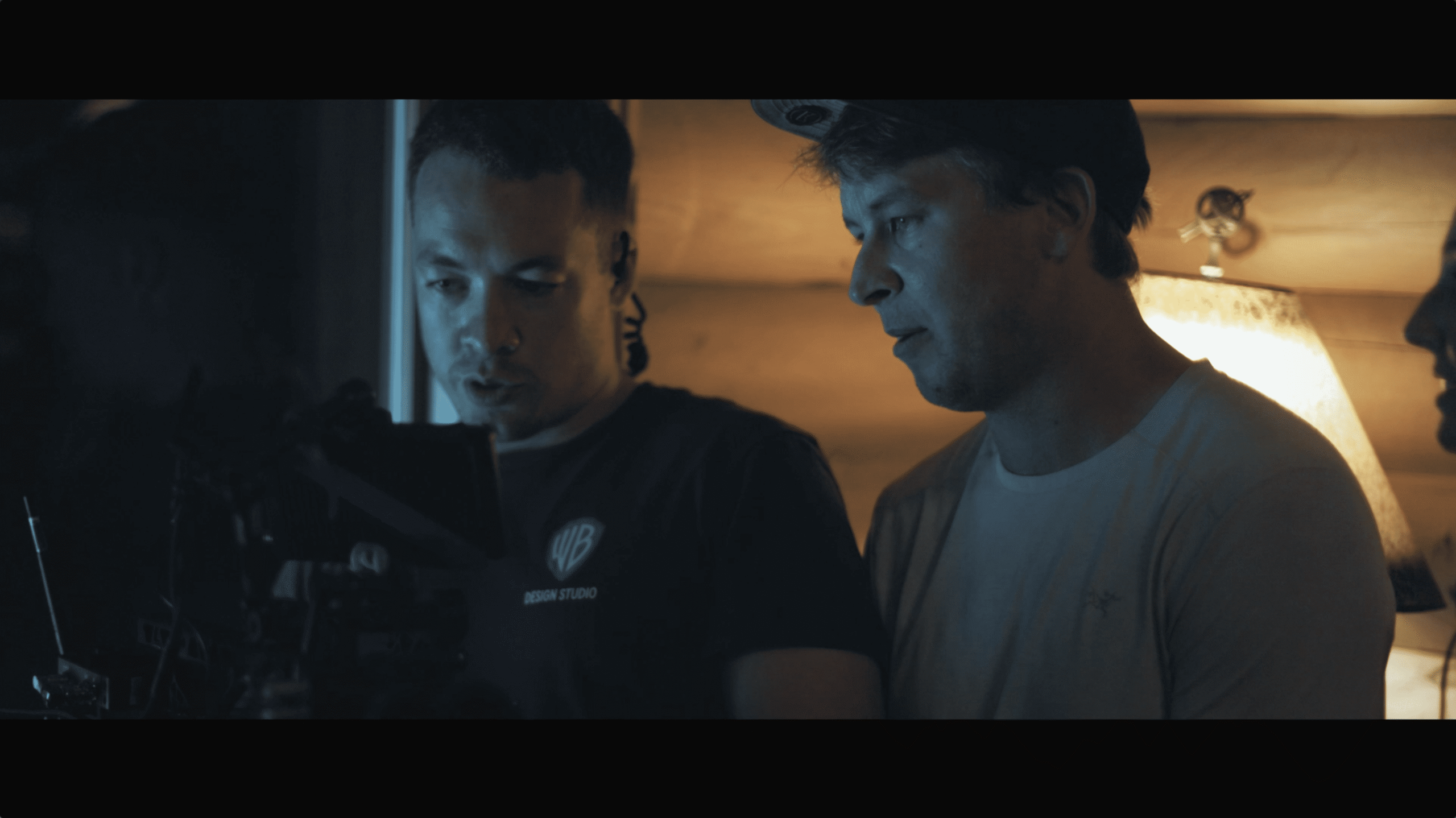
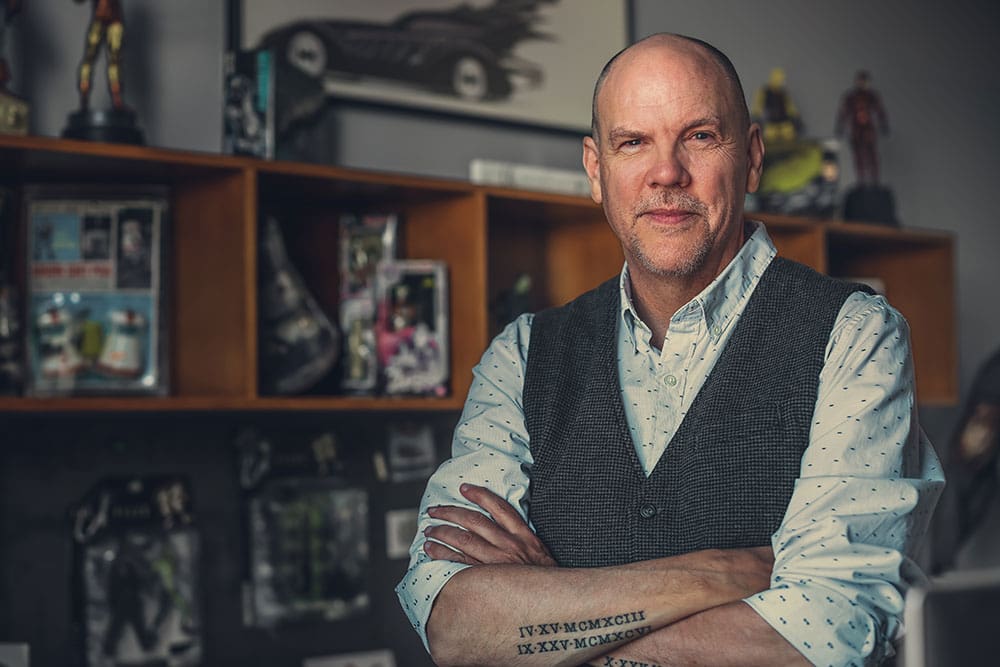
From home videos to backstage at HBO, Disney, Netflix and more, CCS Alumnus Evan Butka has used his love of being behind a camera to build a successful career.

“Whatever I’m filming, I always want it to be the best thing possible.”

We caught up with Evan on the set of SLAY, a film directed by Kyra Gardner and written by Jimmi Simpson, where he worked his magic as Director of Photography.

Evan got his start at CCS, studying film and photography, and later sharpened his craft in London, Edinburgh, and Prague. Now based in Los Angeles, he’s worked on major productions like Euphoria—bringing emotion and atmosphere to life, one frame at a time.

Tim Flattery, Provost, Vice President of Academic Affairs and Chief Academic Officer for the College for Creative Studies (CCS), is retiring, effective June 30, 2025. The renowned Hollywood concept artist, designer and educator provided 10 years of leadership at the College, including prior roles as Co-Leader of Academic Affairs, Chair of the Entertainment Arts department and Dean of Undergraduate Studies.

Leader

“The atmosphere here is electric. There’s a creative fuel that just pumps through every room and every hallway of this institution that’s really infectious and inspiring. I’ll miss being around that constantly.” – Tim Flattery

Flattery’s retirement marks the end of a fulfilling academic career at CCS, where his story began as a student. He graduated from the Transportation Design program in 1987 and credits the program for providing the transferable skills needed to have a successful film career in the Hollywood film industry. “CCS gave me all the tools that I could have imagined needing for success,” Flattery says. “It gave me the tools to think outside the box in regards to solving design problems, which makes the CCS grad very unique. And that was something that was noticed in Hollywood.”

Creative

Not only did Flattery break into Hollywood film, he thrived in it, nurturing a nearly 40-year career in the industry and racking up more than 100 film credits. He has conceptualized and designed for some of the most popular films of the late 20th and early 21st centuries, including “Back to the Future II,” the “Men in Black” movies, “Pirates of the Caribbean: Dead Man’s Chest,” “Dune,” and several Marvel movies including “Guardians of the Galaxy Vol. 2,” “Captain Marvel,” “Thor: Love and Thunder” and “Black Panther: Wakanda Forever.”

Flattery developed some of the most recognizable prop designs, like the Infinity Gauntlet for “Avengers: Infinity War,” the Batmobile for “Batman Forever” and the Fantasticar for “Fantastic Four: Rise of the Silver Surfer.” Flattery has also been nominated for two Art Directors Guild awards and won its Excellence in Production Design Award for his work on “Avengers: Endgame.”

www.ccsdetroit.edu/wp-content/uploads/2025/07/Tim-Flattery-Infinity-Gauntlet.jpg www.ccsdetroit.edu/wp-content/uploads/2025/07/Guardians-Tim-Flattery.jpg www.ccsdetroit.edu/wp-content/uploads/2025/07/tim-flattery-Thor-Love-and-Thunder.jpg

No matter how far Flattery went or how successful his career was, he never lost sight of where his roots were sown. That’s why in 2015, when former CCS President Richard L. Rogers tapped him to serve as Chair of Entertainment Arts, Flattery moved back to Detroit from Los Angeles, ready to “live the rest of my life back home where my DNA is.”

Mentor

As Chair of Entertainment Arts, Flattery created the Concept Design program, a competitive program that teaches students conceptual skills, 2D and 3D execution, and designing hardware, architecture, characters and environments. While developing this program, Flattery drew upon his experience in the film industry as well as his time creating a similar concept design program as Chair of the Entertainment Design program at ArtCenter College of Design in California.

CCS President Don Tuski credits Flattery’s leadership, hiring and execution for making Entertainment Arts a nationally recognized department.

“In talking with Tim during my first couple of years [as president of CCS], I realized that he had a rare mix of high-level industry experience. That mix of accomplishments in the industry, paired with great academic leadership at CCS and ArtCenter, were things that got my attention and led to Tim becoming Provost.” – Don Tuski, CCS President

www.ccsdetroit.edu/wp-content/uploads/2025/07/CA9A9584-Edit.jpg www.ccsdetroit.edu/wp-content/uploads/2025/07/NJ1A4577-scaled.jpg www.ccsdetroit.edu/wp-content/uploads/2025/07/487452161_1080954844061624_4089960607571417118_n.jpg

David Gazdowicz is one of the many CCS faculty members Flattery has profoundly impacted. With a background in animating, filmmaking, audio producing and game/interaction design, Gazdowicz currently serves as the Chair of Entertainment Arts, overseeing the Animation, Game Design and Concept Design programs. A fellow CCS alum, he was a visiting artist and assistant professor at the College when Flattery became the Chair. Within Flattery’s first year in the role, he hired Gazdowicz as full-time assistant professor.

During his time working with Flattery, Gazdowicz admired Flattery’s “collaborative personality” and his ability to quickly assess what the Entertainment Arts department needed. He says Flattery gave faculty the agency to make decisions, and he kept the student experience at the forefront of his own decision-making.

“When he came in, every decision that he was making was all about, ‘How do we make it good for the students?’ or ‘How do we improve the students’ experience?’ or ‘How do we bring something to the students that is going to help them become better artists and storytellers, and give them a leg up in the industry?’” Gazdowicz says. “I was really blown away by how much he really did care.”

When Gazdowicz was made Chair of Entertainment Arts – Animation, Game Design and Concept Design, he recalls Flattery empowering him to take on the role. Gazdowicz tries to give that same encouragement and autonomy to his faculty, just like Flattery did before him.

“I feel like [these are] some of the best years that I’ve been at CCS and some of the most progress we’ve made,” he says. “We’re trying to make the curriculum as best as it can be, helping the students as much as we can, really being flexible with the students — and that all comes from Tim.”

Innovating processes to intentionally enhance the student, faculty and staff experience has always been a priority for Flattery. When he became Co-Leader of Academic Affairs in 2020, Flattery quickly found ways to adapt to remote learning during the pandemic, working with the College’s faculty to create online and asynchronous learning solutions. When he became Dean of Undergraduate Studies in 2021, Flattery worked with faculty to redesign the Foundations program. Rather than all first-year students taking the same Foundations courses, the program was organized to be discipline-specific to better support students’ individual career paths. He also oversaw the creation of the Interdisciplinary Art + Design program to support students interested in pursuing multiple disciplines rather than just one.

www.ccsdetroit.edu/wp-content/uploads/2025/07/IMG_2145-1-scaled.jpg

Flattery created the Chairs Council to encourage shared governance with department chairs. Through this council, academic department chairs could hold meetings, without the Dean, in order to discuss their concerns in a comfortable setting, create formal recommendations for consideration and be more effective leaders. “He empowered the Chairs to meet on their own and work on problems together,” Tuski says. “It was a very positive experience for the Chairs, for Academic Affairs and the College.”

All of Flattery’s industry and academic experience came to the helm when he was appointed Provost, Vice President of Academic Affairs and Chief Academic Officer in 2022. Flattery oversaw Academic Affairs and later Student Affairs, when it was brought under Academic Affairs to create a more holistic approach. From student organizations and residence life to resources for first-generation and international students, Flattery uplifted CCS’s goals to cultivate an exceptional environment for students, faculty and staff.

www.ccsdetroit.edu/wp-content/uploads/2025/07/92287-scaled.jpeg

“Having a clear vision and a plan for implementing that vision is key,” Flattery says of being a provost. “Being a good communicator and overcommunicating is key.”

As Provost, Flattery continued his work of increasing shared governance and streamlining academic programs to make them more efficient. He combined the Fine Arts and Crafts departments to form the new Studio Art & Craft department as well as the Advertising and Communication Design departments to make the new Communication Design & Strategy department. He has also overseen the development of new reduced credit Bachelor of Arts programs that are currently awaiting accreditation.

Flattery’s passion for student success led to important student retention initiatives during his time as Provost. This intentional work brought CCS’s retention rate to its goal within the 80th percentile.

Flattery made CCS a leading example by instituting an artificial intelligence (AI) policy across the College in 2023, making CCS the first Association of Independent Colleges of Art & Design (AICAD) college in the country to do so. The four-point policy allowed for CCS students to show curiosity in the ever-evolving landscape of AI while remaining ethical and honoring intellectual property.

At the heart of all the policies, programs and committees, and no matter his job title, it has always been about giving everything he can to the students, faculty and staff. During his time at CCS, Flattery has taught students who have gone on to have their own fulfilling careers in their dream industries. “We have many successful alumni who are doing really fantastic work, in animation, film and game design. And many of them were students of Tim’s,” Tuski says. “It’s amazing just the number of alumni that Tim has taught who have gone on to work on their own television shows and work in movies like Tim has.”

www.ccsdetroit.edu/wp-content/uploads/2025/07/0F6A0097.jpg

“He’s a phenomenal concept designer, teacher and communicator, able to get to the core of the issue and provide kind, helpful and directly actionable critiques. Tim helped me develop my skills, craft and design sensibilities. He’s someone I look up to; he’s approachable, humble and down to earth despite his great success. He was, and is, a mentor to me.” – Alex Nakhleh ’24

One of those students Flattery taught and mentored is Alex Nakhleh, who graduated from the Concept Design program in 2024. As a student in Flattery’s Concept Industrial Design course, Nakhleh says Flattery provided helpful feedback on his graduation portfolio during Senior Studio, a two-semester course that helps students create a portfolio of work to share while job searching. Nakhleh now does environment, architecture, hardware and prop design primarily for virtual reality video games. CCS doesn’t have to say goodbye entirely to Flattery — he will serve as CCS’s first Provost Emeritus and do consulting for the College. And you might see his name in an upcoming movie credit; he worked on the new “Superman” movie directed by James Gunn, coming out this July! (Although Flattery retired from the film industry in February, he says he’ll still do some work here and there.) “The atmosphere here is electric,” Flattery says of what he’ll miss most about CCS. There’s a creative fuel that just pumps through every room and every hallway of this institution that’s really infectious and inspiring. I’ll miss being around that constantly.”

www.ccsdetroit.edu/wp-content/uploads/2025/07/Tim2-scaled.jpg

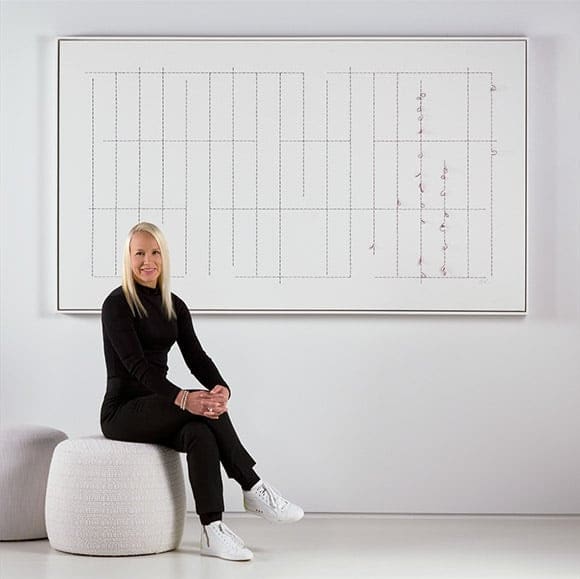
CCS alumna Elizabeth Salonen made waves at NeoCon 2025, partnering with Bernhardt Design to create a captivating experience in their showroom, Space 320 at The Mart. Salonen, a distinguished multidisciplinary artist-designer, has unveiled “Meditations on Canvas,” a series of seven meticulously hand-stitched large-scale works that truly embody her unique Finnish design ethos: functional beauty intertwined with a deep connection to materiality.

Salonen’s creative journey is extensive. She founded Mottoform, her design studio, in Helsinki in 2005, later moving its base to Ontario, Canada. Her expertise spans a wide array of disciplines, from product design, ceramics, and textiles to interiors, lighting, and the crafting of collectible art and objects.

Her innovative work has garnered international acclaim, including the prestigious honor of being named Industrial Designer of the Year in Finland in 2012. She graduated from CCS with a degree in Industrial Design.

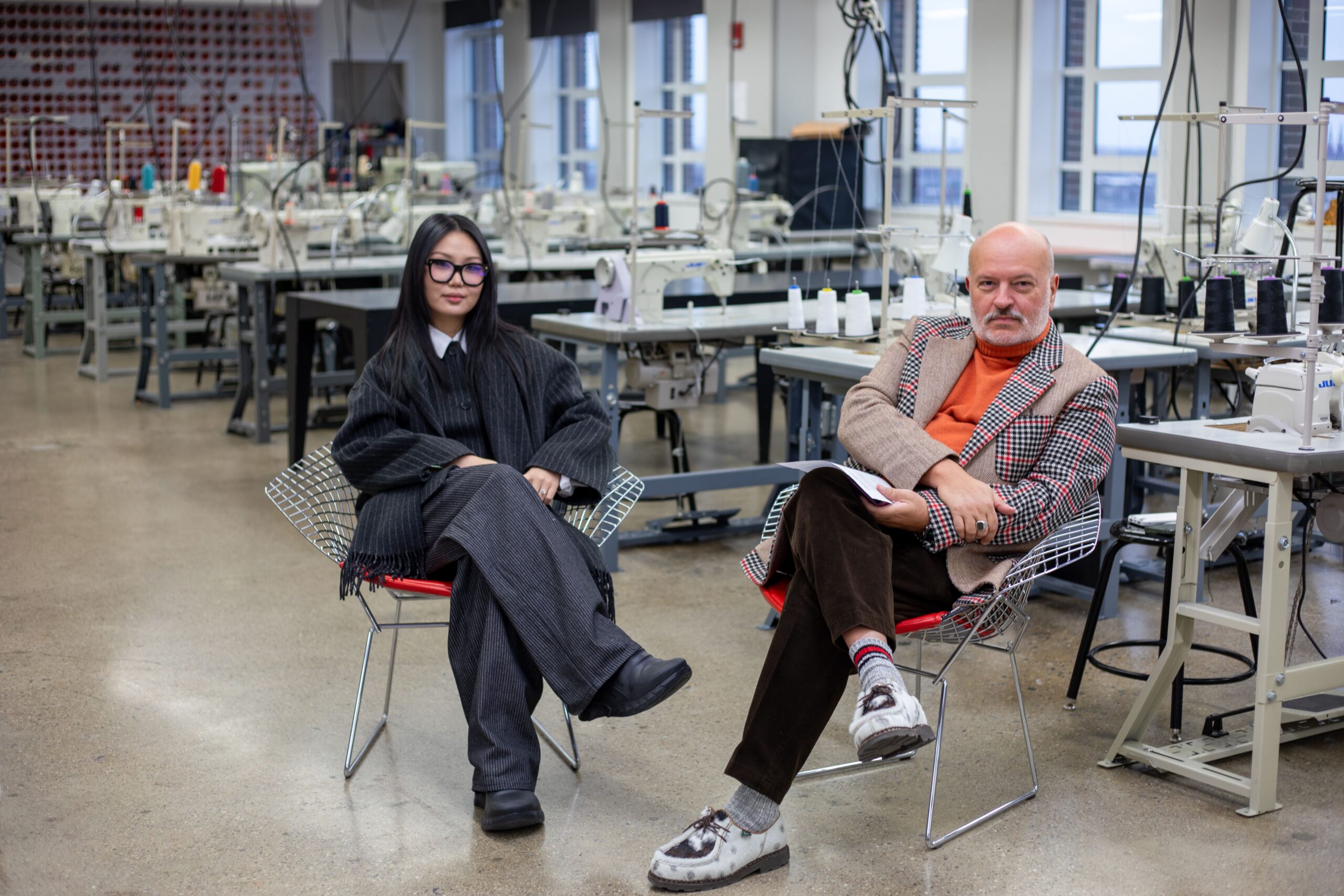
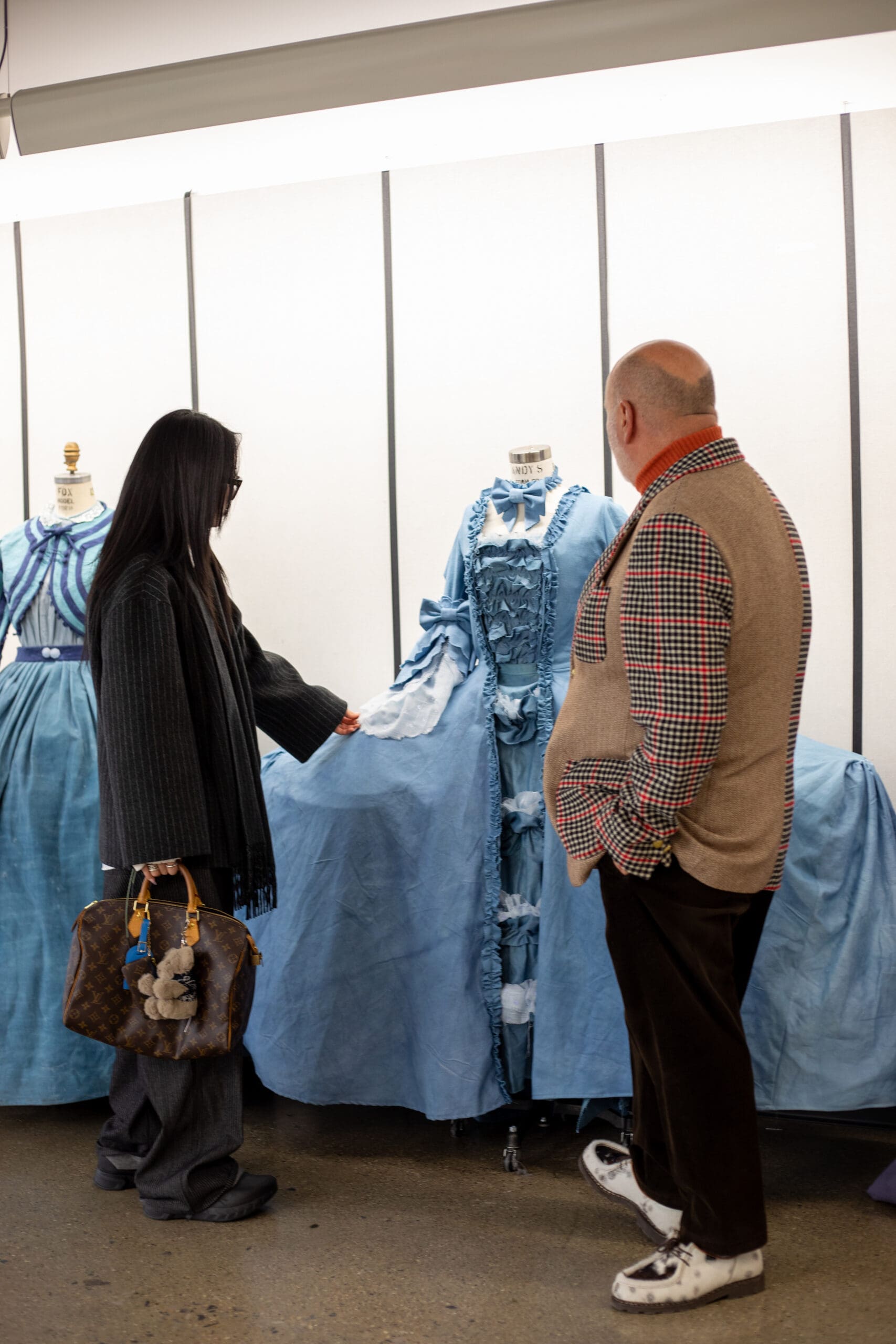
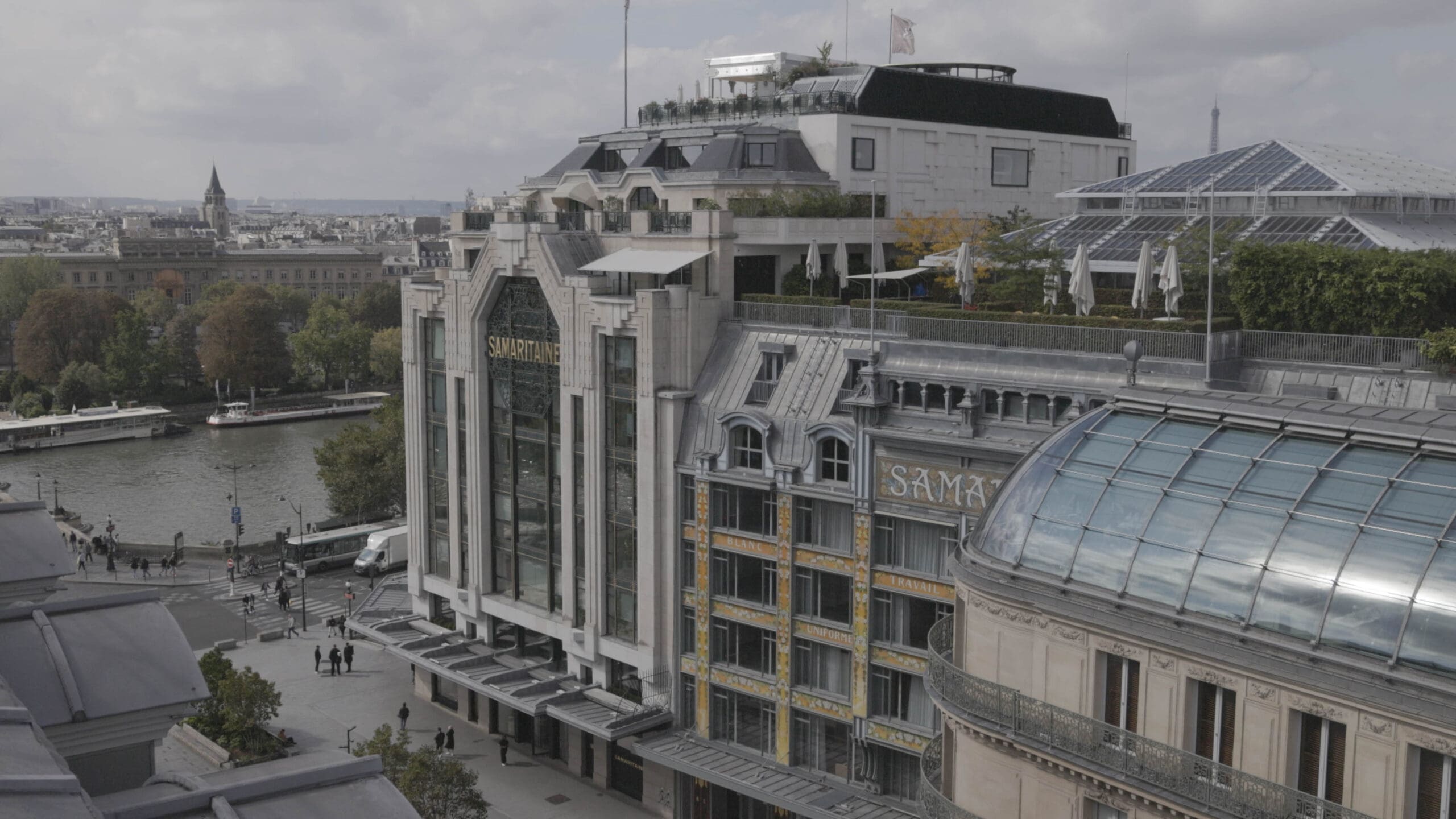
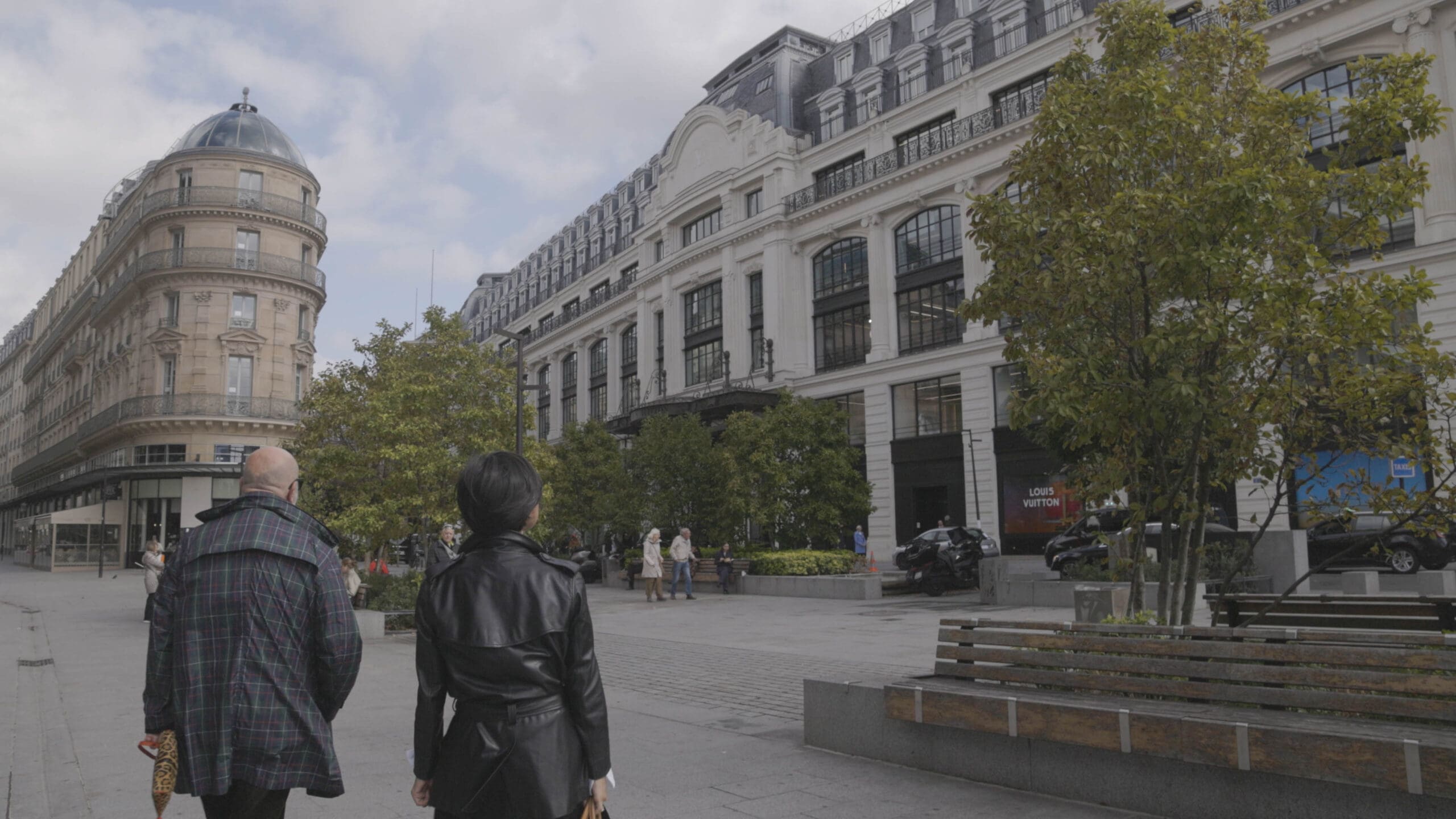
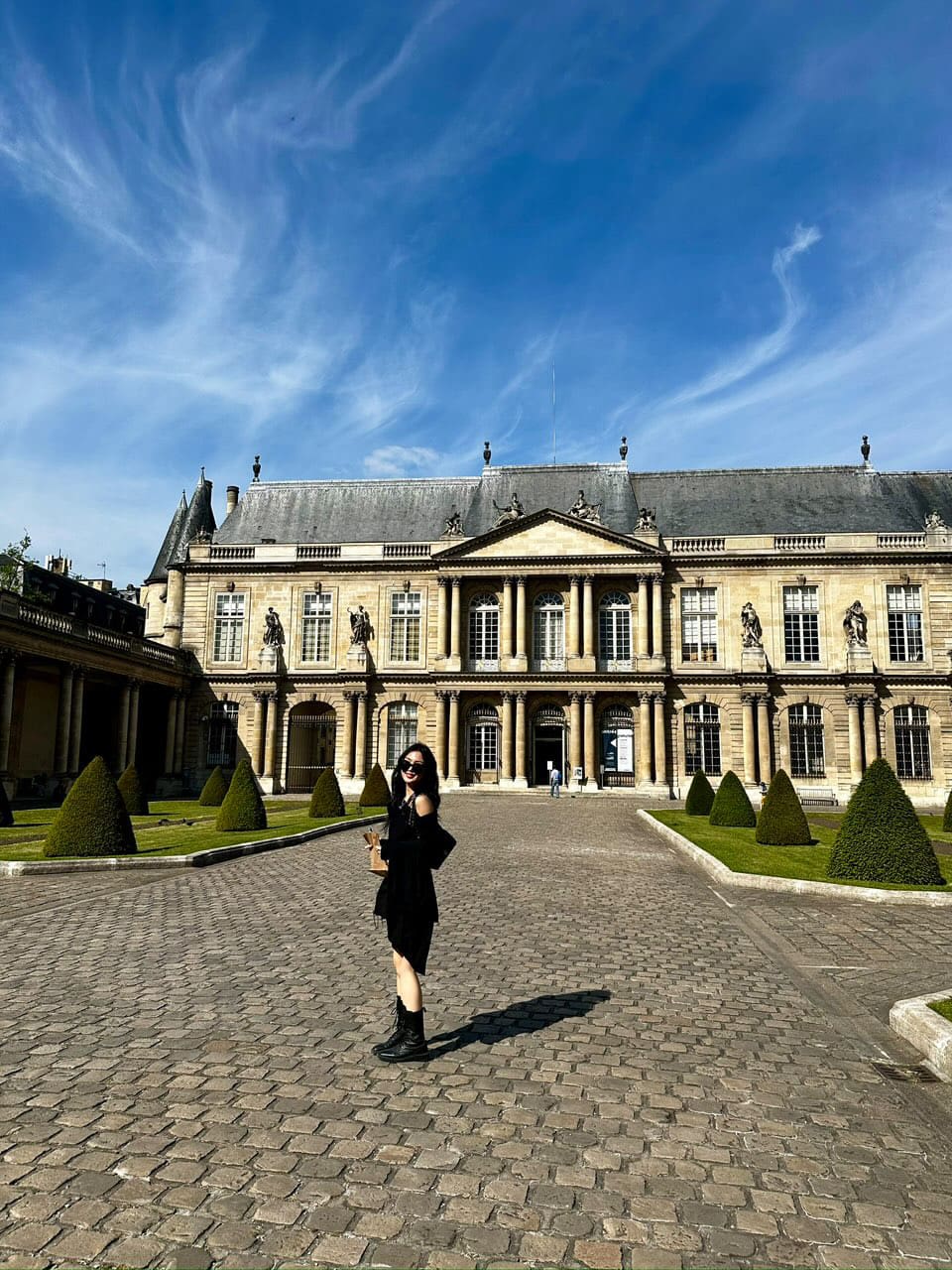
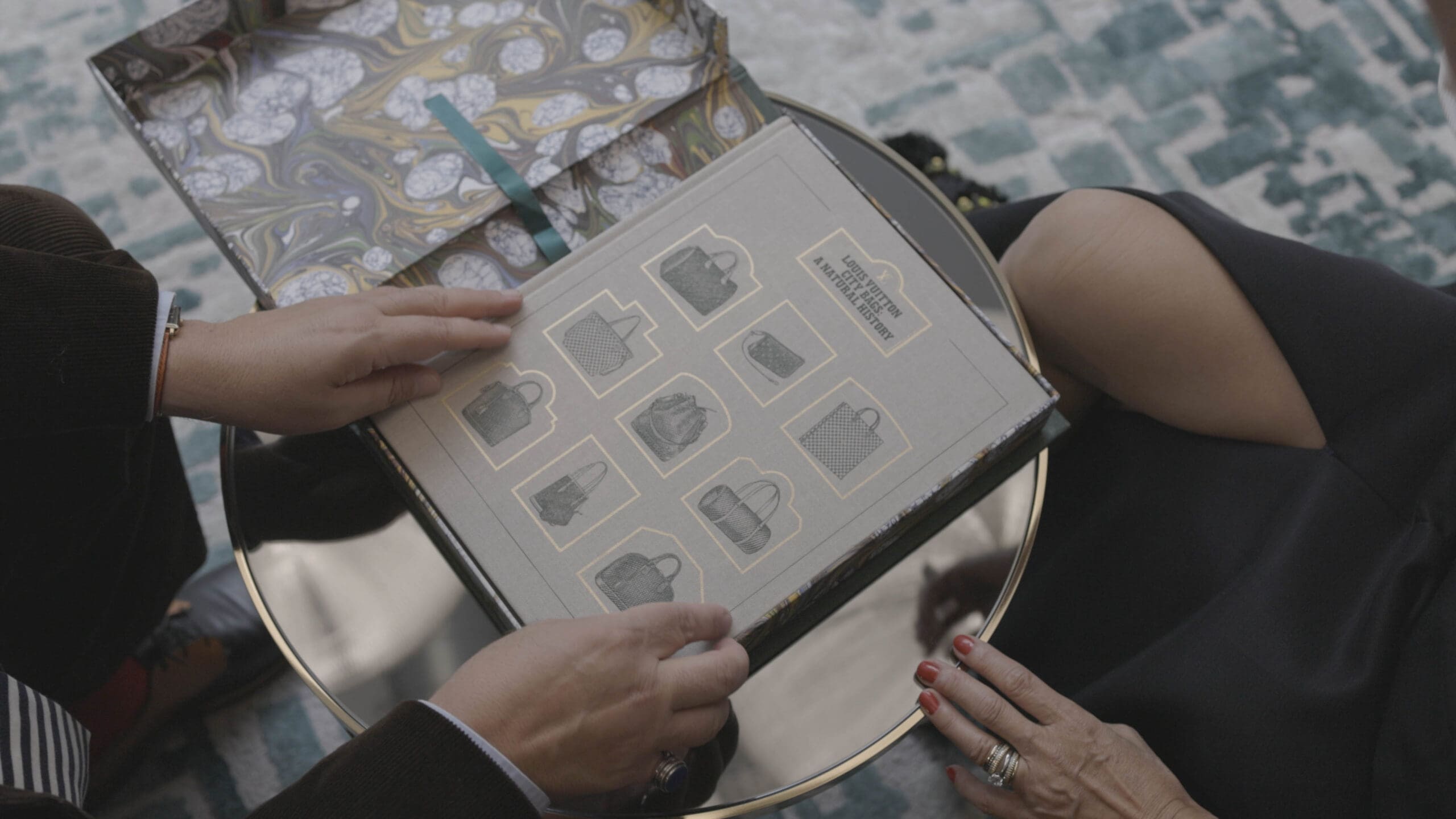
The first time Aki Choklat, Linda Dresner Endowed Chair of Fashion Design at CCS, and Nikki Park, CCS Fashion Accessories Design alum, met was over a meal of tonkatsu at a sushi restaurant in Michigan in 2019. Nikki happened to be Aki’s server and the two struck up a conversation about a shared love of fashion that would kickstart an incredible journey for Nikki, from design student in Detroit, Michigan, to Design Assistant at Louis Vuitton in Paris, France. Aki chatted with Nikki during her recent visit back to the CCS Fashion Design department.

The Interview

“…From the moment I started to decide, okay, I just have to work with what I’ve got. That’s when I sort of was able to fully immerse myself…” –Nikki Park

Aki Choklat: Hello. Well, welcome back Nikki, to your second home. Nikki Park: My second home!

AC: So, I just wanted to start this interview by reading something. This is from January 18, 2019. It’s an email you sent me. Subject: Nikki from Sushi Hana. Hello, Aki. I’m not too sure if you remember me, but I’m Nikki from Sushi Hana. I recently talked to you about visiting you to show you my current portfolio. I was still wondering if you have any free time for me to discuss my portfolio with you the following week. It would honestly be much appreciated if I had an opportunity to have your input in my work. Thank you, Nikki Park. That’s 2019, and a lot has happened. NP: Wow, that’s like six years ago!

AC: : Exactly! So, describe to me a little bit what was your world like in 2019? I also have a picture of, by the way, what was served that night. I remember I had tonkatsu. NP: I remember Tonkatsu! And I remember I also have a picture of your handwriting on my order. You wrote your email there and that’s how I ended up emailing you.

AC: What made you think that, you know what, at this point in my life, I want to pursue another degree, or continue studies in another field? NP: Yeah, I think from a very early age I was very interested in the way people presented themselves. So that’s always been a baseline of what I was interested in, but then I went through different careers of, you know, going to a different school, going into automotive, then hotelier and then I ended up taking a break from all of that. I was in the phase of trying to figure out what I want to do when I met you. And during that time, I visited this department and it triggered me to think that it could be a reality to study this. This could be a career that I can pursue. This might be something that I can finally fully invest myself in and be proud of myself at the end of the day.

AC: Which was most recently at… NP: Which was at Louis Vuitton in Paris. I really made the American design student’s dream of going to Europe and working for one of the biggest brands in the world. I will say just the whole experience of, you know, meeting you in the beginning at an unsure time helped, like looking back, I think that applies to how I adjusted into LV in the beginning too because I was like, I have no expectations. I’m not going to expect that this is going to be good or bad, I’m going to go in there as a clean slate, so I can just absorb as much as I can.

AC: Well, I think that life is full of, you know, weird instances and I firmly believe that everything happens for a reason. And I really like the fact that when you said that you had no expectations, everything in life is a learning experience. But let’s talk about the young Nikki, tell me where do you come from? NP: I come from everywhere. I was born in Chicago and then around five, I moved back to Korea with my parents. But even while living in Korea, I didn’t have the typical Korean life because I went to an international school. A lot of my friends would leave in one or two years. I had to adjust in a space very similar to my office right now where it’s fully international, but on top of that, not everyone spoke English in Korea, so I was always surrounded by very diverse people. I was also lucky enough to live in China for one year right before I moved to America. We then moved to Iowa, North Carolina and then I went to Penn State. I moved all the time because of my dad’s job, because he’s in the purchasing field of the automotive industry. So it’s a lot of moving around. I think when I was younger, I was able to just absorb a lot, whether it was just culture, language, the food, how people dress, how they express themselves, which is collectively just culture.

AC: Oh, wow. What did you study at Penn State? NP: Yeah, at Penn State, I was studying supply chain management and I was trying to go into the automotive industry. And then I dropped out twice because I realized that, oh, my dreams were actually not approachable studying this. So, luckily around that time was when my dad decided to move here for his job and, voilà, that’s how I moved to Detroit.

AC: Well, it sounds like your life story is kind of a foundational training for being able to integrate into this new country and new position because you have done it so many times already. So you are in Paris now. How did you dive into this whole brand-new world of design in a leading fashion capital in the world? NP: That’s a good question because I would say I’m still learning. It’s a lot of adjustment and it’s been exactly eight months now. I think at first you’re just so overwhelmed by the city, you know, because you’re in a new country and you don’t know the language. I’m very lucky that I was able to visit, like two times before living there, but living there is a completely different thing. Just everything was such a culture shock in the beginning.

AC: Well, that’s the one thing, you know, coming from Europe, is that you are exposed to fashion since you’re born. I mean, it doesn’t matter if you’re into fashion or not, you open the papers, you look at the billboards in places like Paris or Milan and it’s there. So you are instantly exposed to all the words, all the brands, and you already have this sort of gen ed before you even go to the university. NP: In the beginning, I was a bit more like, oh, did they make a mistake? Picking me, you know, like, maybe they didn’t really think it through because I felt like I lacked the way of communicating. But I think because I had no expectations, I took that opportunity to just absorb. And I think from the moment I started to decide, okay, I just have to work with what I’ve got. That’s when I sort of was able to fully immerse myself and become one of them and become a team member.

AC: So it sounds like you’ve really learned a lot in the past eight months. NP: I can tell you, just these eight months, the amount of stuff I learned and I’m just able to do by myself now, it’s at least five to 10 years’ worth of experience. When I first joined it was completely, fully just to absorb everything that I wanted to learn since a young age. And I think that mindset really helped to bring me where I am right now … I didn’t have all these like expectations of myself because I’m just a bare canvas.

AC: So what does the future look like for you? NP: I think my next goal is to have one of the bags that I worked on show on Vogue Runway. I am lucky that at one point I was working on the LV Murakami collection for the high-end team. But for the future, I just want to keep my options open, I’m not opposed to anything in my realm.

AC: Looking back at your time at CCS, what was it like when you… NP: I was very lucky that Millie de la Valette from Louis Vuitton decided to come to CCS my senior year. I still remember the day that we found out she was coming into the fashion studio five minutes before she did. I was upstairs, we had no clue she was here. We were just preparing for the show and doing work. Soon after, I got a call from a plus three three France number. I’m like, hello? And Millie just starts off with like, we are going to give you an internship. I’m like wait, wait, stop, really stop! I was just so shocked. I was like, there’s no way. But the words “LVMH” and “me” are in the same sentence from someone else’s mouth, that’s like, that’s insane? And then yeah, the rest is history.

AC: I mean, that’s incredible. What a crazy journey.

“For the future, I just want to keep my options open, I’m not opposed to anything in my realm.”

Editor’s note: This transcript was lightly edited for length and clarity.

Nikki was one of three designers who received the LVMH Prize for Young Fashion Designers in 2023. The 10th edition of the award ceremony took place on June 7, 2023, at the Fondation Louis Vuitton. Each recipient received 10,000 euros and joined the studios of three Houses of LVMH for one year: Louis Vuitton women’s leather goods, Louis Vuitton womenswear and Dior Homme. You can read more about the 2023 Prize announcement here: https://www.lvmh.com/en/news-lvmh/the-winners-of-the-tenth-edition-of-the-lvmh-prize-for-young-fashion-designers

Sometimes, the most powerful moments unfold in the simplest of places. For Mark Allen ’94, Transportation design, it happened in a parking lot—an impromptu conversation with a tough instructor that would send him down a road paved with creative milestones, career-defining decisions, and iconic designs. Before he became known as “Mr. Jeep,” Mark’s journey was one of searching and self-discovery. High school hadn’t been a place where he thrived, and after graduation, he enlisted in the U.S. Air Force. Though it wasn’t a perfect fit, the experience gave him structure, time to reflect, and eventually, the drive to pursue a more creative path. That path led him to an art college in Seattle, where he initially studied product design.

It was there that fate—and a frank professor—intervened. “He was hard on me, really hard,” Mark recalled. But after one class, that same professor stopped him in the parking lot and asked a question that shifted everything: “What do you really want to do?” When Mark admitted he dreamed of becoming a car designer, but didn’t think he had the talent, the instructor didn’t laugh. Instead, he pointed Mark toward schools like ArtCenter or the College for Creative Studies, calling them the “Harvard” of design education. That vote of confidence gave Mark the direction he’d been missing.

During a holiday trip to Detroit with his girlfriend—now wife—he toured CCS. He was both inspired and intimidated by what he saw: students sculpting clay models, producing stunning sketches, and breathing life into automotive visions. Back in Seattle, he poured himself into building a portfolio, and when a CCS admissions rep visited Portland, he took a leap of faith. He was accepted.

In 1990, Mark made the cross-country move to Detroit in a U-Haul, ready to begin the next chapter. At 26 years old and a military veteran, he didn’t exactly fit the mold of a “typical” CCS student. Most of his classmates were fresh out of high school. But Mark brought with him a deep well of life experience, discipline, and hands-on skills that helped him stand out. He was determined not to waste the opportunity. “I wasn’t going to be the one who failed,” he said.

Over time, he found that CCS was the right fit—not just creatively, but personally. He built lasting friendships, honed his abilities, and finally felt like he was on the right path.

At the time, Chrysler was headed for a product renaissance. Mark landed an internship there, and when he graduated, he was the only designer hired into Chrysler’s studios that year. Over time, he contributed to Dodge, Chrysler, Ram, and Jeep projects. Though he initially gravitated toward sleek, fast cars, a visit to the Moab Easter Jeep Safari in 2001 changed everything.

“I came back hooked,” he said. The rugged terrain, the Jeep community, the spirit of off-road adventure—it all clicked. He began focusing more on Jeep design and eventually rose to become its head designer. Under his watch, Jeep evolved dramatically—most notably with the launch of the four-door Wrangler, a vehicle that shifted the brand’s place in everyday life. Once considered a fun, secondary vehicle, Jeep became a primary car for families and adventurers alike. “It was like going from a speedboat to a station wagon,” he joked. Even Mark wasn’t sure the four-door would succeed—but it became a defining success story for the brand.

He also brought a sense of fun and storytelling to design, championing the now-famous Jeep “Easter eggs”—small hidden details designed to delight customers and surprise them long after purchase. One fan-favorite example? A tiny silhouette of a vintage Willys Jeep scaling a hill, hidden in the corner of a Wrangler windshield. “They cost the company nothing,” Mark said, “but they meant everything in terms of connection.” These whimsical features became a hallmark of the brand and a reflection of Mark’s belief that design should have heart and humor.

That blend of story and style showed up even earlier in his career, when Mark designed the 1999 Dodge Power Wagon Concept, unveiled at the North American International Auto Show. Inspired by the original Dodge Power Wagon, it featured a bold, modern design and a Caterpillar turbodiesel engine. Though the concept truck never made it to production, it found an unexpected second life: as a Hot Wheels car. The casting became a collectible, even receiving a tooling update in 2009. For Mark, seeing his design shrink down to fit in the palm of someone’s hand was surreal—and incredibly fun. “It was real, it was tangible, and it was something I could show my kids,” he said.

Mentorship and leadership became natural extensions of his work. Though he didn’t have formal mentors, Mark looked up to industry figures like Tom Gale and sought to emulate their integrity and passion. He believed in strong ideas over flashy sketches and often hired designers based not on polish, but on bold storytelling and conceptual clarity.

After decades at Jeep—and helping shape it into the global brand it is today—Mark retired with deep gratitude for the journey. He speaks with pride about those who came after him, particularly Vince Galante ‘05, who succeeded him at Jeep, and the many young designers he mentored along the way. He still keeps in touch with his former team. The bonds forged in clay studios and design reviews endure, just like the timeless vehicles he helped create.

For Mark Allen, it all started with a conversation. A moment of honesty and encouragement that steered him toward CCS, toward Chrysler, toward a career that would influence an entire generation of design. His story reminds us that creativity isn’t just about talent—it’s about curiosity, courage, and the willingness to chase a dream, even if it takes a couple of U-Hauls and a few thousand miles to get there.

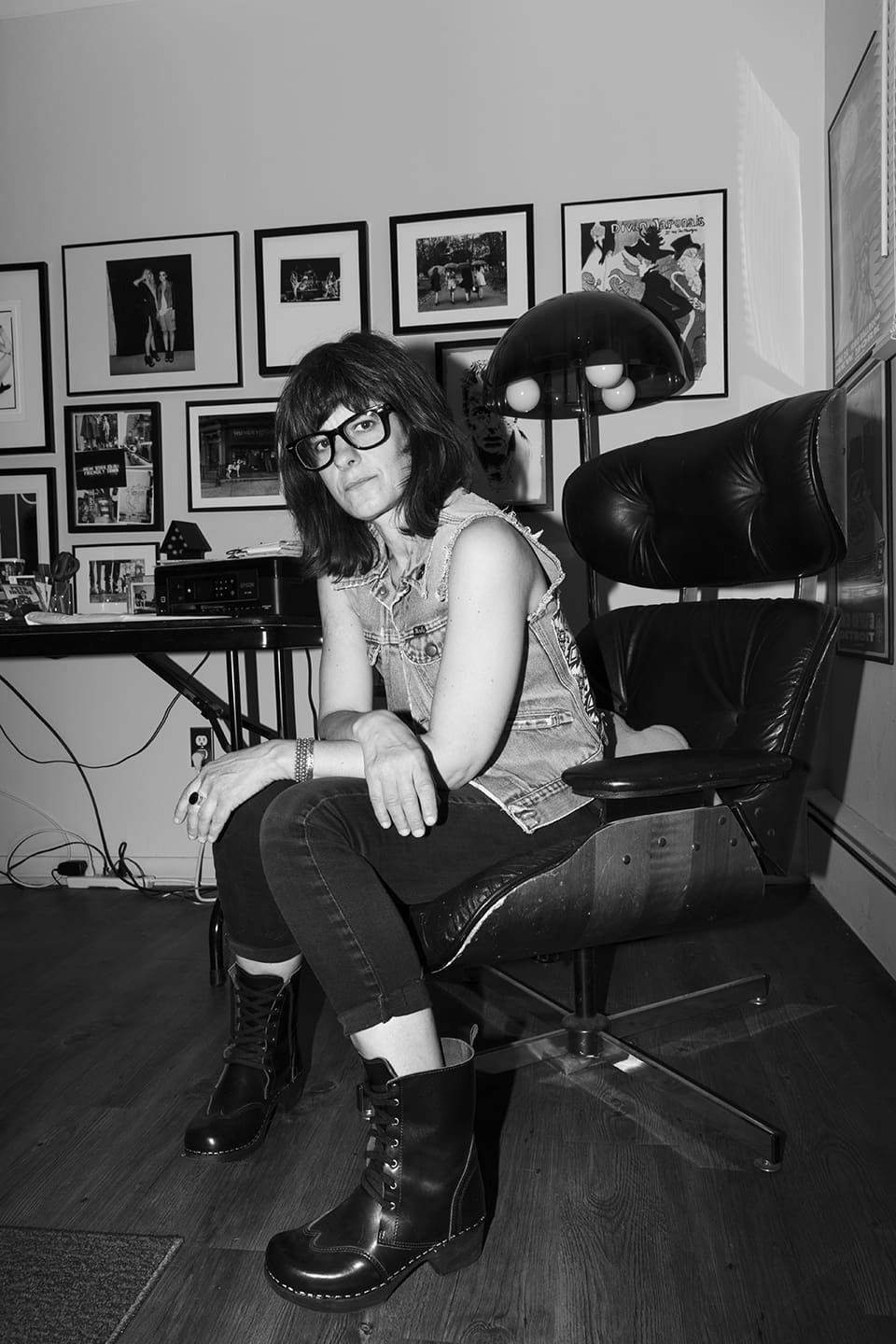
CCS’s 2025 Distinguished Alumni Award recipient, Sabrina Nelson, ’91 Fine Arts, will never forget her first visit to College for Creative Studies.

It was 1985, and Nelson was fresh out of Detroit’s Cooley High School. The graphic designer at her summer job with the State of Michigan — CCS alum Rob Kangas, ’80 Photography— had encouraged her to apply, even going as far as setting up her admission interview and dropping her and her sketchbook off at the Yamasaki Building.

A mom at 15, Nelson had filled her sketchbook with drawings of her baby and other things important to her, like the covers of her favorite Janet Jackson, Michael Jackson and Prince albums, along with the required calligraphy. She wasn’t aware that she’d needed a portfolio, or even what one was — until the admissions counselors pushed her artwork back across the table and said, “No, you’re not ready.”

“I was angry. I felt ignored. I felt invisible,” said Nelson, who left the interview without being offered advice or even a tour. “And because I’m hyper independent, it pissed me off.”

Although the expression “hell hath no fury like a woman scorned” may not have been intended for art school rejections, it certainly applies to how Nelson handled hers. While she waited for Kangas to pick her up, she explored campus on her own. Sketchbook tucked under her arm, she walked through the Industrial Design studios, asking students to show what they were working on, knowing she was equally capable.

“I felt ashamed because I knew I was an artist and I knew I was good,” Nelson said.

Kangas made Nelson another appointment, this time with Hope Palmer at Henry Ford Community College (now Henry Ford College). She was accepted and stayed for a year and a half, with Palmer advising her on what classes to take.

“I left with a 4.0 and a hell of a portfolio,” she said. “And I made another appointment with the same people who rejected me.”

Although the three admissions counselors didn’t remember Nelson from her first CCS interview, they wouldn’t forget her again. Impressed with her portfolio, especially her figure and life drawings, they not only offered her admission but also nearly a full tuition scholarship.

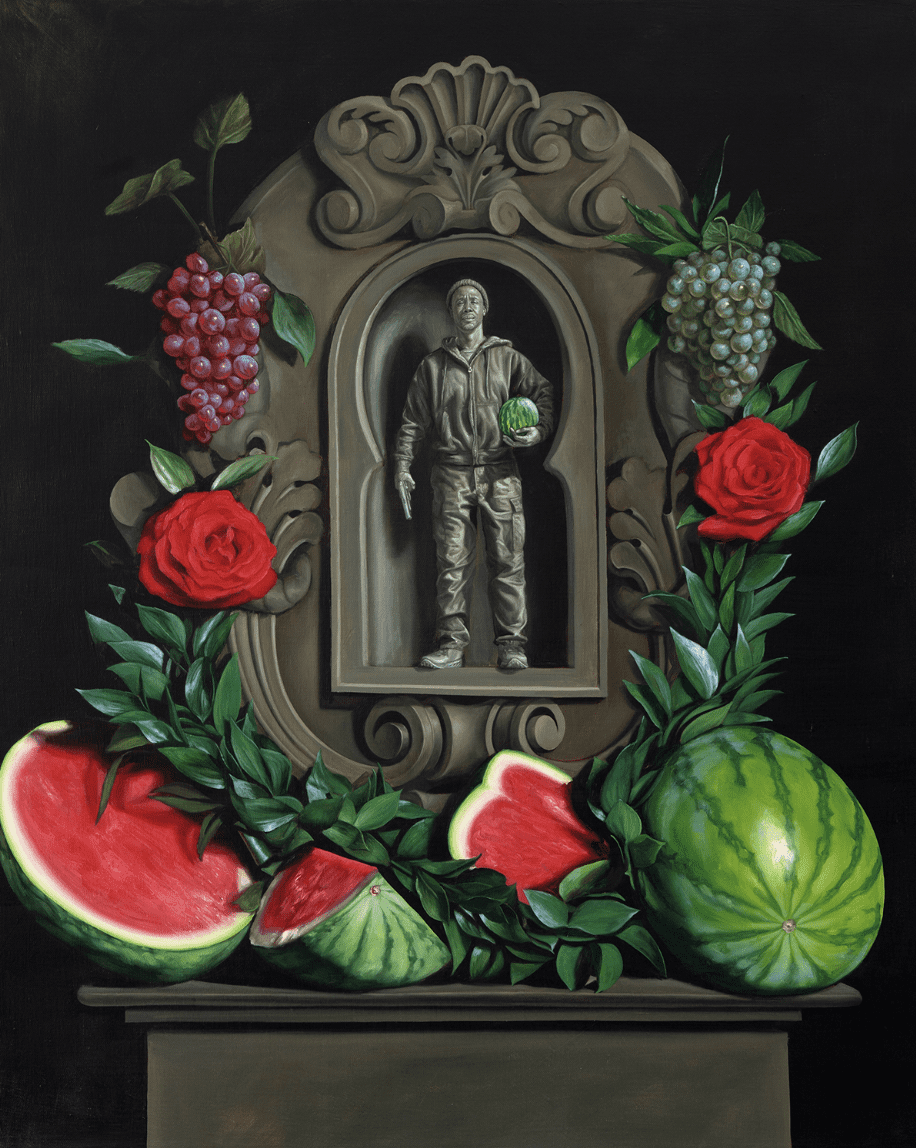
By that time, Nelson was 20 and the mother of two. Still nursing her son — Mario Moore, ’09 Illustration, recipient of CCS’s 2023 Distinguished Alumni Award — she took the campus by storm. She asked to work in the Admissions Office for her work-study, hoping to ensure no other CCS hopefuls left rejected and dejected. She raised her voice when Black artists weren’t studied in art history classes. Children often in tow, she served on student government and as president of BART (Black Artists Researching Trends).

View Sabrina’s work at https://www.sabrinanelsonart.com/

Sometimes when you meet someone, you just click. For Stephanie Kalb and Chair of Interior Design, Sandra Olave, a shared elevator ride at College for Creative Studies was that moment. And it would prove to be pivotal in paving a career pathway for a lifetime passion for interior design.

I love this job because I love to draw things and then make it into reality.

What sparked your interest in interior design?

I was taking evening classes at CCS. At the end of the semester, I came to this exhibition just to see it with my friends. As I’m getting out of the lift, I see this fantastic woman – this charismatic woman coming at me. She said, “You are Stephanie Kalb.” I was like, “Whoa. I don’t know this woman.” And that was Sandra Olave, the head of the Interior Design department. She said, “I want you in my class.” I have to tell you that this little sentence, for me, was very boosting. It really boosted my interest in interior design and materials. Then I studied for four years at CCS in the Interior Design department.

Did you always know that you wanted to go into interior design? Or is this something that you realized later in life?

I believe I knew it, but I didn’t understand it at the beginning. When I was younger, I started to study marketing for five years or so. But I was very interested in interior design. I was going to all the fairs in Europe. I was visiting all the construction sites that I could. Going and seeing and imagining the different rooms that it could be. I’ve always been very open to design.

How does it feel now to see your designs realized in front of you?

This is fulfilling to me. I love this job because I love to draw things and then make it into reality. This is my passion now. I love to see how drawings can become reality. Fulfilling the customer’s needs. We need to understand the ways they live when we’re doing residential, when we are doing offices, and the way they want the strategy to be put into walls. Because of my background in marketing, I’m very, very interested in this part as well.

What do you love the most about what you do?

Starting the project on-site. This is an exciting moment. You’ve been doing the conception for two months, three months, sometimes even longer, and then it turns into reality, into technical problems, into, “How am I going to work with this facade?” Then working with the workers and having them understand what you want to reach, and understanding their problems as well, is an interesting part for me. Plans are plans, but when you are in it, for example, this apartment was a big challenge because we had so many surprises, and we had to deal with so many problems. I love that.

If you could go back in time and talk to your younger self, what would you say?

Start studying interior design as soon as possible. Don’t waste your time. I have to say that going back to studies when you’re 35 – I was 35 at this point, with three kids – I had different problems from the other students. For me, at the beginning, it was quite a challenge, especially with all the software. I mean, the computer part was pretty tough. I had to work many, many nights on top of days as a mom.

“I would start right away, and not be afraid of this kind of career.”

How do you feel CCS prepared you for a career in interior design?

I have to tell you that I really loved their way of teaching. I could compare it with France, for example. France was very conceptual. Till the end, I mean, I did the last year in France, and it was very conceptual, while CCS was more technical. I love this part as well. Sandra is a great enhancer of talent and concept. She’s very good at bringing you to the end of your concept, and I loved this. And you’ve got other teachers teaching you technical things that are very fundamental when you start to work because you might have very good ideas, very good drawings, but if you cannot make it into reality, it’s a problem. I really loved the two parts of CCS, the conceptual and the technical.

At the end of the four years you transferred, why is that?

I was an expat in Detroit. My husband came to the end of his contract, so we had to go back to France. I couldn’t go on with the CCS studies, and on top of that, I wanted to study in France, because I knew I would practice in France. It’s a different system – electrical system, different rules, of course, different materials. I really wanted to have a graduation in France. So I completed four years at CCS with one year in Paris.

What’s your ultimate goal or dream?

I would love to work in the U.S., actually. I would love to do a project with my European background and to put it back in the U.S. with what I know from there.