Cara Vitry’s career in automotive design has been full of twists and turns, but each step has shaped her into the designer she is today. Now, as a Regional Bespoke Designer at Rolls-Royce Motor Cars, Vitry uses everything she’s learned to create one-of-a-kind designs that tell her clients’ stories – whether it’s a starlight headliner with a baby’s birth chart or something equally personal and unique.

People have different paths, and they’ll get to their happy place if they listen to their hearts and figure out what they truly enjoy doing. The path might not be easy, but it’ll get you there, I think.
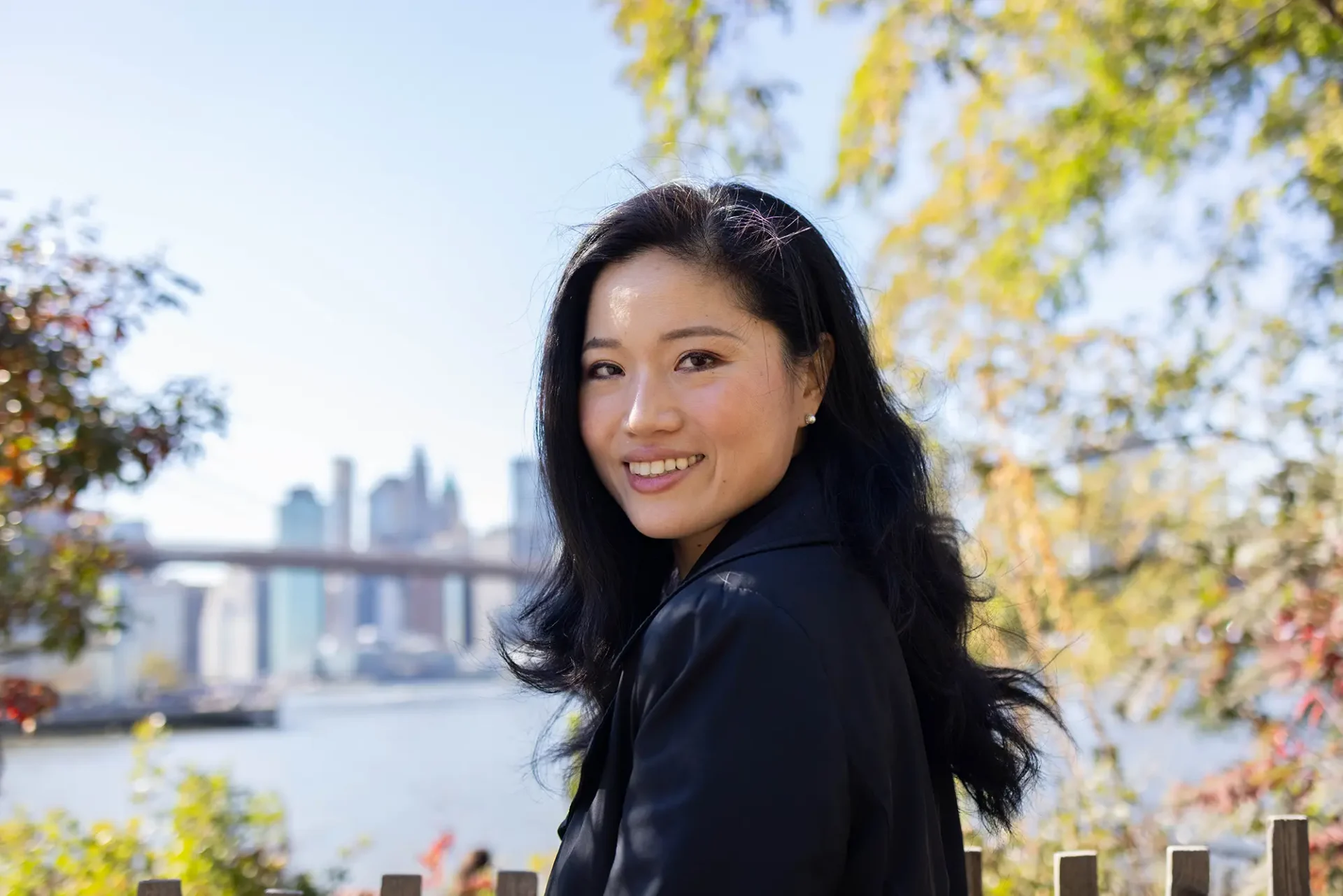
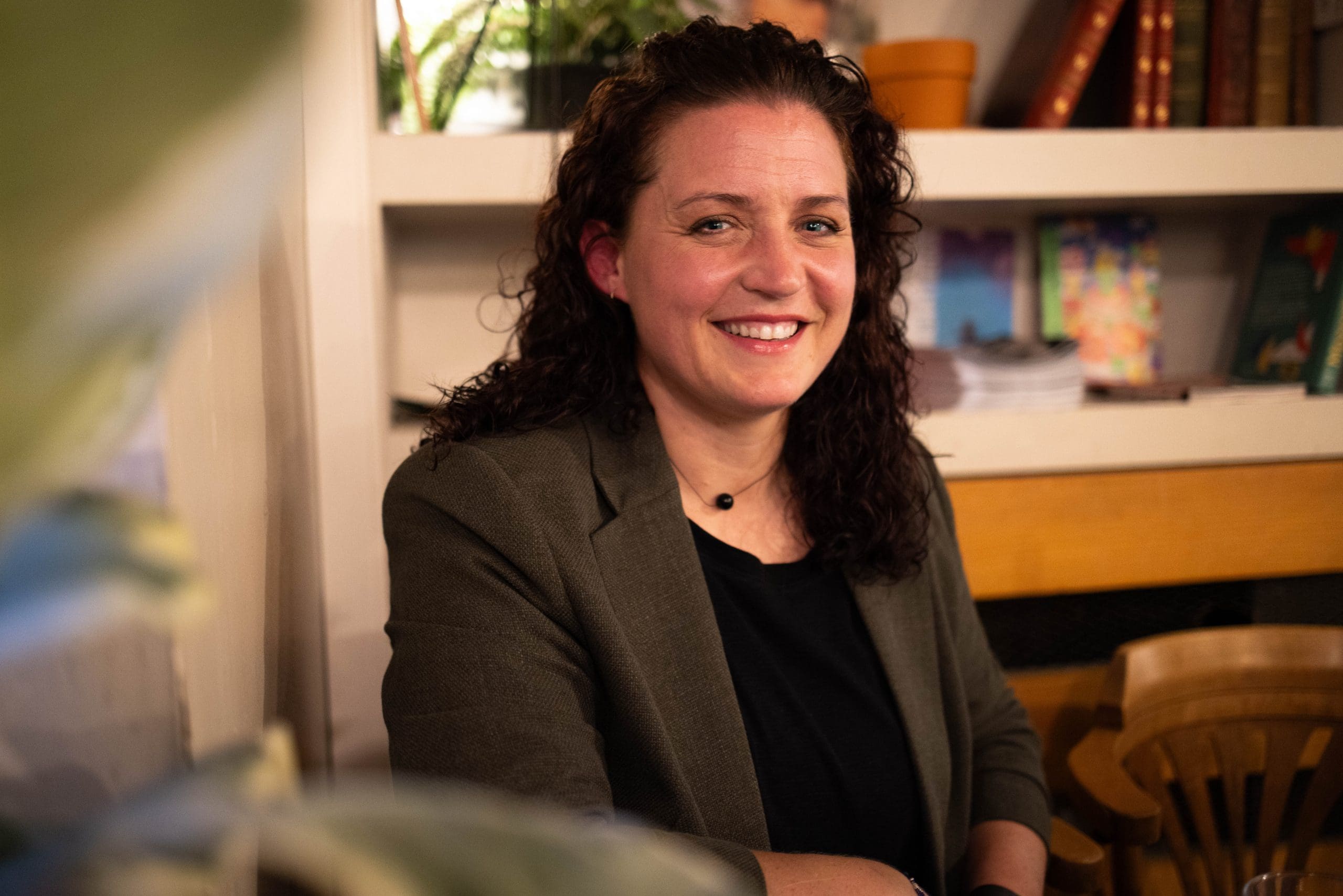
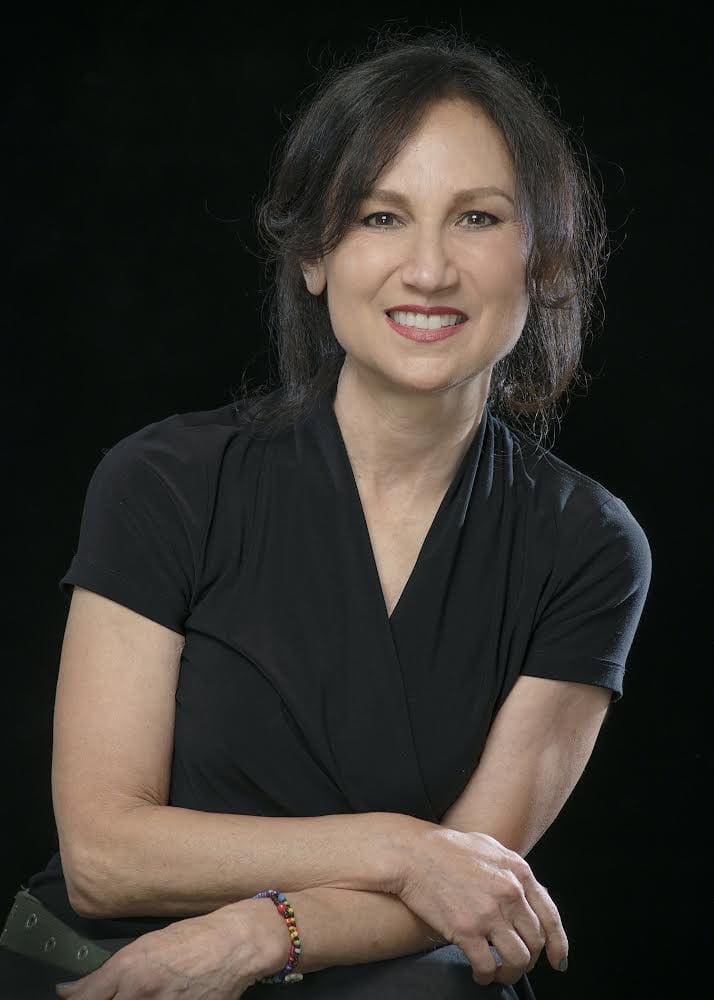
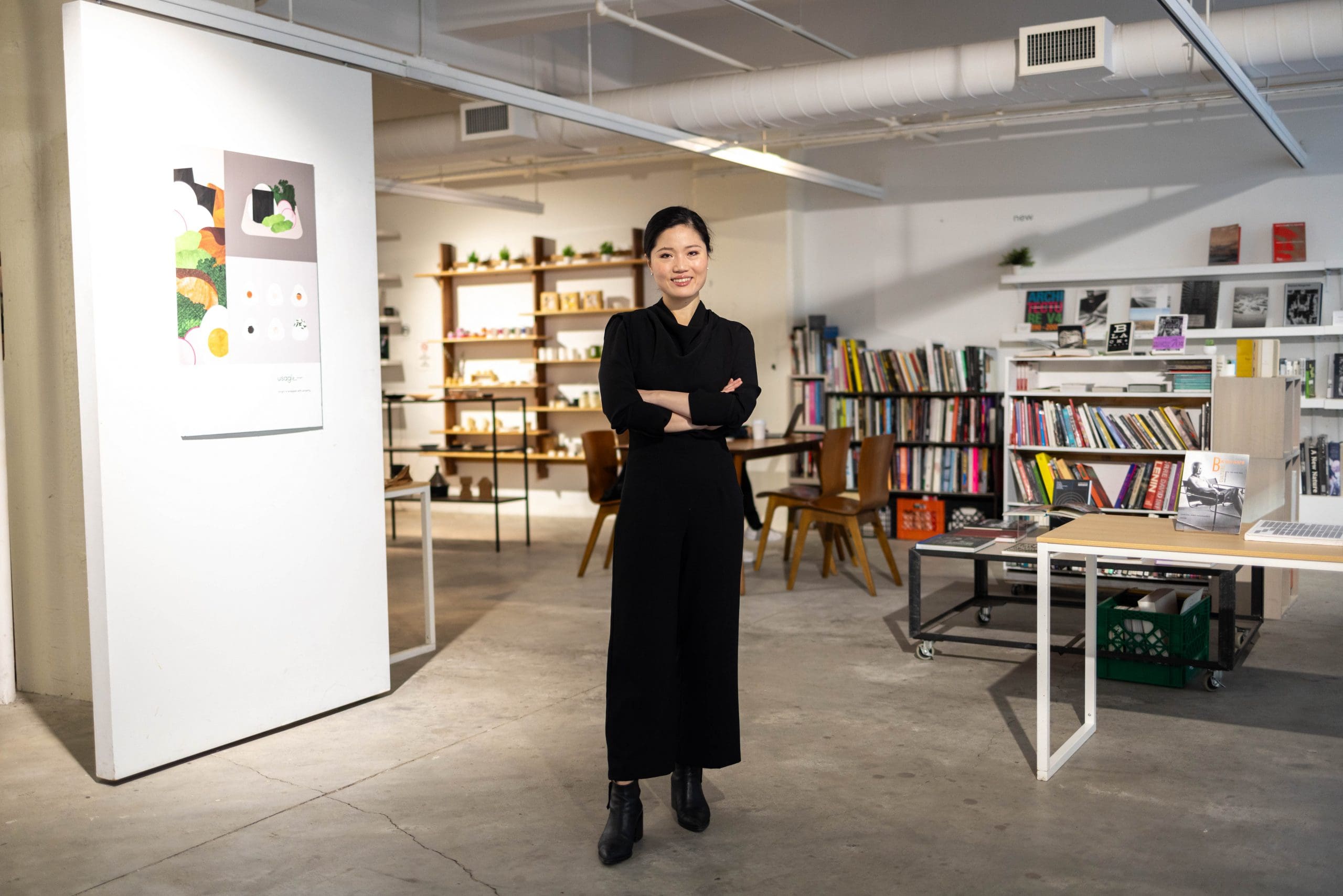
Cara Vitry Headshot
Take us through your career journey. How did you end up working in NYC as a Regional Bespoke Designer at Rolls-Royce Motor Cars?

I took many unexpected turns after school. I started my full-time career at General Motors, thinking I’d be doing exterior design. That’s what I focused on for all of my internships and all my sponsored projects. Eventually, I ended up in the interior design studio. About five years later, I left GM to join a start-up EV company, Faraday Future. So that prompted my move out to Los Angeles.

Going to a start-up company from such a big, stable corporate culture was a culture shock. I felt like somebody had just pushed me into the open water to swim.

GM prepared me for the foundations as a designer to know what protocol to follow. Working at Faraday Future, you’ve got to get scrappy and work around the deadlines but also expect changes that are thrown at you. I learned a lot there because that’s when I began to speak outside of the design team to the vendors, more engineer meetings, and actually lead some projects as well. That was really fun and rewarding. After about a year, I was offered an opportunity with Autodesk.

I was the Business Development Executive for the North American car design studios and brought Autodesk solutions to the car design spaces. There, I learned to manage relationships. I was with them for about two years before COVID hit. A big part of my job with them was to travel and visit clients on-site, get to know the pain points and connect them with the product team. There was huge uncertainty and I ended up going back to design, which was a challenge.

I joined another startup EV company in LA as a contract designer when I met my husband, who was living in New York. I left my job and began to work here in the city as a freelancer. But it was very different from LA and Detroit, where we have the car design community. And everybody knows one another. In New York, I had to start all over again. Once we got the COVID vaccines, people started to roll out IDSA events and other events in the local area. It was really a change in my attitude as an introverted person. I put myself out there, and attended every event that I could go to, not just design. I ended up making friends that way.

When you’re a freelancer, your jobs are very inconsistent, some days you’ll be busy, and some days you’re not. I needed something stable or more consistent, so I picked up photography.

In January or December, I literally stood outside of the city hall with my camera offering people free photos to use for my portfolio. I was there Monday through Friday, every single day for months. I put up my website, started this social media account, and the ball was starting to roll. Then I got a call from a headhunter explaining to me this opportunity to work with Rolls-Royce. So I said, why not? I’m up for anything.

Having had those different experiences made me stand out. People have different paths, and they’ll get to their happy place if they listen to their hearts and figure out what they truly enjoy doing. The path might not be easy, but it’ll get you there, I think.

What does it look like to work with a client at Rolls-Royce?

I’ll begin the conversation with clients. I ask them questions to draw out what I call “design guideline assets.” Then I can help them craft a story. For example, we’ve had a client celebrating the birth of their daughter. I asked about the name of their daughter, when she was born, etc. This client went with a starlight headliner on the roof with the birth chart of their daughter the night the daughter was born.

Some clients will even come in with their baby’s footprint. The sky is the limit.

As a designer, I bring in the design skills that I learned from CCS. The College really teaches you how to manage your time, and how to prioritize. Everybody’s so talented. That’s why CCS was special as an art school – because you are just surrounded by other artists, learning from one another.
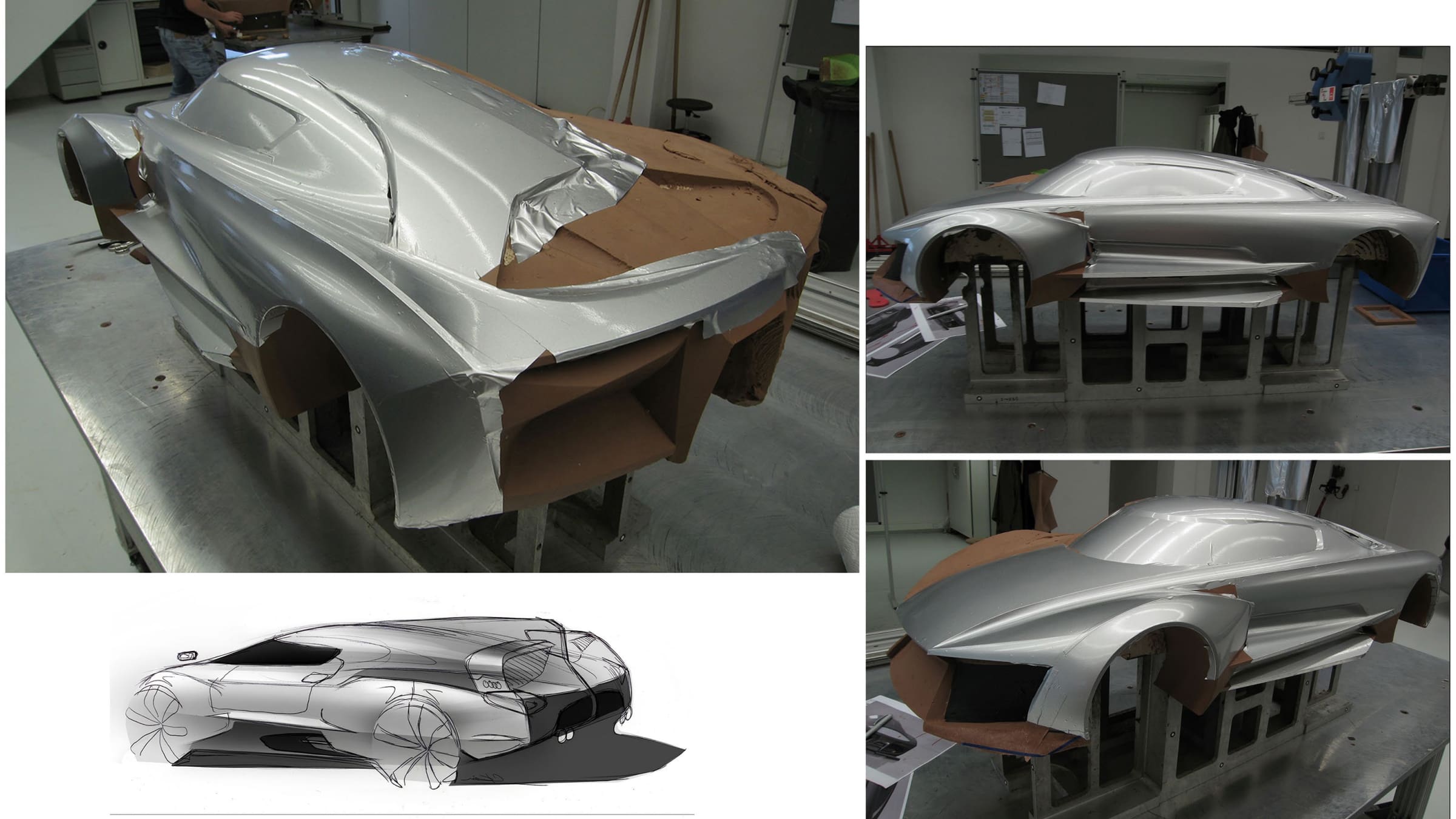
How do you feel CCS prepared you for your current role at Rolls-Royce?

The way you draw things or understand the foundation or color theories – these things are given to you no matter what schools you go to, right? But at least for my major, time management was a huge thing that we took out of the program.

Then fast forward to now, coming into this role, I had to learn more outside of design, like building and managing relationships and communicating.

When I went to CCS, we had several liberal arts classes required, and there was one class taught by a gentleman by the name of Brian Baker. He was a former car designer, now retired. His class was specifically about the business side of design. He would teach you how to form your elevator pitch, how to interview and how to present yourself. He was so unafraid to draw students out in front of the room and make them introduce themselves. And, you know, half the class was very introverted and shy. He was pushing his students to get out there because that’s what it’s like in the real world.
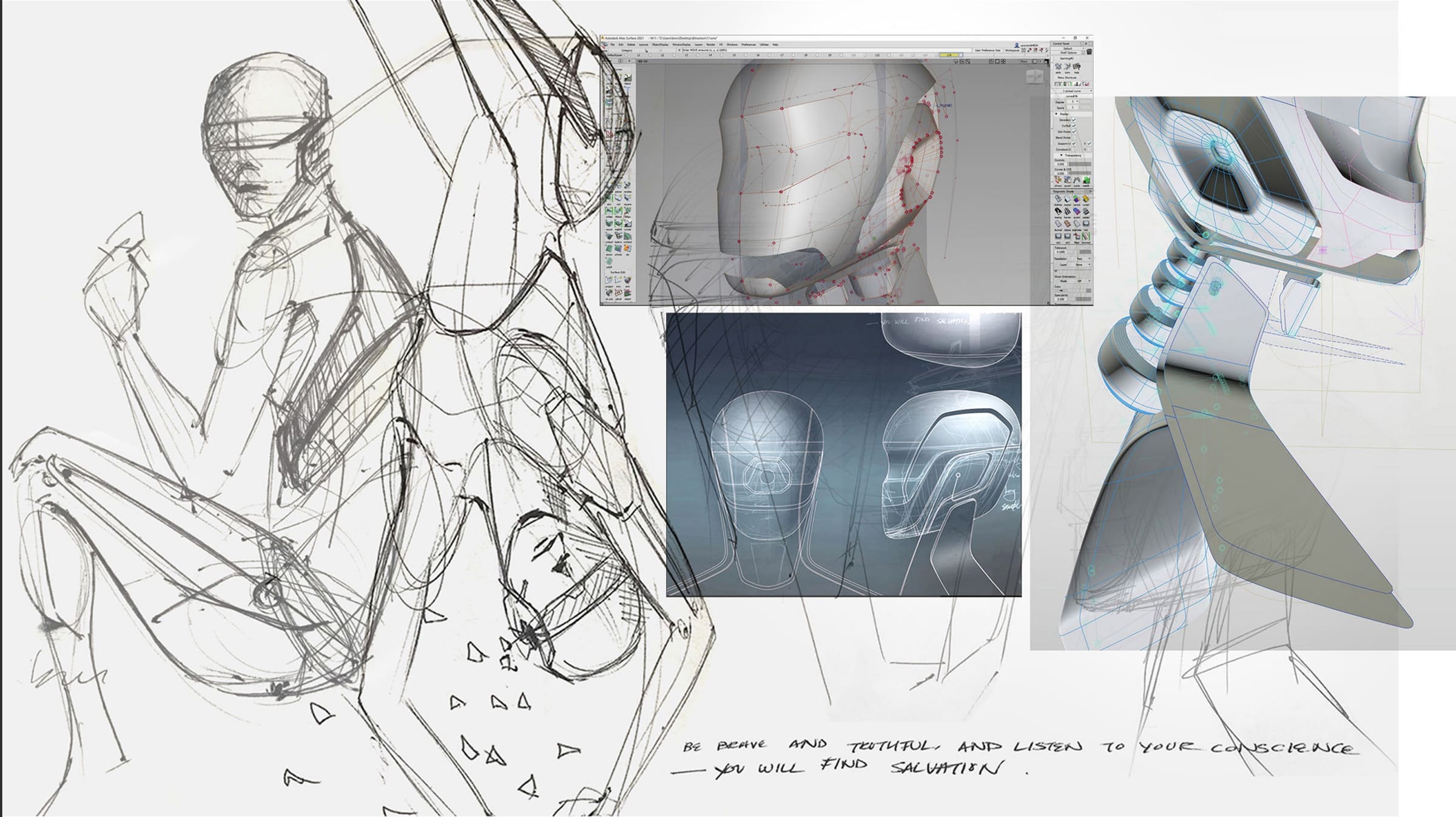
What would you say to someone who’s interested in going into art and design?

Really ask yourself if you want to do this, because there’s a difference between pursuing something creative as a hobby versus as a way of making your income. It’s very different. You start to develop a different relationship with creativity, too. It becomes a way of life. It’s not just a fun pastime, a hobby to de-stress. It’ll actually stress you.

Do not be afraid of failure. It’s how you fail that matters. Two people can fail at the same thing and one person can do a little introspective thinking on it and figure out what went wrong, and actually turn that into something good and learn from it. Oftentimes, I think a lot of designers are perfectionists, right? Before we even start our work, we get so overwhelmed with the anxiety of perfection. It used to hinder my work a lot. I would spend a lot more time than needed on certain things.

Recognize your working pattern, accept it and try to bring a solution to it. Some people might be better off working at a big company versus running their own business, or as a freelancer, or holding multiple roles. It’s different for everybody.

It’s really about listening to your heart. Because if you don’t follow it, years later, you will regret it. It’ll affect your mental health, your relationships. At the end of the day, you want to live a happy life, right? And we go to art and design school to be happy.
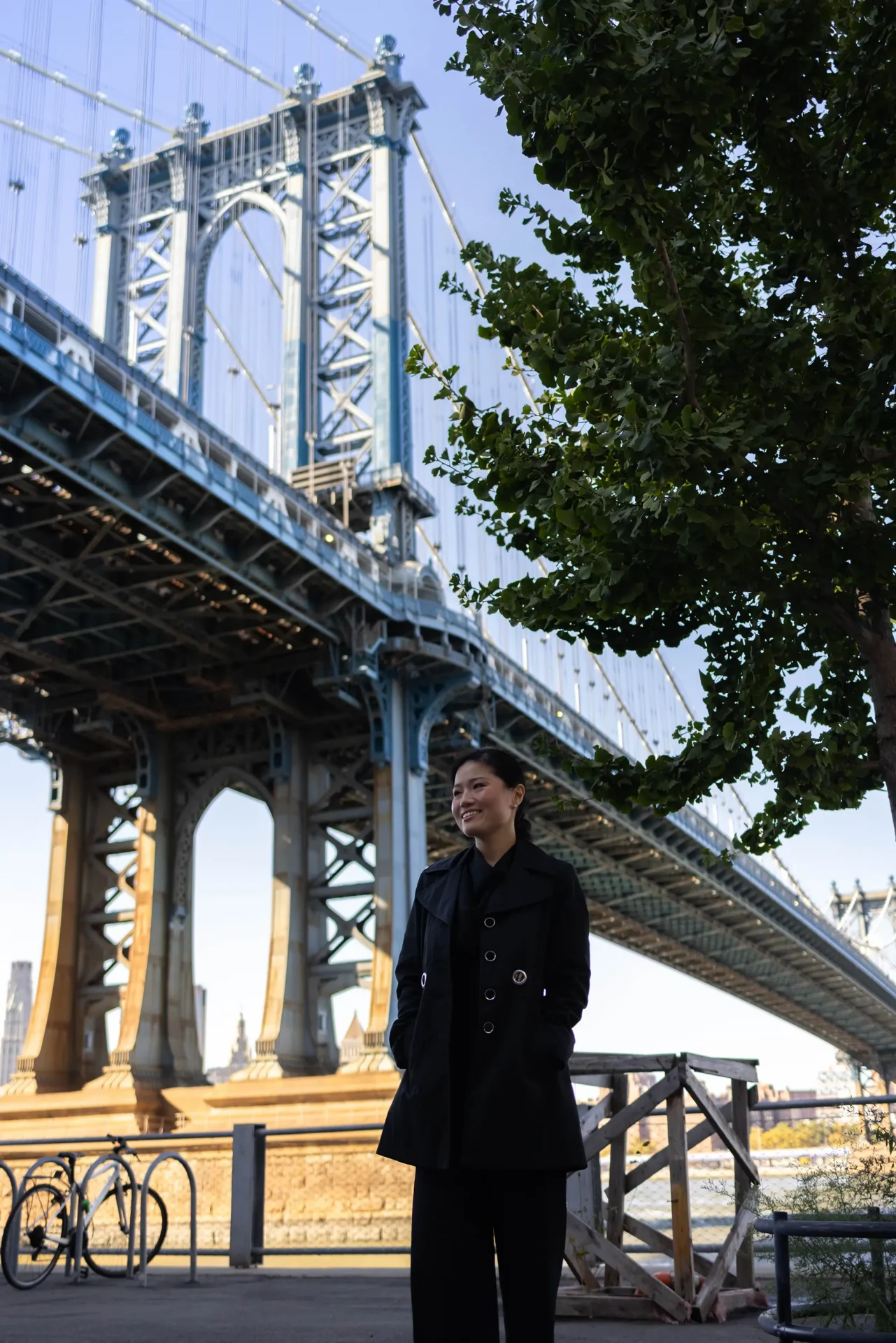
Cara Vitry Headshot

“Don’t be afraid of failure before even starting. What you learn from it and how you overcome it will lead you to where you want to be.”
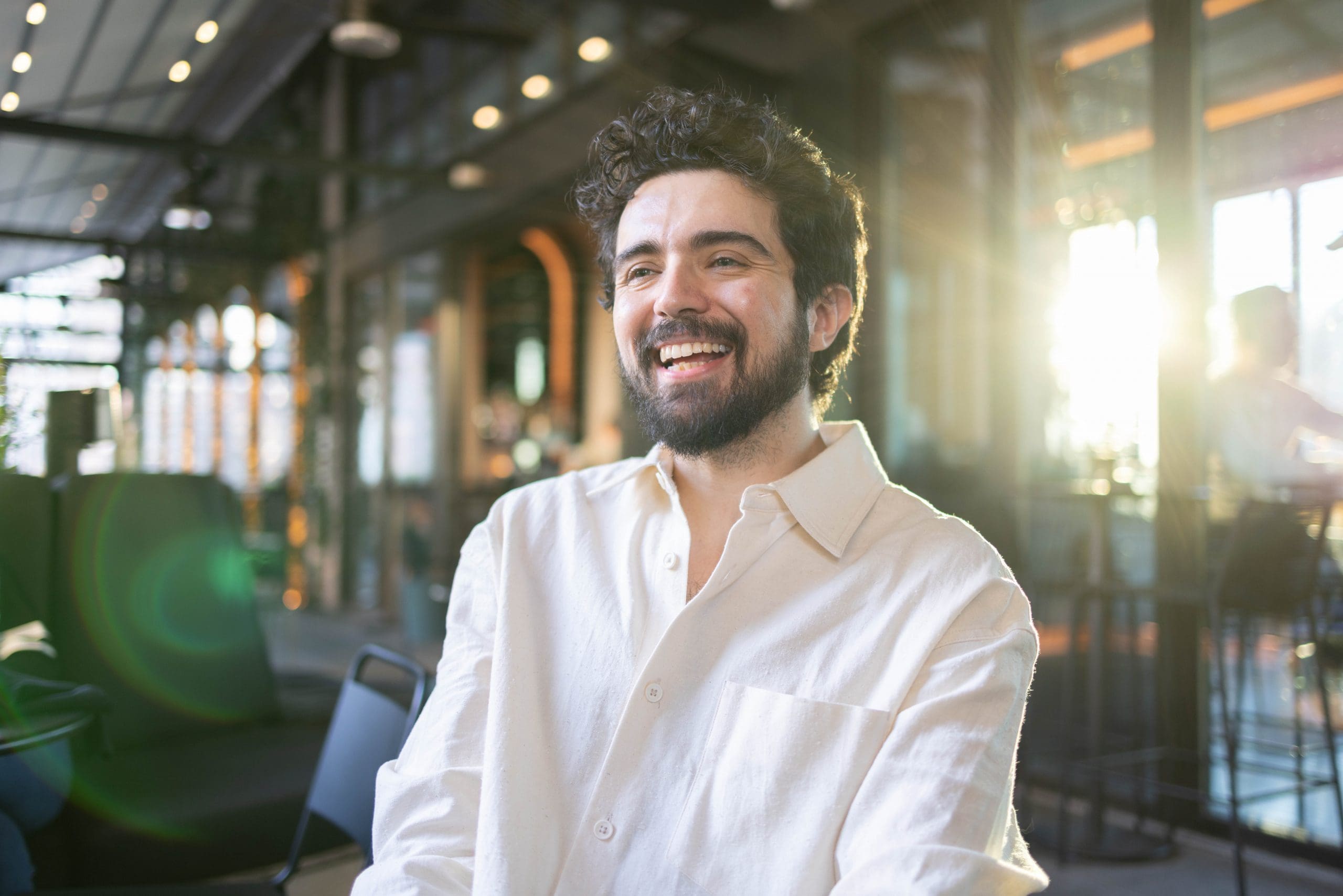
Hakha Mashayekhi’s path to becoming Director of Product Design at Max is a story of bold pivots, creative growth and a passion for leading future designers.

Starting his journey in industrial design, he found the process enriching but too slow for his taste. Seeking faster-paced, user-centered work, Hakha transitioned to digital product design, where ideas can come to life almost instantly. At CCS, he immersed himself in Integrated Design – a field blending interaction design, business strategy and technology – and discovered his passion for UX design. From working on impactful projects for high-profile brands to nurturing young creatives on his team, Hakha finds his purpose in creating experiences that bring people joy and pushing his skills in a dynamic, fast-evolving field.

The Interview

“One of the joys of my work is when people talk about HBO and Max. I cannot take credit for the actual content, but I have a good feeling when people are happy on Sunday night, you know.” –Hakha Mashayekhi

Did you always know you wanted to go into UX Design?

For my undergrad, I studied Industrial Design, and I worked as a physical product designer for a year. It was very cool, but it was not a perfect match for me because I’m not patient. Industrial design is amazing, but it has a slow process. From when you design something until the moment that you see it in the hands of customers, it could be a year if you’re lucky.

But with digital product design, UX/UI, you can have an idea, and within two hours, you can have an experience available. That’s the main reason I decided to come to CCS.

What does it feel like when you see a product that you worked on coming to life, in the hands or in the homes of everyday users?

It feels really good. One of the joys of my work is when people talk about HBO and Max. I cannot take credit for the actual content, but I have a good feeling when people are happy on Sunday night, you know.

The funny thing is, it hasn’t been like this forever. I have been an in-house designer for five years now. Before that, I was in the consulting and agency world. When you’re a consultant, you just come in, fix the problem and move on. You never have the joy of seeing the product that you’ve created in the hands of a customer. That was actually the main reason that I left the consultancy and agency world and went in-house.

Learn More about CCS’s Programs →

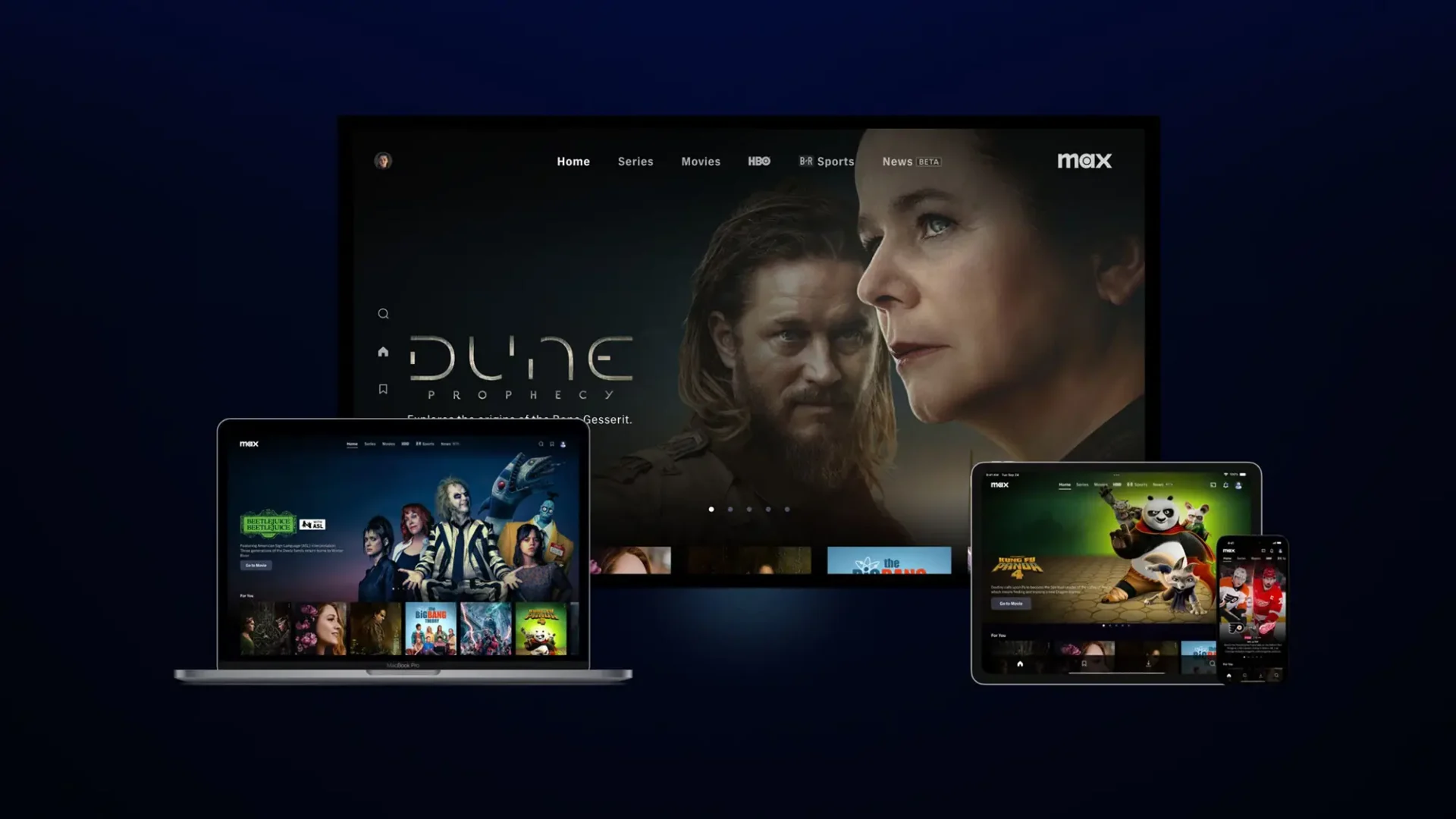
A laptop, ipad, iphone and TV mockup showing the HBO max interface

What do you love most about your job?

My answer now is different compared to two years ago, three years ago.

Three years ago, I was an individual contributor – I was basically a designer. At that time, my only joy was the project I was doing, and if it was a high-impact/high-profile project I was enjoying it, but if it was a very small feature, it was so boring, you know.

So I decided to change my career direction to become a people manager. That was a switch in my entire mindset. Now I’m enjoying my new responsibilities and delivering good work.

I have this designer on my team, who first started out at Max as a project manager, and one day, he said, “Can I be a designer?” We then spent six months training him, making sure he understood design thinking and design tools. We sent him to a bunch of courses and conferences. After that six months, we transitioned him to a product design role. Now, he’s a product designer – and he’s amazing.

These are talented people. I need to be there to support them, be a mentor for them and make sure they have a path to grow. And they are killing it.

Is that something that you’re interested in, nurturing a young creative and helping the next generation?

A part of me is always curious about college, like, “What’s going on? What’s the coolest thing? How are they doing their projects?” Especially now with AI, I’m very curious about how these students are figuring out ways to use AI in their day-to-day work to deliver their projects because they always come up with awesome, original ideas. I’m just curious to see what’s going on at CCS, what’s the coolest, latest thing. The students’ final projects are very inspiring. Especially for a master’s degree, it’s a super passionate project for them, so they go above and beyond. You get to see very cool research, very cool ideas, very cool execution, and awesome prototypes. I’m always surprised when I go to those—whether it’s interviews or thesis advising. I’m definitely into that.

What do you miss most about CCS?

The things I’m missing most about CCS are the things that I didn’t know the value of when I was there.

When I was there it was so intense, you know. There were a lot of projects, and the Chair of our department was so precise about everything, we couldn’t deliver a half-assed project. Everything had to be perfect.

One of the things that I didn’t really enjoy [during that time] was making connections, not only with the students, but with the professors that we had there. There were a lot of great people in different majors, different groups, and now, it’s a regret that I didn’t connect with them. I didn’t use my time to build relationships with them.

If I could go back to that time, I think I would try to balance my time in a way that I could free up time to build more connections.

How do you feel CCS prepared you for your career?

To be honest, Maria Luisa was very specific and she had a lot of experience with real projects. She always was looking through the lens of a professional, not a teacher.

The most important project that I did at CCS was a sponsored project. It was so valuable to get real feedback from working professionals. That’s something that you never get in school. The combination of Maria Luisa and the sponsored projects were the key.

Learn More about CCS’s Programs →

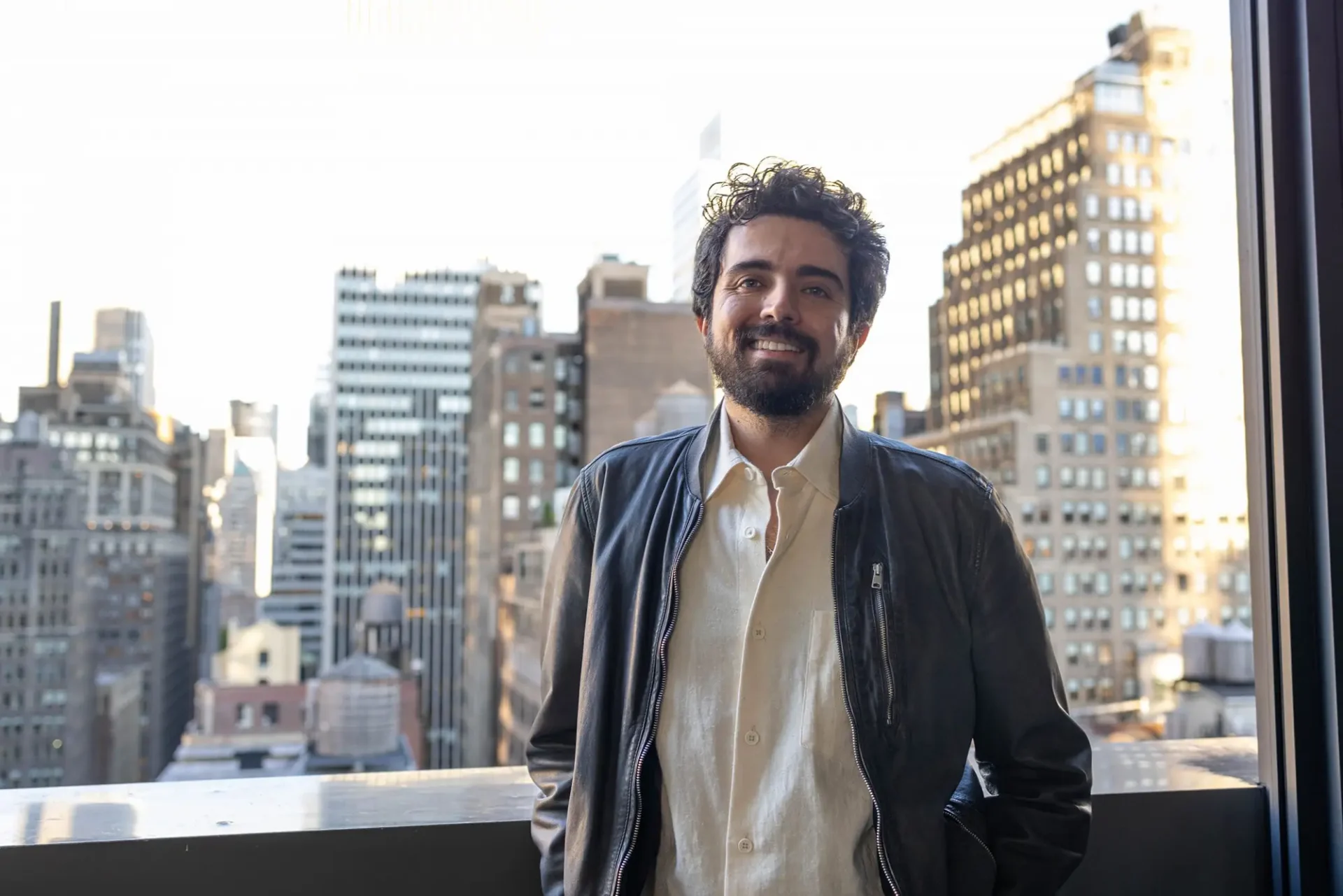
Hakha smiling in front of a window of the city

Growing up in an automotive-heavy family in Michigan, Kristine Lipinski had zero interest in following in their footsteps. It wasn’t until the unexpected intersection of two of her passions – design and rugby – that her path changed. After graduating from the College for Creative Studies (CCS), she moved to France and eventually began working for the world-renowned car manufacturer Renault. An opportunity to attend a French bilingual school as a child would foreshadow her unique connection to France and jump-start an incredible career and life across the pond.

How did you end up here in Paris?

I’m from Michigan, born and raised, and grew up in Royal Oak and Sterling Heights. I had an opportunity as a child to attend a bilingual French school, but was not receptive to that idea at the time. Then at CCS, there was an opportunity to participate in an exchange program to study abroad, but I did not pursue that direction. Little did I know, the opportunity to move to France would come up again later.

I have a double life. Other than design, I play rugby. And it just so happened that I started playing for the Detroit City side team and met my now ex-husband. He had been living in Detroit for a couple years and wanted to move back. So French culture started looking for me, it’s weird. And I thought alright, this is like the third or fourth time that France has been calling me, maybe I should listen. So I did, we moved, and about nine months after I got here, I had a job offer from a concept car company called D3. I don’t know if you know how to say “D” and “3” in French … de trois.

Sometimes when destiny calls, you go, OK? I have to go to Paris to work at a company called De Trois that does concept cars.

I showed up here, like really, everything fell into place. It was perfect.

“Sometimes when destiny calls, you go, OK? I have to go to Paris to work at a company called De Trois that does concept cars.”

Did you always know that you wanted to be a designer, or is that something that you found out later in life?

I had the excellent opportunity in high school to have an amazing art teacher, Pete Long. He was the best. He pushed us to really explore boundaries.

Growing up, my mother was in finance and my dad built homes. So I come from a very technical family, and me being artistic was kind of like just a hobby. So I studied science, thinking there was no path forward in art. Well, I realized at one point, I didn’t want to wear a lab coat the rest of my life. So I did some foundry studies at Central Michigan and I called that high school art teacher one day, and I said, “I want to go to art school.” He said, “Finally.” He actually helped me put together my portfolio with everything that I had done, even stuff from high school, and I got accepted. And it was thanks to him.

What does a day in your life look like?

A lot more meetings than I anticipated in design school. That’s the fortunate and unfortunate parts of this career. There is a lot of corporate and administrative involvement, a lot of politics, a lot of compromising with purchasing, with engineering, administration. Even though we may have the best and greatest design ideas, we have to also convince other people who are not as “design-sensitive,” we’ll say. So we have to find ways in order to communicate our intentions. So the communication of design and color and trim is extremely important.

What does it feel like to see your work come to life?

Fantastic.

The first project you see on the road or in real life is really humbling and exciting at the same time. It gets kind of addictive, I guess, because you really want to keep doing it. You want to make it better, and the next one better. So I think that once you get that opportunity to have something in production and you get to see it, it’s really, really a good feeling.

What do you love most about your job?

Innovation. We’re constantly trying to improve things, trying to find new ideas, find new materials that improve different industries. Because even though I do work in automotive design, I actually worked more in transportation previously, in my design company that I was in when I first started here. I did private jets and concept cars and other automotive projects. It was interesting because of all of the different elements, I love to work on the materials that make things better. Not necessarily just always pretty, but pushing the limits and trying to find just better options altogether.

How do you feel CCS prepared you for your career?

Primarily what CCS has prepared me for, to be very honest, is the ability to give and receive constructive criticism. I was lucky to have really good teachers. I think that giving us constructive criticism, especially in my classes at the time, was really beneficial to accept the fact that you may not always have the best work or you can do better. It’s not like taking a test in math where nobody sees your results except you and the teacher. Everyone sees your results, and everyone has an opinion. It was a good way to be able to understand how to take that criticism in a positive and constructive way.

If you could go back in time and talk to your younger self, what would you say?

In a weird way, I want to say nothing because I am where I am today because of everything that happened, and decisions I’ve made.

I want to say just let it go, just go with the flow. Don’t stress about the little things.

Keep exploring. I would have told myself to keep trying new things.

That’s the advice I would give me … just follow what interests you.

What would you say to either parents or students who are apprehensive about a career in art and design?

I think the creative industry today is in huge demand. If your child has a knack for this type of thing and they feel comfortable in it, and they feel confident in it, then you should let them do it. I think that if your child obviously has an interest in it and does well, and you can tell that they have something that gives them that spark, that that’s the indicator that you need to let them do it. I think that’s actually what my parents kind of accepted. I think they knew that this is something that I really enjoyed and that I was good at. So they said, “Alright, let’s see what happens,” and here I am.

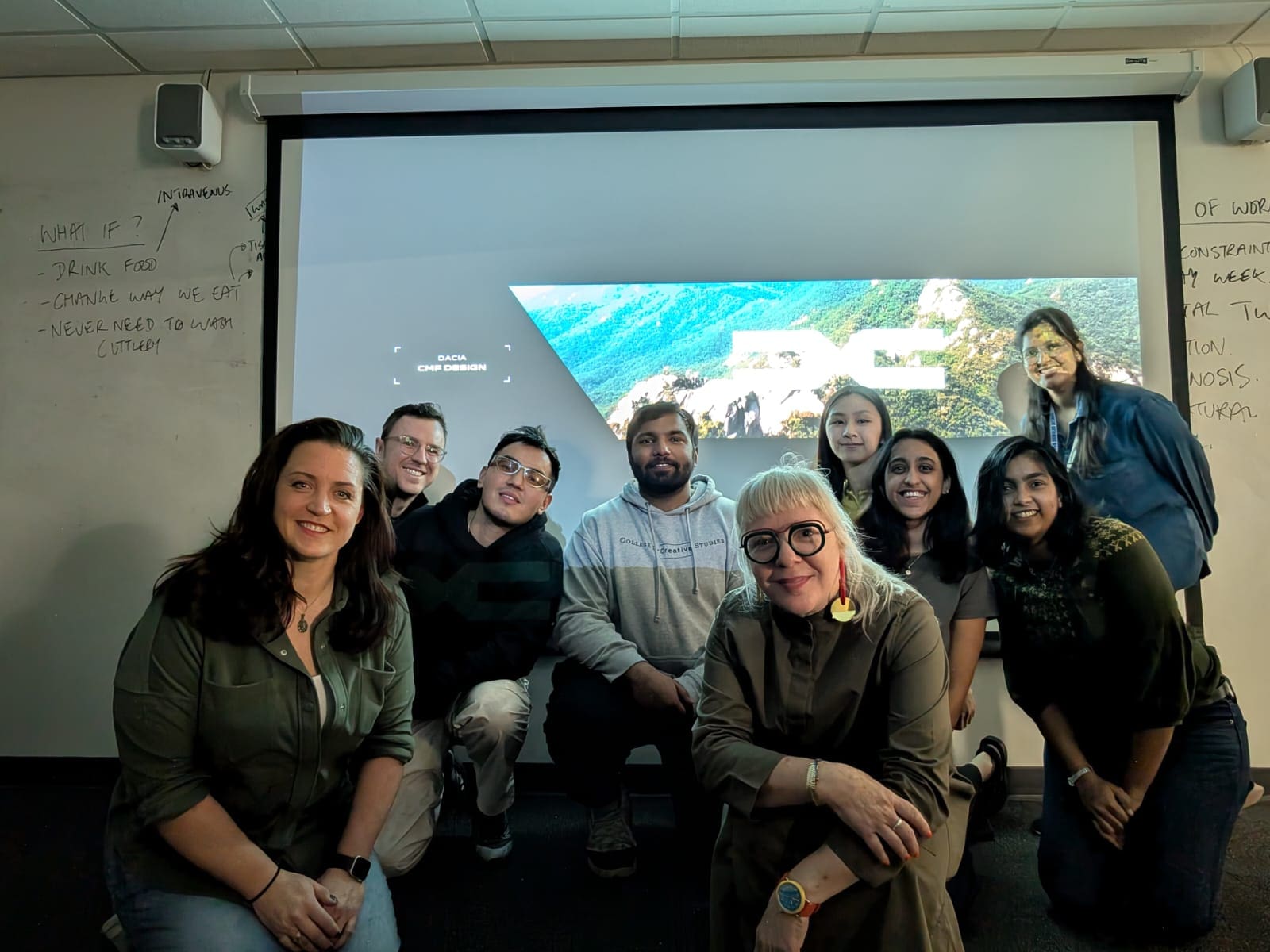
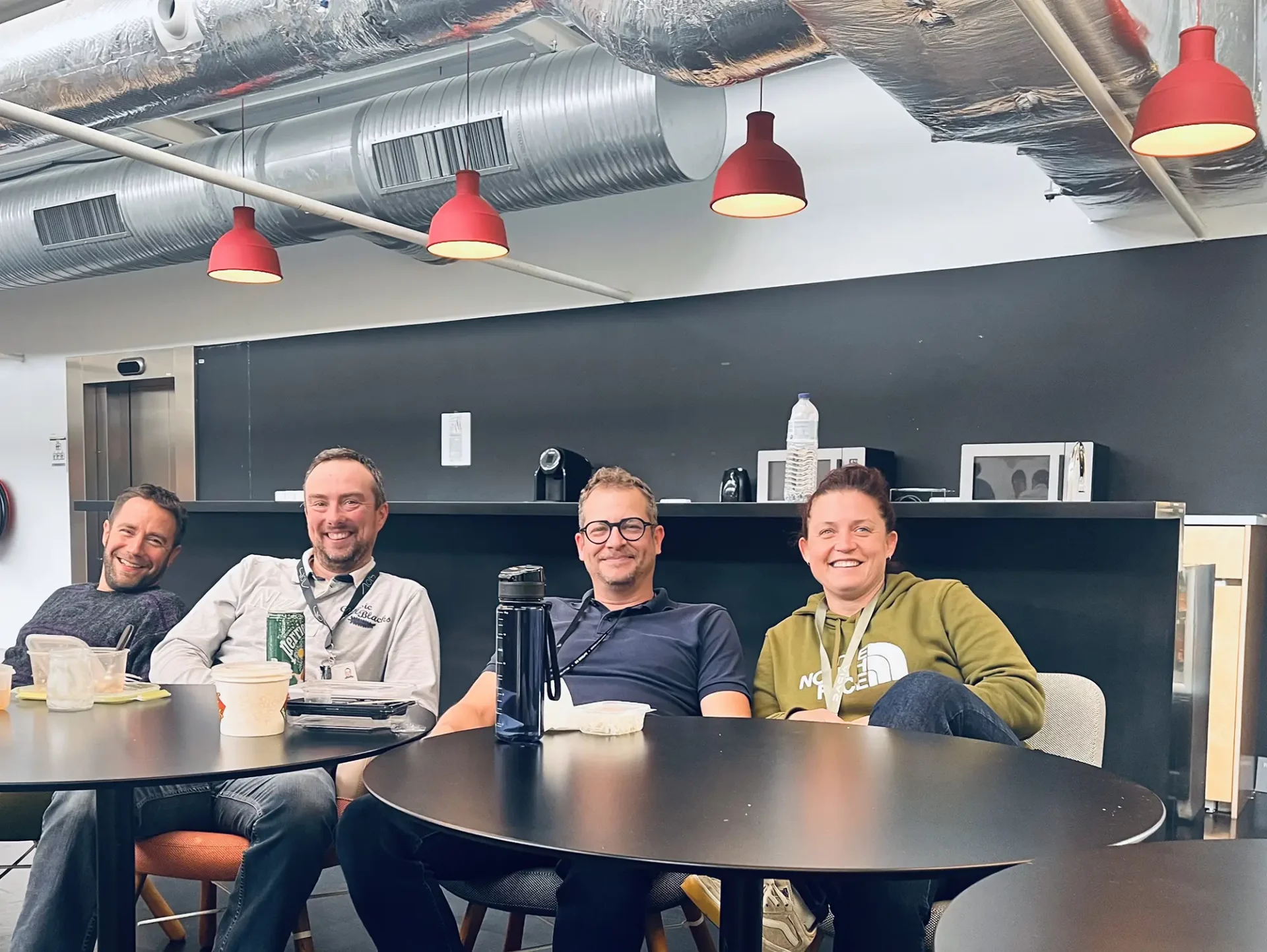
Kristine Lipinski with coworkers at Renault sitting behind a round black table

“I am working now at Renault with four of the guys that I started with at that company, they’re now working with me. So we just took a picture together, it was funny, because we’re like, ‘Oh, 19 years ago, we walked in the same room, the same time together.’”

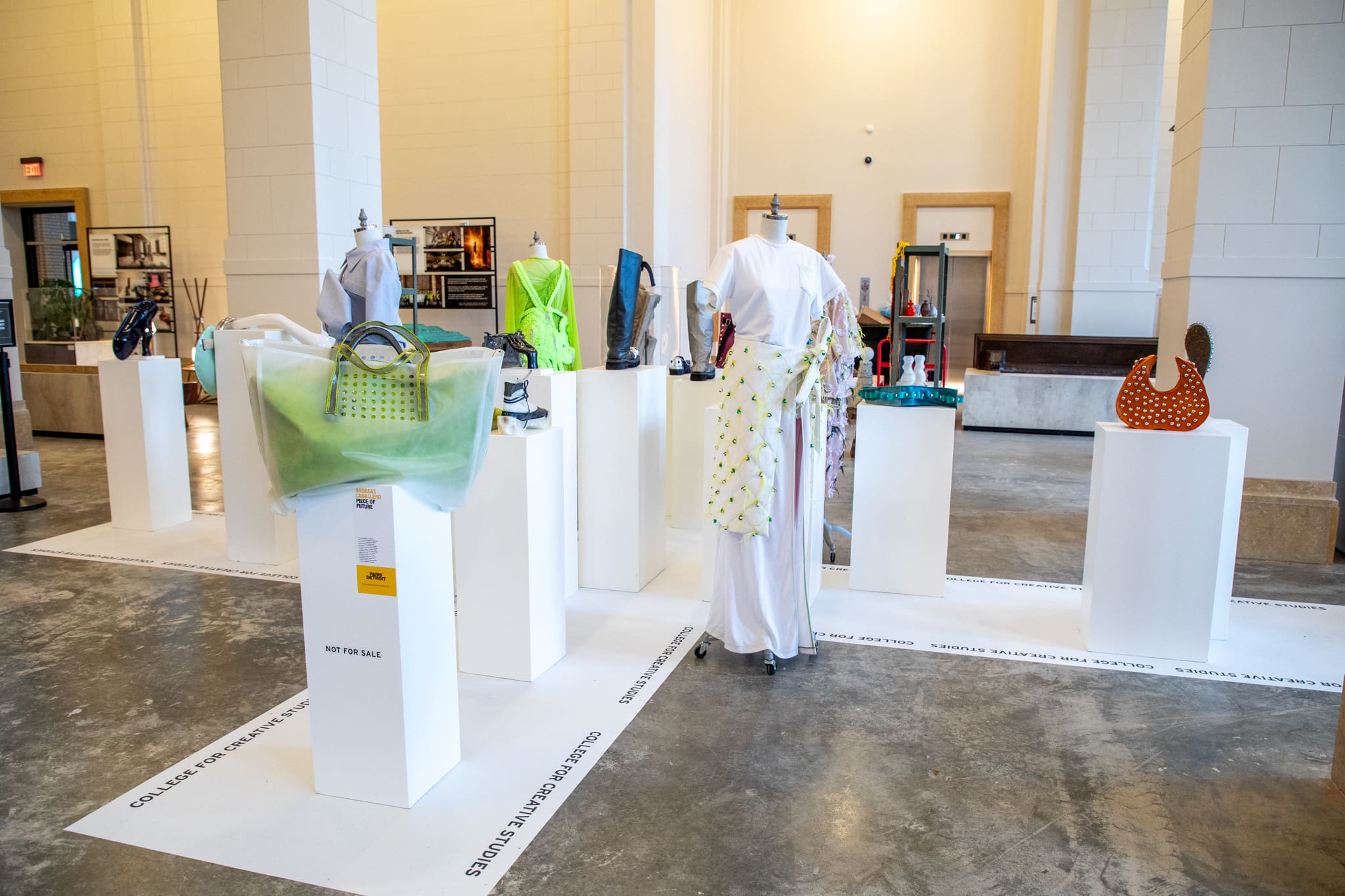
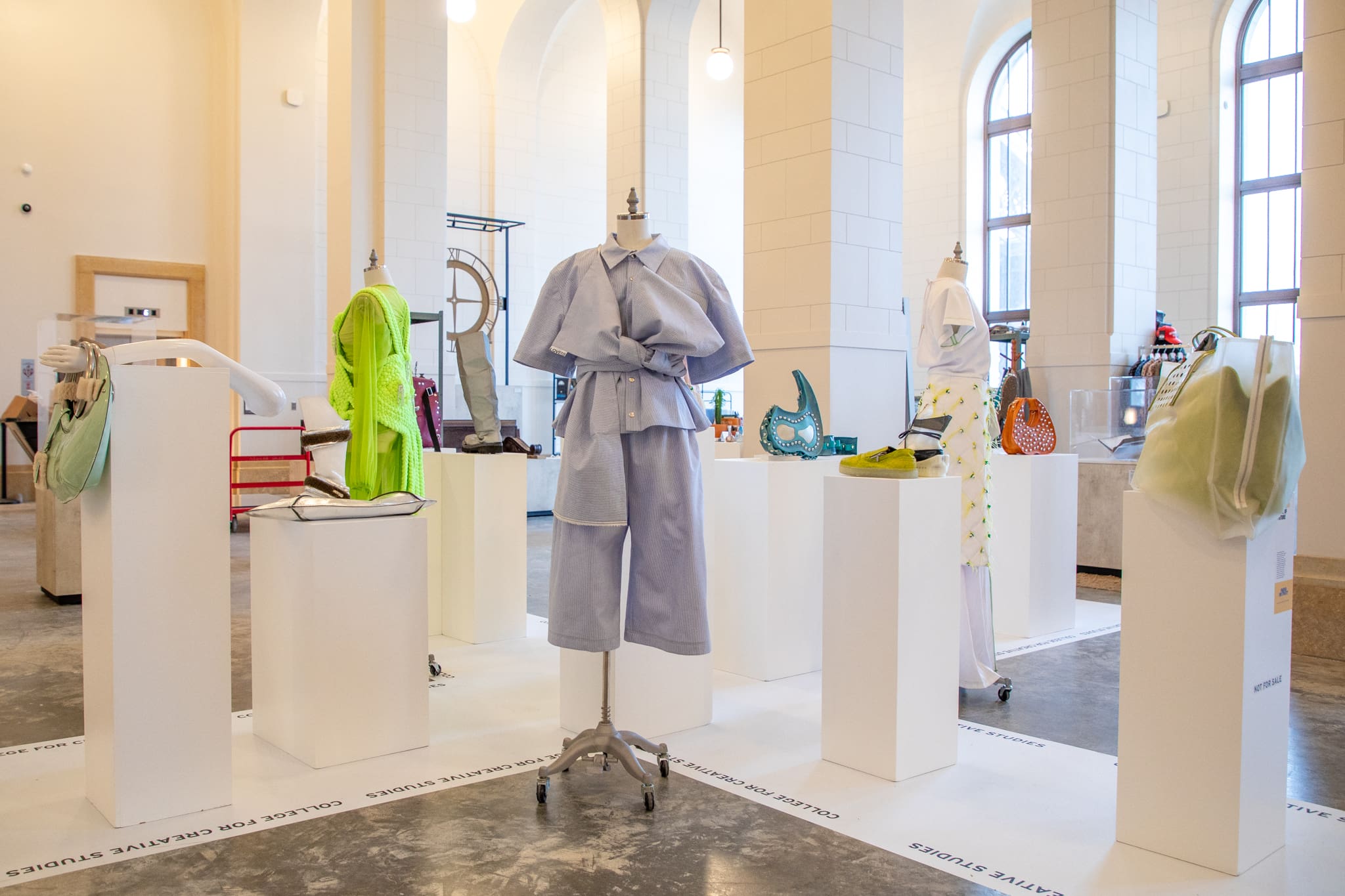
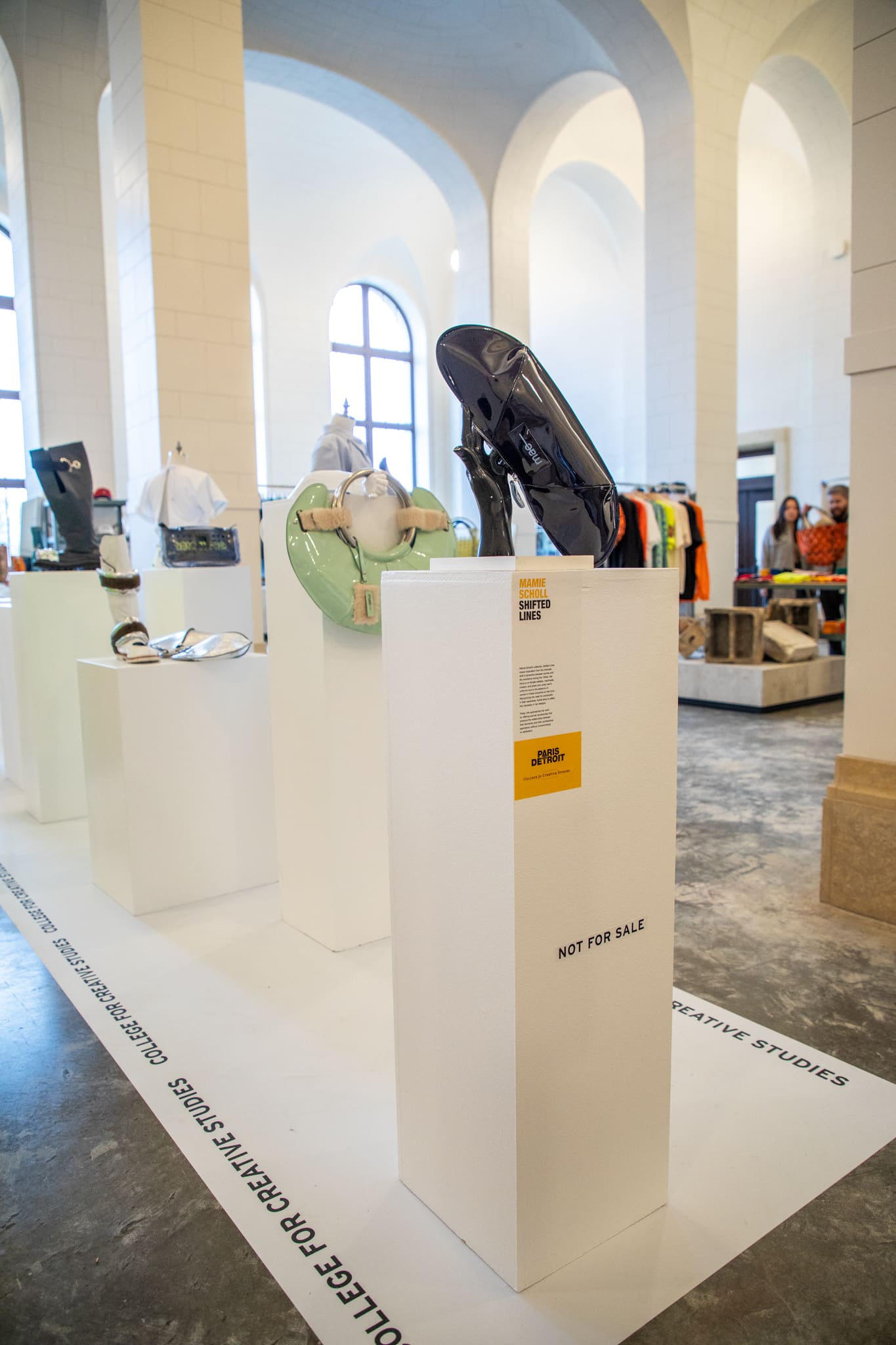
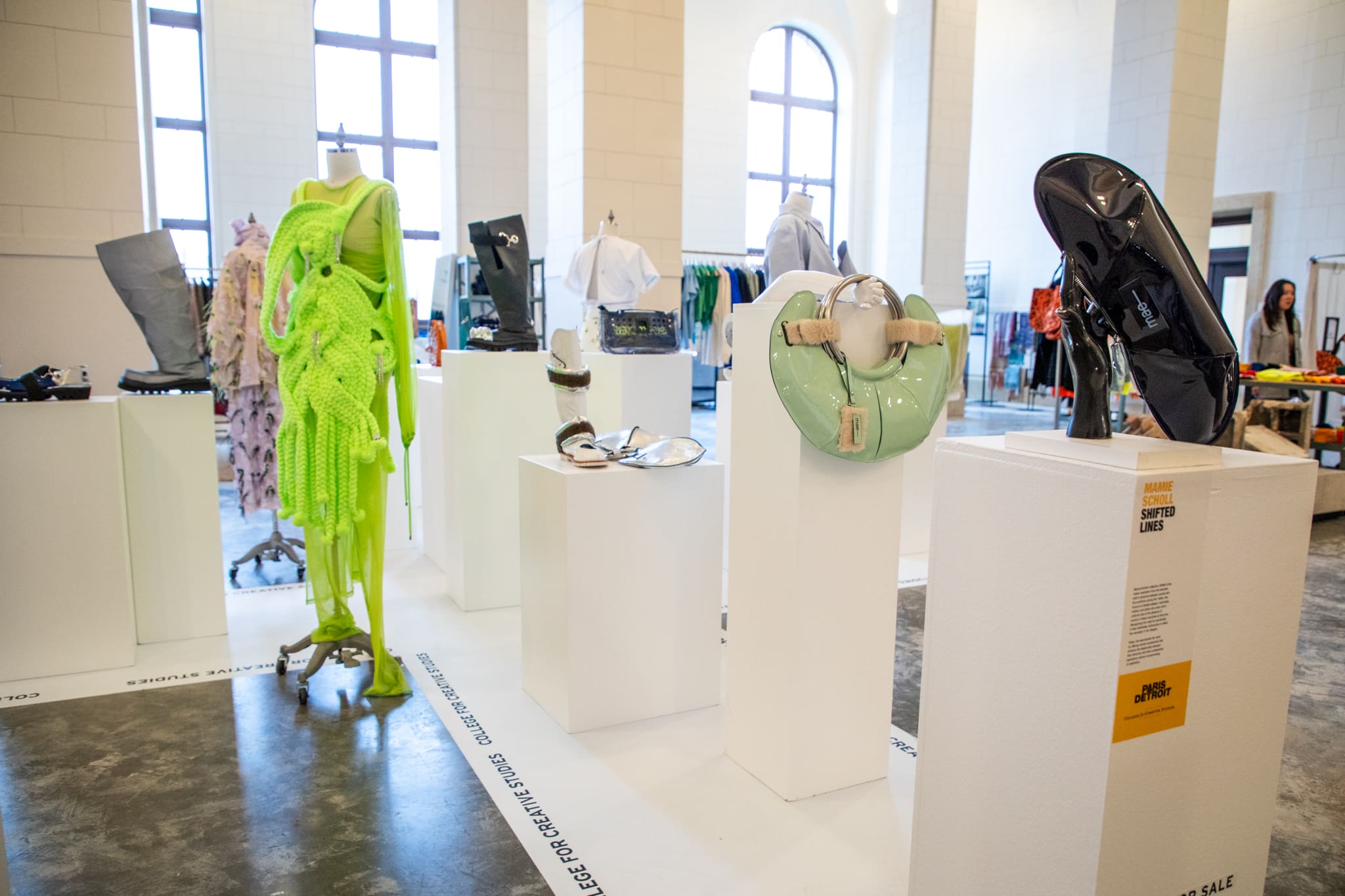
The College for Creative Studies (CCS) was honored to participate in the launch of new retail experiences at Michigan Central Station, aimed at supporting Detroit businesses and celebrating local talent.

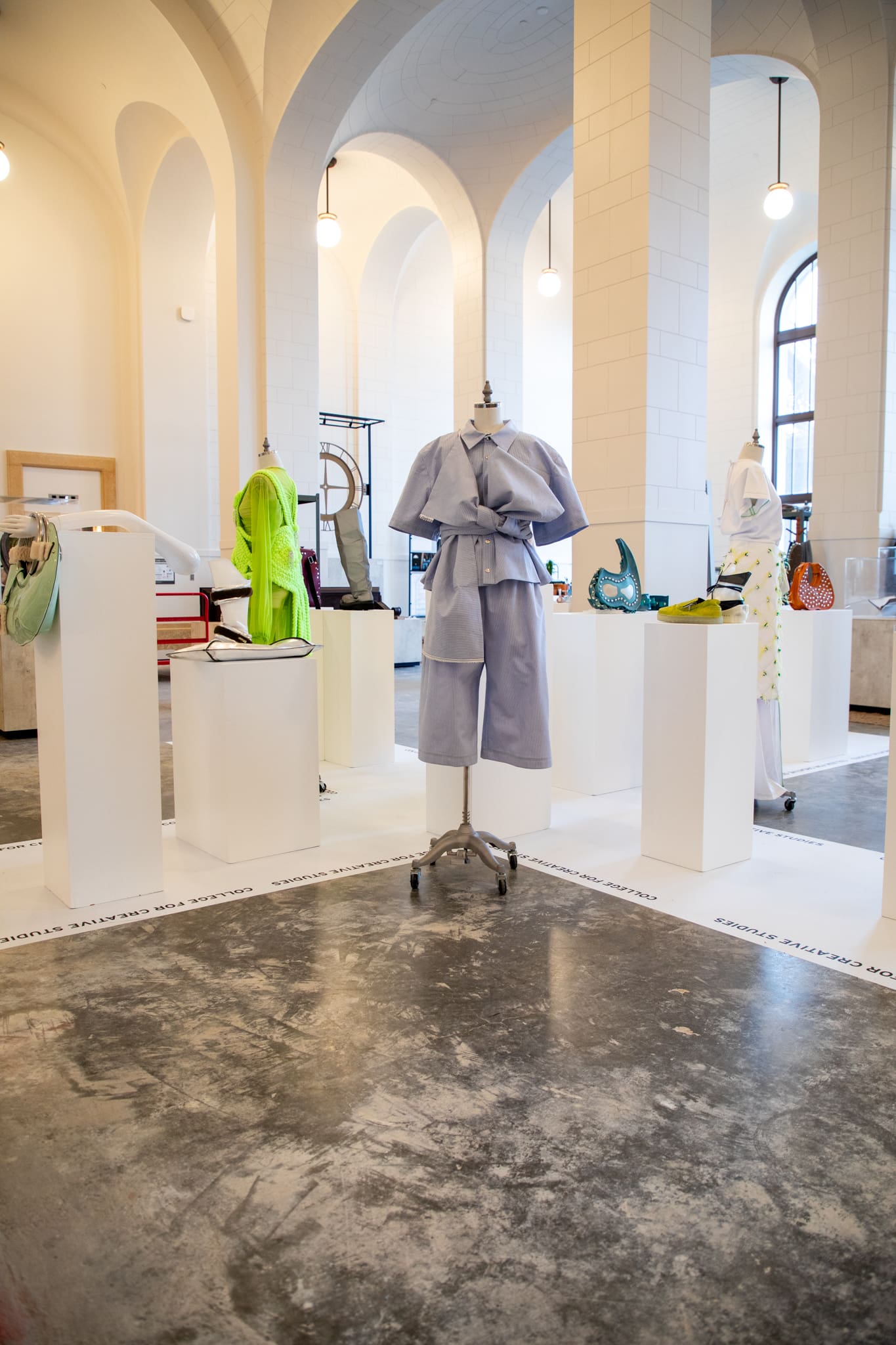
As part of Détroit Marché, an experiential retail space created in collaboration with Michigan Central Retail, Trading Post, and Gonzo World, the Fashion Design department at CCS installed an exhibition featuring alumni work previously showcased at Paris Fashion Week. Each piece, handcrafted by our students in Detroit, reflects the CCS Fashion program’s commitment to craftsmanship and meticulous attention to detail. Featured designers include Cierra Headings, Clay Barckholtz, Ana Bosnjakovski, Mamie Scholl, Dafne Kanberoglu and Andreas Caballero.

Located in the historic restaurant area of The Station, the Marché features over 25 vendors, including CCS alumni and students. A thoughtfully curated selection of local goods includes accessories, art, apothecary, home goods, furniture, apparel and more.

The Station is open to the public for shopping from 10 a.m. to 5 p.m., Tuesday through Friday, through December 28.

Alumni & Student Work for Sale:

  • All Sorrows – Sean Peacock (‘22 Illustration)
  • Alorē Niemi – Alorē Niemi (‘21 Fashion Accessories Design)
  • Detroit GT – Christopher Gorski (’93 Graphic Communications)
  • Detroit Kid – K’Kio Hardin (’01 Graphic Communication)
  • Emillie Yonker – Emilie Yonker (‘25 Studio Art & Craft)
  • Jesse Kassel – Jesse Kassel (’10 Illustration)
  • Kieran Betz – Kieran Betz (‘25 Studio Art & Craft)
  • Lausten Found – Javier Terrones (’23 Transportation Design)
  • Levon Kafafian – Levon Kafafian (’14 Crafts – Fiber Design)
  • Northport Workshop – Edward Foley (‘96 Photography)

The College for Creative Studies (CCS) is thrilled to announce Darcel Deneau, ‘02 Fine Arts, as the new President of the CCS Alumni Council. With her deep connection to Detroit and commitment to the artistic community, Darcel brings a wealth of experience and a vision for transformative leadership. Her appointment promises to foster growth and innovation within the Council, aiming to elevate alumni engagement across the CCS art and design community. “I am deeply honored to serve as the President of the CCS Alumni Council,” Darcel said. “Art has been a healing and empowering force in my life, and I am excited to work with our talented alumni to make a meaningful impact in our community. Together, we can celebrate the transformative power of creativity and champion the incredible city of Detroit.”

For nearly 20 years, Darcel has drawn creative inspiration from the vibrant city of Detroit. Specializing in mosaic paintings crafted from locally sourced glass and found objects, her artwork serves as a poignant reflection of Detroit’s evolution. Her widely collected and publicly displayed body of work offers a unique blend of beauty and narrative, reflecting both the grandeur and the everyday life of the city.

Darcel’s journey into art was catalyzed by a personal tragedy. After the devastating loss of her father and the near-fatal injury of her mother during a home invasion, she gained clarity in her purpose and decided to make art a central part of her life. Although she had always considered herself an artist, it was this pivotal moment that led her to fully immerse herself in her craft. She enrolled as a full-time student at CCS while raising two school-age children, finding Detroit’s vibrant and complex landscape the perfect canvas for her artistic expression.

With an initial focus on painting, Darcel captured the essence of Detroit through images of its skyline and streets, both bustling and abandoned. Her work aimed to challenge the negative perceptions of the city and reveal its inherent beauty. Several years ago, she transitioned to mosaics, finding in stained glass a medium that offered greater dimension and perspective. This shift allowed her to create “mosaic paintings,” meticulously assembling pieces of broken glass and objects to reflect the city’s revival.

Darcel’s artistic dedication and talent have been recognized with numerous awards. In 2021, she was honored as a Kresge Arts in Detroit Fellow, a prestigious recognition celebrating her significant contributions to the arts in Detroit. Her work also earned Best in Show at the Anton Art Center’s 2020 Michigan Fine Arts Competition, juried by Detroit Institute of Arts Director Salvador Salort-Pons. Additionally, Darcel served as the juror for the CCS Alumni Exhibition in 2022.

Darcel has been an active member of the CCS Alumni Council for many years, previously serving as Secretary. Her deep understanding of Detroit’s creative community and the College positions her well to lead the Council in its mission to connect and cultivate the alumni network.

CCS would like to thank the outgoing Council President Antone Amye for his dedicated service and impactful legacy. Antone is looking forward to the future under Darcel’s leadership. “Darcel’s story and her dedication to the arts, Detroit and CCS make her an inspiring leader for our Alumni Council.”

We encourage all alumni to join us in welcoming Darcel as the new president of the Alumni Council and to participate in the diverse programs and activities planned for the upcoming year. Join us in celebrating this new chapter for the College for Creative Studies Alumni Council, and stay tuned for more updates and opportunities to engage with our vibrant community. For more information on how to participate or to reach out to the Alumni Council, please visit CCS Alumni Community.