
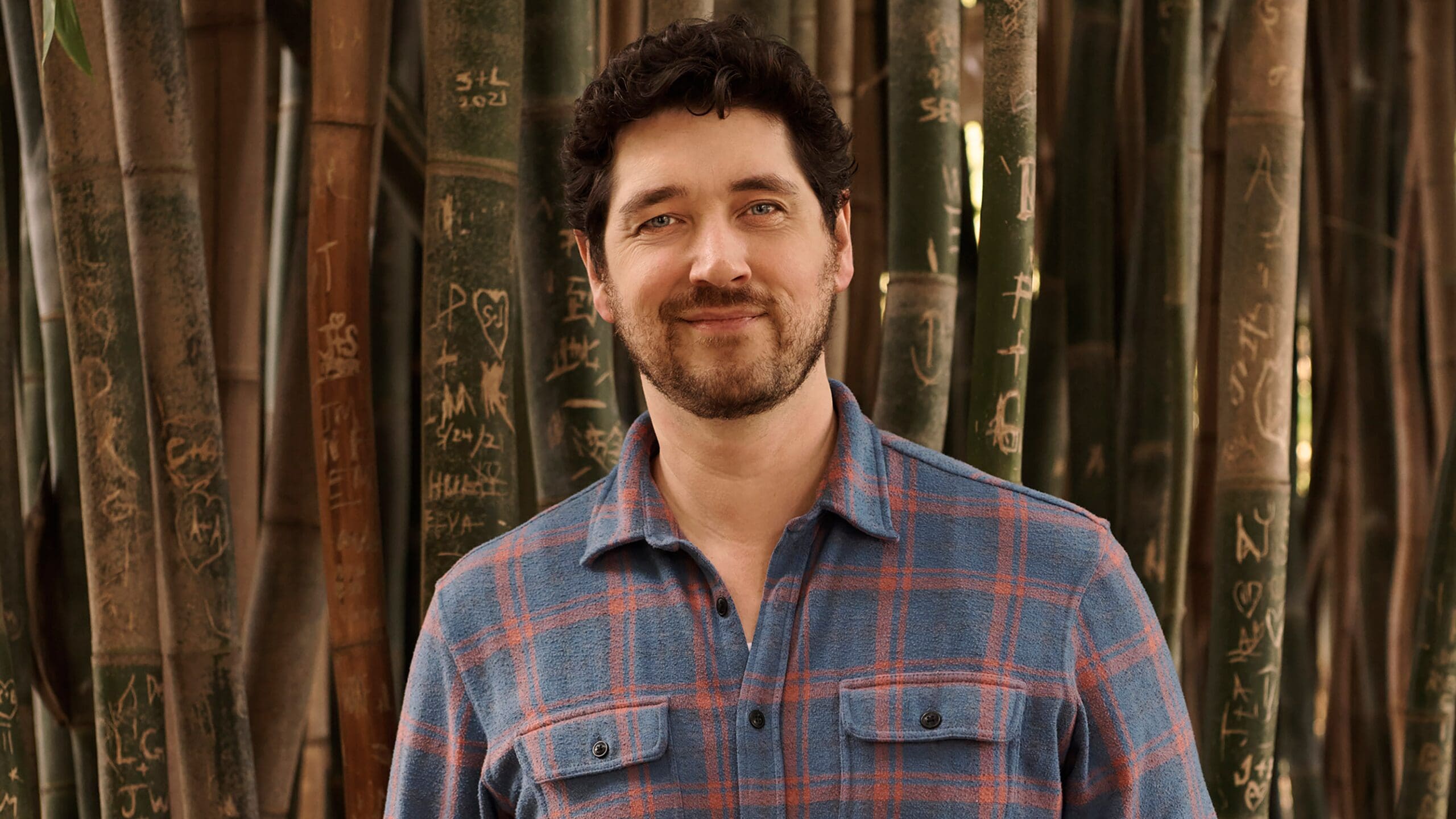
Michael Maher Jr. (’07 Illustration), is a storyteller at his core. And he’s living proof that with enough tenacity and a strong gut instinct, your creative voice can change worlds. What started as a job moving furniture on film sets has evolved into a decades-long career in the entertainment industry. From designing the iconic posters in The Ides of March and prop storyboards for the Oscar-winning Argo, to bringing the terrifying Vecna to life in Netflix’s Stranger Things, Michael’s journey is a masterclass in unlocking your creative potential.
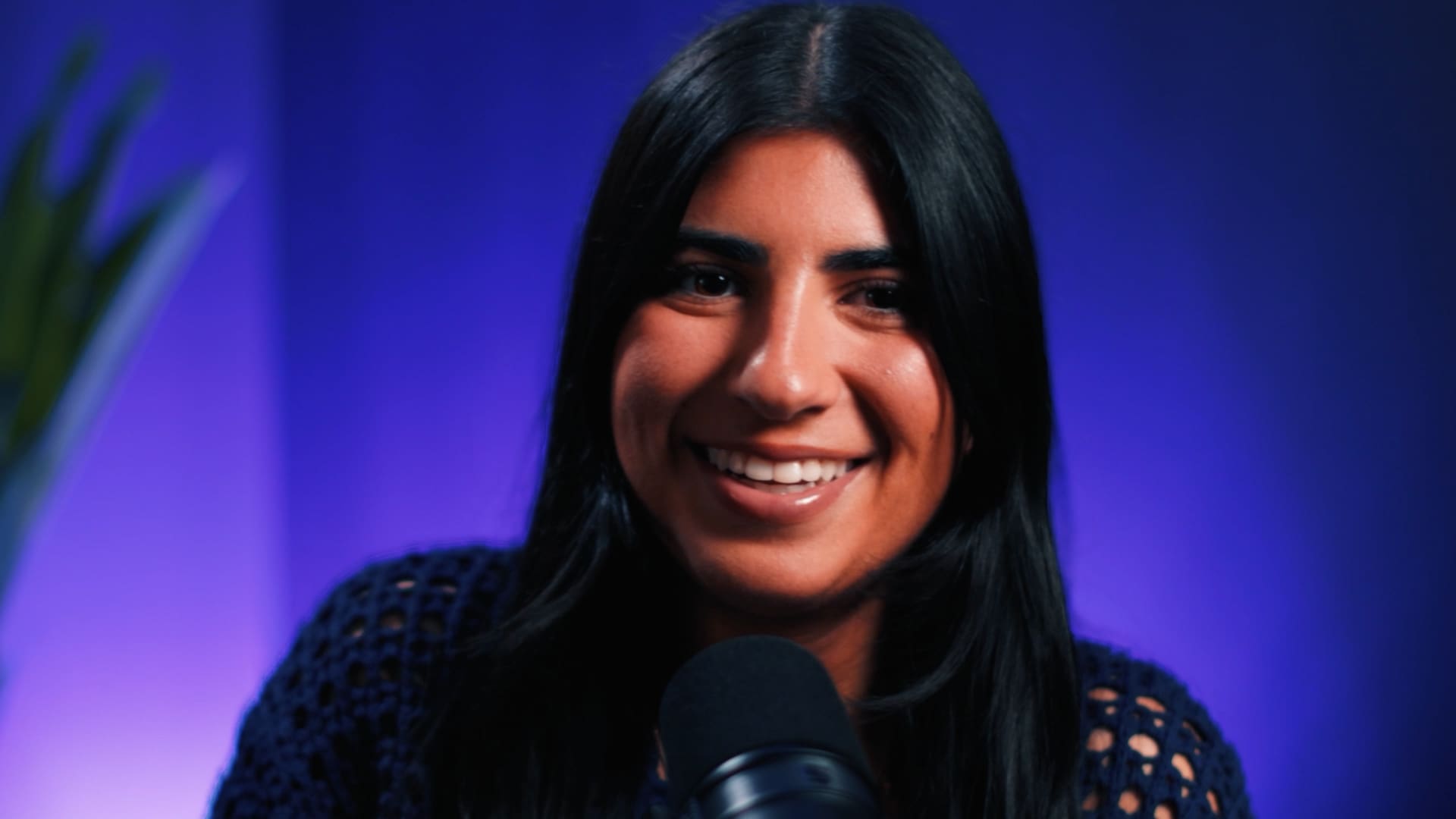
Annabelle Saco (’23 Film) has been holding a camera since she was just a kid. What started as sunshine-filled summer recap videos with friends evolved into a powerhouse career in social media – with over 62K followers on TikTok – and freelance videography.
Annabelle’s freelance business, ShotByAnnabelle, has taken her from the sidelines with the Detroit Red Wings and Pistons to the sets of artists like Sexyy Red and Sommer Ray. Annabelle is the ultimate doer. She’s proof that when you combine a “try anything” attitude with professional skills, you don’t just follow a career path – you build your own.
The Interview
“Support the artists and designers in your life. Support everyone in the arts and the creative industries… honestly, we wouldn’t be anywhere without creatives, in my opinion.” –Annabelle Saco
How did you get here? When did you know this career path was for you? When I was in sixth grade, I took a trip to California. I brought my camera and made a video. That was the moment when I thought there’s nothing else I’m going to do in life but film videos. I started off watching YouTubers – beauty gurus and bloggers, but also photographers like Peter McKinnon. That’s how I found an interest in both video production and photography, and content creation and social media. Then I started making videos with my friends during the summer. I’d make a summer edit every single year. I created a YouTube account and Instagram accounts focused on beauty and makeup. My cousin actually – she went to CCS – and I’d watch her make all these projects at home. I thought it was the coolest thing ever. That’s what struck me to go to CCS. I told my family that if I didn’t get into CCS, I wasn’t going to school. I’m very blessed that I knew at a young age what I wanted to do.
You have so many projects moving at once. How do you stay motivated? One thing about me is I’m very family oriented. My family has done so much for me growing up. They’ve provided for me, and they’re my biggest supporters. So my drive to work hard every single day is my family, because one day I want to be able to provide that for them. Whether that’s tomorrow or 10 years from now, I know it will happen because it’s really what inspires me. They’re such hard workers. They came here with nothing and gave me everything.
www.ccsdetroit.edu/wp-content/uploads/2026/03/BTS-Sommer-Ray.00_01_06_10.Still005-1-1.jpg Behind the scenes selfie of Annabelle Saco holding a professional video setup on her way to a shoot outdoors.
Your content is all so diverse. Where do you find creative inspiration? When I was younger making my summer videos, it was always the music that drove that. I love editing my videos to the beat of the music. I’m a perfectionist when it comes to it. So every little beat has to match. Songs that have really high energy, high beats are what I love. But then, as a content creator, it’s also watching other people’s content and seeing what they’re creating, which makes me want to create 10 times more. I think the two go hand in hand, and that’s what I love about it. Then when it came to school, that is what helped me grow as a creator and with my video production skills. One thing that I think really sets me apart as a creator is the technical background that I’ve gained from school. Even if it’s just me vlogging and doing a food review, I think about the lighting, and the way I want to cut my video. In social media everything’s so fast cut, and people don’t realize that no one wants to even hear you breathe. That’s something that I learned a little bit about in school. I am able to take the background of knowledge that I have and understand what I have to adjust for any situation. I feel like everything I learned at CCS helped me with my editing now as a creator, which is really such an advantage, especially when it comes to working with brands.
“I feel like everything I learned at CCS helped me with my editing now as a creator, which is really such an advantage, especially when it comes to working with brands.” –Annabelle Saco
What’s it like seeing your work come to life? Seeing my work come to life is really such a cool experience, especially in school. There was this one project that I still think about to this day. I show everyone it. I did a Red Bull commercial for fun. It was a four-day production with my friend, where I got to try so many different things that I never thought I could do. I literally wouldn’t stop talking about it, and I still don’t. It was awesome. It’s the same with my content creation work. Sometimes I don’t know what I’m filming until the day of. Then, when I get to the final edit, I watch it over and over and over again because I’m so proud of the work that I put out. One thing that I live by is, “You miss a hundred percent of the shots you don’t take.” I think it is what has gotten me this far. I’ve worked with organizations like the Detroit Pistons, the Red Wings and the Tigers. I’ve also worked with Lions’ players and other companies. Honestly, five years ago, I would’ve never imagined myself working with them. It is very rewarding. If you’re just sitting down and not taking the chances, you’re not going to get where you want to be. Going out and asking people for what I want, and not being afraid to get a “no,” has also led me to work with Sexyy Red, Sommer Ray, and other artists, athletes and influencers. I’s really eye-opening to how far you can go with something like this.
www.ccsdetroit.edu/wp-content/uploads/2026/03/BTS-Sommer-Ray.00_00_33_14.Still003-1-1.jpg Behind the scenes shot of Annabelle Saco filming artist, Sommer Ray as she DJs at a club.
What is it that you love most about being a freelancer? One thing I love about my career is the flexibility and freedom I have. Of course, I can go out and get a corporate job, nine-to-five – and that’s just as amazing – but I love being a freelancer because I’m not just stuck to one thing. I get to do so many different things. One day I’m sitting in a Lambo going 90 miles an hour, then the next, I’m filming videos for a restaurant or the grand opening for a med spa. I’m all for experiences and opportunities, and I love being able to do a little bit of everything.
You’ve gained quite the following online. What’s your ultimate goal? My ultimate goal is to inspire others to go after their dreams. That’s one thing that I really do try to push. If you have a dream at such a young age, God would not put that in your heart if it wasn’t meant for you. That’s really what keeps me going. I don’t give up because I know it’s what I’m meant to do. I want to be that comfort creator for someone if they’re feeling down. I want to make others happy.
“I want to be that comfort creator for someone if they’re feeling down. I want to make others happy.” –Annabelle Saco
Is there a “bucket list” goal you’re still chasing? I’m striving towards working with the Detroit Lions. One day, I want to be on the field. I actually made a video that was pitching myself as a social media coordinator. I knew that I had to do something that was going to stick out, and that no one else had done. So I went on social media, like I do, and I filmed a video about why they should choose me. I actually got a lot of attention on both Instagram and TikTok. So many people, even Lions’ players, were reposting it. I love Detroit sports. There’s so much hype around them. One day I’ll be on that field, one day.
How do you feel CCS prepared you for this career? There are so many ways that CCS helped me prepare for my career. The AVC (Audio Visual Center) was amazing. I got to work with different kinds of equipment, and knowing all of the advantages and disadvantages of equipment really helps as a creator. And the staff there, they’re so supportive. Jerome, Laurie and even Amber herself. All the people there are really amazing. They push you to keep trying. Having a social media presence wasn’t very normal in the film industry, just because it’s different than an experimental film or commercials – and those professors and staff really pushed me and said, “You’re going to make it so far,” and that stayed deep in my heart. I really appreciate them for that. As well as classes, like sound design. I always struggled in school to take what I learned to the next year with me. But now, I really try to think of every single thing about the lighting and sound for every shoot. Learning how to work as a team. That really helped me. Being able to work with others in the studio was really, really nice.
www.ccsdetroit.edu/wp-content/uploads/2026/03/BTS-Sommer-Ray.00_01_08_22.Still006.jpg Annabelle Saco behind the scenes on a photo stage featuring a camera on a tripod.
What would you say to a student or parent who is apprehensive about CCS, or to pursuing a creative career? Nothing is guaranteed. I know being in a creative field, it’s very out of the norm. We’re all told to go to a nine-to-five. Get that job. Be in the corporate world. And, of course, those are great. I’m not downing it. I think those people work just as hard as we do. But I really do think it’s important that, if you have a dream, to not be afraid to do it. The only ones who fail are the ones who stop trying. And I think, if you really do love something, there’s no way you can fail. I was very blessed that my parents were very supportive of this. Especially in the Middle Eastern culture, we’re told to become a lawyer, become a doctor. My family saw the passion that I had for this, and they believed in me just as much. If you’re a friend or a parent of someone whose dream it is to go to a school like CCS, just try to be supportive. Because the only reason that they might not be doing it is that they don’t feel they have that supportive system. I really do think that, if they have a passion for it, they are going to make it so much further than anyone could ever imagine. Support the artists and designers in your life. Support everyone in the arts and the creative industries. All they want is a support system behind them. I think that’s what everyone deserves. Because creatives are – honestly, we wouldn’t be anywhere without creatives, in my opinion.
I would love to know what you would tell baby Annabelle – if you could go back in time. I could cry thinking about this. If I had to say one thing to little Annabelle, it’s to not give up on your dreams, and look at how far you’ve come. I think it’s so beautiful that, even though you did have some bullies in the past, you didn’t let that stop you now. And nothing will stop me. No one is going to stop me from living out my dreams.
www.ccsdetroit.edu/wp-content/uploads/2026/03/BTS-Sommer-Ray.00_00_15_01.Still002-1.jpg Annabelle Saco on set in a party bus, filming content for social media influencers.
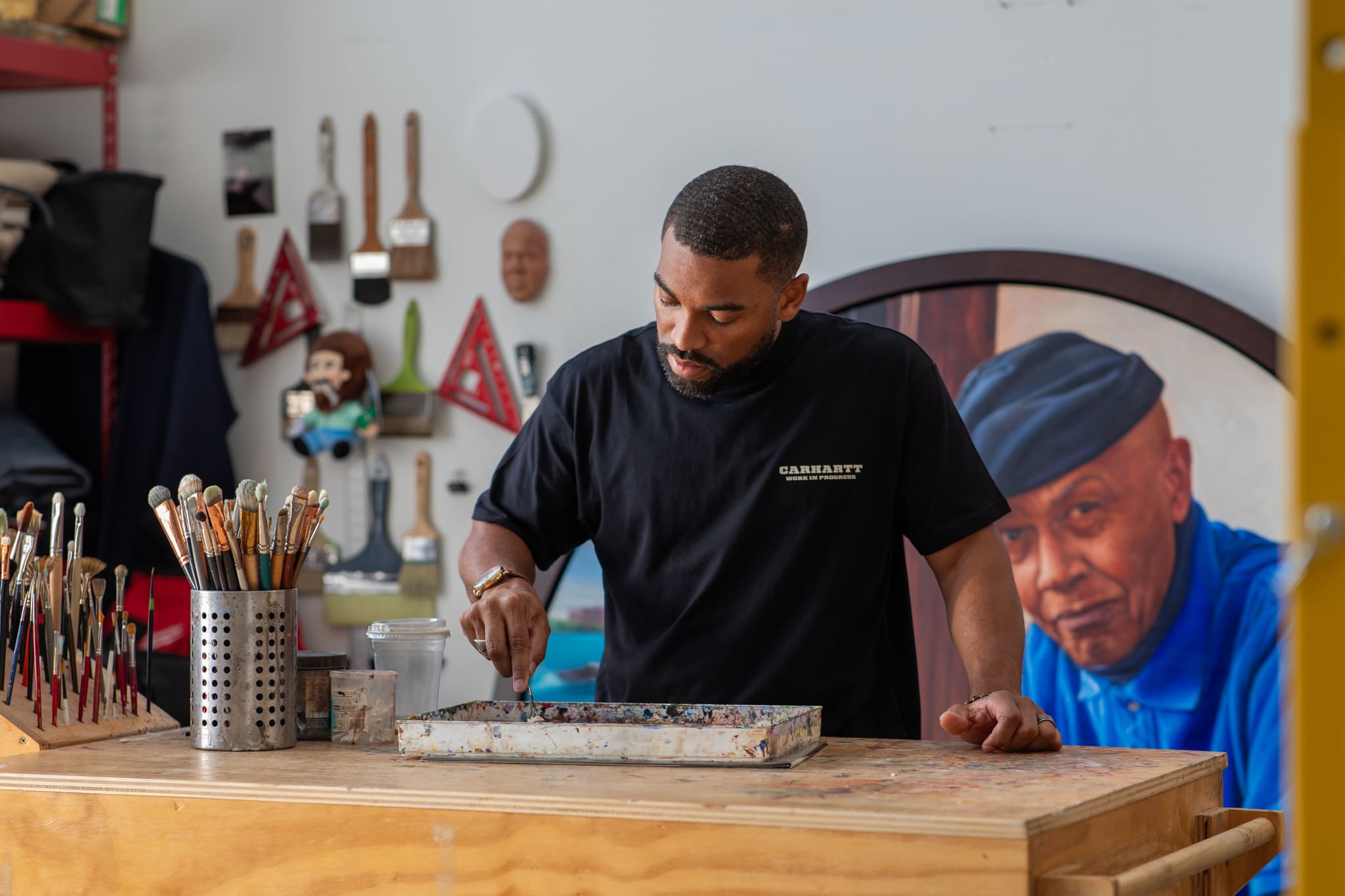
A Conversation with CCS Alum Mario Moore on Legacy, Family and the Art World
Recent spotlights at international events like Art Basel Paris have drawn attention to Detroit’s vibrant art community, but for local artist Mario Moore, ’09 Illustration, the spotlight has always found him. Moore’s work can be found in established galleries and even in the permanent collection of the Detroit Institute of Arts. While his CV is a laundry list of artistic achievements, it is his deep connection to heritage, the arts, the City of Detroit and, above all else, his family that keep him humble and authentic.
We spoke to Moore during a private tour of the DIA – a core location to his artistic journey – and at his studio space in Detroit. Crediting his lifelong passion for the arts to his mother, CCS Admissions Assistant Director and alumna, Sabrina Nelson,‘91 Fine Arts, and his upbringing in the Detroit arts scene, his story is one of the manifestation of a life surrounded by creative ideation, expression and freedom … and with some Kendrick Lamar or Motown blasting in the background.
The Interview
Hi, Mario. It’s nice to be here with you and talk to you in your studio. Can you introduce yourself in a few words? My name is Mario Moore. I like to think of myself as just an artist. I think primarily people know me as a painter, but to me, the medium is only about the concept. So whatever medium I choose to use is the best way to kind of create the idea. So generally, I’m an artist.
www.ccsdetroit.edu/wp-content/uploads/2025/12/CB3A9764.jpg Mario Moore in his studio with his painting “Blues Man: Allie at Home.”
So speaking about the different types of mediums you work with, what are some of the bigger ideas behind your work? I think broadly, what my work has to do with is telling human stories. And it’s done so in a way that invites anybody – and I do mean anybody – people within the art world and outside of the art world, to basically step into the work. I think the level of realism that I use is one, a kind of invitation to people who see the work, and also a way for people to respond, but also interact. So it’s the best way I can tell human stories that deal with American history, deal with everyday lives, deal with heart subjects. But stories about humanity.
When did you start your artistic career, and can you share with us some details that influenced your decision to become an artist? I like to say that we are artists when we are kids. And from that perspective, I started to think about making work and being an artist since I was a child. But if we’re talking about, like, okay, you’re a professional now? I think the best way to think about having a career as an artist is to basically just begin and start. Like, having a degree in Illustration is amazing, but the concepts and ideas and the processes and putting together shows and exhibitions, you know, happened before college. And CCS just helped me along with that. But yeah, as a professional, my career started around 2012, 2013.
www.ccsdetroit.edu/wp-content/uploads/2025/05/DSC_4282-scaled.jpg Mario Moore with his mother, Sabrina Nelson, ’91 Fine Arts, sister, Sudani Shaah, ’25 Studio Art and Craft, and family.
So before that time, though, was there someone or something that inspired you to follow this artistic path? My mom, Sabrina Nelson, is an artist, and I just grew up in art, grew up in Detroit, going to all the art exhibitions, grew up with our artist friends, being in their studios, seeing them, basically turning an empty canvas into, you know, something that was incredible. I think that the magic was in that these friends of hers and she herself had these ideas and they just birthed them. And they came out of nowhere. I love the concept that you can create something and start something new. So, yeah, my mom has been a big inspiration to me in becoming an artist.
And with watching her career, her artistic path and her friends and their careers in the arts, and now you being an artist yourself, I’m sure you have noticed that there’s a lot of trials and tribulations along the way. What kind of challenges have you faced as an emerging visual artist when you think back to that time? Yeah, I think life, you know, in general, is going to have its valleys, it’s going to have its hills. It’s not just going to be an upward motion, but I think the best thing to do is to continue being confident in yourself, and also believing that you were meant to be an artist. But also being an artist is work. It’s not an easy thing, right? I think there’s something really dedicated and difficult about whether you have the money or not, or whether you have a regular job, maybe you’re working in a deli shop, whatever it is, but after that job, then you focus on your career, you focus on your art. For me, when it comes to, like, some of the difficulties, I think it was, you know, considering the different pathways I wanted to take, when it came to Illustration, I really was thinking about, oh, man, how am I going to make money? And, you know, I thought about children’s books, I thought about sports illustration. I thought about all those things. And then over time, I realized I didn’t like working for anyone. I didn’t like to create somebody else’s vision. And that ultimately led me to, like, oh, you really want to make your own work. So just following that pathway 100%, even if it wasn’t really fruitful at the beginning, you know.
“It’s trusting that you have something to say, trusting that you have the dedication to continue to do it and continue to say it. And that’s what has led me to where I am now, just believing in myself, which I think can be hard for a lot of artists.” –Mario Moore
I completely agree. But even through those challenges, you have achieved incredible success. So what is your definition of career success in the arts? I believe that career success for me is basically having my bills paid. Not having to worry about finances, but the most important thing is that I’m able to create and make what I want to make without any limitations. Granted, I’m blessed, I love it, that it’s showing in museums, I love that it’s in galleries, I love that. But for me, it’s the ability to make the work and create the work, and to be able to sustain that. It’s not about being the biggest artist. It’s not about being the most famous artist. It’s about just the ability to create your ideas and your concepts without limitations. That, to me, is a definition of success. If I can go to the studio every day and make what I want to make, oh, what? That’s everything. That’s everything.
www.ccsdetroit.edu/wp-content/uploads/2025/12/mario3-2.jpg Mario Moore in front of his painting “The Council” located at the Detroit Institute of Arts.
Well, speaking of having your work in museums, we know that you have work in the Detroit Institute of Arts, and through other interviews and knowing a little about your history, it’s a very important place to you. Can you touch upon what it means to have your work shown there? You know, I think it’s very special that I have work in the Detroit Institute of Arts. I have work in other museums around the U.S. and I love those institutions, but to be able to have work in the museum that you literally grew up in as a child, right? And you look and you see all the paintings on the walls and you imagine that one day it might be possible to have your work on those walls? Even though it seems, like, crazy to even think that way, but to imagine it and then to actually make it happen and see it is very, very fulfilling, but mind-blowing. To have it here, where I saw some of the first paintings I saw in my life, in a place where I used to draw in the galleries as a kid, a place where my dad met my mom when he was working as a security guard, and a place where my dad still works. So it’s awesome to see people going to look at my paintings in a way that I did when I was a kid looking at other people’s paintings, you know? It’s very special.
Continuing that thought about the DIA… I heard about an exciting collaboration. Can you tell me more about it? Yeah, so as an artist, I am one of those people, if you go with me to any museum around the world, they usually have audio tours. When I listen to the audio tours, my hope is that it adds some information to something that I didn’t know, especially when I think about people who are new to art or it might be their first time in a new museum. So I am doing a project with the DIA where I am giving an audio tour of all the works that I love in the museum, and of my own work. So it will be the Mario Moore tour of the DIA, which, I think, is kind of dope. It’s incredible.
www.ccsdetroit.edu/wp-content/uploads/2025/12/mario4.jpg Mario Moore painting in his studio in Detroit, Michigan.
Could you speak about a few of your favorite gallery spaces or works of art at the DIA that you are drawn to or inspired by, that maybe some people will be able to hear about from your perspective on the tour? Well, my favorite painting in the DIA is Artemisia Gentileschi’s painting, Judith and Her Maidservant with the Head of Holofernes. I love that painting because it’s the way she painted it, but it’s also the way in which she pushed forward the concepts and ideas of Caravaggio, and she did it better than he did. My favorite part about that piece is the head at the bottom of the canvas. Like, when you see it, it’s like got the texture, the brush strokes. There’s greens and grays, all painted in there. But it’s just the luminosity that you see from that painting. And then the other space that I really love is the Dutch galleries. I’m a Rembrandt fan. So Rembrandt to me is like the best person who does illumination of light. And when I think about my own work, it’s always something that I’m trying to kind of imbue into the work is like this idea of light. And Rembrandt is great at directing you into the places he wants you to look at. So these are also a part of the audio tour. And then there’s the one Velázquez painting in the collection. It’s amazing that Detroit has a Velázquez painting. And to me, when I talk about painters that influence me, painters that I look at, I feel like Diego Velázquez was one of the first modern painters in history. And also, I would call him probably the best painter ever.
So, thinking about if you mentored younger artists or CCS students who are beginning their art careers, what single most important piece of advice would you offer them? I think the single most important advice that I would offer a young artist – a CCS artist – is to understand that there is not one pathway. There are many options for you, as far as a career in the arts. And I think a lot of times, for younger artists and also dealing with parents and family members who know nothing about art, they’re limited in their perception of what they can do with the talent that they have. So for me, it’s like, always remain open, especially when you get to CCS. Take as many classes as possible in every department. Develop all the skills that you need in other spaces, like take a glass class, take sculpture, take all of these things, because you never know how they will play in your practice. You never know what will happen after you graduate. And when you have so many skills developed, it’s a way to tap into another side of your brain. Like recently, a couple of years ago, I was taking a stone sculpting class and it was so interesting to me because usually when I’m in the studio, I need music, whether I’m doing a clay sculpture or whether I’m painting or I’m drawing. But when I was doing stone sculpture, it felt really meditative. I didn’t need any music. One, because you can’t hear it at all. But also, it just kind of created another kind of creative pathway in my mind. So when I went back to painting and I went back to drawing, it just kind of brought something new to me. I think that’s the best advice I can give is to just be open.
“I believe that career success for me is basically having my bills paid. Not having to worry about finances, but the most important thing is that I’m able to create and make what I want to make without any limitations.” –Mario Moore
Speaking of that playlist, what’s your go-to? Who’s your go-to artist? Kendrick Lamar lately has been my go-to artist in the studio, but I’m also like a super Detroit guy; Motown is heavy, it’s always playing in here. I love techno too. So I listen to DJ YG a lot. I listen to Dwele. Yeah, it’s a lot of different music, and it also depends on how I’m feeling. Because also as an artist, the one thing that I think a lot of people focus on is skill set, right? Which is incredibly important. Things that you need to learn, things that I think you should have. But the one thing I’m looking for in my work is a feeling. The feeling of whatever I’m making is more important than the way the thing was put together, right? So music really plays a part in that. That’s also the question you get all the time. How do you know when the work is done? I don’t know. You can work on any piece of artwork for the rest of your life if you want. For me, the most important thing is: does it have the feeling I want? When it has the feeling, I know it’s done.
www.ccsdetroit.edu/wp-content/uploads/2025/12/CB3A9754.jpg Mario Moore in his studio in Detroit, Michigan.
That’s so interesting. Okay, last question. What are you most looking forward to working on next? I have a passion project. And I think every artist has passion projects. Things or ideas that are so big, you have no money for them. But you’re determined to make it happen. I am most excited about doing a large outdoor public sculpture of Malcolm X. That’s the thing that I’m most excited about right now. Again, no money involved, no funders, no nothing. But that’s what I’m working towards, to do a large outdoor public sculpture of Malcolm X for the city of Detroit, and in granite, I believe, when it’s done – because it will get done – it’ll be the first outdoor, full-figure, public sculpture of Malcolm X in the U.S. There is not one.
You can learn more about the CCS Illustration department here: https://www.ccscdetroit.edu/academics/undergraduate-programs/illustration/. You can listen to Mario Moore’s Detroit Institute of Arts audio guide here: https://guides.bloombergconnects.org/en-US/guide/detroitInstituteOfArts/tour/6757571e-c3ea-46f8-88c8-26a12c2750f0.
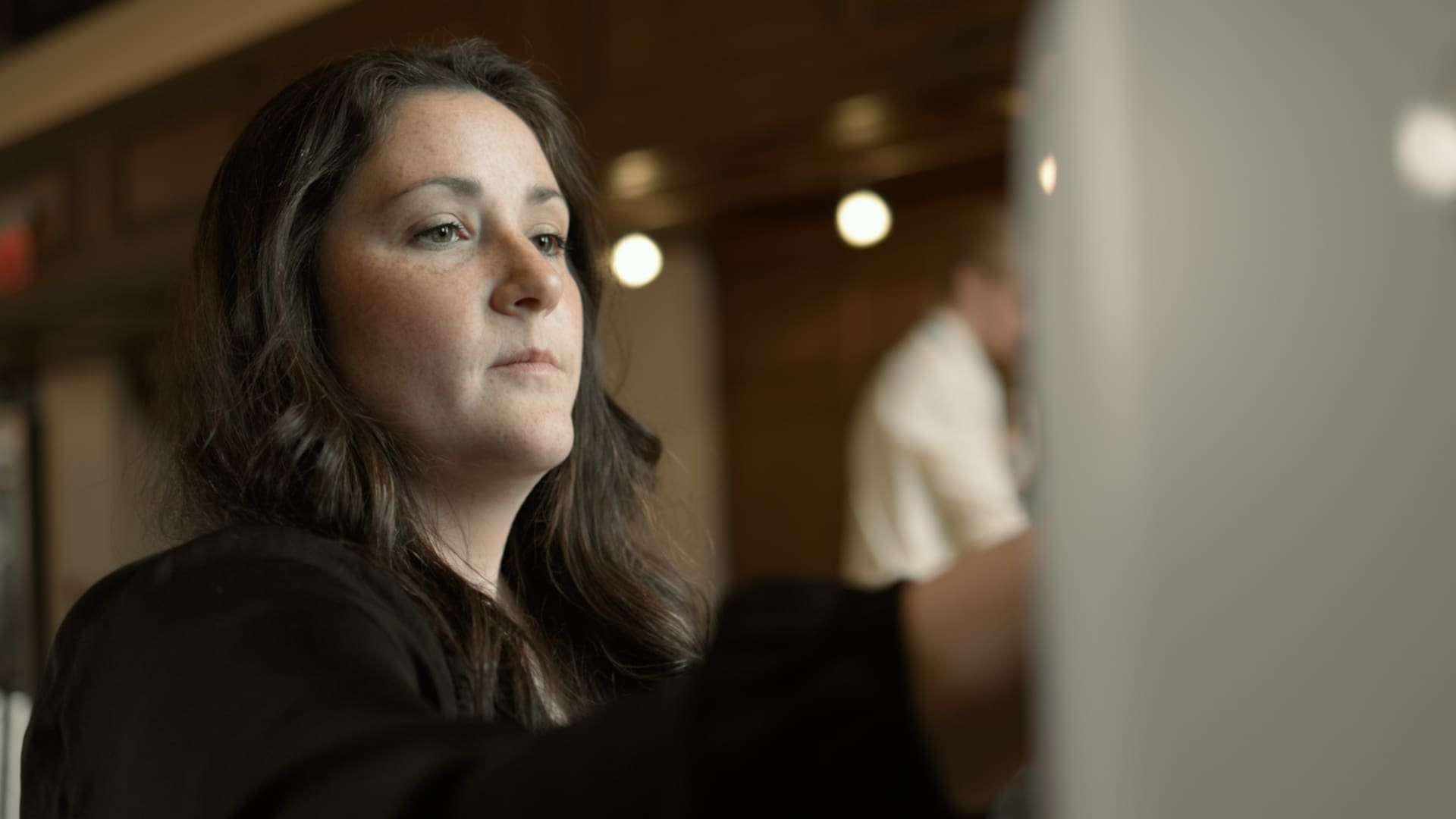
Alexandra Moceri’s artistic journey took many unexpected twists and turns. Although always fascinated by art, she initially remained unaware of the diverse career fields within the design industry. It took a conversation with an art teacher at her previous university, where she was minoring in art, to open her eyes to the possibilities. Soon after, she transferred to CCS to major in Product Design. Even while studying Product Design at CCS, she couldn’t have imagined her future profession. Today, thanks to her artistic passion, she is an integral part of Henry Ford Health, where she oversees device creation and assists doctors in presurgical planning. Hear more as she shares a glimpse into this fascinating process where art and medicine collide.
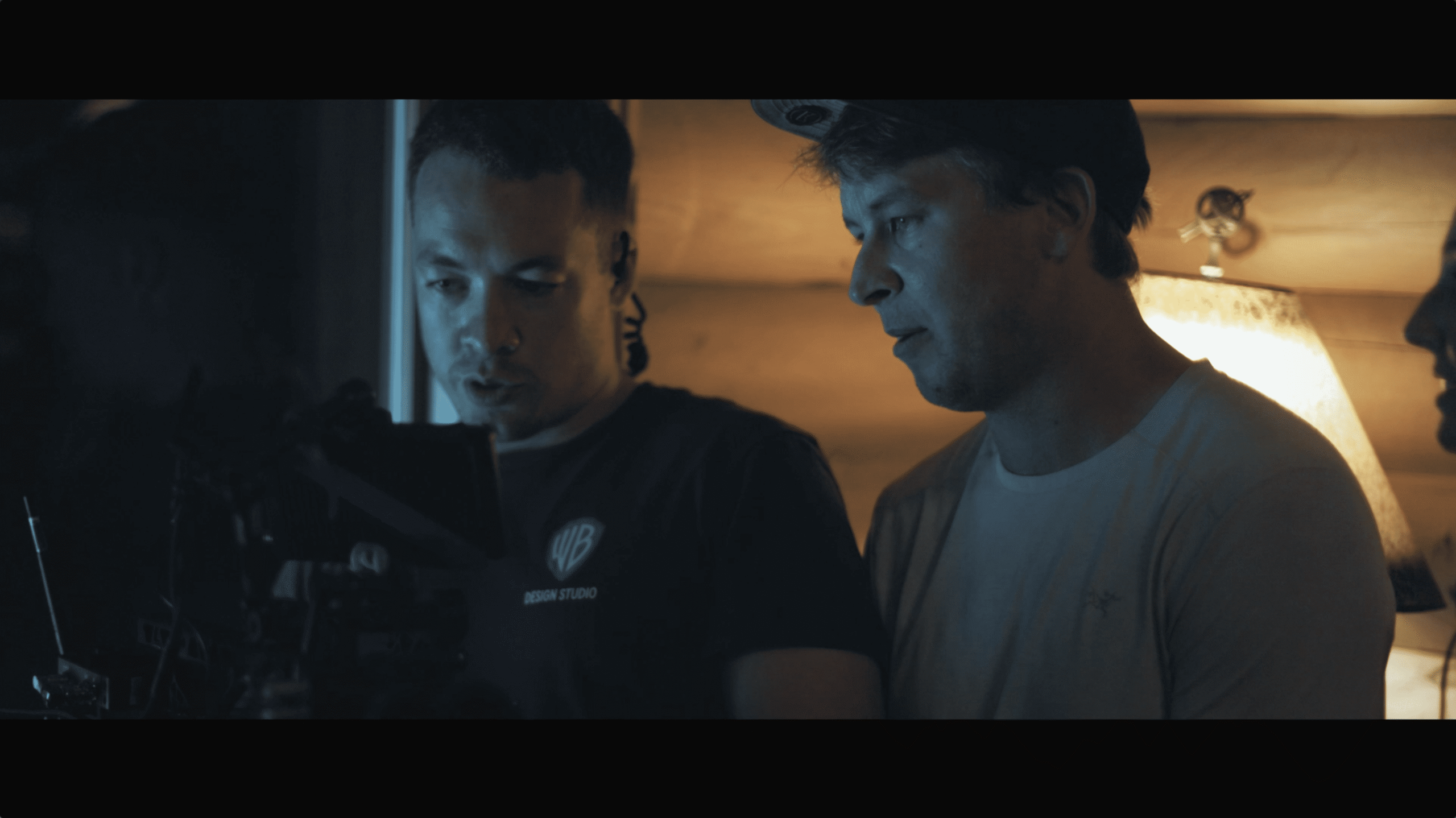
From home videos to backstage at HBO, Disney, Netflix and more, CCS Alumnus Evan Butka has used his love of being behind a camera to build a successful career.
“Whatever I’m filming, I always want it to be the best thing possible.”
We caught up with Evan on the set of SLAY, a film directed by Kyra Gardner and written by Jimmi Simpson, where he worked his magic as Director of Photography.
Evan got his start at CCS, studying film and photography, and later sharpened his craft in London, Edinburgh, and Prague. Now based in Los Angeles, he’s worked on major productions like Euphoria—bringing emotion and atmosphere to life, one frame at a time.
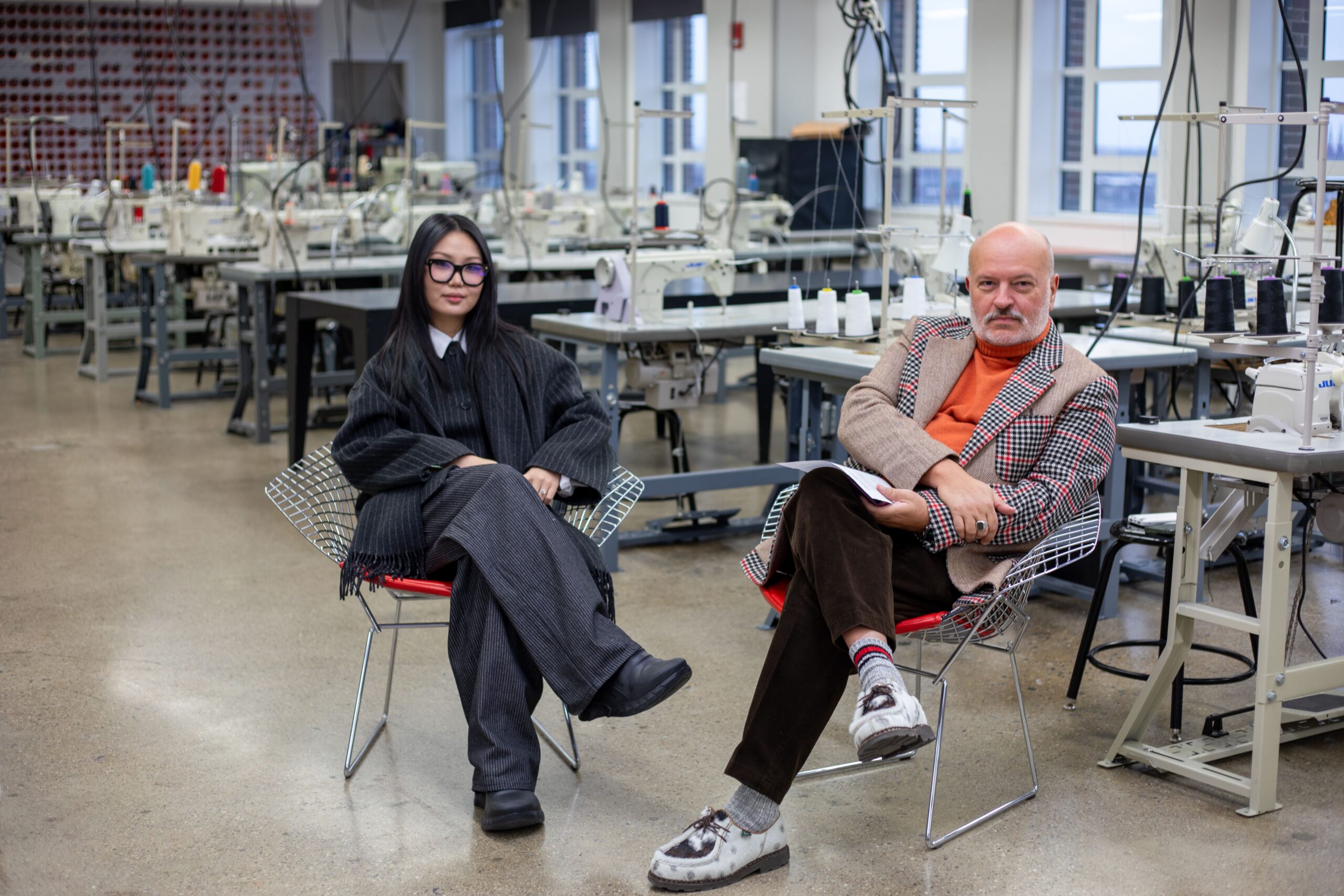
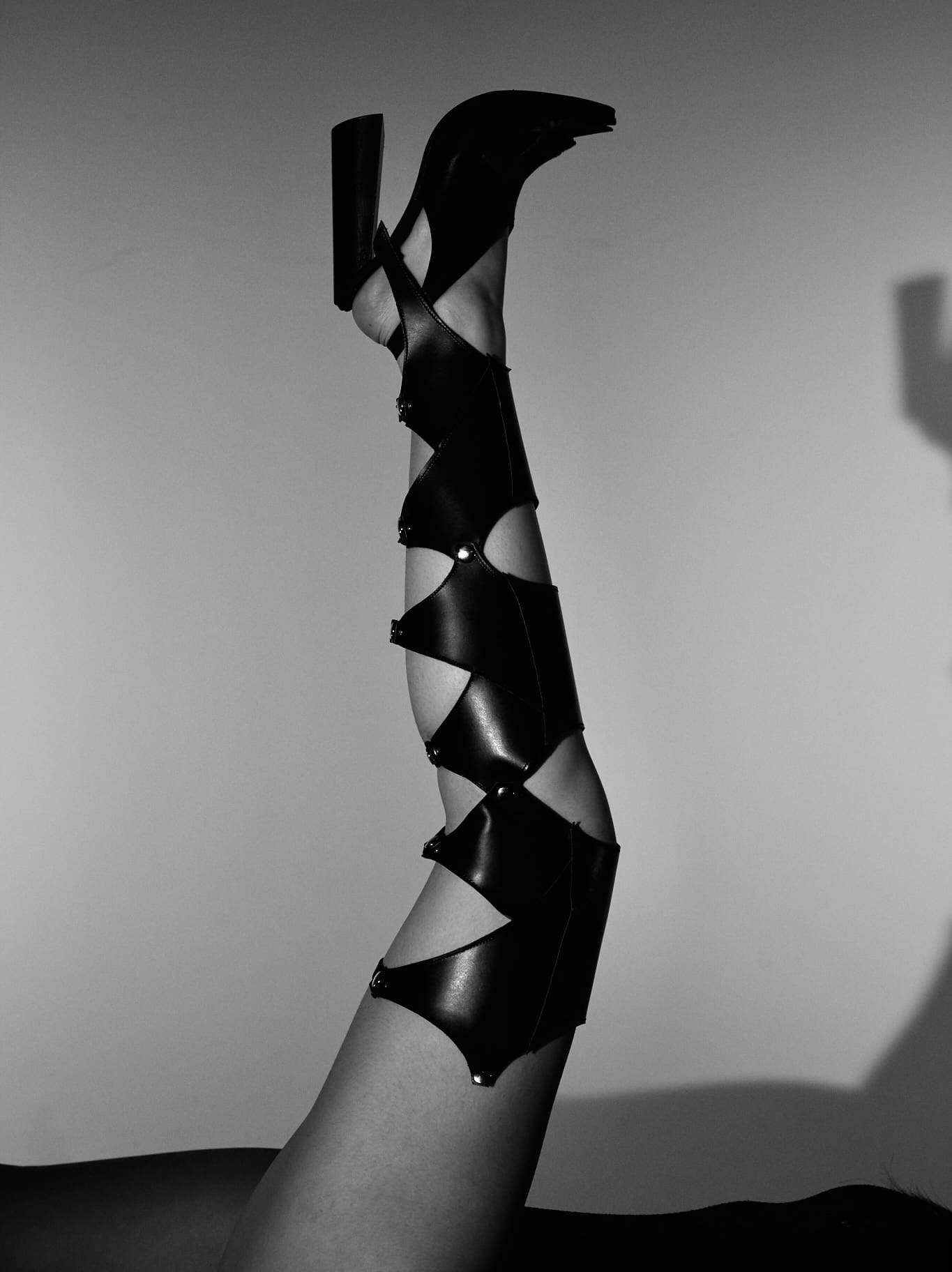
The first time Aki Choklat, Linda Dresner Endowed Chair of Fashion Design at CCS, and Nikki Park, CCS Fashion Accessories Design alum, met was over a meal of tonkatsu at a sushi restaurant in Michigan in 2019. Nikki happened to be Aki’s server and the two struck up a conversation about a shared love of fashion that would kickstart an incredible journey for Nikki, from design student in Detroit, Michigan, to Design Assistant at Louis Vuitton in Paris, France. Aki chatted with Nikki during her recent visit back to the CCS Fashion Design department.
The Interview
“…From the moment I started to decide, okay, I just have to work with what I’ve got. That’s when I sort of was able to fully immerse myself…” –Nikki Park
Aki Choklat: Hello. Well, welcome back Nikki, to your second home. Nikki Park: My second home!
AC: So, I just wanted to start this interview by reading something. This is from January 18, 2019. It’s an email you sent me. Subject: Nikki from Sushi Hana. Hello, Aki. I’m not too sure if you remember me, but I’m Nikki from Sushi Hana. I recently talked to you about visiting you to show you my current portfolio. I was still wondering if you have any free time for me to discuss my portfolio with you the following week. It would honestly be much appreciated if I had an opportunity to have your input in my work. Thank you, Nikki Park. That’s 2019, and a lot has happened. NP: Wow, that’s like six years ago!
AC: : Exactly! So, describe to me a little bit what was your world like in 2019? I also have a picture of, by the way, what was served that night. I remember I had tonkatsu. NP: I remember Tonkatsu! And I remember I also have a picture of your handwriting on my order. You wrote your email there and that’s how I ended up emailing you.
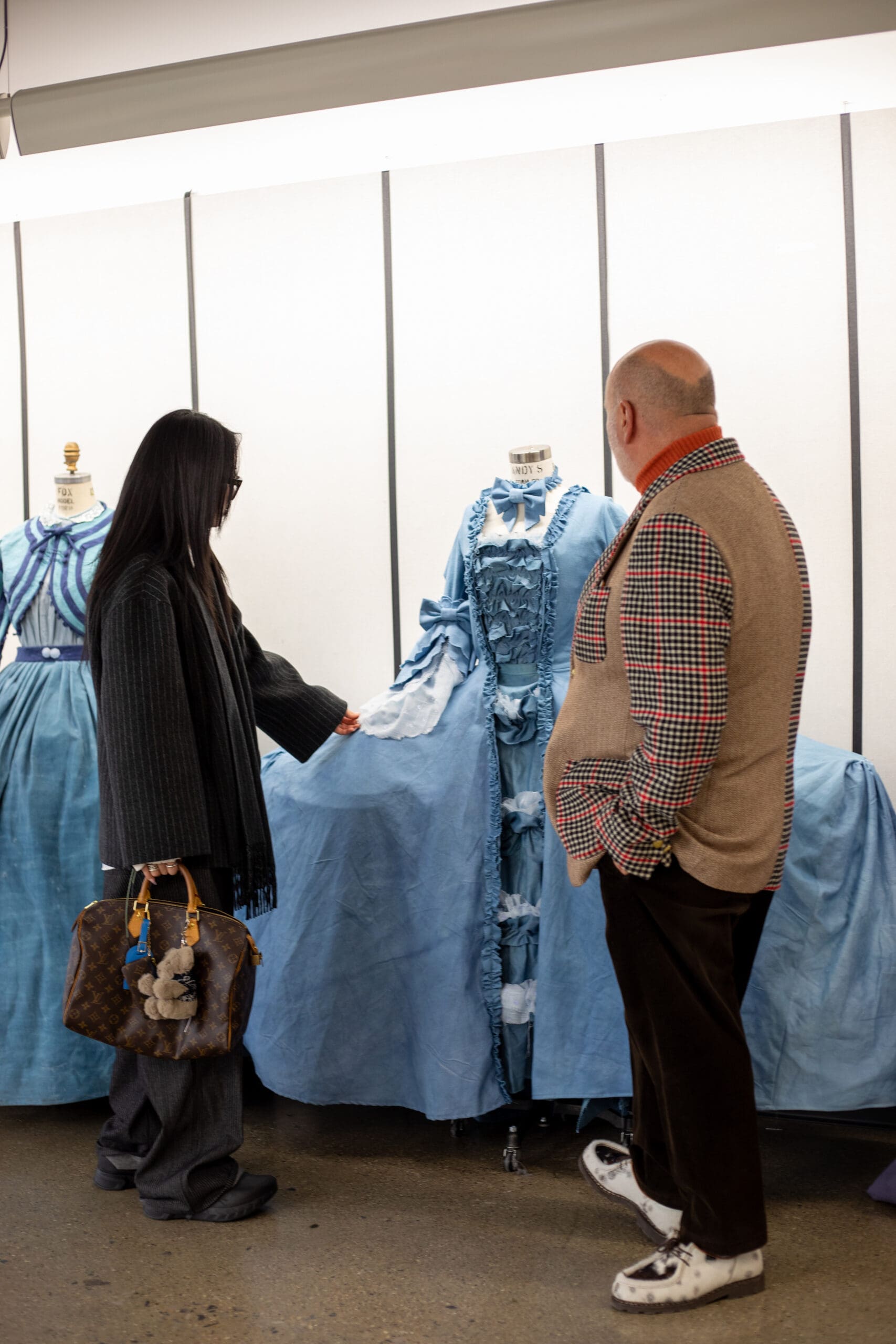
AC: What made you think that, you know what, at this point in my life, I want to pursue another degree, or continue studies in another field? NP: Yeah, I think from a very early age I was very interested in the way people presented themselves. So that’s always been a baseline of what I was interested in, but then I went through different careers of, you know, going to a different school, going into automotive, then hotelier and then I ended up taking a break from all of that. I was in the phase of trying to figure out what I want to do when I met you. And during that time, I visited this department and it triggered me to think that it could be a reality to study this. This could be a career that I can pursue. This might be something that I can finally fully invest myself in and be proud of myself at the end of the day.
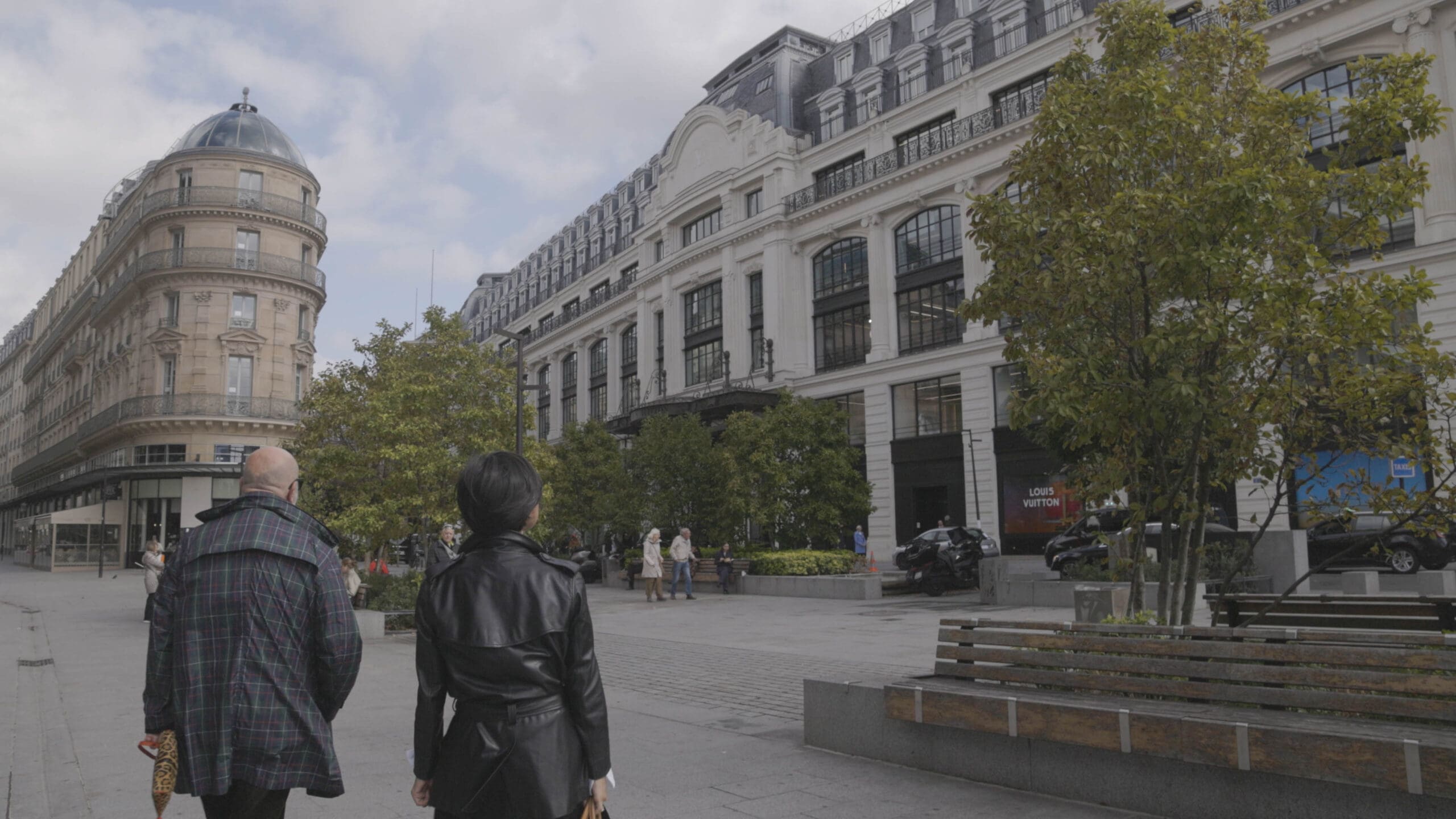
AC: Which was most recently at… NP: Which was at Louis Vuitton in Paris. I really made the American design student’s dream of going to Europe and working for one of the biggest brands in the world. I will say just the whole experience of, you know, meeting you in the beginning at an unsure time helped, like looking back, I think that applies to how I adjusted into LV in the beginning too because I was like, I have no expectations. I’m not going to expect that this is going to be good or bad, I’m going to go in there as a clean slate, so I can just absorb as much as I can.
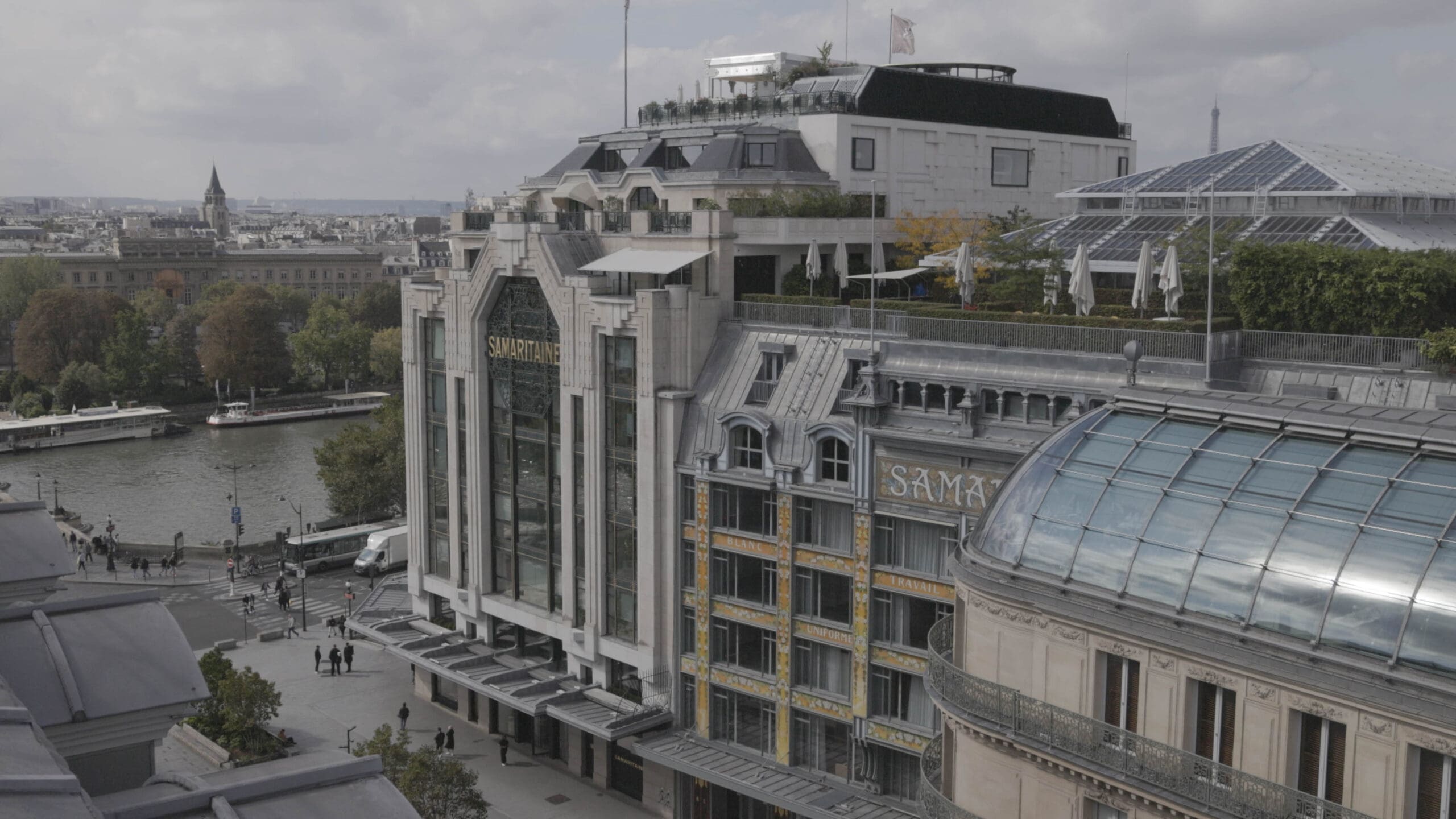
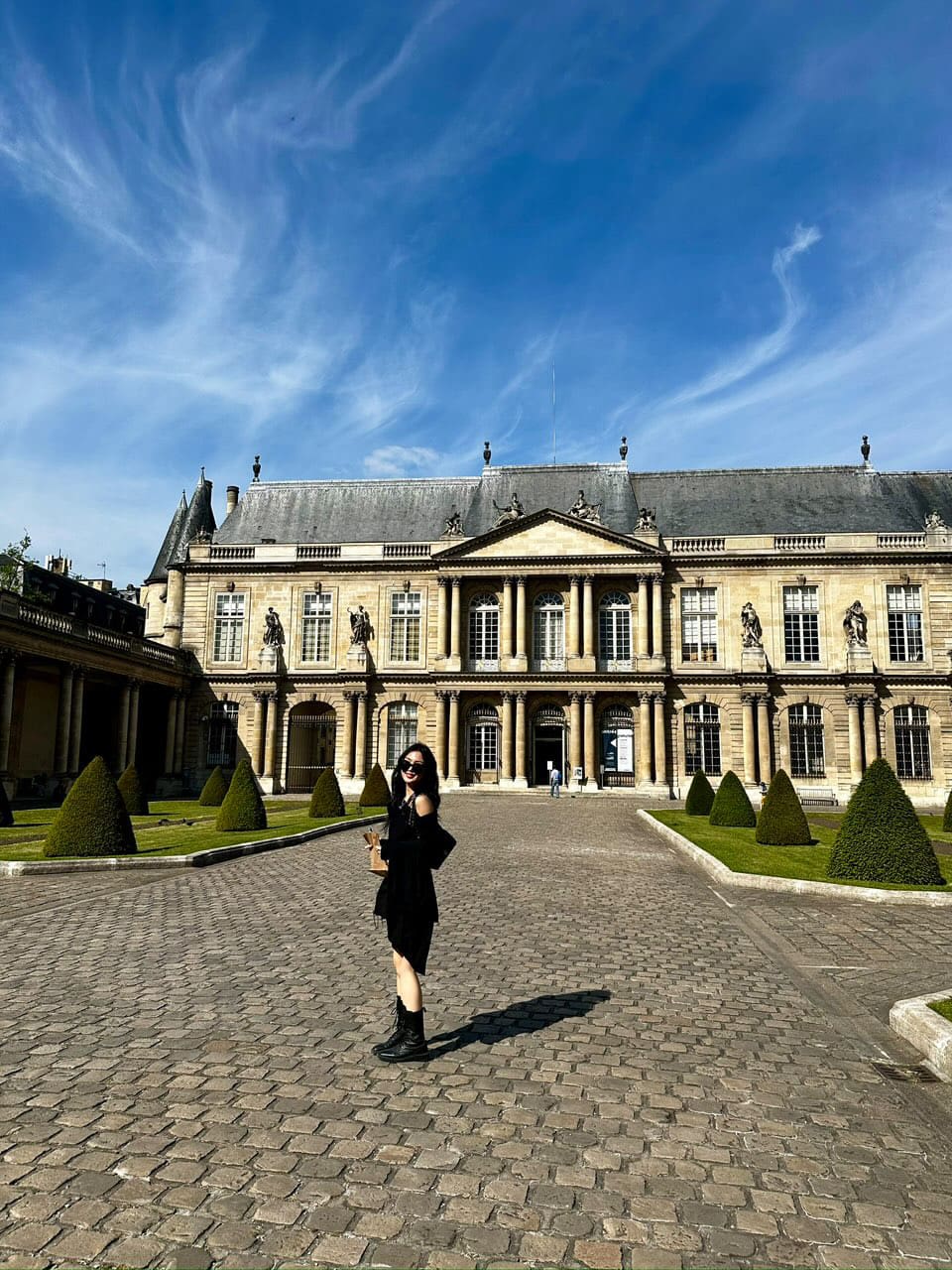
AC: Well, I think that life is full of, you know, weird instances and I firmly believe that everything happens for a reason. And I really like the fact that when you said that you had no expectations, everything in life is a learning experience. But let’s talk about the young Nikki, tell me where do you come from? NP: I come from everywhere. I was born in Chicago and then around five, I moved back to Korea with my parents. But even while living in Korea, I didn’t have the typical Korean life because I went to an international school. A lot of my friends would leave in one or two years. I had to adjust in a space very similar to my office right now where it’s fully international, but on top of that, not everyone spoke English in Korea, so I was always surrounded by very diverse people. I was also lucky enough to live in China for one year right before I moved to America. We then moved to Iowa, North Carolina and then I went to Penn State. I moved all the time because of my dad’s job, because he’s in the purchasing field of the automotive industry. So it’s a lot of moving around. I think when I was younger, I was able to just absorb a lot, whether it was just culture, language, the food, how people dress, how they express themselves, which is collectively just culture.
AC: Oh, wow. What did you study at Penn State? NP: Yeah, at Penn State, I was studying supply chain management and I was trying to go into the automotive industry. And then I dropped out twice because I realized that, oh, my dreams were actually not approachable studying this. So, luckily around that time was when my dad decided to move here for his job and, voilà, that’s how I moved to Detroit.

AC: Well, it sounds like your life story is kind of a foundational training for being able to integrate into this new country and new position because you have done it so many times already. So you are in Paris now. How did you dive into this whole brand-new world of design in a leading fashion capital in the world? NP: That’s a good question because I would say I’m still learning. It’s a lot of adjustment and it’s been exactly eight months now. I think at first you’re just so overwhelmed by the city, you know, because you’re in a new country and you don’t know the language. I’m very lucky that I was able to visit, like two times before living there, but living there is a completely different thing. Just everything was such a culture shock in the beginning.
AC: Well, that’s the one thing, you know, coming from Europe, is that you are exposed to fashion since you’re born. I mean, it doesn’t matter if you’re into fashion or not, you open the papers, you look at the billboards in places like Paris or Milan and it’s there. So you are instantly exposed to all the words, all the brands, and you already have this sort of gen ed before you even go to the university. NP: In the beginning, I was a bit more like, oh, did they make a mistake? Picking me, you know, like, maybe they didn’t really think it through because I felt like I lacked the way of communicating. But I think because I had no expectations, I took that opportunity to just absorb. And I think from the moment I started to decide, okay, I just have to work with what I’ve got. That’s when I sort of was able to fully immerse myself and become one of them and become a team member.
AC: So it sounds like you’ve really learned a lot in the past eight months. NP: I can tell you, just these eight months, the amount of stuff I learned and I’m just able to do by myself now, it’s at least five to 10 years’ worth of experience. When I first joined it was completely, fully just to absorb everything that I wanted to learn since a young age. And I think that mindset really helped to bring me where I am right now … I didn’t have all these like expectations of myself because I’m just a bare canvas.
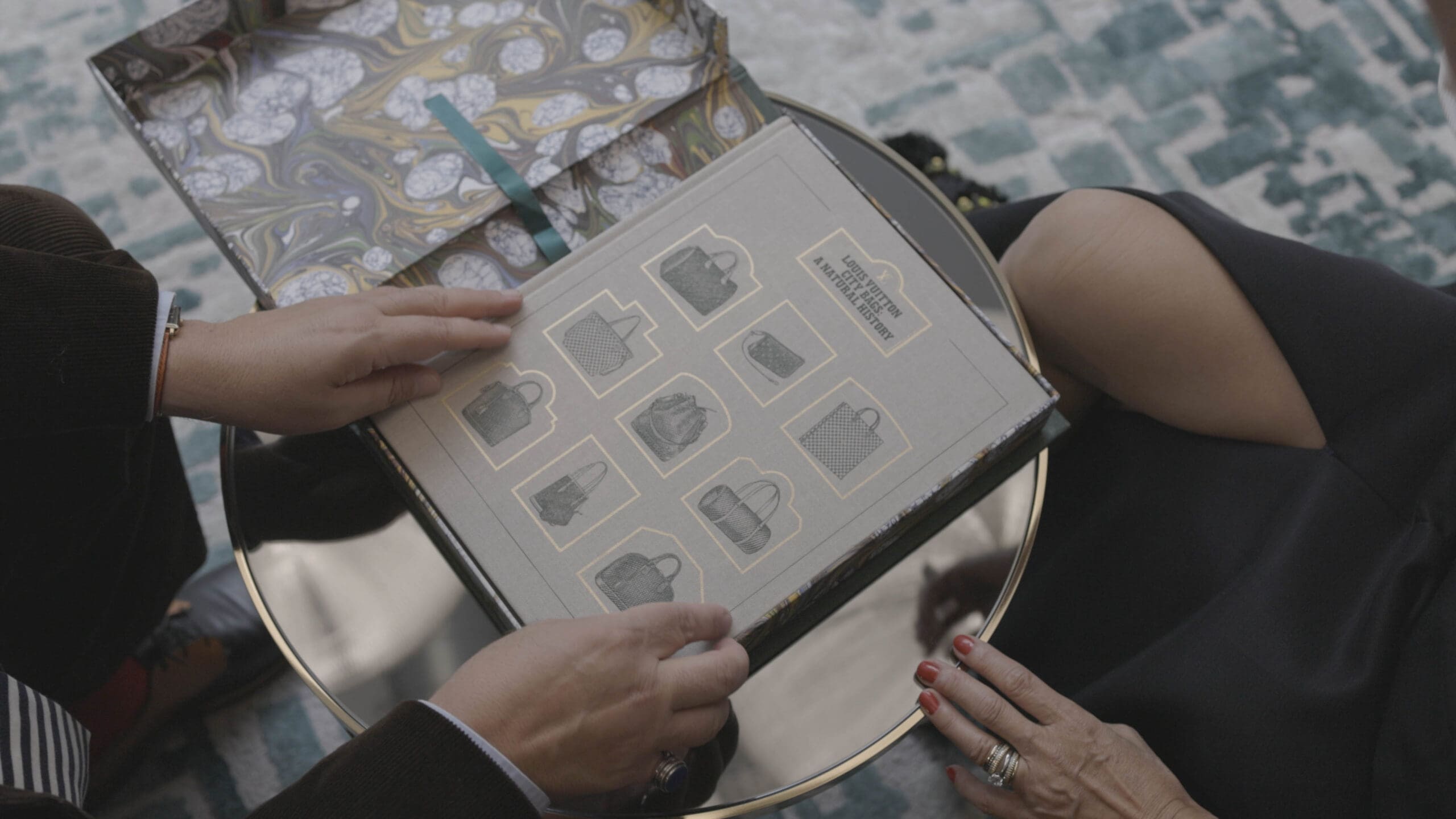
AC: So what does the future look like for you? NP: I think my next goal is to have one of the bags that I worked on show on Vogue Runway. I am lucky that at one point I was working on the LV Murakami collection for the high-end team. But for the future, I just want to keep my options open, I’m not opposed to anything in my realm.
AC: Looking back at your time at CCS, what was it like when you… NP: I was very lucky that Millie de la Valette from Louis Vuitton decided to come to CCS my senior year. I still remember the day that we found out she was coming into the fashion studio five minutes before she did. I was upstairs, we had no clue she was here. We were just preparing for the show and doing work. Soon after, I got a call from a plus three three France number. I’m like, hello? And Millie just starts off with like, we are going to give you an internship. I’m like wait, wait, stop, really stop! I was just so shocked. I was like, there’s no way. But the words “LVMH” and “me” are in the same sentence from someone else’s mouth, that’s like, that’s insane? And then yeah, the rest is history.
AC: I mean, that’s incredible. What a crazy journey.
“For the future, I just want to keep my options open, I’m not opposed to anything in my realm.”
Editor’s note: This transcript was lightly edited for length and clarity.
Nikki was one of three designers who received the LVMH Prize for Young Fashion Designers in 2023. The 10th edition of the award ceremony took place on June 7, 2023, at the Fondation Louis Vuitton. Each recipient received 10,000 euros and joined the studios of three Houses of LVMH for one year: Louis Vuitton women’s leather goods, Louis Vuitton womenswear and Dior Homme. You can read more about the 2023 Prize announcement here: https://www.lvmh.com/en/news-lvmh/the-winners-of-the-tenth-edition-of-the-lvmh-prize-for-young-fashion-designers
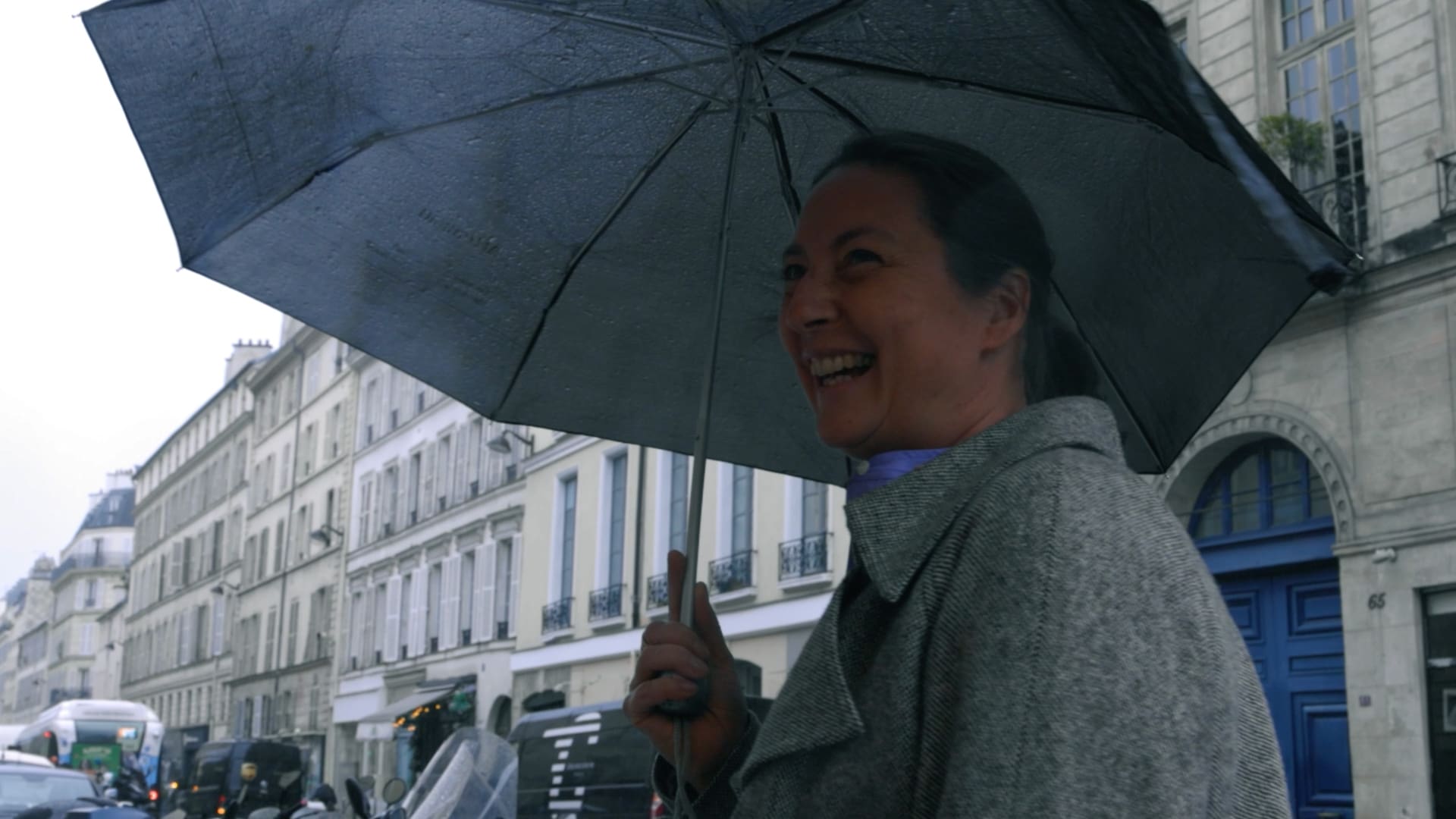
Sometimes when you meet someone, you just click. For Stephanie Kalb and Chair of Interior Design, Sandra Olave, a shared elevator ride at College for Creative Studies was that moment. And it would prove to be pivotal in paving a career pathway for a lifetime passion for interior design.
The Interview
“I love this job because I love to draw things and then make it into reality” –Stephanie Kalb
What sparked your interest in interior design? I was taking evening classes at CCS. At the end of the semester, I came to this exhibition just to see it with my friends. As I’m getting out of the lift, I see this fantastic woman – this charismatic woman coming at me. She said, “You are Stephanie Kalb.” I was like, “Whoa. I don’t know this woman.” And that was Sandra Olave, the head of the Interior Design department. She said, “I want you in my class.” I have to tell you that this little sentence, for me, was very boosting. It really boosted my interest in interior design and materials. Then I studied for four years at CCS in the Interior Design department.
Did you always know that you wanted to go into interior design? Or is this something that you realized later in life? I believe I knew it, but I didn’t understand it at the beginning. When I was younger, I started to study marketing for five years or so. But I was very interested in interior design. I was going to all the fairs in Europe. I was visiting all the construction sites that I could. Going and seeing and imagining the different rooms that it could be. I’ve always been very open to design.
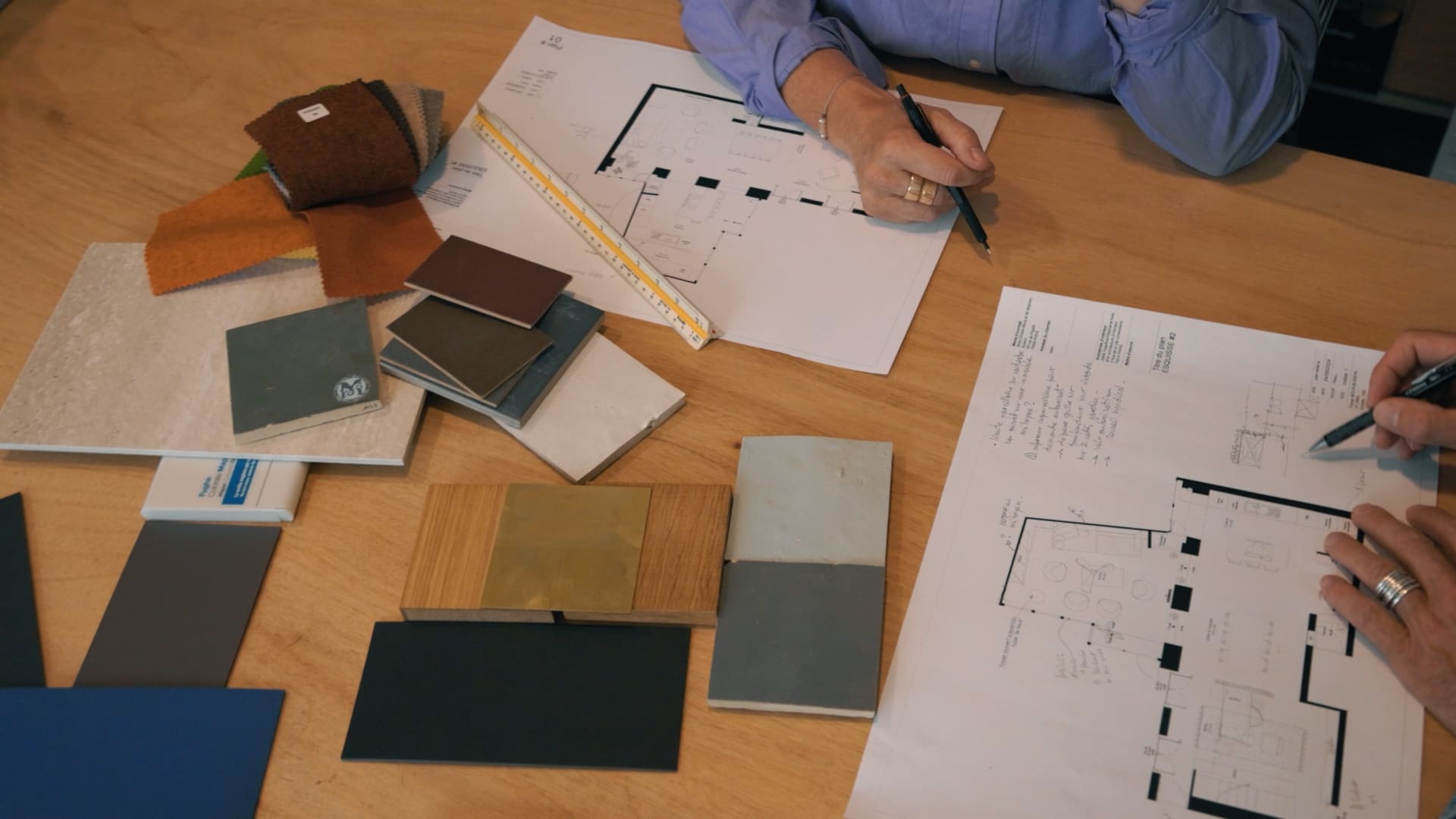
How does it feel now to see your designs realized in front of you? This is fulfilling to me. I love this job because I love to draw things and then make it into reality. This is my passion now. I love to see how drawings can become reality. Fulfilling the customer’s needs. We need to understand the ways they live when we’re doing residential, when we are doing offices, and the way they want the strategy to be put into walls. Because of my background in marketing, I’m very, very interested in this part as well.
What do you love the most about what you do? Starting the project on-site. This is an exciting moment. You’ve been doing the conception for two months, three months, sometimes even longer, and then it turns into reality, into technical problems, into, “How am I going to work with this facade?” Then working with the workers and having them understand what you want to reach, and understanding their problems as well, is an interesting part for me. Plans are plans, but when you are in it, for example, this apartment was a big challenge because we had so many surprises, and we had to deal with so many problems. I love that.
If you could go back in time and talk to your younger self, what would you say? Start studying interior design as soon as possible. Don’t waste your time. I have to say that going back to studies when you’re 35 – I was 35 at this point, with three kids – I had different problems from the other students. For me, at the beginning, it was quite a challenge, especially with all the software. I mean, the computer part was pretty tough. I had to work many, many nights on top of days as a mom.
I would start right away, and not be afraid of this kind of career.
How do you feel CCS prepared you for a career in interior design? I have to tell you that I really loved their way of teaching. I could compare it with France, for example. France was very conceptual. Till the end, I mean, I did the last year in France, and it was very conceptual, while CCS was more technical. I love this part as well. Sandra is a great enhancer of talent and concept. She’s very good at bringing you to the end of your concept, and I loved this. And you’ve got other teachers teaching you technical things that are very fundamental when you start to work because you might have very good ideas, very good drawings, but if you cannot make it into reality, it’s a problem. I really loved the two parts of CCS, the conceptual and the technical.
At the end of the four years you transferred, why is that? I was an expat in Detroit. My husband came to the end of his contract, so we had to go back to France. I couldn’t go on with the CCS studies, and on top of that, I wanted to study in France, because I knew I would practice in France. It’s a different system – electrical system, different rules, of course, different materials. I really wanted to have a graduation in France. So I completed four years at CCS with one year in Paris.
What’s your ultimate goal or dream? I would love to work in the U.S., actually. I would love to do a project with my European background and to put it back in the U.S. with what I know from there.
Learn more about Interior Design →
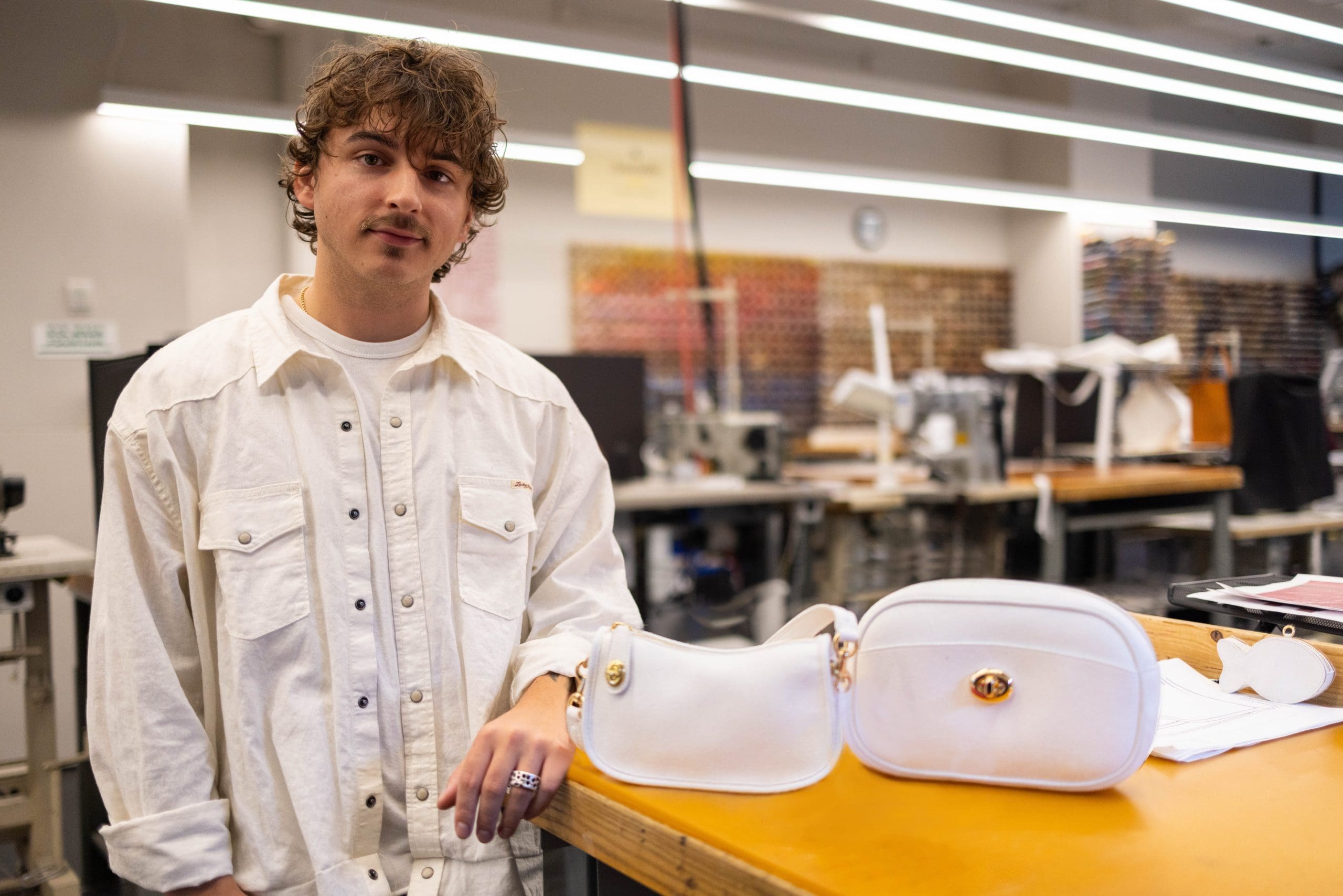
For Jacob Emmett, creativity isn’t just a passion – it’s a way of life. As a Coach Workshop Apprentice, Jacob has found his calling in the hands-on world of design and craftsmanship. From his roots in Detroit to the fast-paced energy of New York City, Emmett’s journey is one of self-discovery and a deep love for the art of making. In this interview, he shares the rewards of creating with his hands and gives us insight into his day-to-day in one of the fashion world’s most exciting spaces.
The Interview
“If you don’t like what you’re doing, then why are you doing it?” –Jacob Emmett
Did you always know that you wanted to work in a workshop at an iconic brand like this? How did you get here? I was always interested in doing something creative. Once I got into the Fashion Accessories Design program, I discovered I care more about making things. I still enjoy designing, but if I wasn’t going to be hands-on for a job, that was a deal-breaker for me.
When you’re working on something and then you see the final product all put together, it’s the best feeling. Even if you’re making something for yourself, whatever it may be, it’s just the most rewarding feeling.
Where do you draw inspiration from? What keeps you motivated? It’s always changing, but the driving force that keeps me motivated is my surroundings. Whether it’s buildings or the attitude of the city I’m in.
What’s it been like working in New York? It’s very different moving here from Detroit. I lived there my whole life. It’s a little crazy at first, but I think that there’s a certain momentum with New York. It keeps you moving and keeps you wanting to do things. It can be a bit exhausting at the same time, but it’s very exciting.
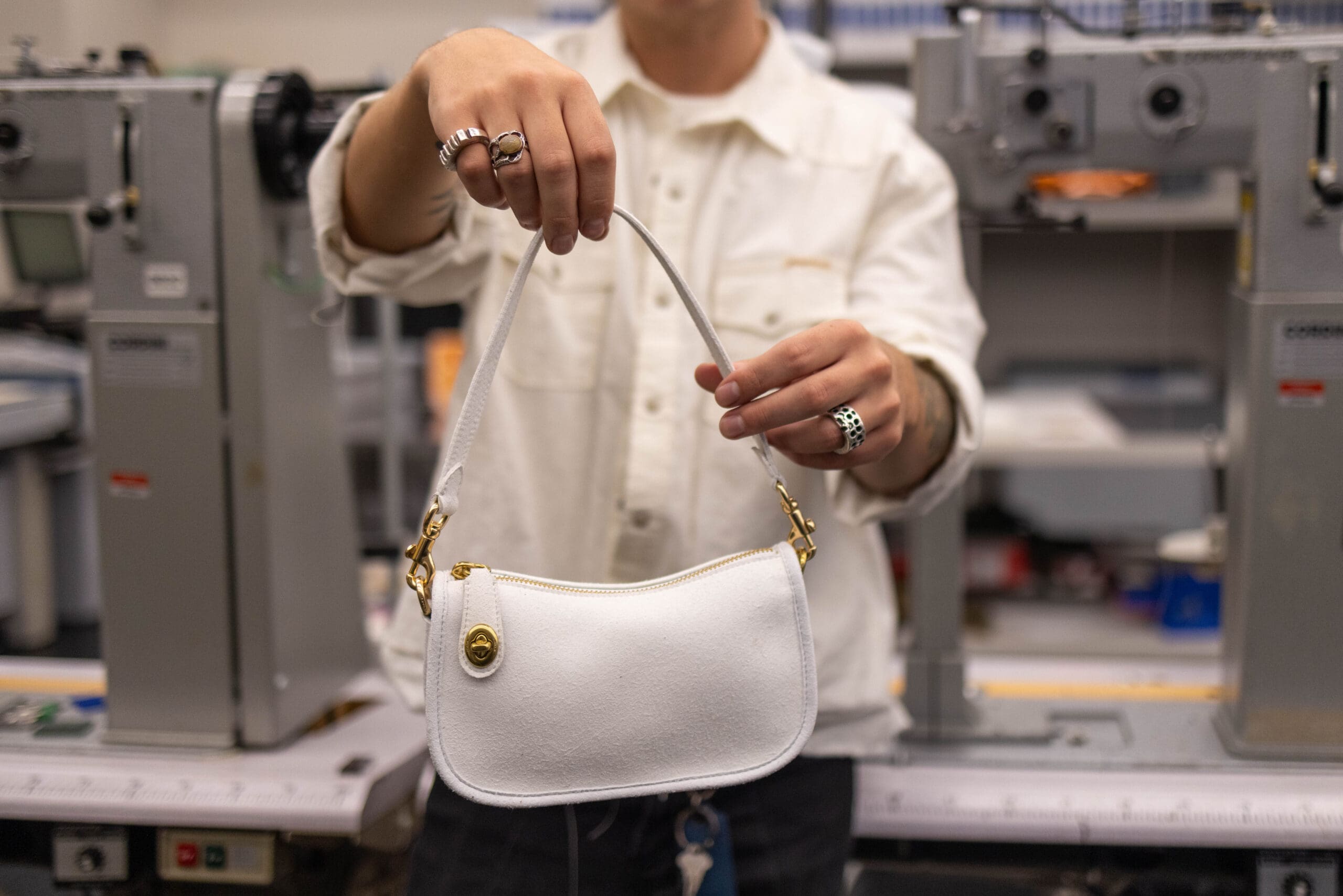
Every day is a little bit different. Usually, a member of the design team will come down with some crazy idea and multiple design cards, and then we help them bring it to life. We’ll start on the pattern making, and then we’ll start making a physical prototype so they can see the bag in front of them, and decide what they like and what they don’t like about it. We can tell them certain challenges, some things that might need to be changed, and then we go from there. That’s the beginning steps of what leads to a bag being produced.
What would you say to somebody who is looking to go into a creative field? Just keep doing things that interest you and that you enjoy, and just try to stay authentic to yourself. When you start dabbling or messing around with stuff that you aren’t necessarily passionate about, you can get stuck in that. That’s when I feel like people start to resent what they do. Try to do things that you enjoy.
If you don’t like what you’re doing, then why are you doing it?
What do you love most about what you do? I love all the people on my team. It’s very rewarding to come in and spend time and learn from the people around me in the shop. I love all the hands-on aspects of it, from cutting up paper to making prototypes, and working on sewing machines. Just being in the environment in general is what I love the most about it.
How do you feel CCS has prepared you for your career and what you’re doing now? Personally, I think CCS gave me the opportunity to kind of grow and expand myself as a creative, and figure out my identity in that sense. It definitely was like a big growth period for me and prepared me in that sense. Other than that, just like the fashion studio is amazing, all the machines, all of the professors there, they really help you kind of mold who you are as a designer, all of them. So yeah.
Learn More about CCS’s Programs. →
If you could go back in time, what would you say to your younger self? Sit back and listen to people. Try to learn as much as you can from the people around you, no matter what. Even if you disagree with what somebody is teaching or viewpoints, just sit back and listen and try to learn from everyone around you.
www.ccsdetroit.edu/wp-content/uploads/2024/12/186A5938-1.jpg
“I love all the people on my team. It’s very rewarding to come in and spend time and learn from the people around me in the shop.’”
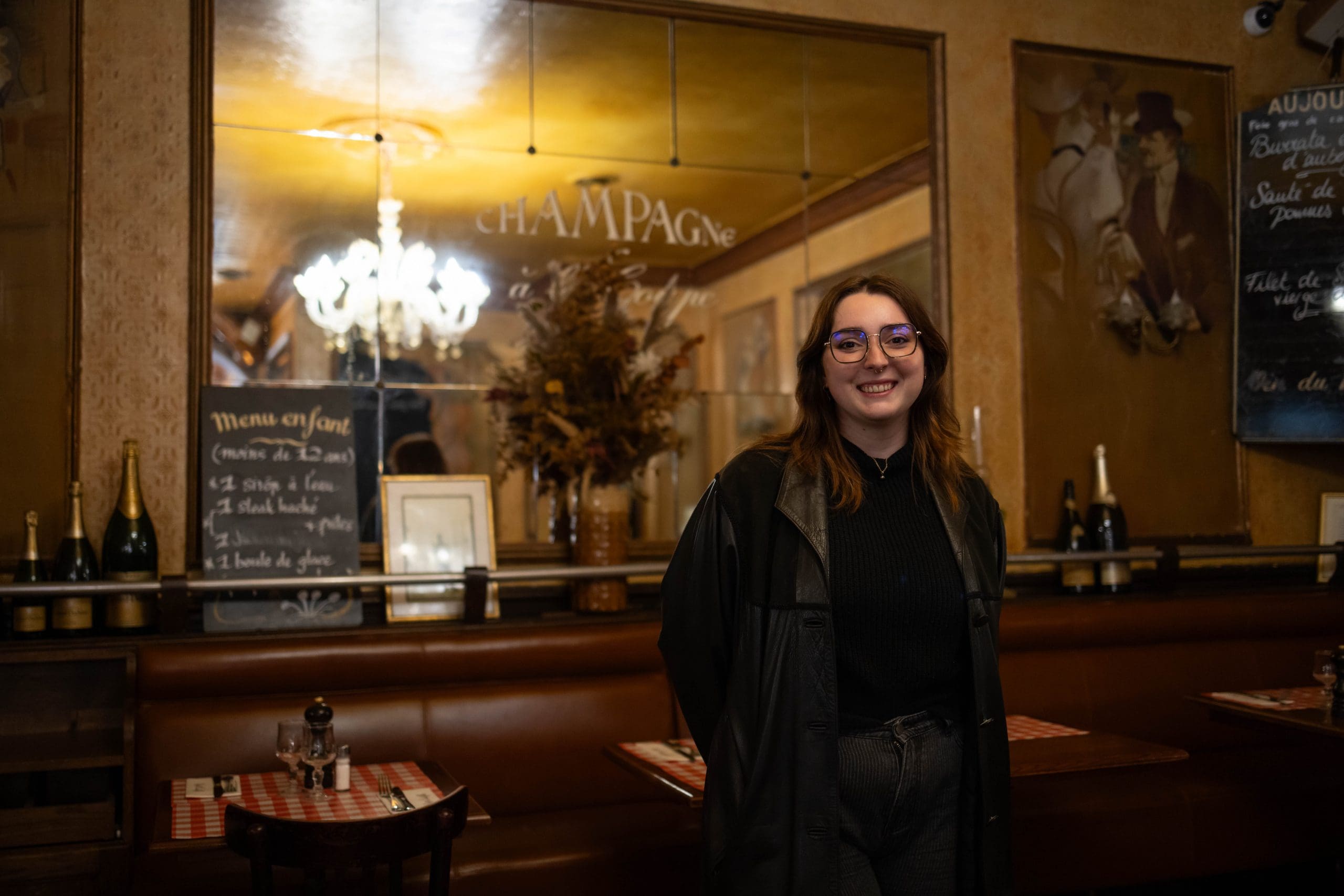
Camille Guellec fell in love with the art of rug design during her time at CCS. Drawn to the hands-on creativity of tufting, she built her own tufting frame with help from faculty and friends in the Fiber & Textiles program creating a tool for not just herself, but future students to use to explore the craft. Through her minor in Fashion Accessories Design, she gained the skills to land herself a job crafting bags for an iconic design house before finding her way back to where it all began.
The Interview
“I love getting lost in the moment of creating. Time flies and I don’t even realize it. It’s a beautiful experience.” –Camille Guellec
How did you end up where you are today? I’m actually from France. Both of my parents are French. I spoke French at home my whole life but never lived here until about two years ago. I still have a lot of family here in France.
When I first left CCS, I planned to move to France. I applied to Hermes and got into their leatherworking training program. And then, for a year, I worked with them, learning how to make bags on a high-end quality scale. It was exceptional. I think by the time I left, there were about 15 bags that I made that are out there in the world somewhere. I don’t know who has them, but it’s a cool little fun fact.
Now, I’m working as a design specialist for a UK company called Rug Artisan. I’m a rug designer. I research a lot of trends and make my own designs, and sometimes I’ll have clients that I have to work with. They might want a specific design based on an idea that they saw and I help design whatever they need.
What do you love most about rug design? What I love most is actually getting to make the rugs and being hands-on. I love getting lost in the moment of creating. Time flies and I don’t even realize it. It’s a beautiful experience.
Who or what inspires you? I get a lot of inspiration online. When it speaks to me, it speaks to me. Living here inspires me a lot, too. I’m working on a personal collection for my job. It’s a Parisian-inspired collection, so I’m working with the Guimard-style metros the way that they have the green curvy architecture.
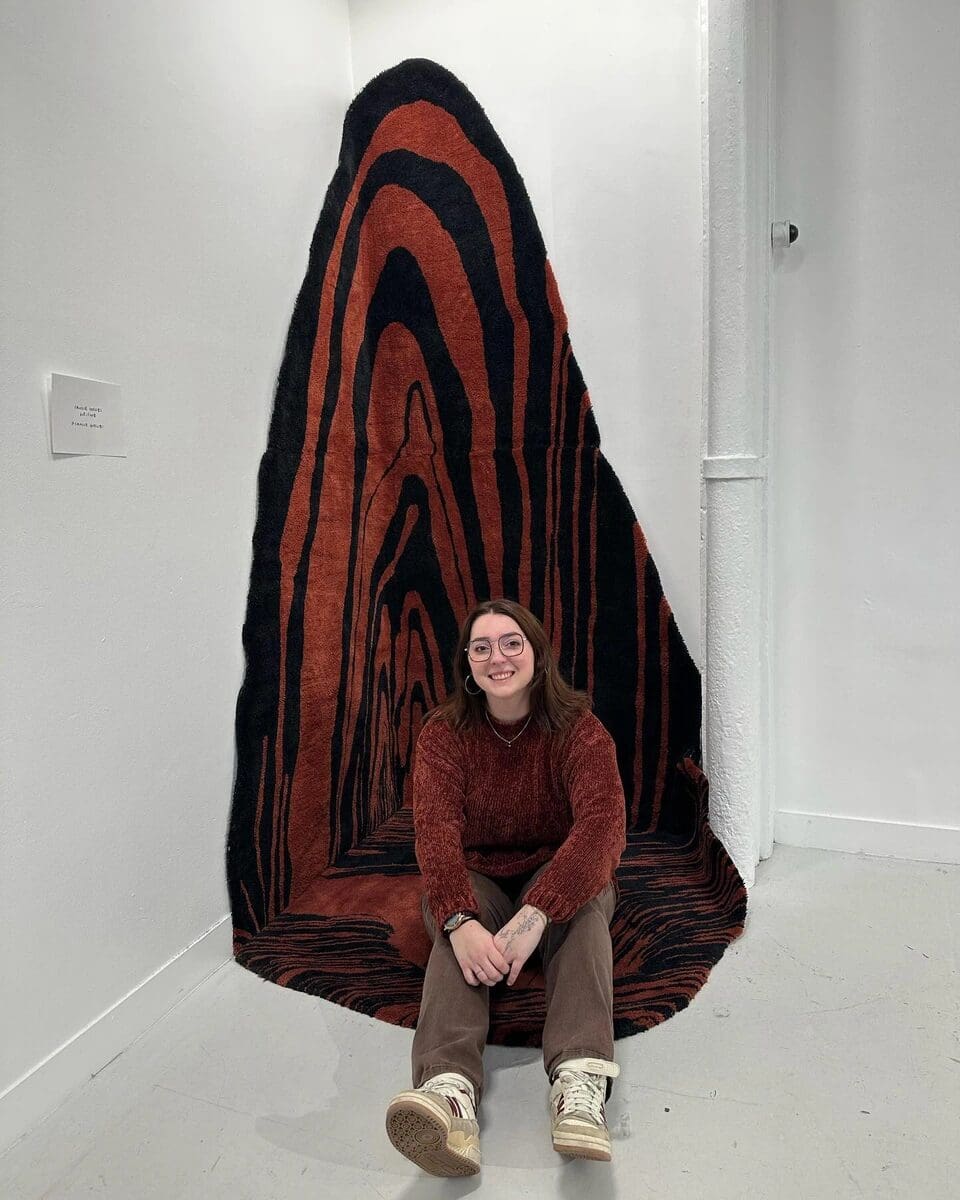
What’s your ultimate goal? What are you hoping to accomplish in, say, 10 or 20 years? Hopefully, I’ll have made my own rug-making business flourish while still working in rug design for a big corporate company at the same time. I really like the fact that there’s a possibility to have steady pay and also be able to have my own business on the side, because I’m working from home and have such flexible hours.
How do you feel CCS helped you prepare you for this career? CCS helped me learn how to network. I found this job on my own. I reached out to people and that’s not something I would have ever known how to do without the classes that I took.
What advice would you give your younger self? Take advantage of the facilities that you have. I didn’t realize how much I would miss having a screen printing studio and the Fashion Accessories Design studio with all the industrial sewing machines. It’s really phenomenal to have all of that. I mean, you’re paying for it. You might as well use it as much as you possibly can.
Learn more about Studio Art & Craft →
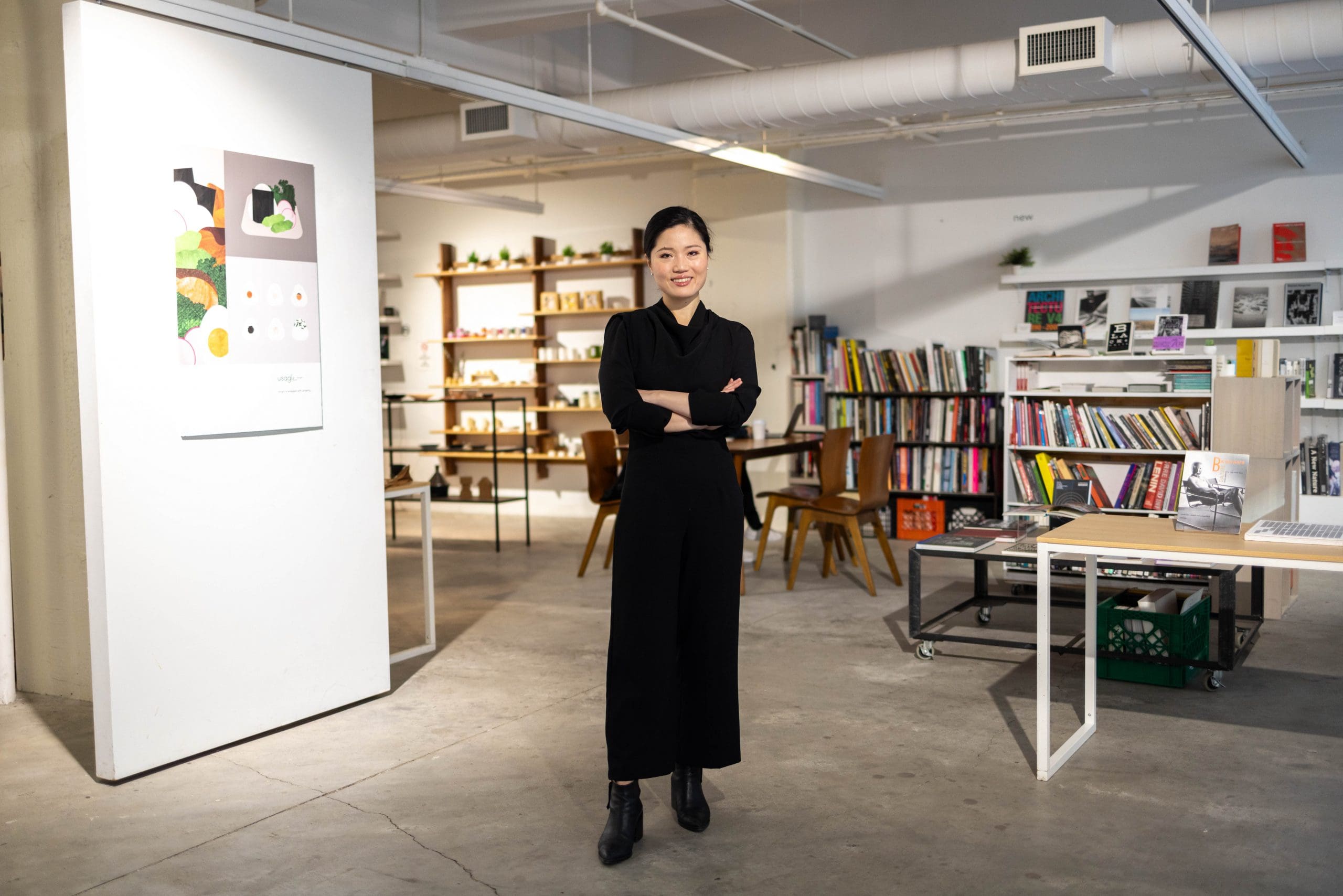
Cara Vitry’s career in automotive design has been full of twists and turns, but each step has shaped her into the designer she is today. Now, as a Regional Bespoke Designer at Rolls-Royce Motor Cars, Vitry uses everything she’s learned to create one-of-a-kind designs that tell her clients’ stories – whether it’s a starlight headliner with a baby’s birth chart or something equally personal and unique.
The Interview
“People have different paths, and they’ll get to their happy place if they listen to their hearts and figure out what they truly enjoy doing. The path might not be easy, but it’ll get you there, I think.” –Cara Vitry
Take us through your career journey. How did you end up working in NYC as a Regional Bespoke Designer at Rolls-Royce Motor Cars? I took many unexpected turns after school.
I started my full-time career at General Motors, thinking I’d be doing exterior design. That’s what I focused on for all of my internships and all my sponsored projects. Eventually, I ended up in the interior design studio. About five years later, I left GM to join a start-up EV company, Faraday Future. So that prompted my move out to Los Angeles.
Going to a start-up company from such a big, stable corporate culture was a culture shock. I felt like somebody had just pushed me into the open water to swim.
GM prepared me for the foundations as a designer to know what protocol to follow. Working at Faraday Future, you’ve got to get scrappy and work around the deadlines but also expect changes that are thrown at you. I learned a lot there because that’s when I began to speak outside of the design team to the vendors, more engineer meetings, and actually lead some projects as well. That was really fun and rewarding. After about a year, I was offered an opportunity with Autodesk.
I was the Business Development Executive for the North American car design studios and brought Autodesk solutions to the car design spaces. There, I learned to manage relationships. I was with them for about two years before COVID hit. A big part of my job with them was to travel and visit clients on-site, get to know the pain points and connect them with the product team. There was huge uncertainty and I ended up going back to design, which was a challenge.
I joined another startup EV company in LA as a contract designer when I met my husband, who was living in New York. I left my job and began to work here in the city as a freelancer. But it was very different from LA and Detroit, where we have the car design community. And everybody knows one another. In New York, I had to start all over again. Once we got the COVID vaccines, people started to roll out IDSA events and other events in the local area. It was really a change in my attitude as an introverted person. I put myself out there, and attended every event that I could go to, not just design. I ended up making friends that way.
When you’re a freelancer, your jobs are very inconsistent, some days you’ll be busy, and some days you’re not. I needed something stable or more consistent, so I picked up photography.
In January or December, I literally stood outside of the city hall with my camera offering people free photos to use for my portfolio. I was there Monday through Friday, every single day for months. I put up my website, started this social media account, and the ball was starting to roll. Then I got a call from a headhunter explaining to me this opportunity to work with Rolls-Royce. So I said, why not? I’m up for anything.
Having had those different experiences made me stand out. People have different paths, and they’ll get to their happy place if they listen to their hearts and figure out what they truly enjoy doing. The path might not be easy, but it’ll get you there, I think.

What does it look like to work with a client at Rolls-Royce? I’ll begin the conversation with clients. I ask them questions to draw out what I call “design guideline assets.” Then I can help them craft a story. For example, we’ve had a client celebrating the birth of their daughter. I asked about the name of their daughter, when she was born, etc. This client went with a starlight headliner on the roof with the birth chart of their daughter the night the daughter was born.
Some clients will even come in with their baby’s footprint. The sky is the limit.
As a designer, I bring in the design skills that I learned from CCS. The College really teaches you how to manage your time, and how to prioritize. Everybody’s so talented. That’s why CCS was special as an art school – because you are just surrounded by other artists, learning from one another.
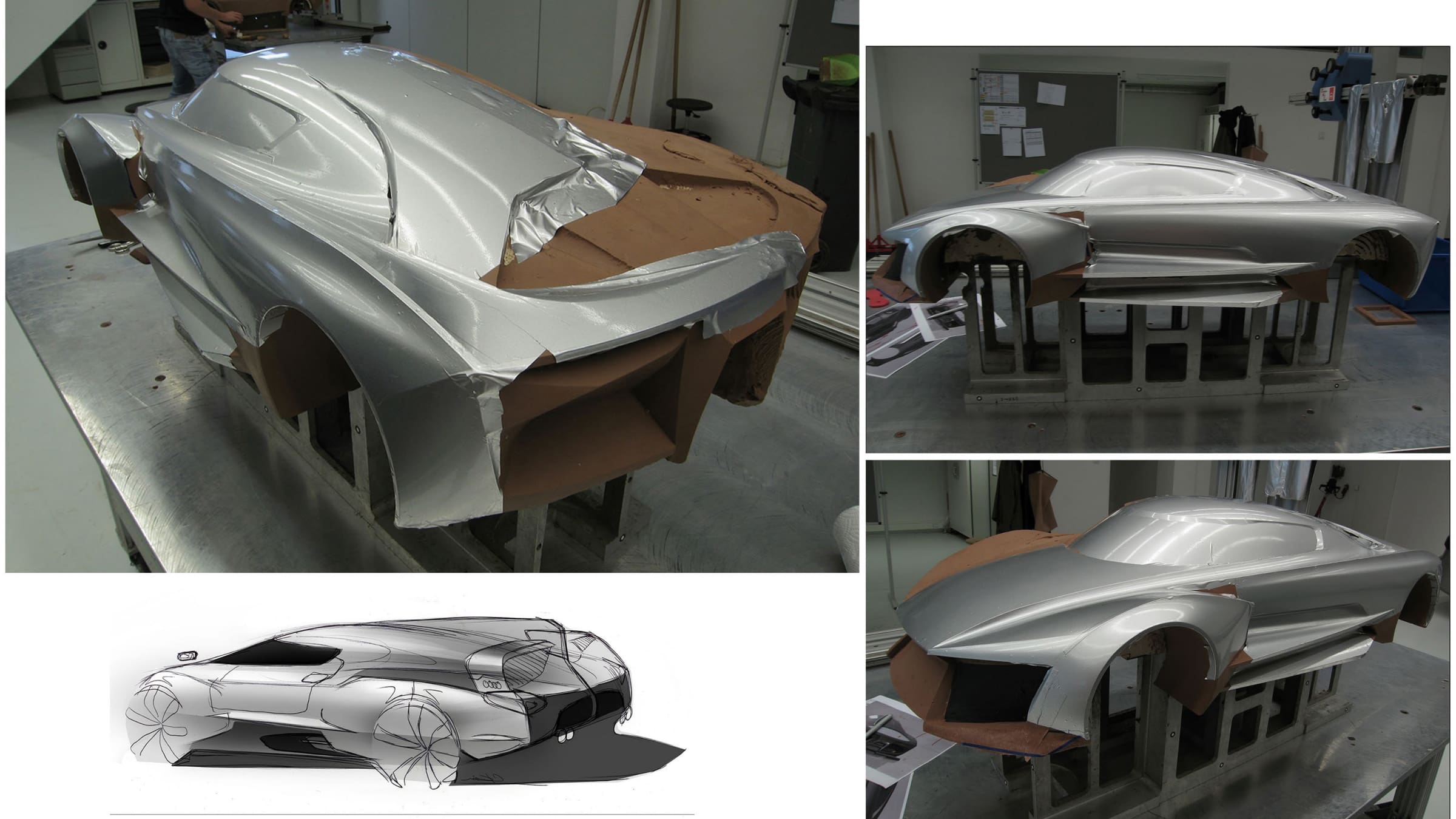
How do you feel CCS prepared you for your current role at Rolls-Royce? The way you draw things or understand the foundation or color theories – these things are given to you no matter what schools you go to, right? But at least for my major, time management was a huge thing that we took out of the program.
Then fast forward to now, coming into this role, I had to learn more outside of design, like building and managing relationships and communicating.
When I went to CCS, we had several liberal arts classes required, and there was one class taught by a gentleman by the name of Brian Baker. He was a former car designer, now retired. His class was specifically about the business side of design. He would teach you how to form your elevator pitch, how to interview and how to present yourself. He was so unafraid to draw students out in front of the room and make them introduce themselves. And, you know, half the class was very introverted and shy. He was pushing his students to get out there because that’s what it’s like in the real world.
Learn More about CCS’s Programs. →
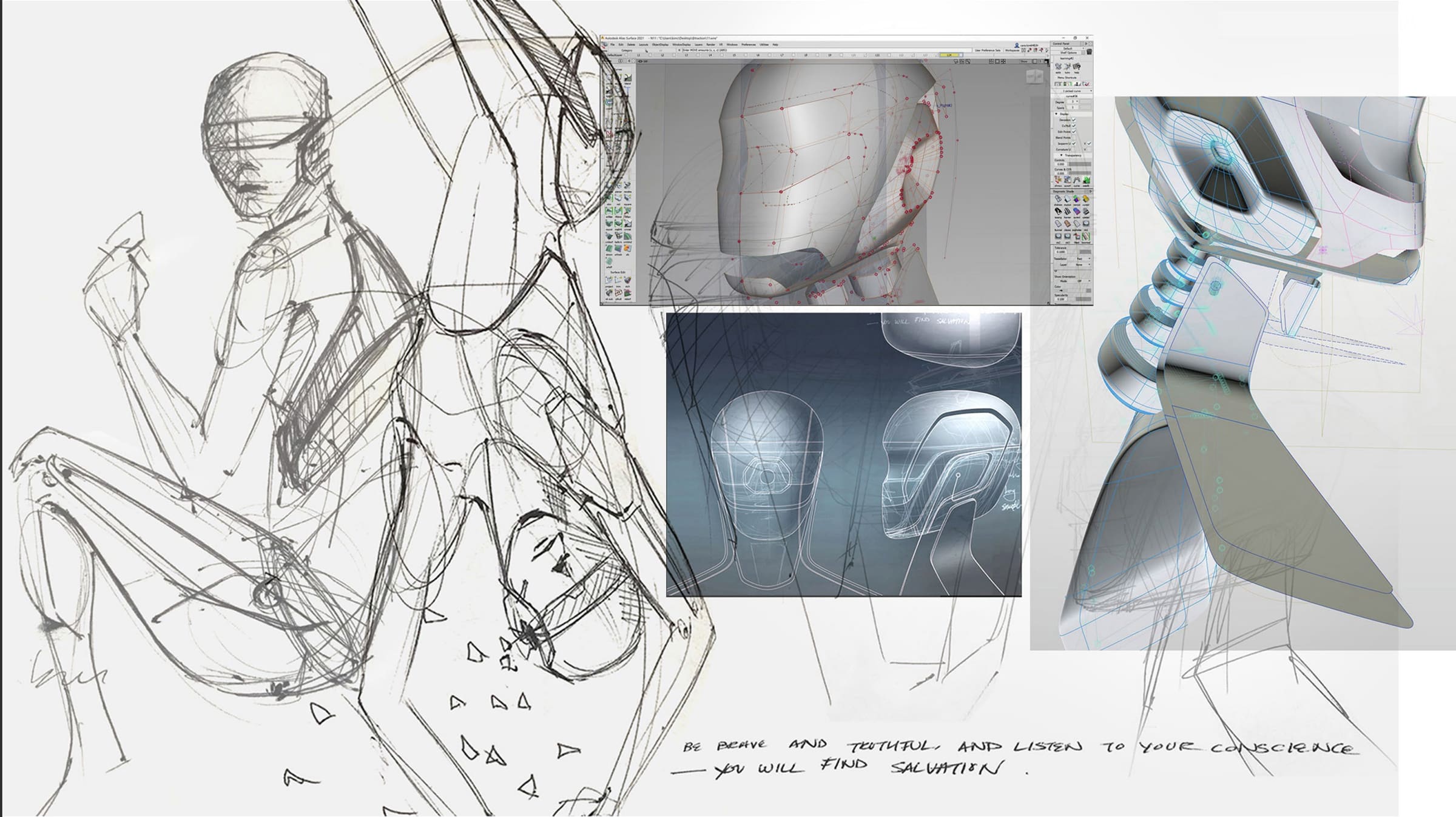
What would you say to someone who’s interested in going into art and design? Really ask yourself if you want to do this, because there’s a difference between pursuing something creative as a hobby versus as a way of making your income. It’s very different. You start to develop a different relationship with creativity, too. It becomes a way of life. It’s not just a fun pastime, a hobby to de-stress. It’ll actually stress you.
Do not be afraid of failure. It’s how you fail that matters. Two people can fail at the same thing and one person can do a little introspective thinking on it and figure out what went wrong, and actually turn that into something good and learn from it. Oftentimes, I think a lot of designers are perfectionists, right? Before we even start our work, we get so overwhelmed with the anxiety of perfection. It used to hinder my work a lot. I would spend a lot more time than needed on certain things.
Recognize your working pattern, accept it and try to bring a solution to it. Some people might be better off working at a big company versus running their own business, or as a freelancer, or holding multiple roles. It’s different for everybody.
It’s really about listening to your heart. Because if you don’t follow it, years later, you will regret it. It’ll affect your mental health, your relationships. At the end of the day, you want to live a happy life, right? And we go to art and design school to be happy.
www.ccsdetroit.edu/wp-content/uploads/2024/12/186A6012.jpg
“Don’t be afraid of failure before even starting. What you learn from it and how you overcome it will lead you to where you want to be.”