
By CCS Alumnus Evan Lockhart (’10 Photography) — Original story published January 19, 2023. Updated to include 2025 events.
“The Function of Education is to teach one to think intensively and to think critically. Intelligence plus character — that is the goal of true education.” –Dr. Martin Luther King Jr.
A Brief History Of Dr. King
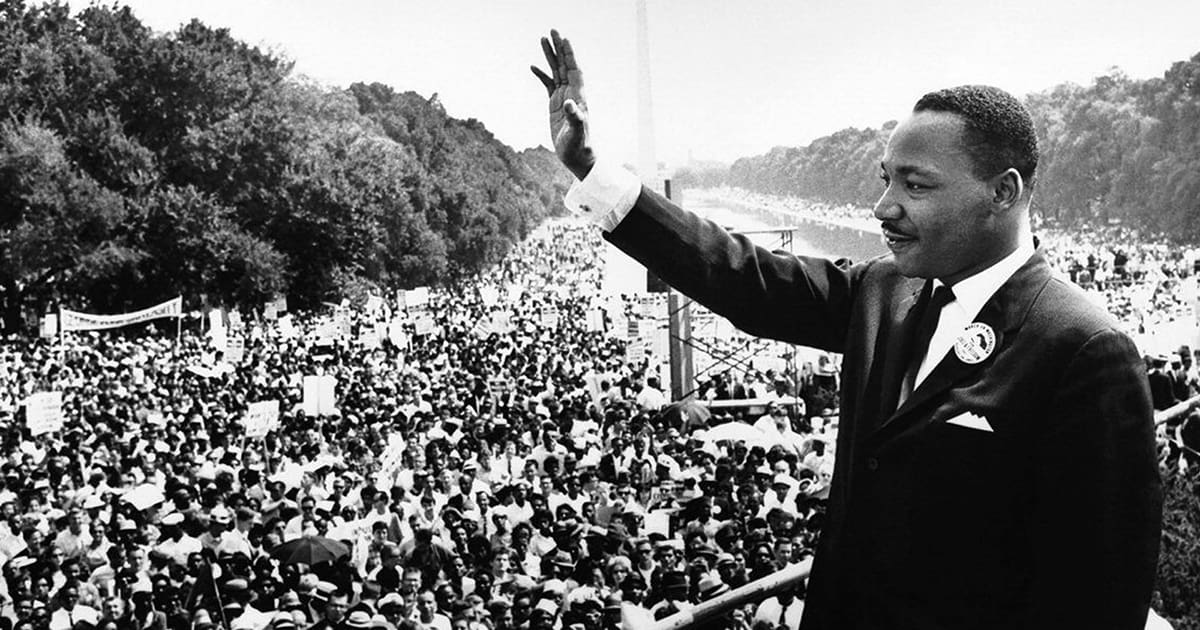
Rev. Dr. Martin Luther King Jr. Day is a national holiday that was signed into law by President Ronald Reagan in 1983. Occurring on the third Monday of January, MLK day is a celebration of one of the most pivotal leaders of the civil rights movement. During his tenure as a civil rights leader, King oversaw bus boycotts, the voters rights movement, the desegregation of schools, and ultimately, the diversification of an unwilling nation. Rev. Dr. Martin Luther King Jr. was born in Atlanta, Georgia on January 15th, 1929. The son of a preacher, King was a gifted orator, philosopher, and lifelong activist who gave his life in the struggle for racial justice through non-violent activism. On April 4th, 1968 at the age of 39, Dr. King was murdered while standing on the balcony outside of his second-story room at the Lorraine Motel in Memphis, Tennessee. Despite his tragic and untimely death, Dr. King has left a legacy of peace in the face of violence and dignity in the face of subjugation.
From HBCU to PWI
As a product of the HBCU[1] system, Dr. King graduated from Morehouse College in 1948 through a special wartime program to boost enrollment by admitting promising high school students. Upon graduation, King began his religious education at Crozer Theological Seminary after being called to the ministry through social action. While at Crozer, a predominantly white institution[2], King was elected as president of the student body by popular vote. After being elected by a nearly all-white student population he worked through his educational institution to turn his classmates toward justice. In his first speech as president, Dr. King calls for action saying:
We have no alternative but to protest. For many years we have shown amazing patience. We have sometimes given our white brothers the feeling that we liked the way we were being treated. But we come here tonight to be saved from that patience that makes us patient with anything less than freedom and justice.
After earning his doctorate in systematic theology from Boston University at 26, Dr. King took the value of education and used it as a key component in the movement toward racial freedom and justice. King used his name to promote the cause of school integration when in 1958 and 1959 he served as the honorary chairman for two youth marches for integrated schools in Washington DC.
Non-Violent Activism in Perpetuity
As a part of his pedagogy of activism, Dr. King taught his followers techniques of nonviolent resistance that are still used today. In this he instructed us to use our bodies, our voices, and our minds to fight for justice while remembering that the very practice of non-violence is based on the presence of violence. To be a non-violent activist is to put your cause above your mortality. It is to take your life and literally put it on the line for your movement, the severity of which is lost on many today. It is because of this that we must remember the true legacy of the Civil Rights Movement, to fight for justice against horrific violence and subjugation of an entire group of people based solely on the amount of melanin in their skin. When we think of Dr. King, we have to look past the legacy that has been whitewashed by a eurocentric curriculum. We must understand the cost of the progress that has been made because of him and since him. People have died, people are still dying, and our educational system must be steered towards effective change.
Desegregation at CCS
As we work as an institution to value diversity, to seek equity, and to demand justice we must remain cognizant of the evolution of our student body. As we grow into a more vibrant community our commitment to the celebration of all people has grown as well. Through the legacy of Dr. King our goal is to create an environment that is devoid of barriers. An environment where you are seen, where you feel at home, and where you can be your authentic self. As we move forward we all must commit to a pedagogy driven towards diversity, equity, inclusion, and justice. Only then can we truly desegregate our community.
Detroit MLK Community Events
January 17, 2025
A Tribute to Rev. Dr. Martin Luther King Jr. 10 a.m. – 2 p.m. Hilberry Gateway, Wayne State, 4715 Cass Ave, DetroitMartin Luther King, Jr. Day of Celebration Detroit Public Library 5201 Woodward Avenue, Detroit
January 18, 2025
33rd Annual UNCF Dr. Martin Luther King Jr. Brunch 11 a.m. – 1 p.m. Amnesia @ Motor City Casino Hotel 2901 Grand River Ave, DetroitCelebrating Martin Luther King Jr Henry Ford Museum January 18 – 20, 2025 20900 Oakwood Blvd., Dearborn
January 20, 2025
40th Annual Southfield MLK Peace Walk Celebration 9 a.m. Hope United Methodist Church 26275 Northwestern Hwy., SouthfieldRemembering the Life of Freedom Rider Viola Liuzzo 10 a.m. – 2 p.m. Detroit Historical Society 5401 Woodward Ave, Detroit
22nd Annual Detroit MLK Day Rally & March 12 – 4 p.m. St. Matthew’s & St. Joseph’s Episcopal Church 8850 Woodward Ave., Detroit
Let Freedom Ring – MLK Birthday Celebration 4 p.m. Fox Theatre 2211 Woodward Ave, Detroit
MLK Jr Day at the Wright: The Strength to Dream Charles H. Wright Museum of African History 315 E. Warren Avenue, Detroit
Celebrate Martin Luther King Jr. at Clinton-Macomb Public Library North Branch – 54100 Broughton Road, Macomb South Branch – 35679 Southbound Gratiot Ave., Clinton Township
For more details on events commemorating Dr. Martin Luther King Jr. throughout Metro Detroit check out Visit Detroit.
Educational Resources
Six Podcasts to Listen to in Honor of Martin Luther King Jr. Day https://www.npr.org/2023/01/13/1148690803/podcasts-mlk-martin-luther-king-jr-day
Americorps MLK Day Tool Kit https://socialpresskit.com/daysofservice
The Fight For Martin Luther King Jr. Day https://www.history.com/news/martin-luther-king-jr-day-controversial-origins-of-the-holiday
[1] HBCU- Historically Black Colleges and Universities are institutions of learning established prior to 1964 with the mission of educating black Black Americans. As institutions today HBCUs remain leaders in education producing 70% of black medical doctors in the United States.
[2] Predominately White Institutions or ”PWIs” are institutions that are historically white and have a majority white student body. All institutions outside of HBCU’s are PWI’s
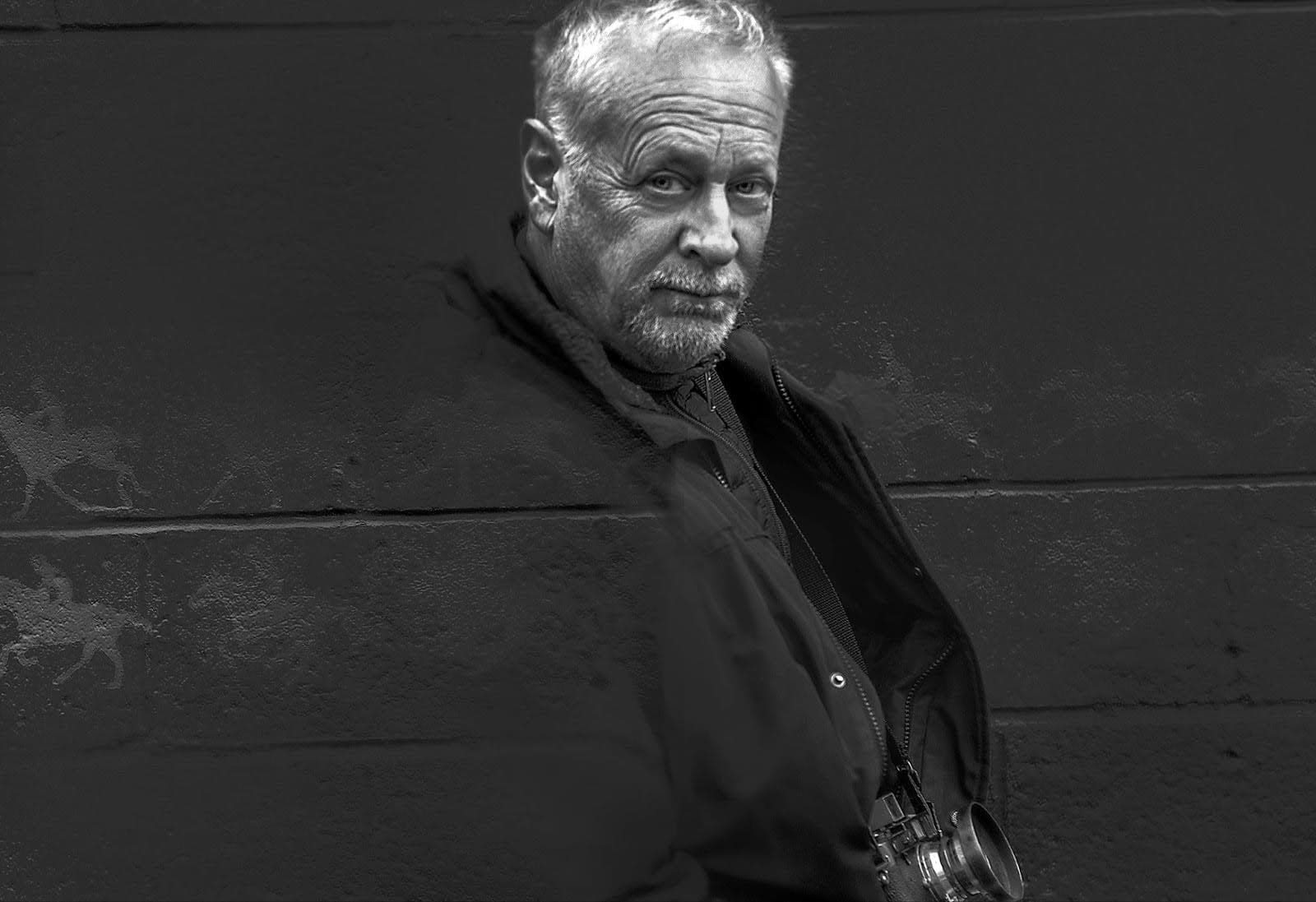
Header image credit: Photo by Glenn Triest
CCS is proud to announce that the 2025 Re/View: CCS Alumni Exhibition will be juried by Glenn Triest, a 1982 Photography alumnus, esteemed Detroit-based photographer, and long-standing member of the Alumni Council. The exhibition opens on May 16, 2025, in the Valade Family Gallery.
Re/View 2025: Artist Vision
The CCS Alumni Exhibition is a rich tradition I am honored to see thrive and grow, uniting artists across diverse talents, disciplines, generations, and experiences. I see this exhibition as a space where we, as alumni, are unified as if in orbit by the compelling force to create, returning to our shared place of artistic origin. Together, our diverse perspectives and works come together to celebrate the legacy of CCS—a vibrant testament to the power of creativity and community.
Learn More or Submit Artwork for Re/View
Artist Bio
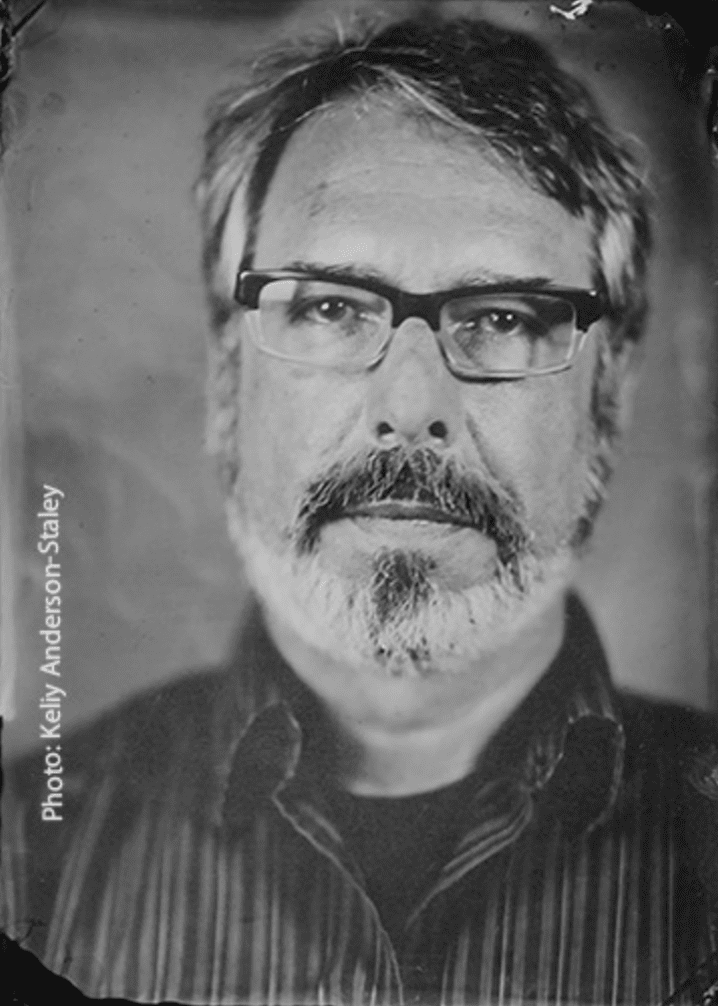
A commercial and editorial photographer based in Ferndale, Michigan, Glenn Triest founded Triest Photographic in 1987. With a career spanning over 40 years, his work focuses on portraiture, capturing the depth and diversity of the human condition. His compelling stories have explored topics such as mental health, politics, business, healthcare, and homelessness, with more than 20,000 of Triest’s photographs published across national and international platforms.
Deeply committed to his community, Triest serves on several Detroit nonprofit boards and has created Imprint Press, a nonprofit initiative that produces fundraising materials for charitable organizations. He is also the president of the Coville Photographic Art Foundation and has been an active member of the College for Creative Studies Alumni Council since 2009.
Triest began as a street photographer, honing his skills in intuition and sensitivity as he documented life on the streets of Detroit. This early work sparked a lifelong passion for the city’s landscapes and the vibrant stories of its people. Today, he continues to pursue personal photography projects and professional assignments. In recent years, Triest has expanded his creative practice to include metalworking, crafting pieces that juxtapose Detroit’s organic beauty with its industrial character.
www.ccsdetroit.edu/wp-content/uploads/2025/01/New-Orleans-1993.jpg New Orleans – 1993
www.ccsdetroit.edu/wp-content/uploads/2025/01/Harris-1983-From-The-Awakening-of-Harris-Wolf.jpg Harris – 1983, From The Awakening of Harris Wolf
www.ccsdetroit.edu/wp-content/uploads/2025/01/Pat-with-6-of-her-12-Children-Pontiac-Michigan.jpg Pat with 6 of her 12 Children – Pontiac Michigan
www.ccsdetroit.edu/wp-content/uploads/2025/01/Aunt-Nephew-Detroit-Taxi.jpg Aunt + Nephew – Detroit Taxi
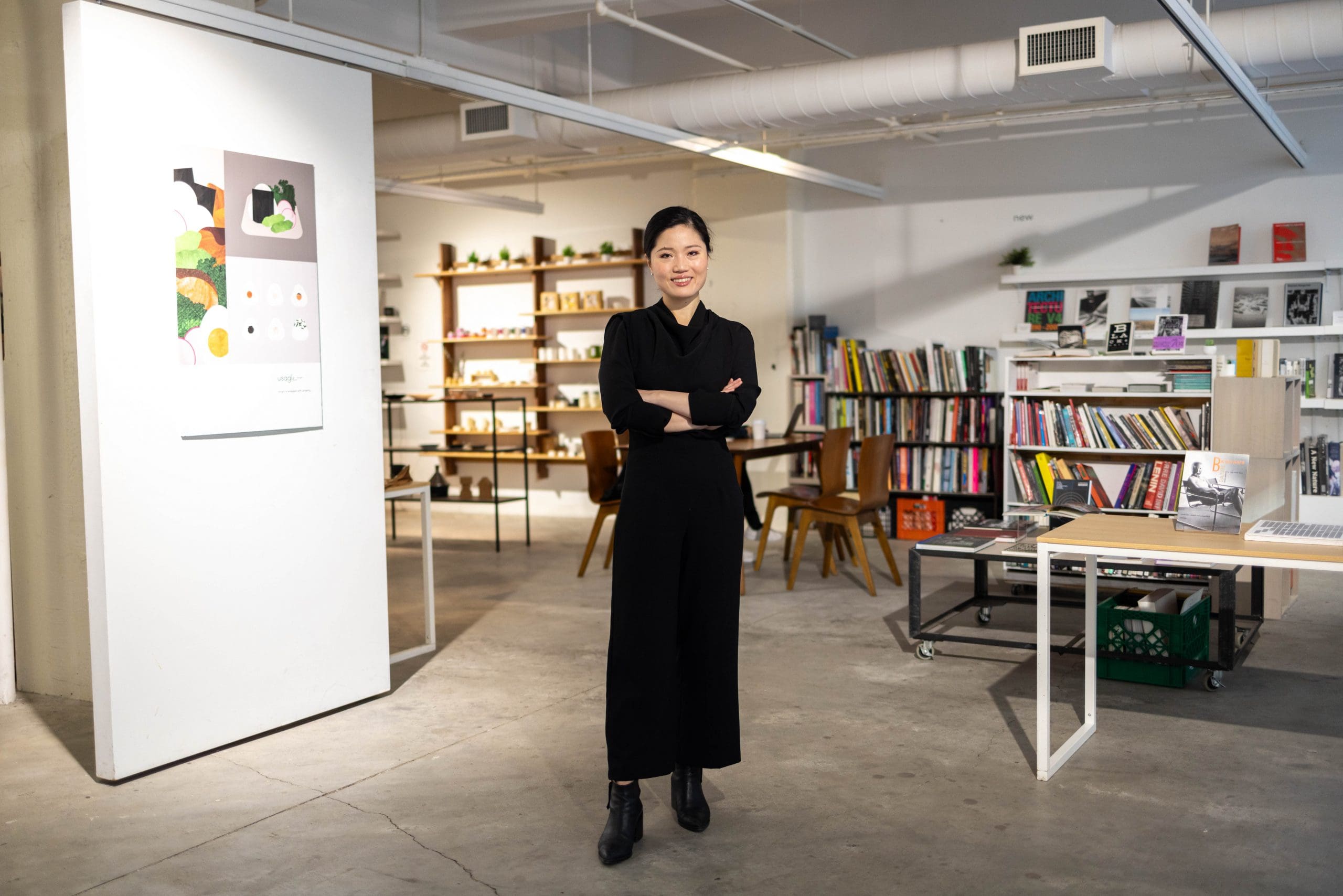
Cara Vitry’s career in automotive design has been full of twists and turns, but each step has shaped her into the designer she is today. Now, as a Regional Bespoke Designer at Rolls-Royce Motor Cars, Vitry uses everything she’s learned to create one-of-a-kind designs that tell her clients’ stories – whether it’s a starlight headliner with a baby’s birth chart or something equally personal and unique.
The Interview
“People have different paths, and they’ll get to their happy place if they listen to their hearts and figure out what they truly enjoy doing. The path might not be easy, but it’ll get you there, I think.” –Cara Vitry
Take us through your career journey. How did you end up working in NYC as a Regional Bespoke Designer at Rolls-Royce Motor Cars? I took many unexpected turns after school.
I started my full-time career at General Motors, thinking I’d be doing exterior design. That’s what I focused on for all of my internships and all my sponsored projects. Eventually, I ended up in the interior design studio. About five years later, I left GM to join a start-up EV company, Faraday Future. So that prompted my move out to Los Angeles.
Going to a start-up company from such a big, stable corporate culture was a culture shock. I felt like somebody had just pushed me into the open water to swim.
GM prepared me for the foundations as a designer to know what protocol to follow. Working at Faraday Future, you’ve got to get scrappy and work around the deadlines but also expect changes that are thrown at you. I learned a lot there because that’s when I began to speak outside of the design team to the vendors, more engineer meetings, and actually lead some projects as well. That was really fun and rewarding. After about a year, I was offered an opportunity with Autodesk.
I was the Business Development Executive for the North American car design studios and brought Autodesk solutions to the car design spaces. There, I learned to manage relationships. I was with them for about two years before COVID hit. A big part of my job with them was to travel and visit clients on-site, get to know the pain points and connect them with the product team. There was huge uncertainty and I ended up going back to design, which was a challenge.
I joined another startup EV company in LA as a contract designer when I met my husband, who was living in New York. I left my job and began to work here in the city as a freelancer. But it was very different from LA and Detroit, where we have the car design community. And everybody knows one another. In New York, I had to start all over again. Once we got the COVID vaccines, people started to roll out IDSA events and other events in the local area. It was really a change in my attitude as an introverted person. I put myself out there, and attended every event that I could go to, not just design. I ended up making friends that way.
When you’re a freelancer, your jobs are very inconsistent, some days you’ll be busy, and some days you’re not. I needed something stable or more consistent, so I picked up photography.
In January or December, I literally stood outside of the city hall with my camera offering people free photos to use for my portfolio. I was there Monday through Friday, every single day for months. I put up my website, started this social media account, and the ball was starting to roll. Then I got a call from a headhunter explaining to me this opportunity to work with Rolls-Royce. So I said, why not? I’m up for anything.
Having had those different experiences made me stand out. People have different paths, and they’ll get to their happy place if they listen to their hearts and figure out what they truly enjoy doing. The path might not be easy, but it’ll get you there, I think.

What does it look like to work with a client at Rolls-Royce? I’ll begin the conversation with clients. I ask them questions to draw out what I call “design guideline assets.” Then I can help them craft a story. For example, we’ve had a client celebrating the birth of their daughter. I asked about the name of their daughter, when she was born, etc. This client went with a starlight headliner on the roof with the birth chart of their daughter the night the daughter was born.
Some clients will even come in with their baby’s footprint. The sky is the limit.
As a designer, I bring in the design skills that I learned from CCS. The College really teaches you how to manage your time, and how to prioritize. Everybody’s so talented. That’s why CCS was special as an art school – because you are just surrounded by other artists, learning from one another.
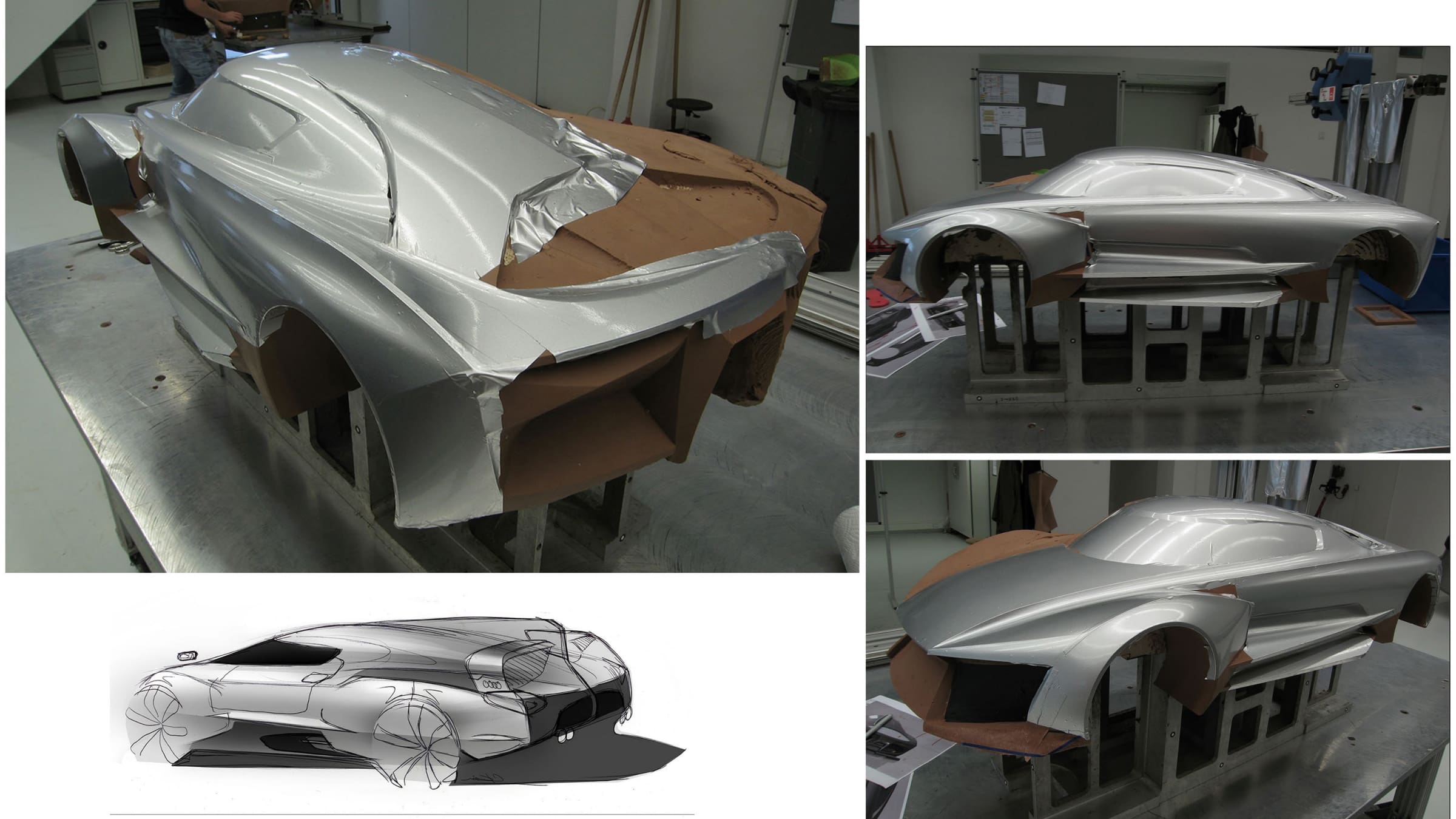
How do you feel CCS prepared you for your current role at Rolls-Royce? The way you draw things or understand the foundation or color theories – these things are given to you no matter what schools you go to, right? But at least for my major, time management was a huge thing that we took out of the program.
Then fast forward to now, coming into this role, I had to learn more outside of design, like building and managing relationships and communicating.
When I went to CCS, we had several liberal arts classes required, and there was one class taught by a gentleman by the name of Brian Baker. He was a former car designer, now retired. His class was specifically about the business side of design. He would teach you how to form your elevator pitch, how to interview and how to present yourself. He was so unafraid to draw students out in front of the room and make them introduce themselves. And, you know, half the class was very introverted and shy. He was pushing his students to get out there because that’s what it’s like in the real world.
Learn More about CCS’s Programs. →
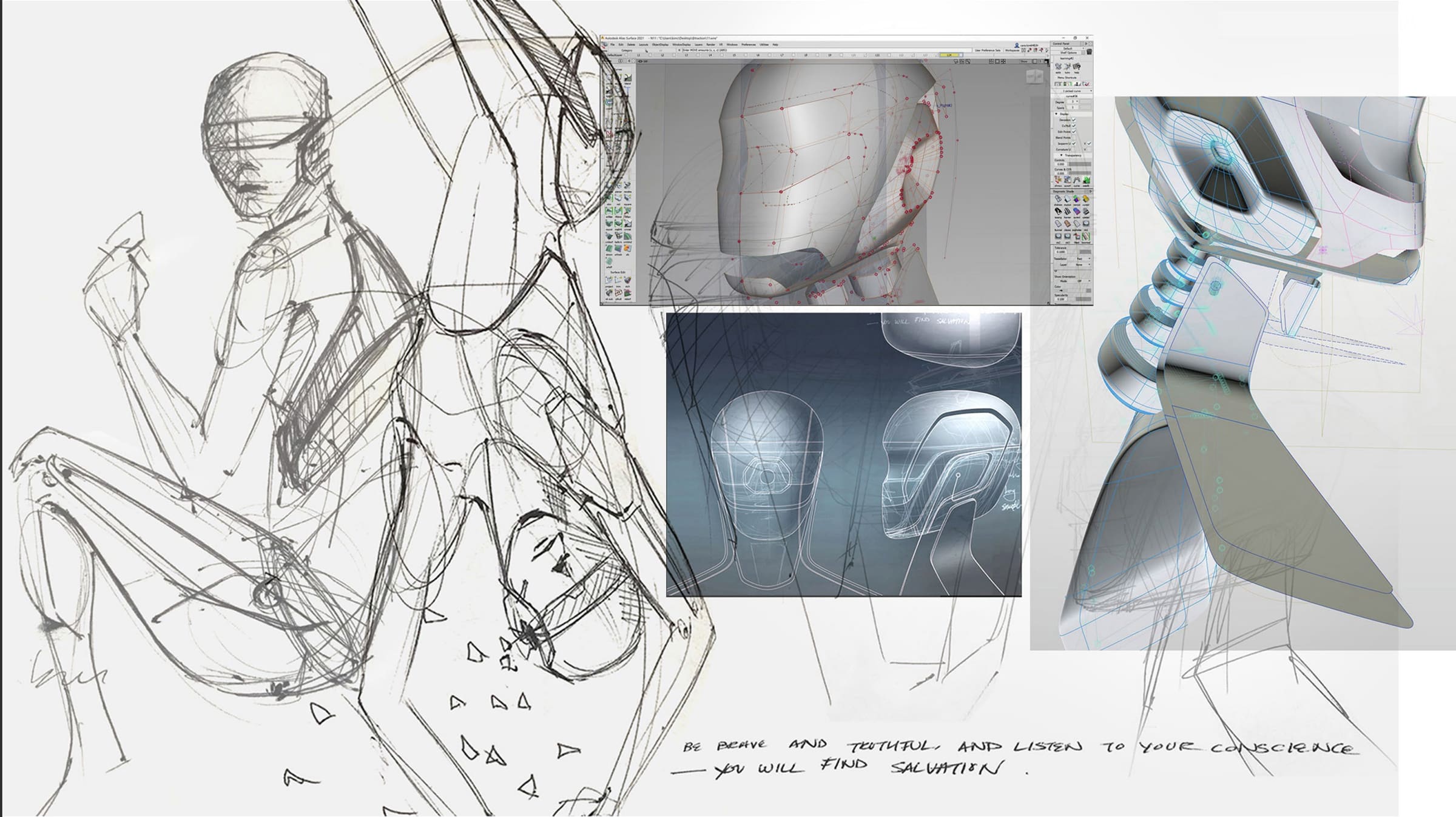
What would you say to someone who’s interested in going into art and design? Really ask yourself if you want to do this, because there’s a difference between pursuing something creative as a hobby versus as a way of making your income. It’s very different. You start to develop a different relationship with creativity, too. It becomes a way of life. It’s not just a fun pastime, a hobby to de-stress. It’ll actually stress you.
Do not be afraid of failure. It’s how you fail that matters. Two people can fail at the same thing and one person can do a little introspective thinking on it and figure out what went wrong, and actually turn that into something good and learn from it. Oftentimes, I think a lot of designers are perfectionists, right? Before we even start our work, we get so overwhelmed with the anxiety of perfection. It used to hinder my work a lot. I would spend a lot more time than needed on certain things.
Recognize your working pattern, accept it and try to bring a solution to it. Some people might be better off working at a big company versus running their own business, or as a freelancer, or holding multiple roles. It’s different for everybody.
It’s really about listening to your heart. Because if you don’t follow it, years later, you will regret it. It’ll affect your mental health, your relationships. At the end of the day, you want to live a happy life, right? And we go to art and design school to be happy.
www.ccsdetroit.edu/wp-content/uploads/2024/12/186A6012.jpg
“Don’t be afraid of failure before even starting. What you learn from it and how you overcome it will lead you to where you want to be.”