

Product Design Curriculum
First Semester


Second Semester


First Semester
Second Semester
First Semester
Second Semester
First Semester
Second Semester
Product Design Catalog Year 26/27
*International students that require ELS-101 (4.0 cr); Total Credits = 121/122
First Year Experience=1; Foundations=15; Major=60; Gen Ed=39; Open Electives=6
General Education Electives – Successfully complete any 200-400 level Liberal Arts course (AHV, BUS, DHS, DPL, DSS, SCI, WRT, LIT etc)
Open Electives – Successfully complete any (3.0 credit) 100-400 level course from any Undergraduate subject (Studio or Lecture).
This plan is provided for use as a guide only and is based on full-time status with successful completion of credits outlined per semester. Degree Timelines and requirements may vary based on actual program, credits completed per semester and/or catalog year. Students are responsible for confirming completion of all requirements before graduating (use program/student resources to support degree progression). Minimum Cumulative GPA of 2.0 required.
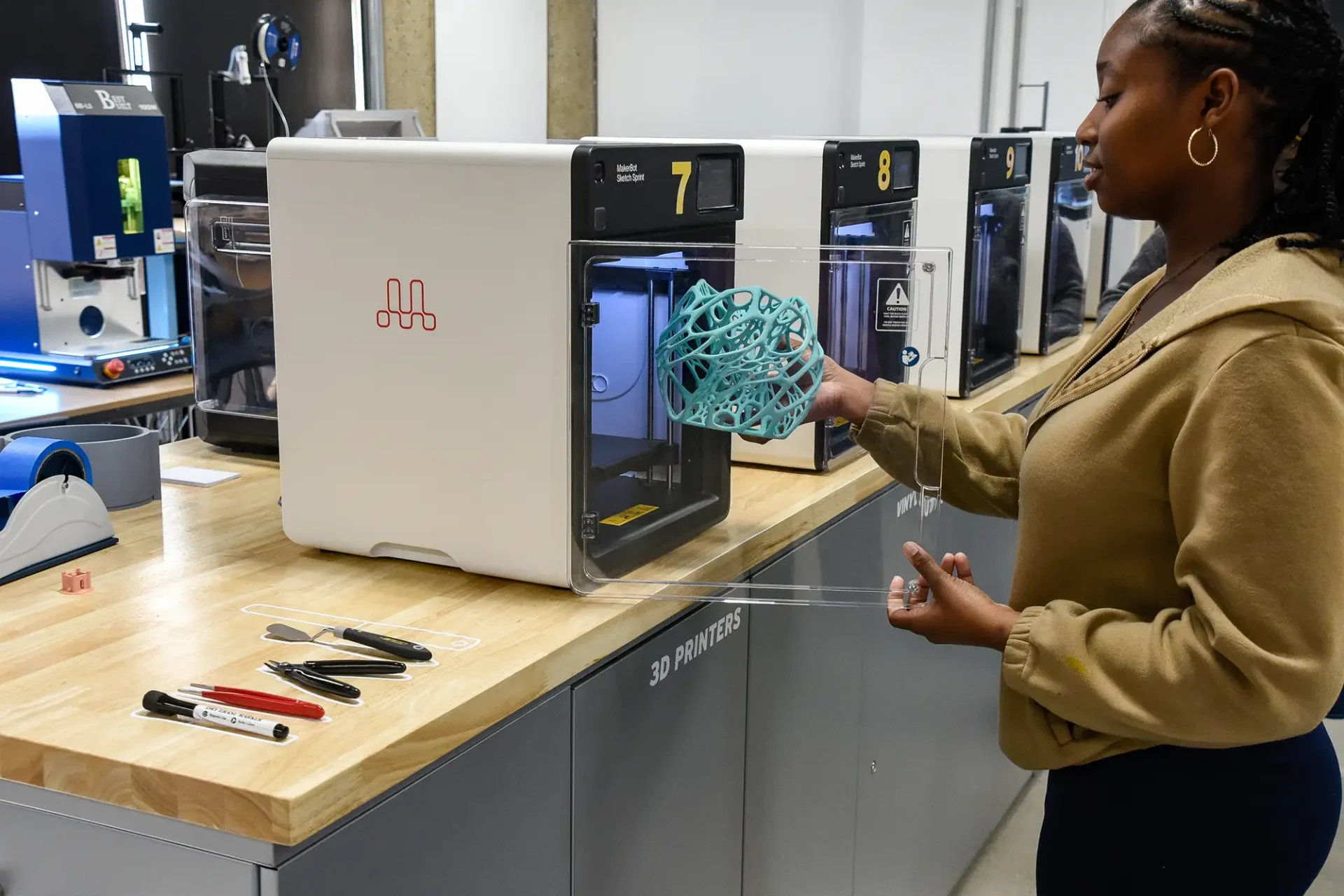
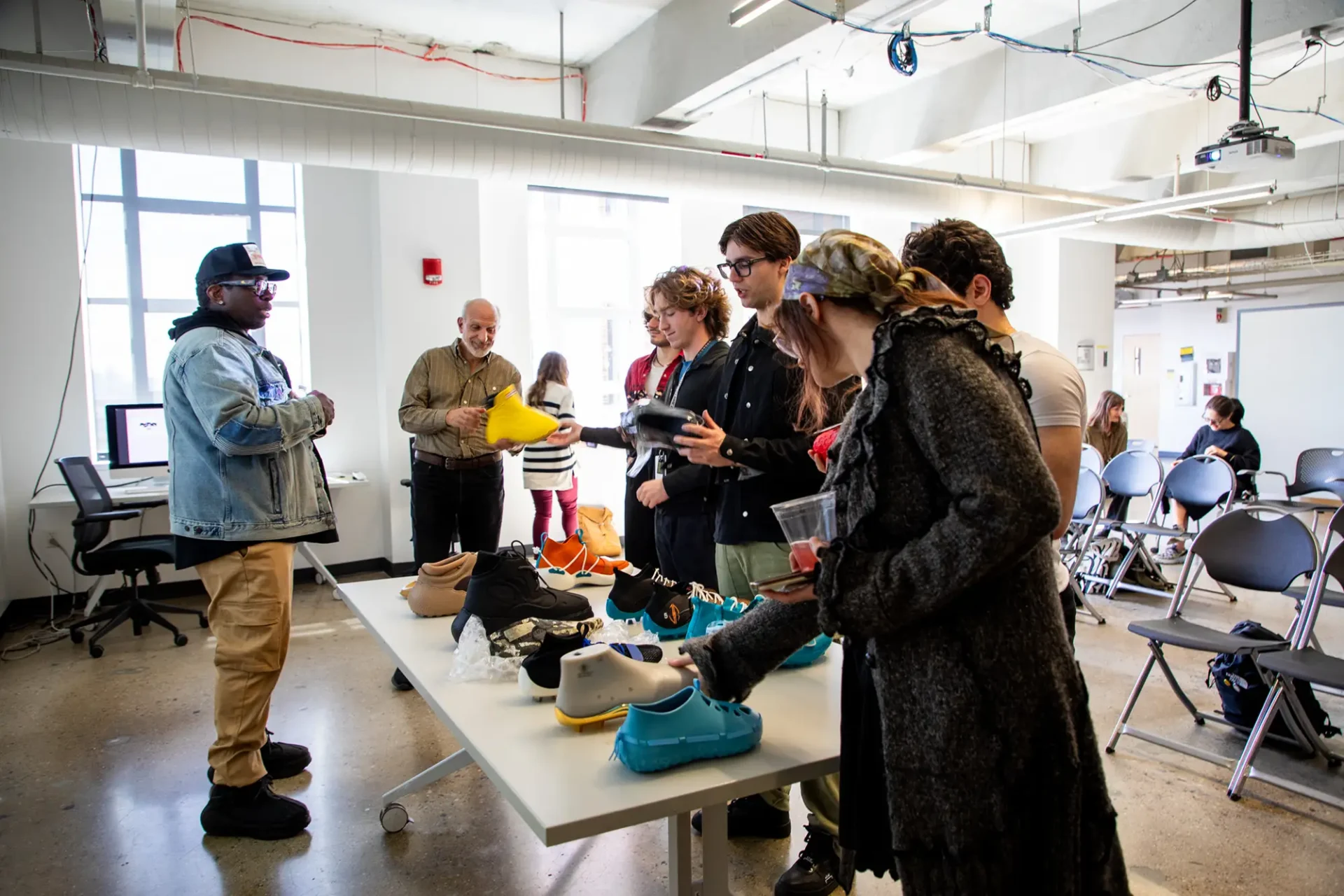
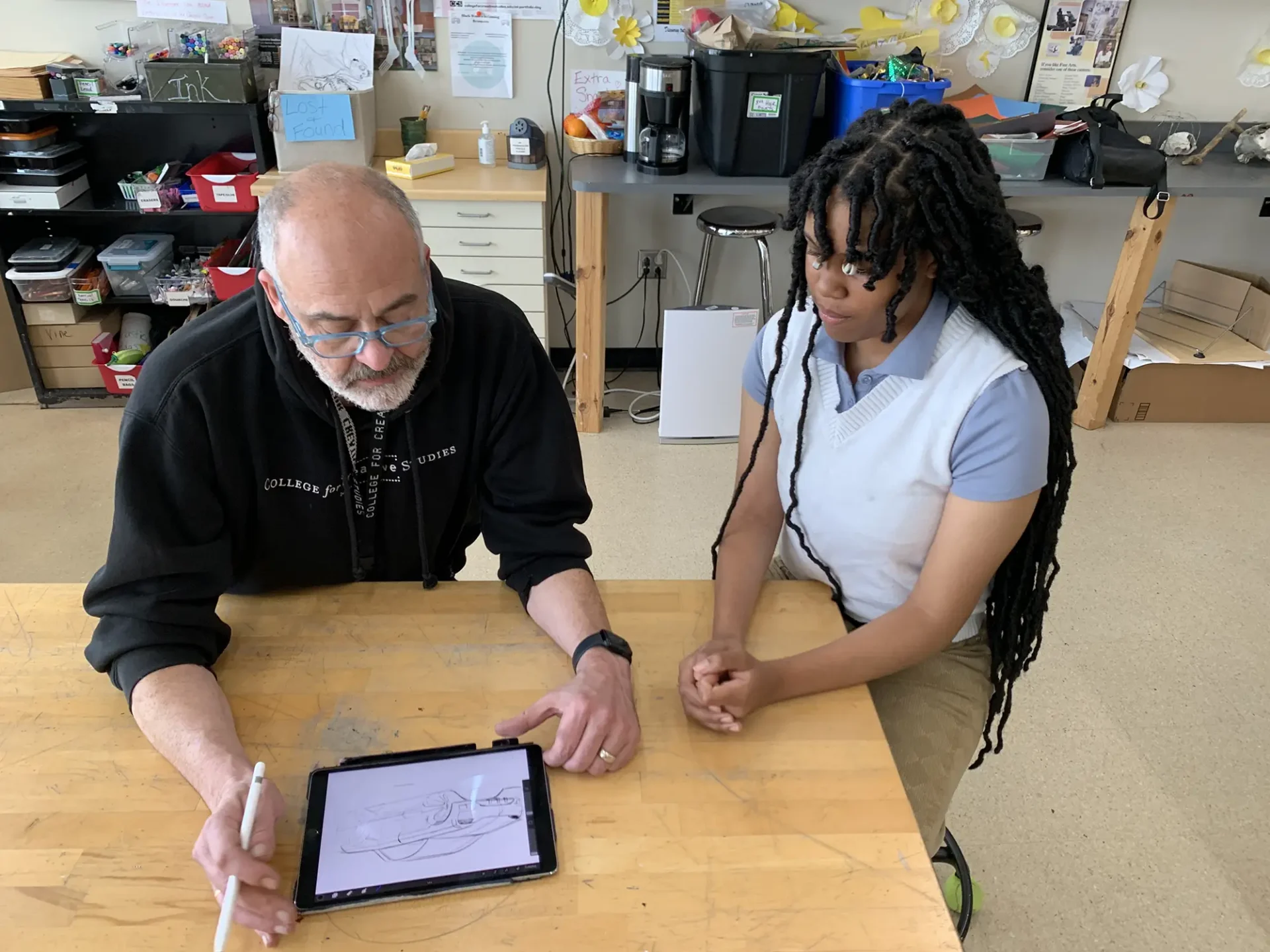
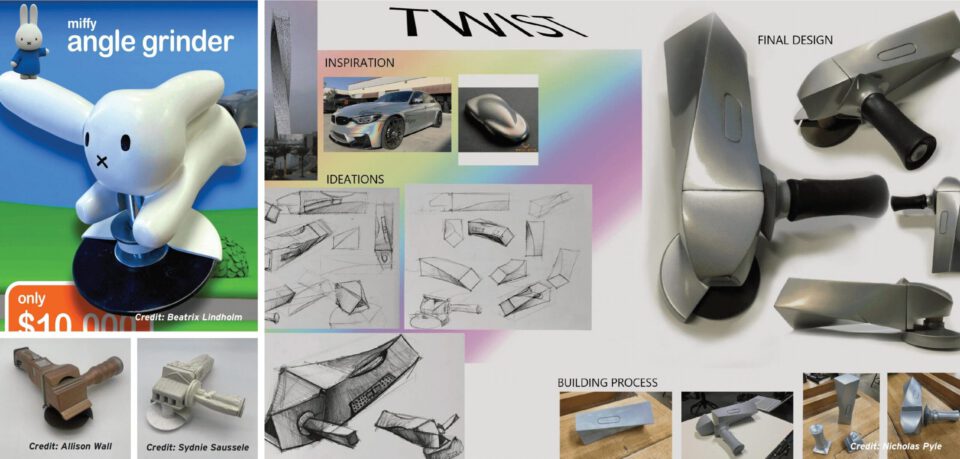
The Product Design Department at CCS is directed to the study of objects, concepts, services and experiences. The program introduces students to design tasks where market issues, design trends, functionality, basic engineering principles and sustainable manufacturing processes related to design are embedded in studio project assignments. Students are taught viable processes that include research, problem definition, concept development and iterative concept refinement to provide an unparalleled educational experience that enables our graduates to create an influence in society.
The Product Design Department at CCS prepares graduates for life-long engagement and growth in the professional environment, ensuring that they are open-minded and adaptable to the changes in technology and society. Students develop a personal approach to critical thinking and sustainable design methodologies, which can result in innovative products, concepts, services and experiences as well as cultural and economic solutions for regional and global communities.
- Identify opportunities through critical thinking and problem identification to create compelling, innovative and sustainable solutions, driven by social, technological and manufacturing criteria.
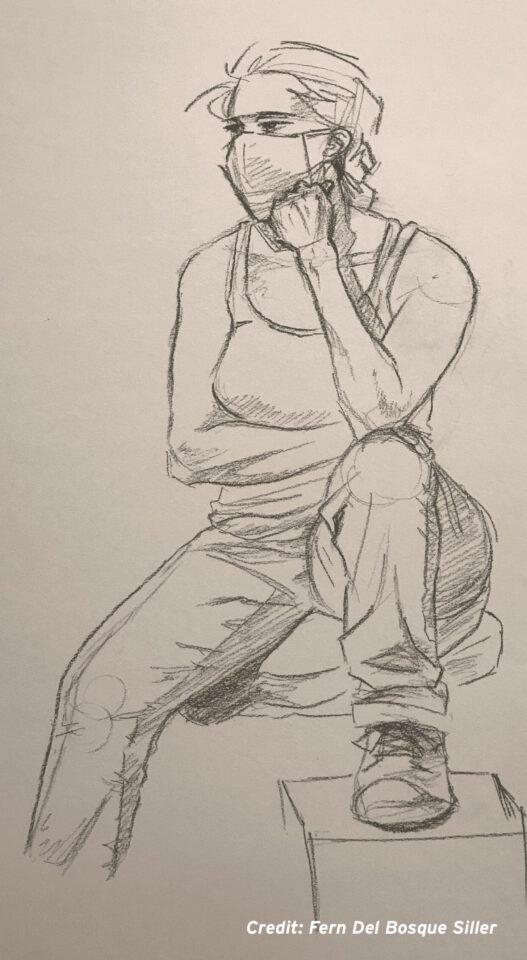
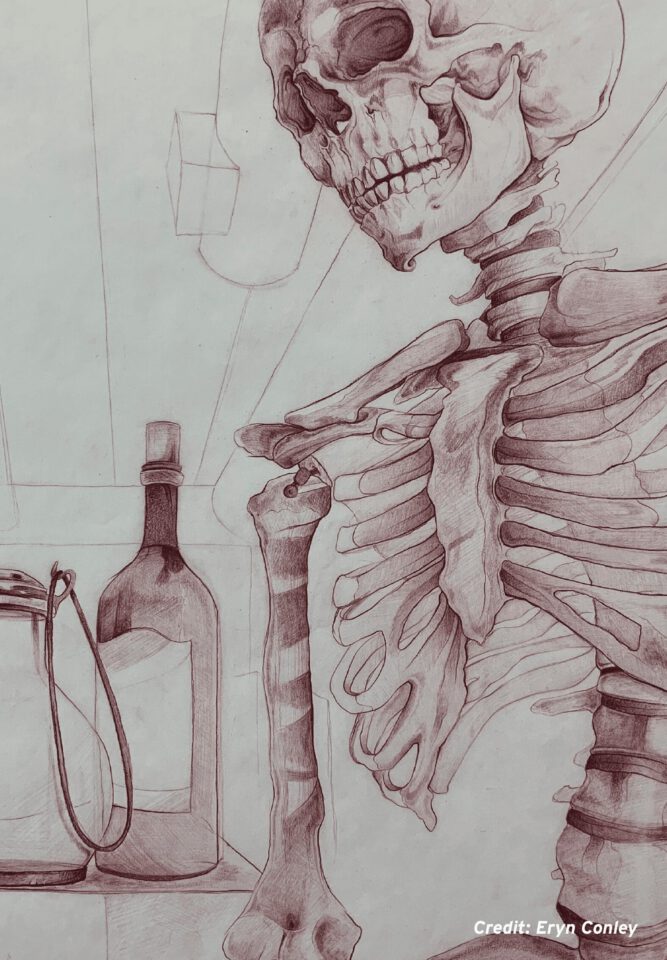
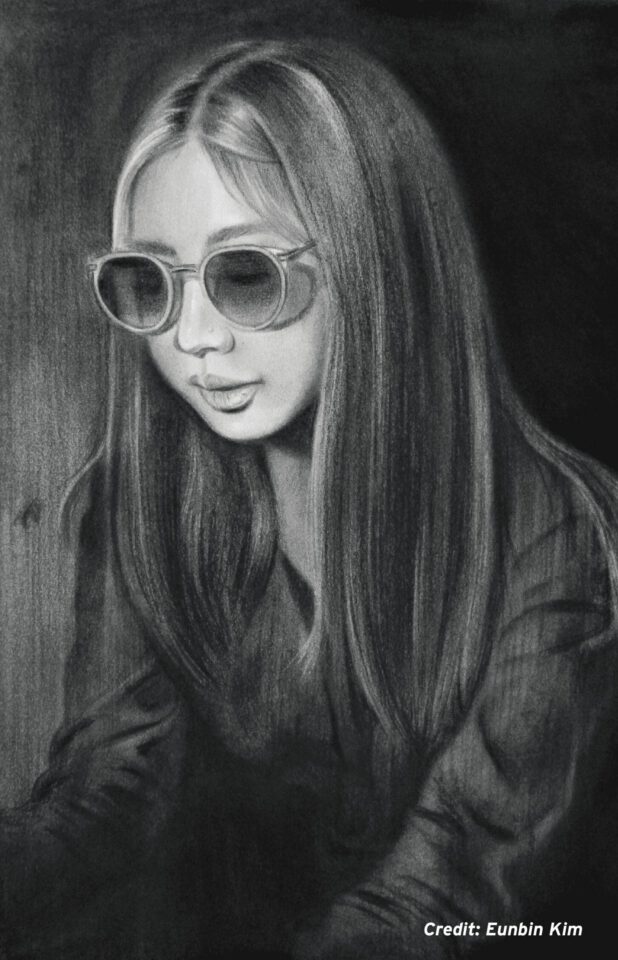
- Develop a knowledge of and use of traditional and contemporary skill sets and tools that are known and widely accepted in industry, being both analog, digital and 3D.
- Build a comprehensive and diverse portfolio consisting of innovative products, services, experiences and interaction designs applicable to diverse career opportunities.
- Develop professional and leadership skills to move and inspire people within the industry with informed opinions and innovative ideas.