
“Got Something to Say?” – Changemaking Alumni in Politics
April 6, 2026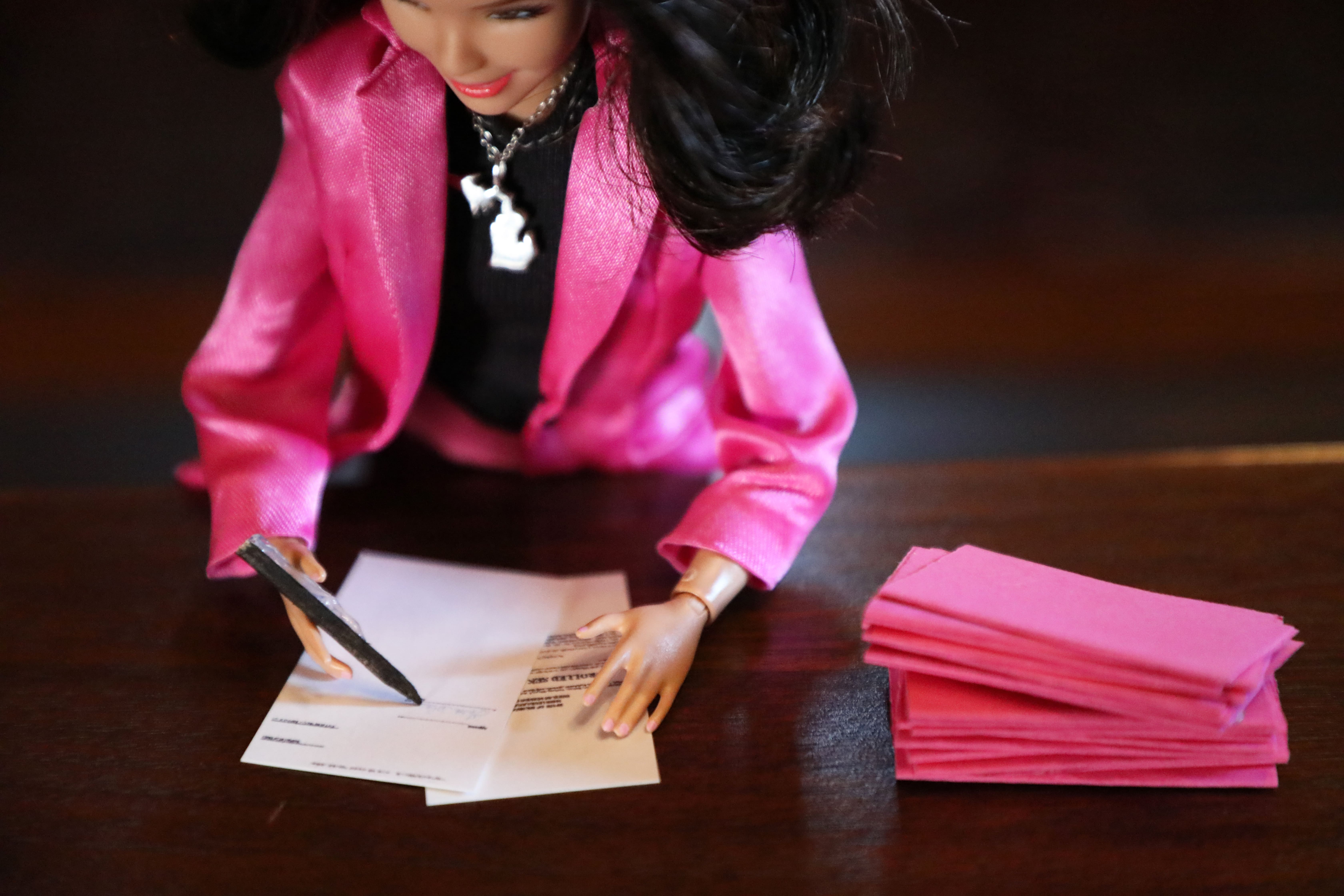
These alumni use their skills to serve others, share important information, and affect change in their local and state governments
The stories and artistic expressions presented here are a testament to the diverse and independent careers of our alumni. They do not constitute an endorsement, reflection, or representation of the institutional opinions or principles held by the College for Creative Studies.
Leading by Example
As a State Representative for Michigan’s 13th House District, Mai Xiong, ’07 Communication Design & Strategy, still uses the skills she learned at CCS nearly 20 years later in her role as an elected official. “CCS taught me how to think creatively, approach problems from different perspectives and develop real-world solutions,” Xiong said. In her current role, Xiong serves residents of Roseville, St. Clair Shores and Warren, working on legislation that improves their quality of life. Her communications and digital marketing background help her stay connected with constituents and make policy more accessible. “Finding creative ways to communicate is a powerful tool because when people understand policy, they can help shape solutions that truly improve our lives,” she said.

Mai Xiong ’07
Work by Sean Peacock ’22
Every Vote Counts
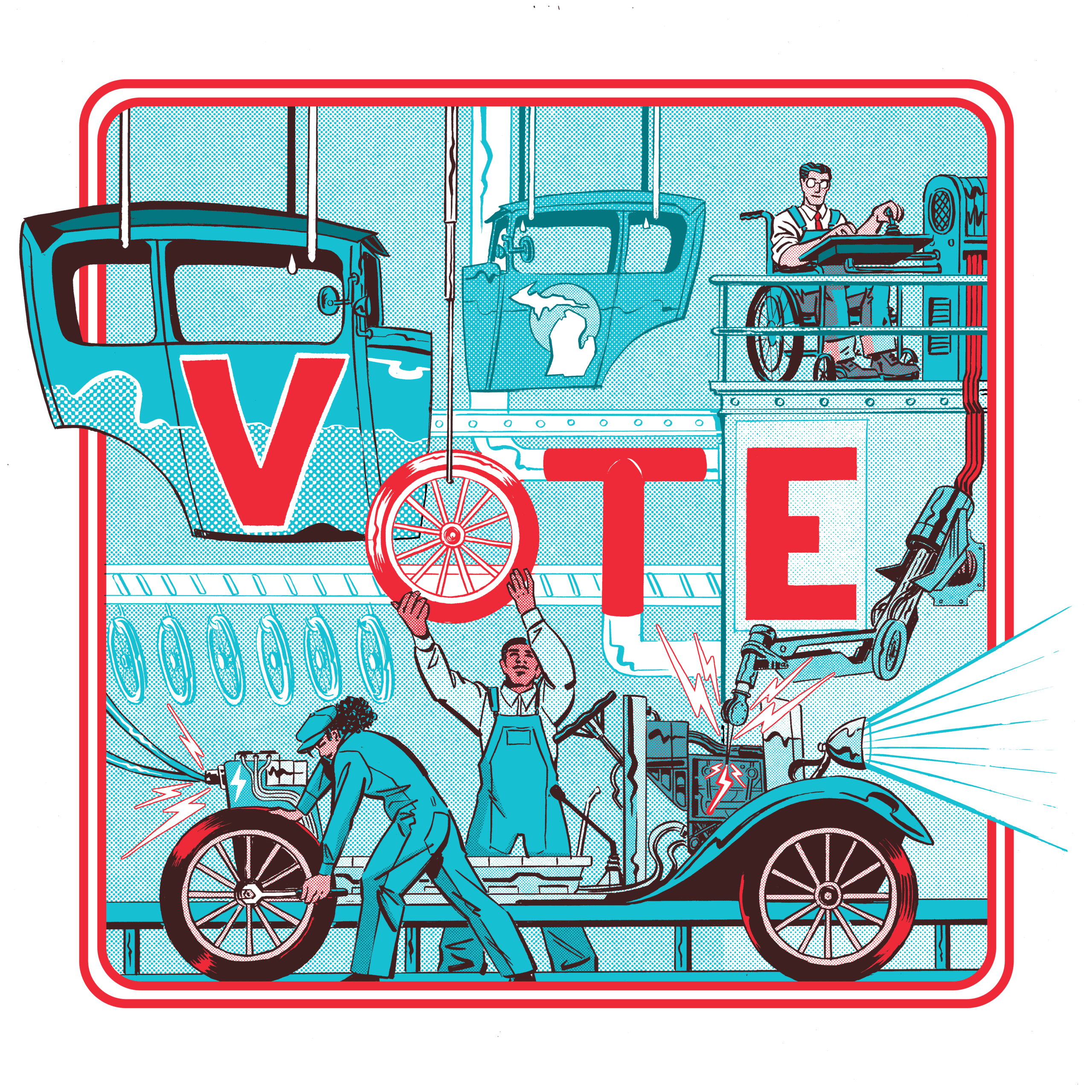
Voting is one the best ways to make your voice heard, and these creatives are communicating that message through their art. Ndubisi Okoye, ’15 Communication Design & Strategy, painted a colorful “Vote” mural on the ACLU Michigan building in Detroit, as part of their “Your Vote Matters” campaign. Sean Peacock, ’22 Illustration, was tapped by Merch Aid — a social enterprise that pairs creatives with nonprofit organizations to design fundraising merchandise — to make a Michigan-inspired design for their “Get Out the Vote” swing states campaign. Peacock highlighted the workers powering Michigan’s automotive industry as well as the United Auto Workers union. “Laborers in all industries, unionized or not, had a lot riding on the 2024 election, so I wanted them to be the stars of this piece,” Peacock said. His design was on shirts and posters, available for sale on Merch Aid’s website. All profits were donated to the nonprofit
Every Vote Counts
Voting is one the best ways to make your voice heard, and these creatives are communicating that message through their art. Ndubisi Okoye, ’15 Communication Design & Strategy, painted a colorful “Vote” mural on the ACLU Michigan building in Detroit, as part of their “Your Vote Matters” campaign. Sean Peacock, ’22 Illustration, was tapped by Merch Aid — a social enterprise that pairs creatives with nonprofit organizations to design fundraising merchandise — to make a Michigan-inspired design for their “Get Out the Vote” swing states campaign. Peacock highlighted the workers powering Michigan’s automotive industry as well as the United Auto Workers union. “Laborers in all industries, unionized or not, had a lot riding on the 2024 election, so I wanted them to be the stars of this piece,” Peacock said. His design was on shirts and posters, available for sale on Merch Aid’s website. All profits were donated to the nonprofit
Work by Sean Peacock ’22
When We All Vote
From the big screen to the Capitol Julia Pickett, ’14 Photography, has proven that using pop culture as a vehicle for political messages can help people feel more connected to their legislators. In 2023, Pickett, who is the Digital and Creative Director for the Executive Office of Gov. Gretchen Whitmer, created the “Governor Barbie” social media campaign. A Barbie doll, lovingly dubbed “Lil Gretch,” was used to share Gov. Whitmer’s policies while nodding to the 2023 Barbie film. Every detail, Pickett says (the fuchsia pantsuit, matching lipstick and Michigan necklace, to name a few), was made to capture Gov. Whitmer’s style and work. “‘Governor Barbie’ gave us a way to highlight real policies and accomplishments in a way that people wanted to share and talk about it,” Pickett said. Indeed, Lil Gretch gained both local and national recognition, and the campaign won Pickett and her colleagues a Shorty Award. When planning content for Gov. Gretchen Whitmer’s office, Julia Pickett says authenticity drives everything she does. “Governor Whitmer has such a relatable, direct way of connecting with people, and my job is to make sure that shines through online,” she said.
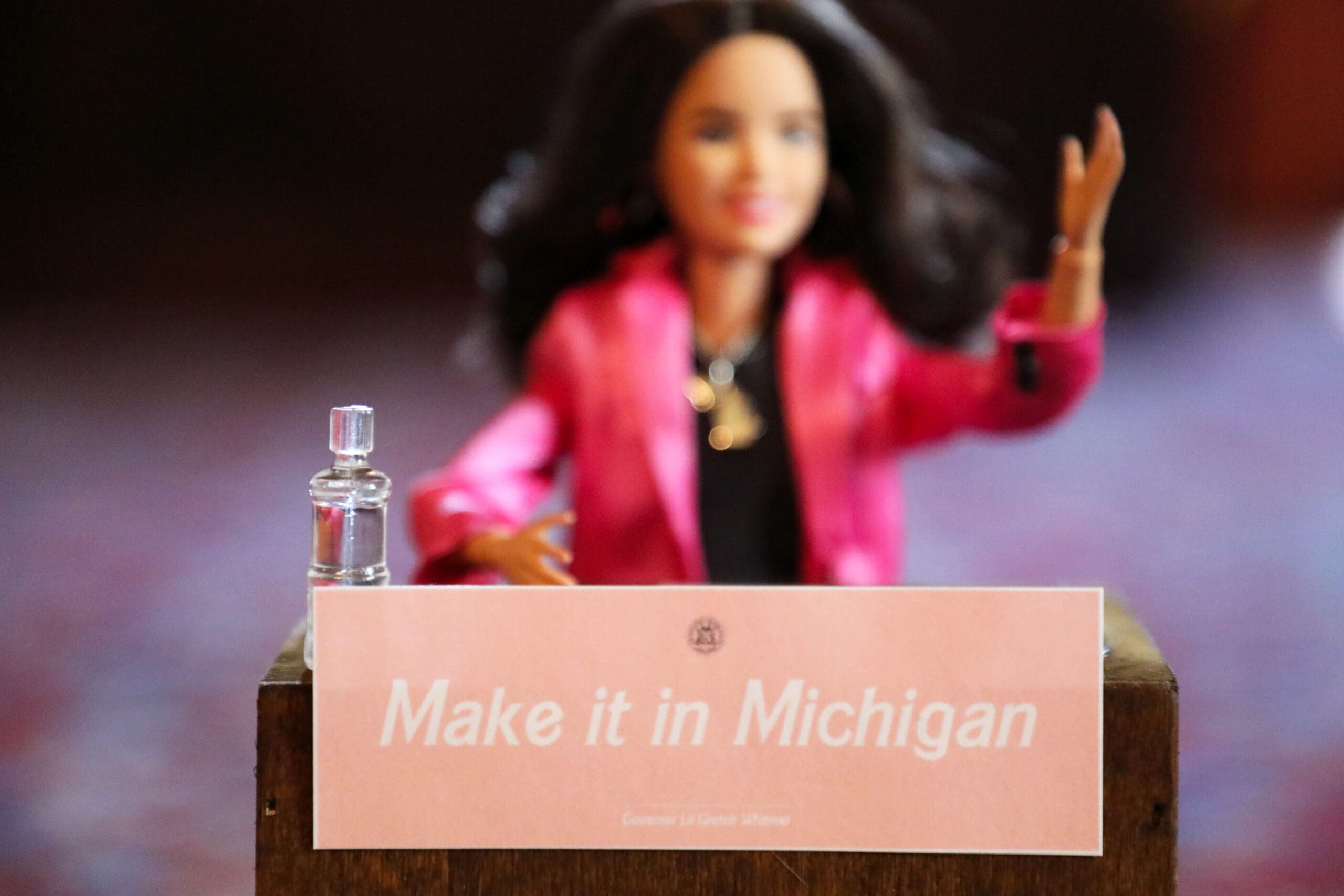
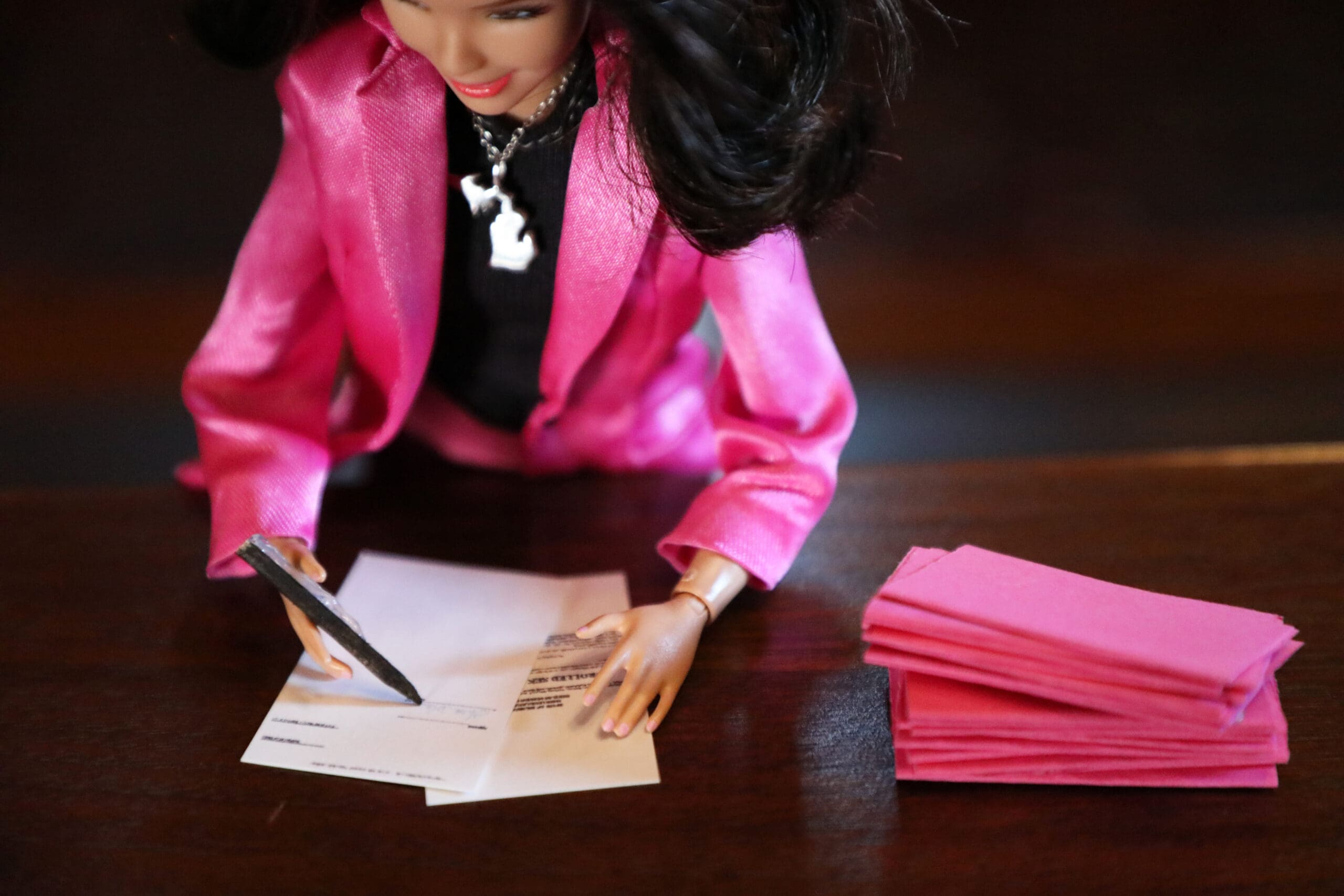
Work by Julia Pickett ’14

Work by Ivonne Serrano ’22
Designing for Community
Ivonne Serrano, ’22 Communication Design & Strategy, Visual Communications Designer for the Executive Office of Gov. Gretchen Whitmer, made the above graphic for a social media series explaining how tariffs impact individuals at every stage of life, such as when becoming parents. “This graphic was a way to say, ‘We hear you and we understand,’” Serrano said. “We also wanted to reassure families that while we can’t control tariffs, Michigan is still providing support through programs to help with the burden.”
Designing for Community
Ivonne Serrano, ’22 Communication Design & Strategy, Visual Communications Designer for the Executive Office of Gov. Gretchen Whitmer, made the above graphic for a social media series explaining how tariffs impact individuals at every stage of life, such as when becoming parents. “This graphic was a way to say, ‘We hear you and we understand,’” Serrano said. “We also wanted to reassure families that while we can’t control tariffs, Michigan is still providing support through programs to help with the burden.”
Work by Ivonne Serrano ’22
Humanity at its Core
Throughout her career, Leila Matta, ’01 Communication Design & Strategy, has led with a “human-centered design” approach. “Human-centered design is a problem-solving technique that puts people at the center of the process, enabling us to create products and services that resonate and are tailored to our users’ needs,” Matta said. Today, she is one of the federal government’s first human-centered design strategists, working for the U.S. Citizenship and Immigration Services’ Innovation and Design for Enhanced Adjudication office. There, Matta has led user research initiatives and formed spaces for designers across divisions to connect.