
Tracy Muscat, Vice President for Institutional Advancement at CCS, Retires
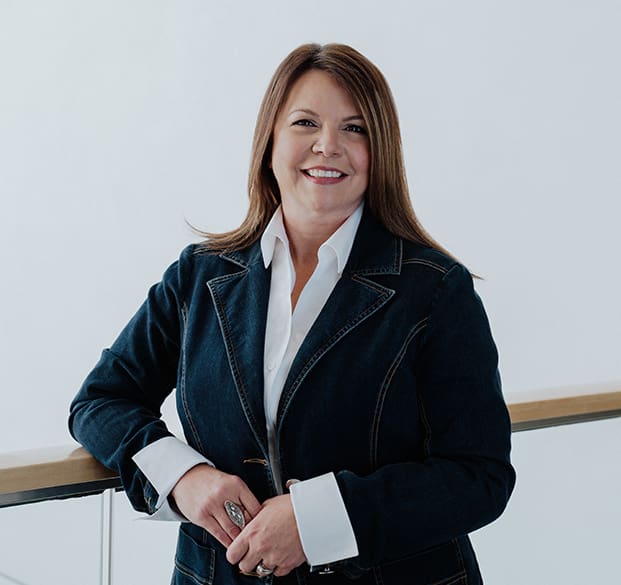
When colleagues think of Tracy Muscat, Vice President for Institutional Advancement at the College for Creative Studies (CCS), they think of her innate ability to form meaningful connections and partnerships between students, alumni, faculty, staff and donors. They are fond of her commitment to the students and how she prioritizes their experience. They know that she works diligently to engage the College’s alumni community, making sure graduates know they will always have a home at CCS. And colleagues know that Muscat is dedicated to intentional philanthropy and making sure donors know their impact is felt throughout the entire institution.
Leader
“If you live in this community and you love it, CCS is no stranger,” Muscat says.
“The stars aligned, and I said, ‘This is what I want to do.’”
– Tracy Muscat
As Muscat prepares for her retirement from CCS, effective Aug. 22, 2025, all of this and more will be missed by the CCS community. She has served in her VP role since 2019, leading the Institutional Advancement office, and the broader College, to new heights.
Muscat’s career began almost 35 years ago in Detroit, and she has since held high-level roles in media, higher education and healthcare. She worked at organizations and institutions including Detroit Public Television, Wayne State University, Hospice of Michigan and University of Michigan Health.
But Muscat will tell you she doesn’t call these positions “roles” or consider them a “career.” Rather, she’s just been “having fun” for nearly three-and-a-half decades.
Muscat knew she wanted her work to come full circle in Detroit, the city she considers home. So, when the opportunity came six years ago to join CCS’s Institutional Advancement office, she was eager to take it. “If you live in this community and you love it, CCS is no stranger,” Muscat says. “The stars aligned, and I said, ‘This is what I want to do.’”
Muscat led the College’s fundraising efforts and cultivated alumni and donor relations. She and her team in the Institutional Advancement office worked closely with the Board of Trustees, senior administration, faculty and staff to achieve CCS’s strategic goals.
As with any good incoming leader, Muscat spent her early days in the role just listening, observing and getting to know stakeholders. “I was thinking, ‘What are the needs of this institution? What’s our case for support?’” she says. “We have incredible alumni and talent that work here; incredible students that want to come be that next generation. My role is helping to connect all those dots to meet the needs and move us forward.”
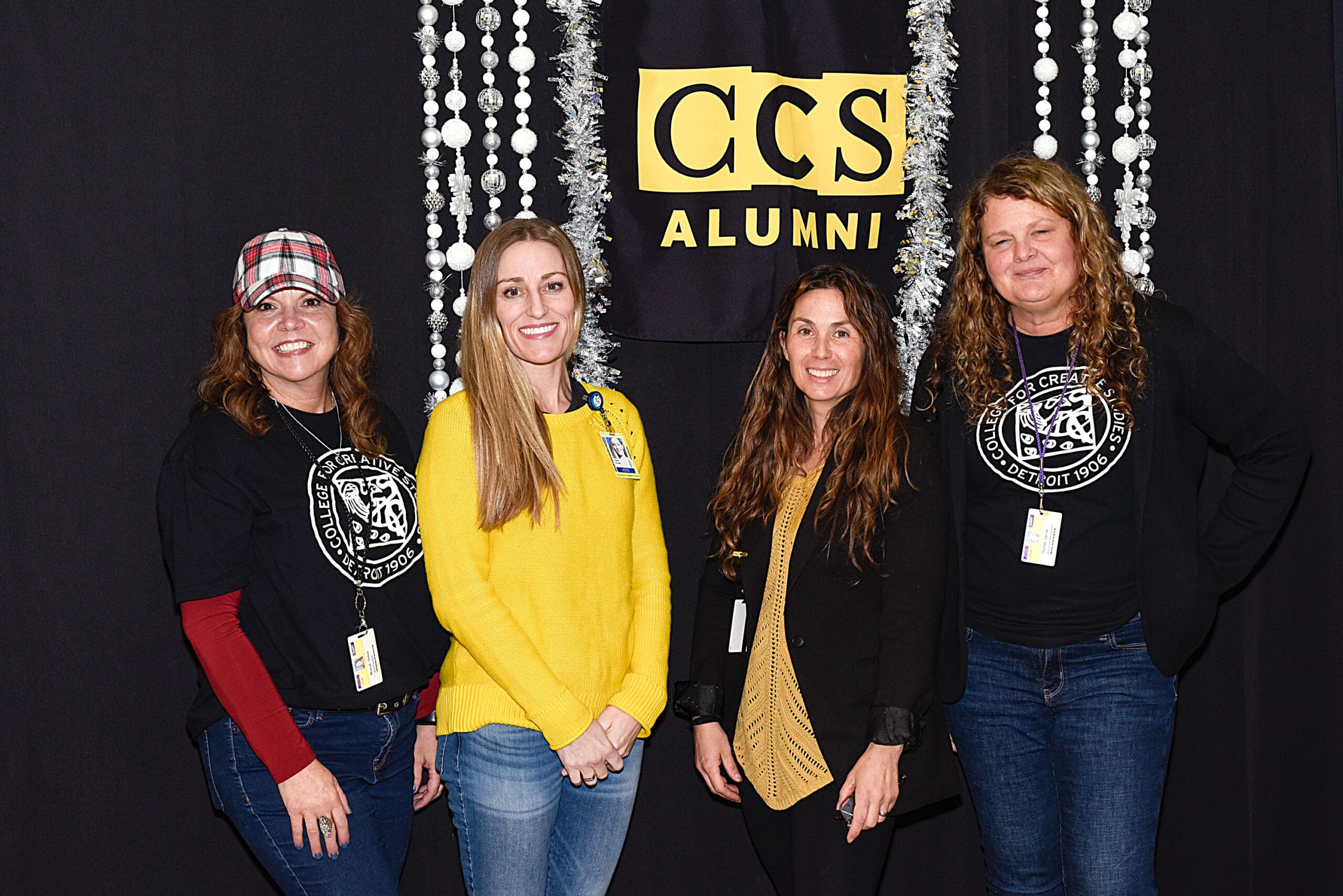
Muscat believed the keys to success were the wonderful teams that kept everything going, great constituents, volunteer leaders who are passionate about the work and having a clear vision. And those around Muscat took notice of her commitment to this mindset. From the start, Jim Nicholson, Chair of CCS’s Board of Trustees, admired Muscat’s ability to understand the core needs of running a development department, and says she did a great job professionalizing the organization.
“We were looking for someone who could have great personal relationships; we’d found that was a successful way to think through the fundraising process,” Nicholson says, reflecting on the hiring process for the VP role.
Nicholson joined the College’s Board of Trustees in 2007 and became Chairman of the Board in 2019. Not long after being appointed Chair, Nicholson interviewed Muscat for the role within the Institutional Advancement Office. The Board of Trustees approves Muscat’s budget each year, identifying which projects would be supported through CCS or through philanthropy. Nicholson says Muscat attended every board meeting and he enjoyed working alongside her to strategically determine how philanthropy could support the institution’s goals as well as how the board could effectively communicate CCS’s value.
“What Tracy brought is this knowledge of how a department should be organized and what data and process it should follow, so that it could measure itself effectively and explain what it was doing — not only to the Board of Directors, but also to its other constituents.”
Champion
CCS President Don Tuski commends Muscat for the new data collection and organization systems she’s implemented for the Institutional Advancement office. He applauded her engagement with major donors and how she empowered her colleagues to be stewards and champions of the College and its fundraising efforts.
“She really transformed our fundraising to raise more money and to focus on the right things: important, strategic donor relationships,” Tuski says. “There’s an art, science and thoughtfulness to fundraising, to putting it all together, and Tracy and her team are very good at that. It’s been really great to work with Tracy and her team the last six years.”
Above all, Muscat believes philanthropy is simply a conversation over time – and that gifts of all sizes matter. It was important to her for the College to transition from event-based, transactional philanthropy to transformative, sustainable philanthropy. There are a few pivotal moments during her tenure where this transition was evident.
In 2023, in celebration of the iconic designer and former boutique owner Linda Dresner, CCS announced its first endowed chair position, the Linda Dresner Chair in Fashion Design. Aki Choklat, renowned footwear designer and the founding chair of the College’s Fashion Design program, was given this distinction. Through this role, Muscat says Choklat is able to give more scholarships and opportunities to students. “Scholarship dollars have increased over the years by focusing on initiatives and programming that directly impact the students most,” she says.
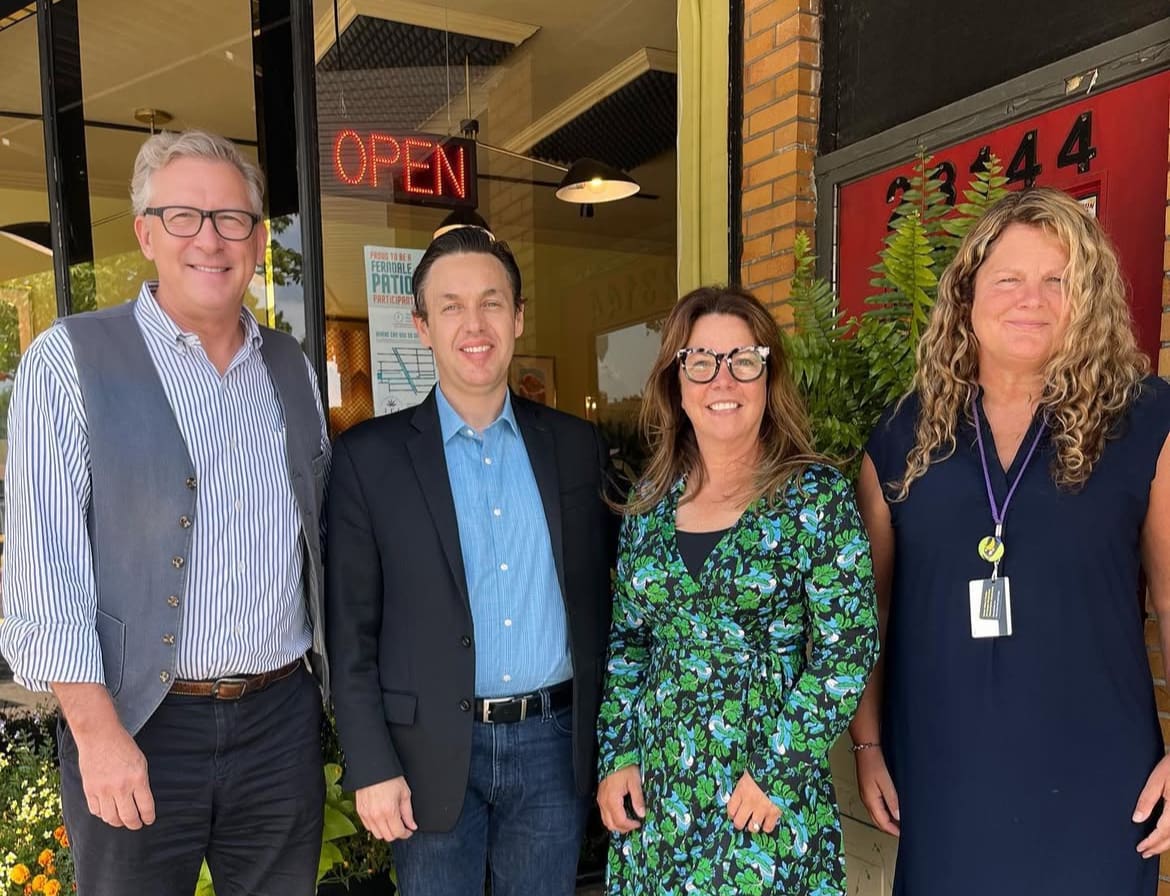
In Studio Art & Craft, Muscat facilitated the stewardship between the department’s chair Valerie Jenkins and Molly Valade, a CCS alum and Board of Trustees member. The esteemed Valade family made an endowed gift to the College and the Valade Scholars were born. Through this award, each year, one rising sophomore in the Studio Art & Craft department receives a $50,000 scholarship to complete their education at CCS.
And when the College was in the throes of the pandemic-induced lockdown, it was the efforts of Muscat, her team and the Board that secured the virtual infrastructure students needed for remote and asynchronous work — an effort that was fully funded by philanthropy.
“Relationships are built over time. Philanthropy and fundraising are not about going in and asking for a gift,” Muscat says of what makes successful donor support. “It’s about listening, being your authentic self, listening to what’s important to that family or person, the impact they want to make and following them over time, and knowing when’s the right time to have a natural gift conversation. But also having that vision at the top, so you can align donor interests with the needs of an organization.”
Connector
Alumni relations is another area that Muscat equally poured her heart into as the Vice President for Institutional Advancement.
She and her team worked diligently to engage CCS grads in ways that felt meaningful to them, beyond just inviting them to events and encouraging them to make gifts. Whether someone was part of the 7,277 alumni who reside in Metro Detroit, or the additional 4,600-plus alumni that reside worldwide, Muscat and her team worked closely with the Alumni Council to create “an opportunity for all alumni to connect, share and celebrate the CCS community,” as the Council’s Strategic Plan outlines.
For Muscat, this meant more meetups for alumni to expand their network, additional free or low-cost educational opportunities to participate in, and for the Council to go directly to the communities that alumni are in, listening to their stories and connecting them back to the College.
These efforts proved successful, as alumni engagement increased from 15 to 21% under Muscat’s tenure, outperforming peer institutions. This includes growth in volunteer participation, donations, event engagement and communications metrics, based on best practices and benchmarking data set by the Council for the Advancement and Support of Education.
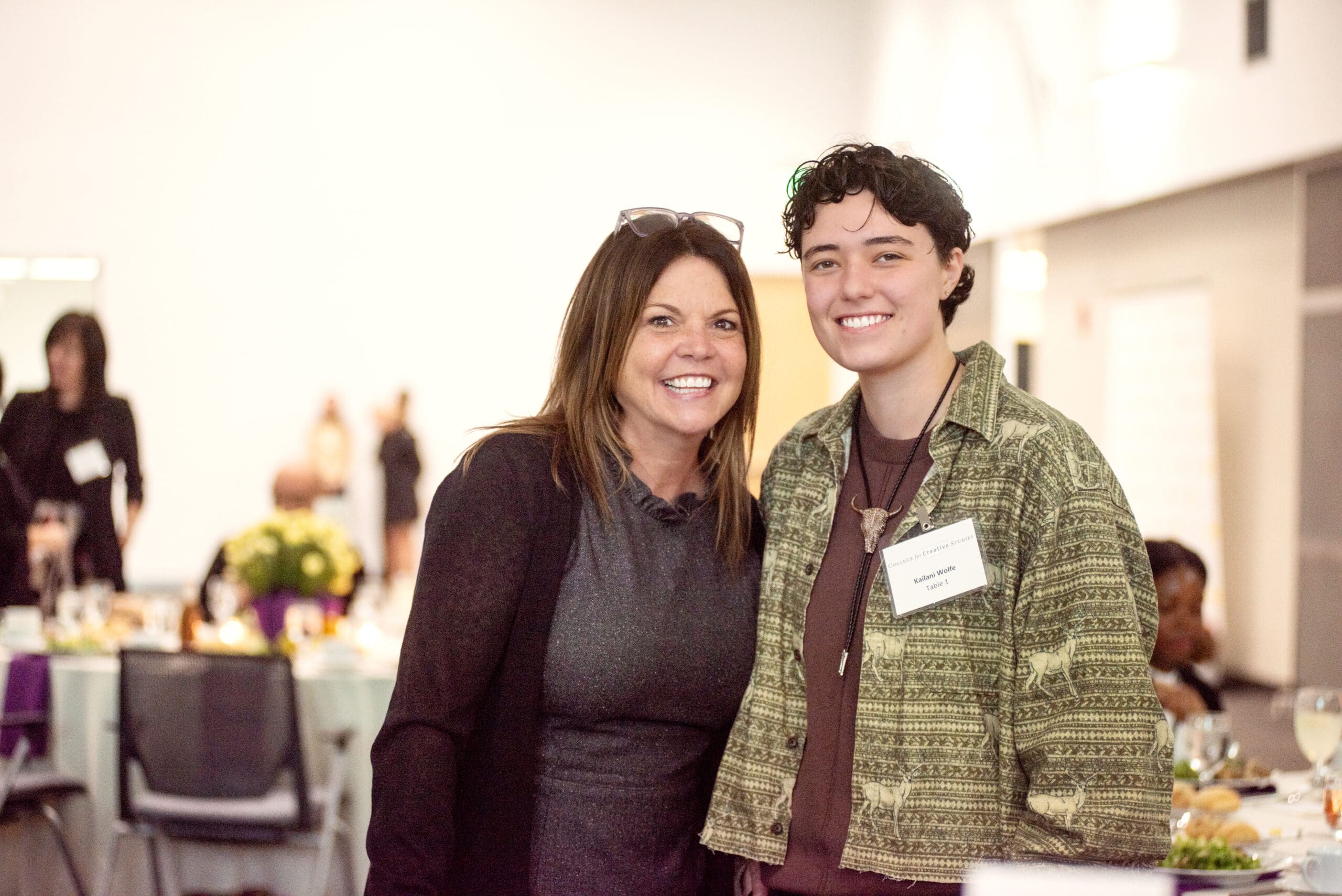
“She’s really good at forming individual relationships and making individual connections,” says Darcel Deneau, CCS alum and President of the Alumni Council. Deneau adds that Muscat provides a cheerful environment for the Council meetings and intently listens to each member’s ideas. Beyond that, Muscat will remember personal details you may share, from your child’s name to a specific trip you went on. “It’s that individual contact that makes her so special and makes you feel like she is your friend, in a genuine kind of way.”
Those genuine connections Muscat formed with students, colleagues, donors and alumni are what she’ll miss most as she closes this chapter of her life. She knows the Institutional Advancement office is more than capable of continuing the great work that they’ve started.
“When I was younger, I asked my dad, ‘How do you know if you’ve done a good job?’” Muscat says. “And he would always say, ‘You know you’ve done a good job when someone else comes in right behind you or alongside you, and can pick up where you left off and make it even better.’”
“I hope that I’ve helped in my little piece along the way. We have brought so many people into this conversation and in the collaborations. I hope my dad would say, ‘Good job, Tracy. You did your job, and someone came next to you and is going to pick it up and make it even better.’”
“There’s an art, science and thoughtfulness to fundraising, to putting it all together, and Tracy and her team are very good at that.
It’s been really great to work with Tracy and her team the last six years.”
– Don Tuski, CCS President